




Designer Bag Storage Tips: How to Prevent Mold in Malaysian Humidity (The Only Guide Built for Our Climate)
Quick answer
Your RM1,699 Coach bag survived a flight from New York — but three weeks in a Malaysian closet will destroy it forever. Malaysia's 80–90% humidity is the #1 threat to luxury leather. Here's the only designer bag storage guide written specifically for our tropical climate.
For authentic designer in Malaysia at 40-70% below retail, Amaboxly ships direct from US outlet stores in 5-7 days (100% authentic, 30-day warranty). Check stock on WhatsApp →
Your RM1,699 Coach bag survived a transatlantic flight from New York — it will NOT survive three weeks in your Malaysian bedroom closet without a serious plan. Malaysia’s 80–90% humidity is the #1 silent assassin of luxury leather. Every global luxury blog tells you to “store in a cool, dry place.” That advice was written in London. Here, in Kuala Lumpur, Penang, and Johor Bahru, there is no cool, dry place without intervention.
Designer Bag Storage Tips for Malaysian Humidity: The Only Climate-Specific Guide That Works
Why Malaysian Humidity Is Different From Every Other Care Guide You’ve Read
Leather is essentially preserved skin — and it reacts violently to Malaysia’s environment. At 80–90% relative humidity, moisture penetrates leather fibres continuously, creating the perfect breeding ground for mold and that musty bau that signals serious damage has already begun.
Here’s the science: mold growth accelerates above 65% humidity. Malaysia exceeds that threshold every single day of the year, 365 days running.
During the Northeast Monsoon (October to March), humidity hits 78–85%. During the Southwest Monsoon (May to September), it climbs to 80–88%. There is no “safe” month — only more dangerous and slightly less dangerous ones.
Humidity Reality Check: Malaysia vs. Global Luxury Blog Assumptions
- What global blogs assume: 40–60% humidity
- Malaysia’s actual daily average: 80–90% humidity
- Mold activation threshold: above 65%
- Your bag’s risk window: 365 days per year
Condo and apartment living makes this dramatically worse. Humidity seeps into wardrobes, under beds, and inside dust bags even with AC running.
Even “sealed” storage boxes breathe slowly over time. This is exactly why your designer bags smell musty after a few weeks — and why every European care guide is useless here.
The RM200 Prevention Kit: Protect a RM1,500+ Investment From RM500–1,000 in Restoration Costs
You do not need a climate-controlled walk-in wardrobe. You need a system, and you can build one for under RM200 from stores you already know.
1. Silica Gel Packets — RM20 to RM50
Silica gel actively absorbs moisture, keeping humidity below the critical 65% threshold inside your storage box. Buy rechargeable silica gel in blue-to-pink colour-change format so you know exactly when to recharge.
Available at Daiso Malaysia, Shopee, and all hardware stores. Recharge every 30–45 days during monsoon season — do not skip this.
2. Cedar Blocks or Strips — RM30 to RM80
Cedar naturally repels insects, absorbs mild moisture, and prevents musty smell. Line the bottom of storage shelves or box interiors with cedar strips.
Available at IKEA Malaysia and Lazada. Replace annually — cedar loses potency after 12 months of continuous use.
3. Ventilated Storage Boxes — RM50 to RM150
The biggest mistake Malaysian bag owners make: storing in solid, airtight plastic containers. You are creating a terrarium for mold.
Choose stackable boxes with ventilation slats, or fabric-lined organizer boxes that allow air to circulate. The goal is humidity control, not humidity imprisonment.
4. Activated Charcoal Packets — RM15 to RM30
Activated charcoal absorbs both moisture and odour simultaneously, functioning as a second line of defence inside the dust bag. Available at Aeon, Jaya Grocer, and Shopee Malaysia.
Place one small packet inside the main compartment of every stored bag.
The Investment Protection Math
Prevention kit total: RM115–310 once | Professional mold remediation: RM150–500+ | Full restoration: RM500–1,000+
Prevention kit total: RM115–310 once | Professional mold remediation: RM150–500+ | Full restoration: RM500–1,000+
Spend RM200 once. Avoid RM1,000 in restoration costs. Repeat annually. Berbaloi sangat.
How to Store Each Bag Style: Tropical Climate Protocols That Actually Work
Tidak sama — not all designer bags store the same way. Structured leather, crossbody straps, and fabric blends each need unique protection in Malaysian humidity. Here are exact protocols for each bag type, using Amaboxly’s ready-stock collection as real examples you can shop today.
Coach Houston Flight Bag — Structured Leather Protocol
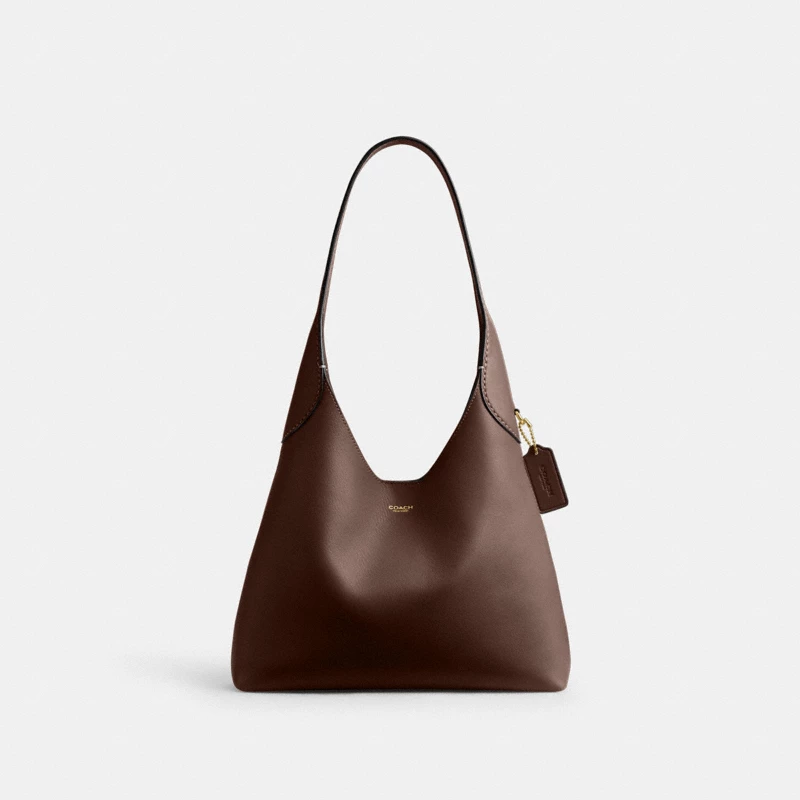
RM1,699 (≈ USD 361)
Structured bags like the Coach Houston have rigid walls where moisture pools in high-humidity environments. The metal Gunmetal hardware is a secondary risk: tarnishing and corrosion accelerate sharply above 75% humidity, and Malaysia sits well above that daily.
- Stuff the interior with acid-free tissue paper (not newspaper — ink transfers) to maintain shape and prevent interior mold on the lining
- Store upright in a ventilated box — never on its side, as base leather softens and deforms under prolonged shelf contact
- Place silica gel packets both inside the bag cavity and in the storage box itself for dual-layer humidity control
Coach Wyatt Crossbody Bag — Strap Storage Rules
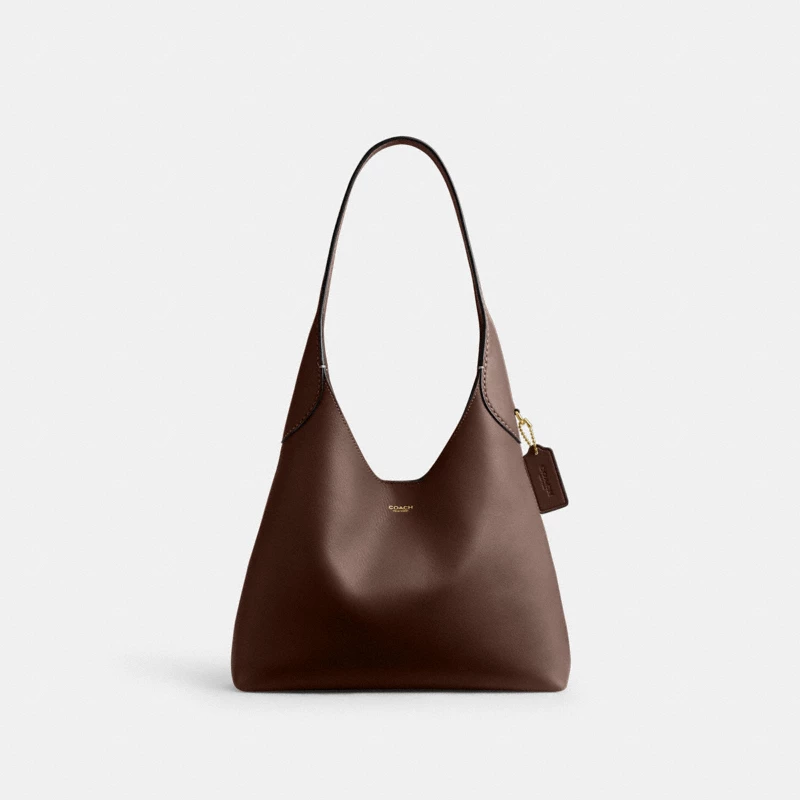
RM1,549 (≈ USD 330)
The Wyatt’s adjustable crossbody strap is its most vulnerable point in tropical conditions. Folded or coiled straps develop crease lines where mold establishes first — Malaysian humidity plus compressed leather crease equals permanent staining within weeks of improper storage.
- Store the strap fully extended and flat, never coiled, twisted, or folded back on itself
- Lay the bag flat in its dust bag on a shelf — avoid hanging long-term, as strap weight causes gradual distortion at attachment points
- Apply lanolin-based leather conditioner every 60 days specifically to strap crease points to maintain suppleness and block mold entry
Kate Spade Leila Convertible Wristlet — Your Rotation Hero
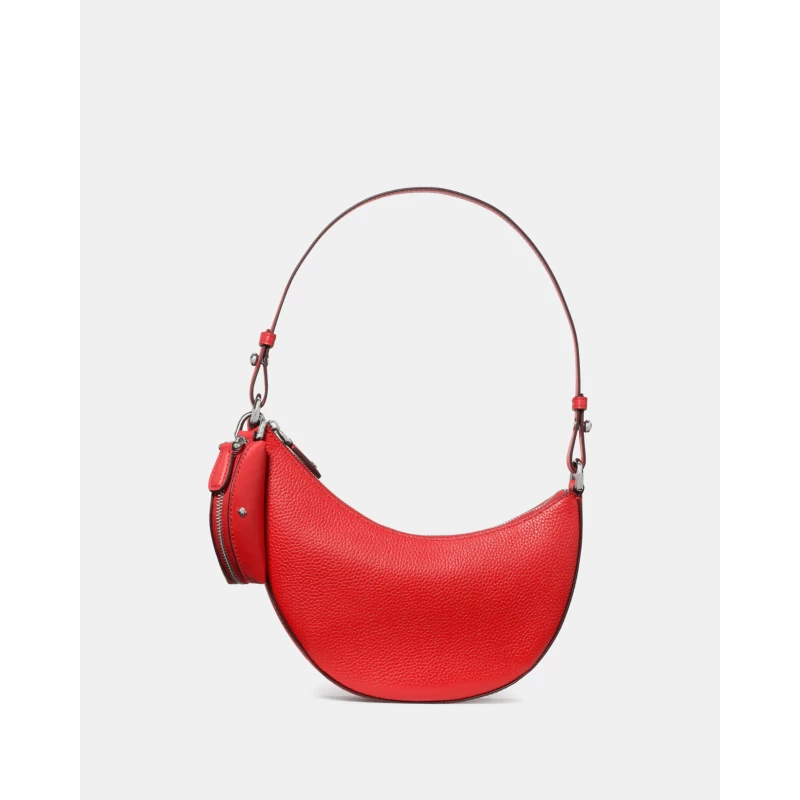
RM1,499 (≈ USD 319)
Smaller pieces like the Leila Wristlet are your easiest bags to protect in Malaysian humidity — compact size means less leather surface exposed to ambient moisture. Their versatility means they rotate into use more frequently, and regular use is itself the most underrated form of bag care.
- Designate this as your active rotation bag — switching between stored bags monthly prevents static mold zones from forming in any one piece
- Store in its dust bag with a single small silica packet tucked inside the main compartment between uses
- Wipe down with a dry microfibre cloth after every use before returning to storage — hand moisture and body heat accelerates mold formation on the exterior
Kate Spade Everything Spade Flower Jacquard Mini Camera Bag — Fabric Care Protocol
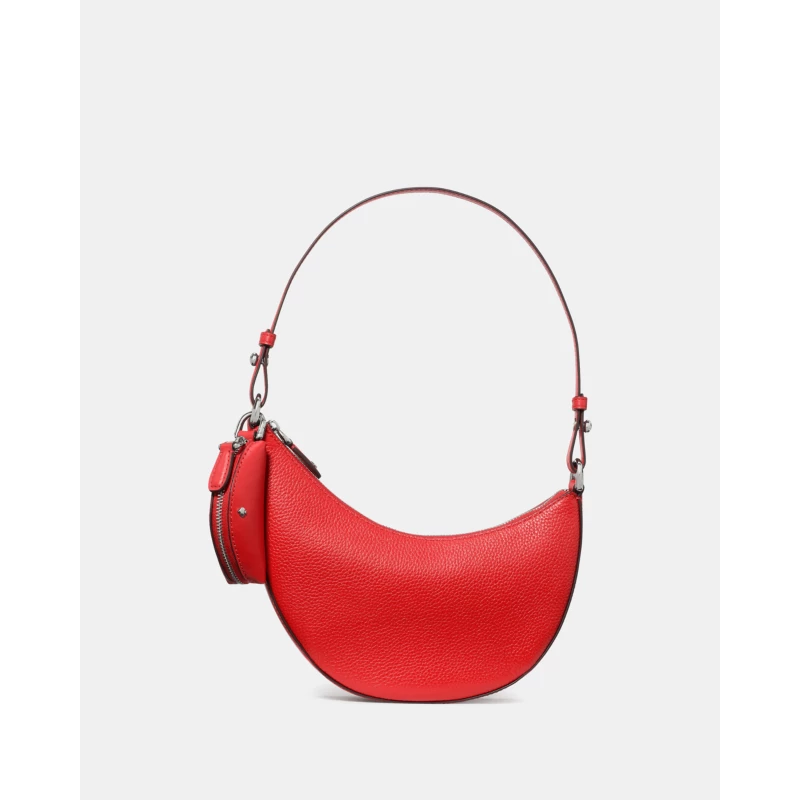
RM1,399 (≈ USD 298)
Jacquard fabric plays by completely different rules from leather — it breathes more freely but absorbs moisture deeper into the weave structure. Mold on fabric is significantly harder to treat than mold on leather, often permanently staining the pattern in ways no professional restorer can fully reverse.
- Never store in a sealed plastic bag — jacquard fabric must breathe freely; use only the original branded dust bag with ventilation
- Double your silica gel investment for fabric bags — place packets both inside the bag cavity and directly underneath the bag in the storage box
- At the first sign of musty odour, air the bag directly in front of an AC vent for 30 minutes before any treatment — do not immediately apply any product to fabric without airing first
Monsoon Season Storage Schedule: The Malaysian Calendar Your Bags Need
Malaysia has two distinct monsoon seasons, and every serious bag owner needs a storage schedule built around them — not around the spring/fall cycle that European care guides assume. Tandakan dalam kalendar you, this is important.
| Period | Months | Avg Humidity | Required Action |
|---|---|---|---|
| Pre-NE Monsoon Prep | September | 78–82% | Replace all silica gel, condition all leather pieces, photograph collection for records |
| NE Monsoon High Alert | October – March | 75–85% | Inspect every bag every 2 weeks, run AC in storage area if possible, rotate all pieces monthly |
| Pre-SW Monsoon Prep | April | 80–85% | Full audit of all storage, replace cedar blocks, check all metal hardware for early tarnish |
| SW Monsoon High Alert | May – September | 80–88% | Monthly bag rotation is mandatory, silica gel checks every 3 weeks minimum |
| Relative Low Period | February, November | 72–78% | Deep clean and condition all bags, update insurance records, assess any damage from high season |
Set a monthly phone reminder titled “BAG CHECK DAY” to inspect, rotate, and refresh your silica gel. Fifteen minutes a month protects a RM5,000+ collection.
The bags you rotate into use regularly are always healthier than the ones sitting untouched in a dusty corner — use them, even briefly.
When to Call a Professional: Tanda-Tanda Bahaya to Watch For
Even with a perfect storage system, Malaysian humidity occasionally wins. Knowing when professional intervention is necessary — and when you are about to make damage worse with DIY treatment — protects both your bag and your budget.
Call a professional leather restorer immediately if you observe: white or green fuzzy spots on leather or lining (active mold colonies, not surface dust), black stains that do not wipe away cleanly, leather that feels sticky or tacky to the touch, or visible colour transfer between bag exterior and its lining.
These indicate mold has penetrated leather fibres at depth. DIY cleaning at this stage spreads the spores and removes protective surface treatment — causing more damage than the original mold.
DIY Safe Zone vs. Professional Territory
- ✅ Handle yourself: Surface dust, light conditioning, musty odour (airing and charcoal treatment), minor surface scuffs on smooth leather
- ❌ Go professional immediately: White or green mold spots, sticky or tacky leather texture, colour transfer or bleeding, cracking or peeling leather, hardware corrosion or green oxidation
Professional mold remediation in Malaysia: RM150–500+. Full recolouring and restoration: RM500–1,000+. Replacement cost of an Amaboxly bag: RM1,399–1,699. For bags under 3 years old, professional restoration is almost always worth it. For bags over 5 years with extensive damage, get an honest assessment from your restorer before committing.
Why Buying Authentic Makes Every Storage Tip Worth Following
Here is something global luxury blogs will never say because they do not sell bags: the authenticity of your bag determines whether restoration is even possible. Grey-market and replica bags use inferior leather tanning and finishing processes.
Once mold penetrates that leather, no professional restorer can reverse the damage — there is nothing quality enough to restore. Authentic bags from official brand stores use full-grain leather with proper chemical treatment that responds to professional intervention.
Every bag at Amaboxly (amaboxly.com) is sourced directly from official brand stores in the USA and Europe only — NOT from Japan, Korea, China, or any grey-market supplier.
You receive the original store receipt with every purchase, which proves authenticity, supports resale value, and gives professional restorers the sourcing information they need to treat the specific leather correctly. That receipt is not just paper. It is proof that the bag is worth protecting.
A bag worth storing properly is a bag worth buying correctly. Sourced authentically from official stores. Protected with the right system for our tropical climate. Maintained with professional care when needed. That is how a RM1,499 Kate Spade wristlet becomes a ten-year companion instead of a two-year regret. Jaga elok-elok, ya.
Amaboxly: Authentic Luxury, Built for Malaysian Ownership
- ✅ Sourced directly from official brand stores in USA & Europe ONLY
- ✅ NOT from Japan, Korea, China, or grey-market channels
- ✅ Original store receipt included with every purchase — 100% authentic
- ✅ Payment methods: FPX, Credit/Debit Card, SenangPay
- ✅ Questions about bag care or sourcing? WhatsApp our team: +16034409886
- ✅ Browse the full collection: amaboxly.com
Frequently Asked Questions
Where can I buy authentic designer in Malaysia?
You can buy authentic designer in Malaysia through Amaboxly, a US personal shopper that sources directly from official designer outlet stores in the USA at 40-70% off retail. Every item is 100% authentic with a 30-day warranty.
How much does designer cost through Amaboxly?
Through Amaboxly, designer prices start from RM309 for wallets and RM399 for crossbody bags — up to 76% below Malaysian retail — because items are bought direct from US outlet stores, not local boutiques.
Is Amaboxly authentic and safe to buy from?
Yes. Amaboxly sources every product directly from official Coach, Kate Spade, Michael Kors, Fossil and Tory Burch outlet stores in the USA. All items are 100% authentic and carry a 30-day warranty on manufacturing defects.
How long is shipping to Malaysia?
Amaboxly delivers within 5-7 business days to Malaysia, with free shipping for Peninsular Malaysia. International shipping to Singapore, Thailand, Indonesia and 25+ other countries is also available.
Can I pay in installments?
Yes. Amaboxly offers Buy Now Pay Later via GrabPay PayLater and SPayLater — split any purchase into 3 interest-free monthly payments at no extra cost.
