Menu



Malaysia's 80–90% humidity can damage even premium leather bags—but not if you follow this climate-specific care protocol. Learn exactly how to protect your authentic Coach, Kate Spade, and Fossil bags from mold, salt damage, and moisture in tropical weather, plus why authentic leather from official stores outperforms counterfeits in humid climates.
Quick answer
For authentic designer shopping, Amaboxly offers US-store preorders and a separate Malaysia ready-stock collection. Preorders are sourced after ordering, subject to retailer availability, with an estimated 30-calendar-day delivery. Malaysia ready stock usually arrives in 3–5 business days. Check the product page for its current price, stock location and delivery estimate. Returns follow the published terms. Check stock on WhatsApp →
Last monsoon season, my friend Sarah watched in horror as white mold bloomed across her RM 2,800 Coach leather tote—a bag she’d stored “safely” in her Bangsar closet for just three weeks. The restoration cost? RM 450. The preventative care she could have done? Less than RM 150. This scene plays out across Malaysia constantly, and here’s the truth: standard leather care advice from US and European sources doesn’t work in our 80–90% humidity. Your authentic designer bag deserves better—and so does your wallet.
Here’s what makes this critical: authentic leather from official brand stores responds completely differently to humidity than counterfeit leather. When you invest in genuine pieces—like the bags sourced directly from official brand stores in the USA and Europe at amaboxly.com—you’re getting leather treated with protective sealants and quality standards designed for global climates. But even the best leather needs climate-specific care in Malaysia. Let me show you exactly how to protect your investment.
Afghanistan · Åland Islands · Albania · Algeria · American Samoa · Andorra · Angola · Anguilla · Antarctica · Antigua and Barbuda · Argentina · Armenia · Aruba · Australia · Austria · Azerbaijan · Bahamas · Bahrain · Bangladesh · Barbados · Belarus · Belau · Belgium · Belize · Benin · Bermuda · Bhutan · Bolivia · Bonaire, Saint Eustatius and Saba · Bosnia and Herzegovina · Botswana · Bouvet Island · Brazil · British Indian Ocean Territory · Brunei · Bulgaria · Burkina Faso · Burundi · Cambodia · Cameroon · Canada · Cape Verde · Cayman Islands · Central African Republic · Chad · Chile · China · Christmas Island · Cocos (Keeling) Islands · Colombia · Comoros · Congo (Brazzaville) · Congo (Kinshasa) · Cook Islands · Costa Rica · Croatia · Cuba · Curaçao · Cyprus · Czech Republic · Denmark · Djibouti · Dominica · Dominican Republic · Ecuador · Egypt · El Salvador · Equatorial Guinea · Eritrea · Estonia · Eswatini · Ethiopia · Falkland Islands · Faroe Islands · Fiji · Finland · France · French Guiana · French Polynesia · French Southern Territories · Gabon · Gambia · Georgia · Germany · Ghana · Gibraltar · Greece · Greenland · Grenada · Guadeloupe · Guam · Guatemala · Guernsey · Guinea · Guinea-Bissau · Guyana · Haiti · Heard Island and McDonald Islands · Honduras · Hong Kong · Hungary · Iceland · India · Indonesia · Iran · Iraq · Ireland · Isle of Man · Italy · Ivory Coast · Jamaica · Japan · Jersey · Jordan · Kazakhstan · Kenya · Kiribati · Kuwait · Kyrgyzstan · Laos · Latvia · Lebanon · Lesotho · Liberia · Libya · Liechtenstein · Lithuania · Luxembourg · Macao · Madagascar · Malawi · Malaysia · Maldives · Mali · Malta · Marshall Islands · Martinique · Mauritania · Mauritius · Mayotte · Mexico · Micronesia · Moldova · Monaco · Mongolia · Montenegro · Montserrat · Morocco · Mozambique · Myanmar · Namibia · Nauru · Nepal · Netherlands · New Caledonia · New Zealand · Nicaragua · Niger · Nigeria · Niue · Norfolk Island · North Macedonia · Northern Mariana Islands · Norway · Oman · Pakistan · Palestinian Territory · Panama · Papua New Guinea · Paraguay · Peru · Philippines · Pitcairn · Poland · Portugal · Puerto Rico · Qatar · Reunion · Romania · Rwanda · São Tomé and Príncipe · Saint Barthélemy · Saint Helena · Saint Kitts and Nevis · Saint Lucia · Saint Martin (Dutch part) · Saint Martin (French part) · Saint Pierre and Miquelon · Saint Vincent and the Grenadines · Samoa · San Marino · Saudi Arabia · Senegal · Serbia · Seychelles · Sierra Leone · Singapore · Slovakia · Slovenia · Solomon Islands · Somalia · South Africa · South Georgia/Sandwich Islands · South Korea · South Sudan · Spain · Sri Lanka · Sudan · Suriname · Svalbard and Jan Mayen · Sweden · Switzerland · Syria · Taiwan · Tajikistan · Tanzania · Thailand · Timor-Leste · Togo · Tokelau · Tonga · Trinidad and Tobago · Tunisia · Türkiye · Turkmenistan · Turks and Caicos Islands · Tuvalu · Uganda · United Arab Emirates · United Kingdom (UK) · United States (US) Minor Outlying Islands · Uruguay · Uzbekistan · Vanuatu · Vatican · Venezuela · Vietnam · Virgin Islands (British) · Virgin Islands (US) · Wallis and Futuna · Western Sahara · Yemen · Zambia · Zimbabwe
Item, retailer, carrier, postcode and destination eligibility are confirmed for each request.Malaysia’s average humidity sits between 80–90%, compared to 60–70% in most of the US and Europe where your bags were designed. During monsoon seasons—Southwest (May–September) and Northeast (November–March)—humidity reaches 100%+ in some areas. Add salt air if you’re coastal (Penang, Johor Bahru, or seaside locations), and you’ve got the perfect storm for leather damage.
What does this humidity actually do to leather? Three main enemies:
Here’s where authenticity becomes practical: counterfeit leather absorbs moisture 3–5 times faster than authentic designer leather. Why? Genuine Coach, Kate Spade, Fossil, and Tory Burch bags from official stores undergo protective treatments during manufacturing. They’re designed to travel globally—including to tropical markets. That original store receipt you receive with every Amaboxly purchase isn’t just proof of authenticity; it’s confirmation that your leather meets quality standards to survive Malaysia’s climate if cared for correctly.
Not all leather responds identically to humidity. Here’s what you need to know about popular brands, based on their leather treatments and construction:
Coach uses dense, full-grain leather in their Signature collection—beautiful and durable, but requires excellent airflow in humid climates. The density means moisture can get trapped inside leather layers. Watch for: leather feeling “spongy” or developing musty smells. Prevention: never store in plastic, always use breathable dust bags, and rotate usage every 2–3 days during peak monsoon months.
Kate Spade’s smooth leather totes have higher water absorption rates than textured leather. The large surface area of totes means more exposure to humid air. Watch for: water spots appearing without direct water contact (that’s humidity absorption) and leather losing firmness. Care tip: stuff with acid-free tissue paper to maintain shape and absorb internal moisture. Change the paper monthly during humid months.
If you live coastal—Penang, Port Dickson, or anywhere with sea breeze—Fossil’s leather is particularly susceptible to salt air damage. You’ll notice white crystalline deposits forming, especially along seams and edges. This isn’t mold; it’s salt pulling moisture through the leather. Solution: wipe down with barely-damp distilled water cloth weekly, followed immediately with a dry cloth. Never let salt accumulate.
Good news: Saffiano’s crosshatch texture and protective coating make it more humidity-resistant than smooth leather. It’s your “monsoon warrior” bag. Less vulnerable to mold and more water-resistant overall. This is your go-to bag for heavy rain days.
Why does this matter? Because authentic leather sourced directly from official brand stores in the USA and Europe—which is exclusively what Amaboxly provides—matches these manufacturer specifications exactly. Grey market bags or counterfeits? The leather quality is unpredictable, making climate-specific care nearly impossible. Worth the investment to have that certainty in our tropical weather.
Storage is where most Malaysian bag owners go wrong. “Cool, dry place” means nothing when your entire home is 85% humidity. Here’s the system that actually works:
Layer 1: Inside the Bag
Layer 2: Bag Enclosure
Layer 3: Storage Space
| Location | Risk Level | Why It’s Dangerous |
|---|---|---|
| Ground floor wardrobes | HIGH | Humidity rises from ground, especially in landed properties |
| Bathroom-adjacent closets | EXTREME | Steam penetrates walls, constant moisture exposure |
| Car boot/trunk | HIGH | Heat and humidity cycling with no air circulation |
| Kitchen cabinets | MEDIUM–HIGH | Cooking moisture and grease particles in the air |
| Air-conditioned bedroom closet | LOW | Best option—AC reduces humidity significantly |
Your leather care shouldn’t be identical year-round. Here’s how to adapt:
Before monsoon seasons arrive, complete a full maintenance check:
Maintenance Schedule:
Emergency Mold Treatment: If you spot white or green spots, act within 24 hours. Mix equal parts water and white vinegar, dampen a cloth (don’t soak), and gently wipe the affected area. Dry immediately with a clean cloth. Air-dry in a well-ventilated area (use a fan, avoid direct sun) for 4–6 hours. Apply leather conditioner. If mold has penetrated deeply, seek professional restoration (RM 300–500).
Less vigilance is needed, but maintain basics:
The bags you actually use regularly fare better than those stored continuously. Movement creates air circulation, which reduces mold risk. Here’s your daily and weekly routine:
After Each Use:
Weekly Care:
Monthly Deep Care:
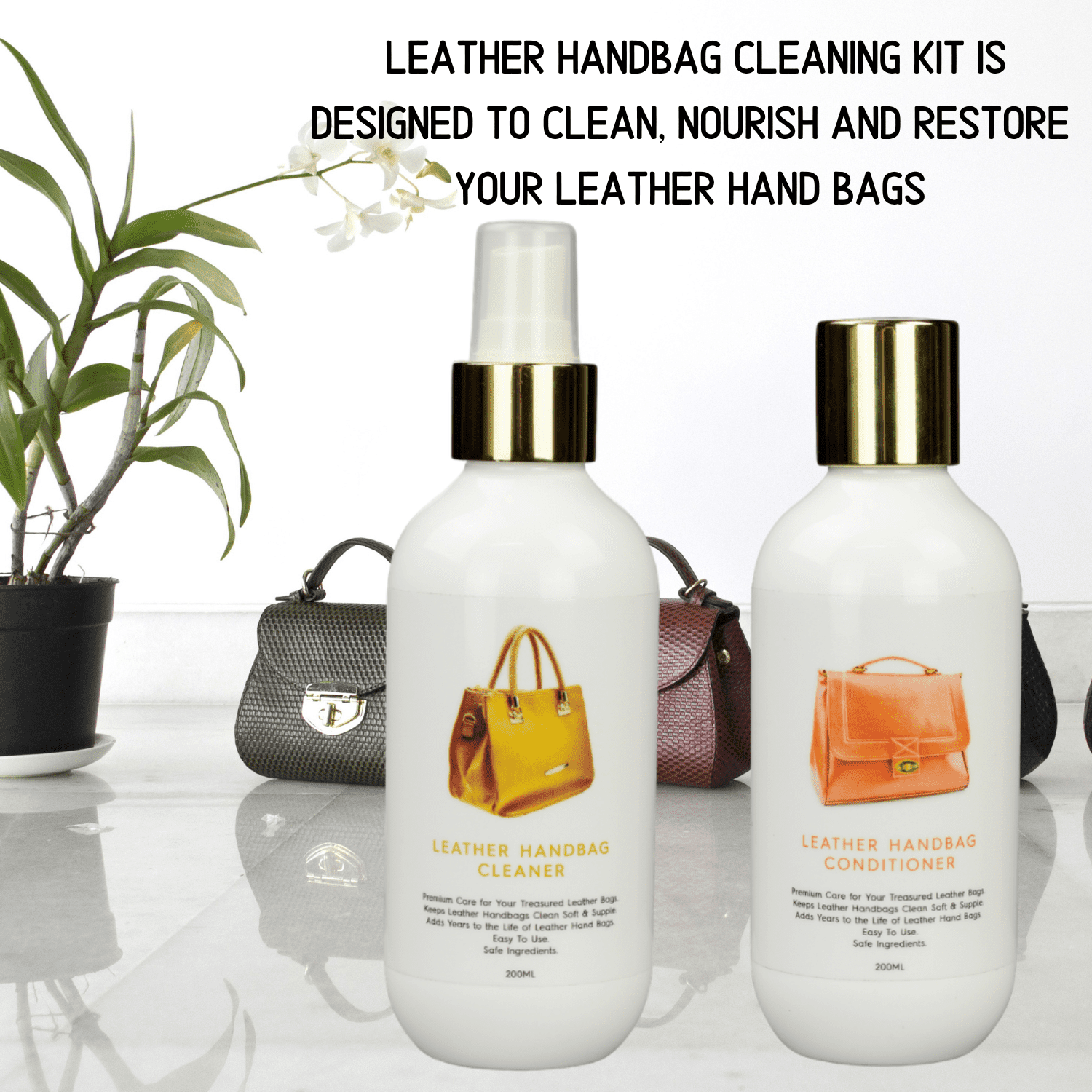
Not all leather care products are created equal for tropical humidity. Here are specific recommendations:
This sounds like a lot, but consider: professional leather restoration for mold damage costs RM 300–600 per bag. If you own even two authentic leather bags (average value RM 1,800–3,500 each from Amaboxly), you’re protecting RM 3,600–7,000 in assets. The preventative care ROI is 70–80% cost savings versus restoration.
Here’s what most people don’t realize: authentic leather’s response to humidity is predictable and manageable. Counterfeit leather? Completely unpredictable. You might get lucky, or your bag may deteriorate in weeks.
Why authentic leather performs better:
This is why Amaboxly’s sourcing matters: every bag is sourced directly from official brand stores in the USA and Europe—never from grey markets. You get the original store receipt proving authenticity, confirming your leather meets manufacturer quality standards. When you browse authentic bags at amaboxly.com, you’re not just buying luxury—you’re buying leather engineered to respond correctly to tropical climate care. Confirmed authentic, no guessing games.
Sometimes DIY care isn’t enough. Seek professional leather restoration when:
Professional restoration costs RM 300–600 depending on damage severity and bag size. Worth the investment for bags valued at RM 2,000+ if caught relatively early. Waiting too long means even professionals may not fully restore the bag.
Finding legitimate specialists: Look for leather restoration services in Bangsar, Pavilion KL, or Mid Valley areas—higher-end locations typically indicate experience with luxury bags. Ask to see before-and-after photos of Coach, Kate Spade, or similar brands they’ve restored. Be cautious if they can’t provide references.
Got questions about caring for your specific bag? Wondering if that spot on your Coach tote is mold? Not sure which conditioner to use for your Kate Spade leather? WhatsApp us at +16034409886. Our team knows these bags thoroughly—we source them directly from official brand stores—and we’ve helped thousands of Malaysian customers protect their investments in our tropical climate.
We’re not just about selling authentic designer bags—we’re about ensuring they last in our unique environment. Our community of 5,000+ Southeast Asian bag lovers shares tips constantly, and we want you to benefit from that collective knowledge.
Malaysia’s 80–90% humidity doesn’t have to damage your leather bags. The key is understanding that tropical climate care is fundamentally different from temperate climate care—and adjusting your routine accordingly. Store smart with proper ventilation and humidity control, maintain seasonal protocols, rotate your bags regularly, and invest in quality care products. The RM 150–300 you spend on preventative care protects thousands of ringgit in authentic designer bags.
And here’s what matters most: authentic leather sourced directly from official brand stores in the USA and Europe—like every bag you’ll find at amaboxly.com—is engineered to handle global climates when cared for correctly. That original store receipt isn’t just paperwork; it’s your assurance that you’re working with leather meeting manufacturer quality standards. In Malaysia’s challenging climate, that certainty is invaluable.
Your beautiful Coach tote, elegant Kate Spade crossbody, and versatile Fossil shoulder bag can all thrive in Malaysia’s humidity. You just need to give them the climate-smart care they deserve. Start today, and watch your investment bags serve you beautifully for years to come.
You can buy authentic designer in Malaysia through Amaboxly, a US personal shopper that sources directly from official designer outlet stores in the USA. Every item is 100% authentic with returns subject to the published damage-on-arrival policy.
Through Amaboxly, designer items are bought direct from US outlet stores, not local boutiques, and every price is shown in ringgit on the product page before you pay.
Yes. Amaboxly sources every product directly from official Coach, Kate Spade, Michael Kors, Fossil and Tory Burch outlet stores in the USA. All items are 100% authentic and are subject to the published damage-on-arrival returns policy.
Ready Stock Malaysia items are delivered in 3 to 5 business days. Pre-Order and Ready Stock USA items take about 30 days from the order date. Delivery is free within Peninsular Malaysia; international orders ship from the USA to most countries (not Israel or Russia), with the fee shown at checkout.
Yes. Amaboxly offers Buy Now Pay Later via GrabPay PayLater and SPayLater at checkout. The provider sets the terms and any fees, and shows them before you pay.

THE AMABOXLY EDIT
New arrivals, restocks and selected finds from Amaboxly.
THE AMABOXLY EDIT
New arrivals, restocks and selected finds will reach your inbox.