


- The Malaysian Climate: Your Bag’s Worst Enemy
- Leather Bag Care in Tropical Heat
- Canvas and Nylon Care (Different Rules Apply)
- The 10 Essential Care Tips
- Monsoon Season Storage That Actually Works
- 5 Common Mistakes That Destroy Designer Bags
- Recommended Care Products
- Bags Worth Protecting
- Frequently Asked Questions
I ruined my first designer bag within three months of buying it.
It was a beautiful camel-coloured leather crossbody. I treated it like any other bag — tossed it on the car seat, left it in the boot during lunch, hung it on the bathroom door while showering. By month two, the leather had dark water spots that wouldn’t wipe off. By month three, I noticed the faintest trace of mould on the inner lining.
That bag cost me RM600. The mould cost me my pride.
The thing is, nobody tells you that living in Malaysia means you need to treat your bags differently. International fashion blogs write care guides assuming you live in a place with 40% humidity and four distinct seasons. We live in a place where the air itself is wet, where afternoon thunderstorms appear from nowhere, and where your car boot can hit 60 degrees Celsius while you’re eating nasi lemak at the mamak.
After that expensive lesson, I went deep. Talked to leather restoration specialists in KL, read material science studies, tested products on my own bags for over two years. What I found is that caring for designer bags in Malaysia isn’t hard — it’s just different from what most guides teach you.
The Malaysian Climate: Your Bag’s Worst Enemy
Before we talk solutions, let’s understand the problem. Malaysia’s climate attacks your bags on three fronts simultaneously, and each one compounds the others.
Humidity: The Silent Killer
Malaysia averages 70-90% relative humidity year-round. For context, the ideal storage humidity for leather goods is 40-55%. We’re literally living in conditions that leather conservators would call “high risk.”
Here’s what humidity does to your bags over time. Leather absorbs moisture from the air, causing it to swell subtly. When it dries in your air-conditioned office, it contracts. This expand-contract cycle — happening daily if you commute between outdoor heat and indoor AC — weakens leather fibres over months. The result? Cracking, peeling, and that stiff, dried-out feeling that makes a one-year-old bag look five years old.
Canvas and fabric linings are even more vulnerable. Trapped moisture breeds mould and mildew, especially in pockets and seams where airflow is zero. That musty smell that sometimes develops inside a bag? That’s mould you can’t see yet.
Rain: The Obvious Threat Nobody Prepares For
Every Malaysian knows the drill. You park at Pavilion, the sky is clear. Two hours later, you walk out to a monsoon. Your bag gets drenched in the 30-second sprint to the car.
Water itself isn’t the enemy — it’s water sitting on leather for extended periods. Twenty seconds of rain wiped off immediately? No damage. Twenty minutes of rain left to air-dry without treatment? Permanent water spots and potential leather warping.
Heat: The Accelerant
A parked car in Malaysian sun can exceed 60 degrees Celsius inside. That kind of heat dries out leather conditioners and protective coatings, cracks adhesives, warps structured bags, and causes colour transfer between materials. I’ve seen a black bag bleed onto a white car seat — and a white car seat bleed onto a light-coloured bag — all because of heat.
Leather Bag Care in Tropical Heat
Different leathers need different care. Here’s what works for the types you’ll find in Coach, Kate Spade, Michael Kors, and Fossil bags.
Pebbled and Crossgrain Leather
This is the most common leather in accessible luxury bags — think Coach crossbodies and MK Jet Set bags. The textured surface is actually your friend in Malaysian weather because the grain pattern hides minor water spots and resists scratching better than smooth leather.
Care routine: Wipe down with a slightly damp microfibre cloth every week. Apply leather conditioner once a month — not more. Over-conditioning in humid climates can make leather too soft and prone to sagging. Look for conditioners with humidity-blocking properties rather than heavy moisturisers. Your leather is getting plenty of moisture from the air already.
Smooth and Saffiano Leather
Saffiano (that fine crosshatch pattern on many Michael Kors bags) is among the most weather-resistant leathers. The heat-stamp treatment that creates the pattern also seals the surface, making it naturally water-resistant. Smooth leather, on the other hand, shows every water spot and scratch.
Care routine: Saffiano needs minimal maintenance — a wipe-down every two weeks is plenty. For smooth leather, apply a protective spray (specifically a water-repellent spray for leather) before its first outing and reapply monthly. Always test sprays on an inconspicuous spot first.
Quilted Leather
Quilted bags like the MK Soho Quilted Shoulder Bag need extra attention at the stitch lines. Water and dirt collect in the quilting grooves. Use a soft-bristled toothbrush (a clean, dry one dedicated for this purpose) to gently brush along the quilting channels every two weeks. Condition the raised leather panels, not the stitching — conditioner on thread can weaken it over time.
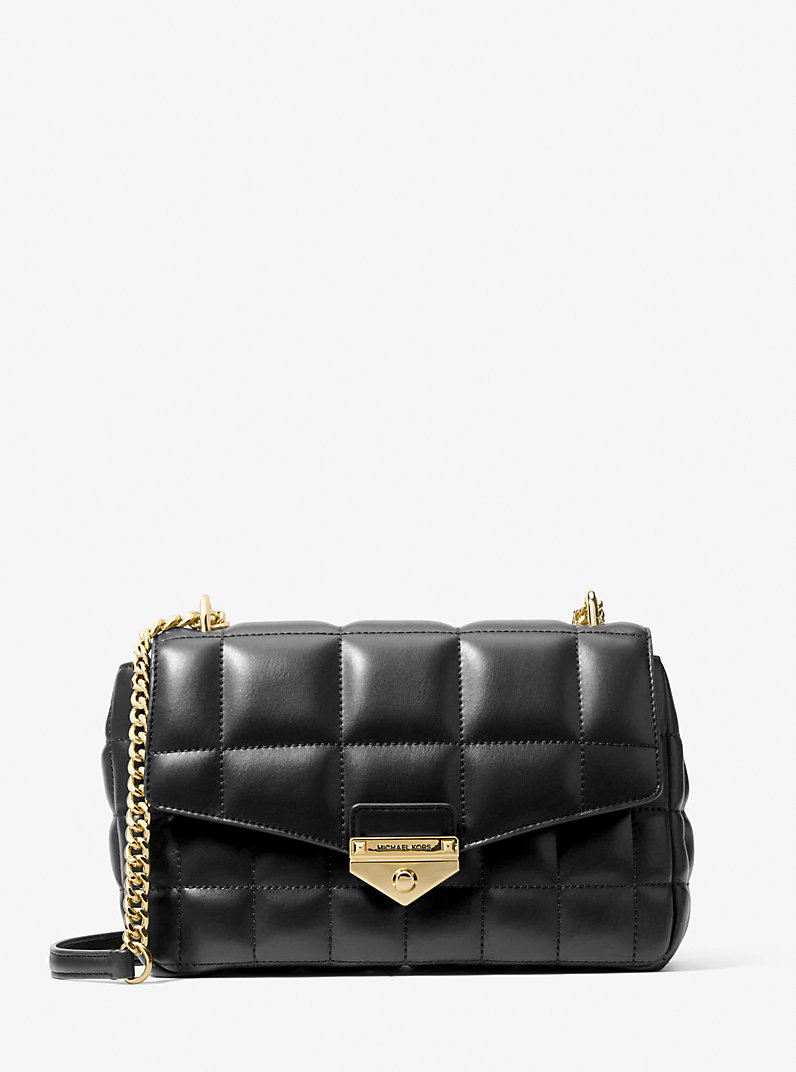
MK Soho Large Quilted Shoulder Bag — RM629
Quilted leather bags like the Soho need special care in humid climates. The stitching channels can trap moisture. With proper care — gentle brushing and targeted conditioning — quilted leather develops a gorgeous soft patina that gets better with age.
Canvas and Nylon Care (Different Rules Apply)
Not every designer bag is leather, and that’s actually an advantage in Malaysia. Coated canvas and nylon are inherently more humidity-resistant. But they have their own vulnerabilities.
Coated Canvas (Signature Prints)
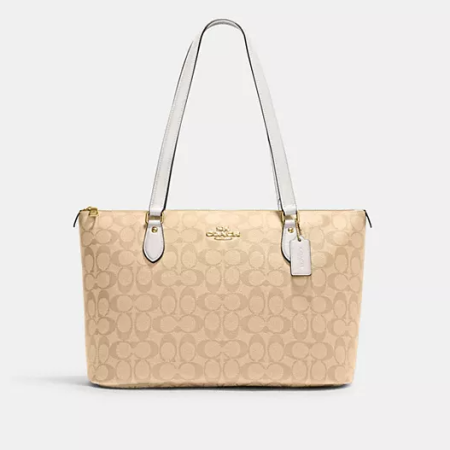
Coach’s signature C canvas, MK monogram canvas — these are coated with a protective layer that repels water effectively. The risk isn’t moisture damage; it’s colour fading from UV exposure and the coating cracking over time from heat.
Care routine: Keep out of direct sunlight when storing. Clean with a damp cloth and mild soap (baby soap works perfectly). Never use alcohol-based cleaners — they strip the coating. Store in dust bags away from direct light. The coating lasts years with basic care but is irreparable once cracked.
Nylon
Nylon bags are the most weather-proof option for Malaysian life. They shrug off rain, resist mould, and clean easily. The downside is they can develop a slight odour if stored damp. Always ensure nylon bags are completely dry before storing them.
Care routine: Machine-washable? Check your specific bag’s care tag, but most nylon bags can handle a gentle hand-wash in cool water with mild detergent. Air dry completely — never put designer nylon in a dryer. The heat can warp structural elements and melt adhesives.
The 10 Essential Care Tips for Malaysian Bag Owners
Here’s the core of this guide — ten habits that protect your investment. None of these take more than two minutes. All of them make a real difference.
Tip 1: The “Car Boot” Rule — Never Leave Your Bag There
I cannot stress this enough. Your car boot is an oven. It regularly hits 50-65 degrees Celsius in Malaysian sun. Twenty minutes in there can warp a structured bag permanently. Leather dries and cracks. Adhesives soften. Hardware gets hot enough to leave burn marks on leather if it shifts during driving.
What to do instead: Bring your bag inside. If you must leave it in the car briefly, put it on the floor of the backseat (cooler, shaded) with a light cloth over it. Never the boot. Never the dashboard.
Tip 2: Silica Gel Is Your Best Friend
Those little packets that come in shoe boxes and electronics? Save every single one of them. Toss two or three silica gel packets inside each stored bag. They absorb excess moisture from the air inside the bag, preventing that musty smell and — more importantly — stopping mould before it starts.
You can buy bulk silica gel packets from Shopee or Lazada for under RM15 for a pack of 50. Replace them every 2-3 months, or reactivate them by baking in the oven at 120 degrees Celsius for two hours. This one tip alone has saved more bags than anything else I recommend.
Tip 3: Stuff Your Bags When Not in Use
Empty bags collapse. Collapsed bags develop creases. Creases in leather become permanent wrinkles that no amount of conditioning will remove. Stuffing your bags maintains their shape during storage.
What to use: Acid-free tissue paper is ideal. Regular tissue paper works fine for most bags. Avoid newspaper — the ink transfers. Avoid bubble wrap — it traps moisture. Some people use old T-shirts, which works in a pinch, but fabric can hold humidity. Tissue paper is best because it absorbs moisture while maintaining shape.
Tip 4: Use the Dust Bag. Always.
Every designer bag comes with a dust bag for a reason. In Malaysia’s climate, the dust bag serves double duty: it protects against dust and provides a breathable barrier that prevents colour transfer from other bags stored nearby.
Critical detail: Never store bags in plastic bags or sealed containers. Plastic traps humidity inside, creating a perfect mould incubator. The dust bag breathes. Plastic doesn’t. I’ve seen bags stored in plastic develop visible mould in as little as three weeks during monsoon season.
Tip 5: Rotate Your Bags Weekly
Using the same bag every day in Malaysian weather accelerates wear unevenly. The strap wears thin from daily shoulder friction. The bottom leather darkens from contact with surfaces. Sweat from your body transfers oils and moisture to specific spots.
Rotating between two or three bags gives each one time to air out and “rest.” This isn’t just fashion advice — leather needs recovery time from humidity and body heat. A bag that rests for a few days between uses will last dramatically longer than one used daily without breaks.
Tip 6: Wipe Down After Every Rainy Commute
Got caught in the rain? It happens to all of us — this is Malaysia, after all. The moment you’re indoors, take 30 seconds to pat your bag dry with a clean, absorbent cloth. Don’t rub. Pat. Rubbing can push water deeper into the leather grain.
If the bag is thoroughly soaked, stuff it with tissue paper immediately — this pulls moisture from the inside — and let it dry naturally in an air-conditioned room. Never use a hair dryer or place it near a heater. Rapid drying causes leather to crack and warp.
Tip 7: Condition Leather Sparingly — Once a Month Maximum
Here’s where most international care guides get it wrong for our climate. They recommend conditioning leather every two weeks. In Malaysia, that’s too much. Our ambient humidity already provides significant moisture to leather. Over-conditioning makes leather soggy, limp, and prone to mould.
Once a month during normal weather. Skip a month during monsoon season if you notice the leather feels adequately supple. The goal is to maintain the leather’s natural oils and flexibility without adding excess moisture to an already humid environment.
Tip 8: Clean Hardware Separately From Leather
Metal hardware on bags — zippers, clasps, chain straps — can tarnish in humid air. Gold-tone hardware is more resistant, but even it can develop a dull film over time. Clean hardware with a dry microfibre cloth. For stubborn tarnish, a tiny dab of metal polish on a cotton bud works — but keep the polish strictly on the metal. Leather conditioner and metal polish do not mix.
Chain straps, like the one on the MK Soho Quilted, need special attention at each link joint. Humidity causes microscopic corrosion between links that shows up as dark spots over months. Run a dry cloth through the chain weekly.
Tip 9: Apply Protective Spray Before First Use
Think of leather protector spray as sunscreen for your bag. Apply it to new bags before their first outing. The spray creates an invisible barrier that repels water and reduces stain absorption. This is especially critical for light-coloured bags — a cream Kate Spade crossbody without protective spray will show colour transfer from dark denim within a week of daily wear.
Product choice matters: Use a spray specifically formulated for leather goods, not a generic waterproofing spray. Generic sprays can alter leather colour and block the material from breathing. Spray in a well-ventilated area, hold the can 20-30cm from the bag, and apply in light, even passes. Let it dry completely before use.
Tip 10: Dehumidify Your Storage Space
This is the “level up” tip that most people skip, and it makes the biggest difference. If you store multiple bags in a wardrobe or dedicated shelf, the ambient humidity inside that enclosed space is likely higher than the room itself.
Place a rechargeable dehumidifier or a container of moisture-absorbing crystals (like Thirsty Hippo, available at any Mr. DIY for RM5-RM10) in your bag storage area. During monsoon season, these can pull out a surprising amount of moisture. One Thirsty Hippo box in a closed wardrobe will fill its water reservoir in two to three weeks during December-January. That’s moisture that would otherwise be sitting inside your bags.
Monsoon Season Storage That Actually Works
November to February is when bags are most vulnerable. Humidity spikes, rain is daily, and many of us cycle between fewer bags because we don’t want to risk the nice ones. But storing bags during monsoon season without proper precautions can do more damage than using them.
The Monsoon Storage Checklist
Before putting a bag away for monsoon season, follow this sequence:
- Clean the bag thoroughly. Wipe down all leather surfaces with a dry cloth. Clean the interior — turn it inside out if possible, shake out crumbs and debris. Any organic material left inside becomes mould food.
- Condition the leather lightly. Apply a thin layer of conditioner and let it absorb for 24 hours. This creates a protective barrier that helps leather resist humidity absorption during storage.
- Stuff firmly with acid-free tissue. Pack it full enough that the bag holds its original shape but isn’t bursting. Change the tissue paper mid-season (around January) if you’re storing from November onward.
- Add 2-3 fresh silica gel packets.
- Place in the dust bag. Tie it loosely — not sealed tight. Air needs to circulate.
- Store upright on a shelf. Never stack bags on top of each other. The weight causes permanent deformation and can scratch hardware.
Where to Store
The ideal spot is a shelf in an air-conditioned room, or at least a room with consistent airflow. Avoid storing bags in:
- Under the bed — poor airflow, dust accumulation, heat from floor
- Storerooms without AC — humidity can spike to 90%+ during monsoon
- Hanging from hooks — straps stretch under the bag’s own weight over weeks
- Near windows — UV damage and temperature fluctuations
I keep my bags on the top shelf of my wardrobe in the master bedroom, which is air-conditioned nightly. The cool, dry cycles from the AC help regulate humidity. A small Thirsty Hippo box sits next to them. Two years into this system, zero mould incidents.
5 Common Mistakes That Destroy Designer Bags
I’ve seen all of these. Most are done with good intentions. All of them cause damage.
Mistake 1: Using Baby Wipes as “Leather Cleaner”
Baby wipes contain alcohol and moisturising agents that strip leather’s natural protective coating. One wipe seems harmless. Regular use destroys the leather’s surface finish over months, causing it to look dull, feel sticky, and crack. Use a dedicated leather wipe or a barely-damp microfibre cloth instead.
Mistake 2: Spraying Perfume Near Your Bag
Perfume contains alcohol and oils that stain leather on contact. I’ve seen discoloured patches on bags from perfume overspray that no cleaner could remove. Apply perfume to your skin, let it dry for a full minute, then put on your bag. Or spray your wrists and neck — areas far from where the bag sits on your shoulder.
Mistake 3: Storing Bags in Original Shopping Bags (Plastic)
The glossy shopping bag your designer bag came in looks premium and feels like the “right” storage. It’s not. Those bags are often coated paper or thin plastic — neither breathes. Use the cloth dust bag only. If you lost the dust bag, a clean cotton pillowcase works perfectly.
Mistake 4: Putting Bags on the Floor
In Malaysian food courts, hawker centres, and even many offices, the floor is damp from mopping or rain tracked inside. Setting a leather bag on a wet floor, even briefly, can leave a permanent waterline on the bottom. Carry a bag hook or hang your bag from the chair back. Those foldable table bag hooks cost RM15-RM20 and are worth every sen.
Mistake 5: Ignoring the First Sign of Mould
If you notice a musty smell or tiny white/green spots inside your bag, act immediately. Mould spreads aggressively in our climate. Wipe the affected area with a cloth dampened with diluted white vinegar (equal parts vinegar and water), then dry thoroughly. Place the bag in front of a fan for several hours. Add fresh silica gel. If the mould has penetrated deep into the lining, take it to a professional leather cleaner — Leatheritup in KL does excellent restoration work.
Recommended Care Products
| Product | Purpose | Approx. Price (RM) | Where to Get |
|---|---|---|---|
| Silica Gel Packets (50 pcs) | Moisture absorption inside bags | RM12-RM18 | Shopee, Lazada, Mr. DIY |
| Thirsty Hippo Dehumidifier | Wardrobe/shelf moisture control | RM5-RM10 per box | Mr. DIY, Watsons, Guardian |
| Leather Conditioner (Cadillac Boot & Shoe) | Monthly leather conditioning | RM35-RM50 | Shopee, specialty stores |
| Leather Protector Spray (Collonil Waterstop) | Water-repellent barrier | RM45-RM70 | Shopee, Lazada |
| Microfibre Cloths (5 pack) | Wiping, drying, polishing | RM8-RM15 | Mr. DIY, Daiso, Shopee |
| Acid-Free Tissue Paper | Stuffing bags for storage | RM10-RM20 per pack | Art Friend, Shopee |
| Foldable Bag Hook | Keep bags off floors | RM15-RM25 | Shopee, Daiso |
Total investment for all seven items: roughly RM130-RM210. That’s the cost of protecting bags worth thousands of ringgit combined. The maths speaks for itself.
Bags Worth Protecting
Here are some of the most popular bags from Amaboxly’s collection and specific care notes for each material type.
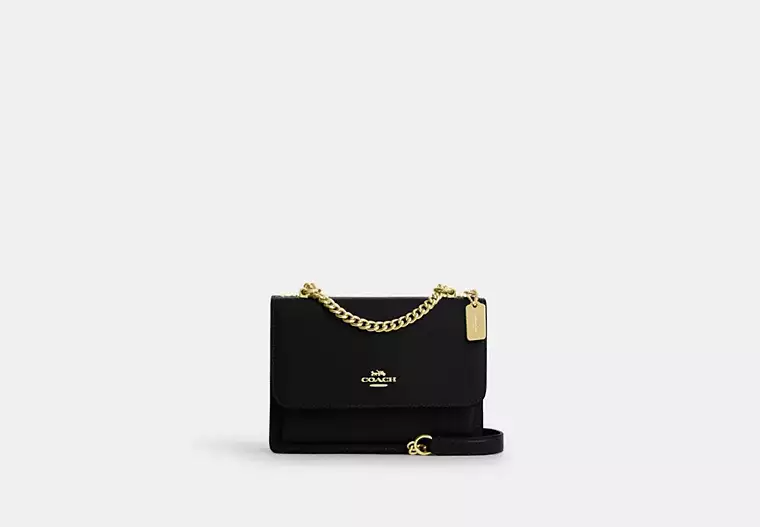
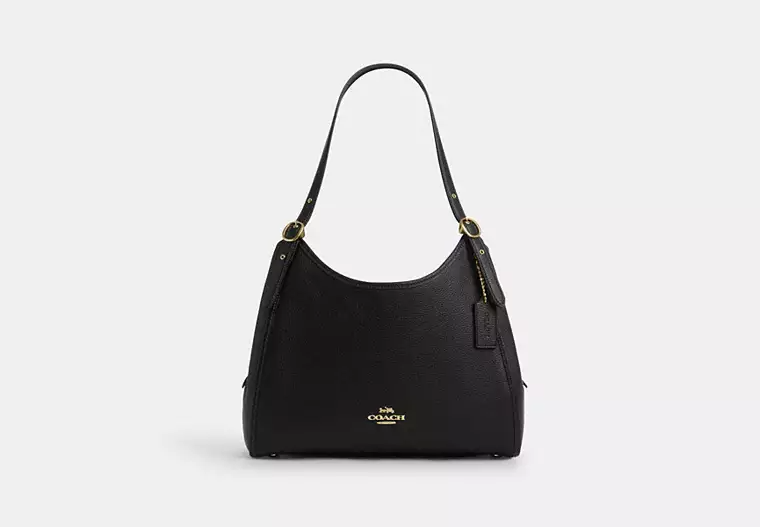
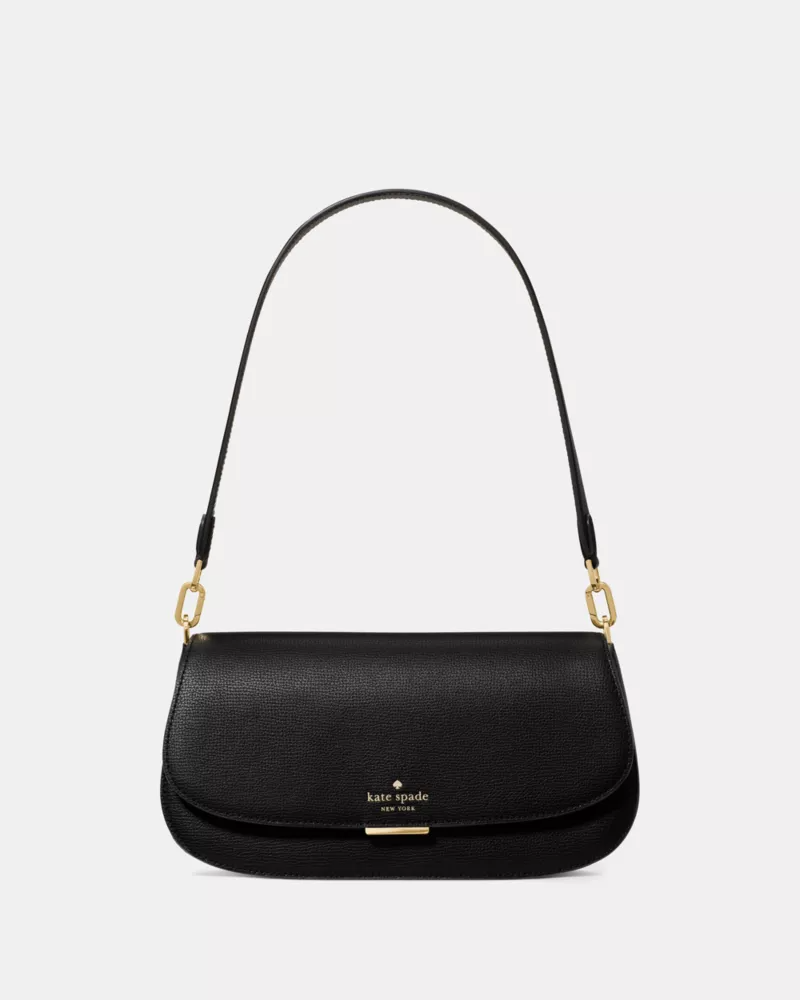
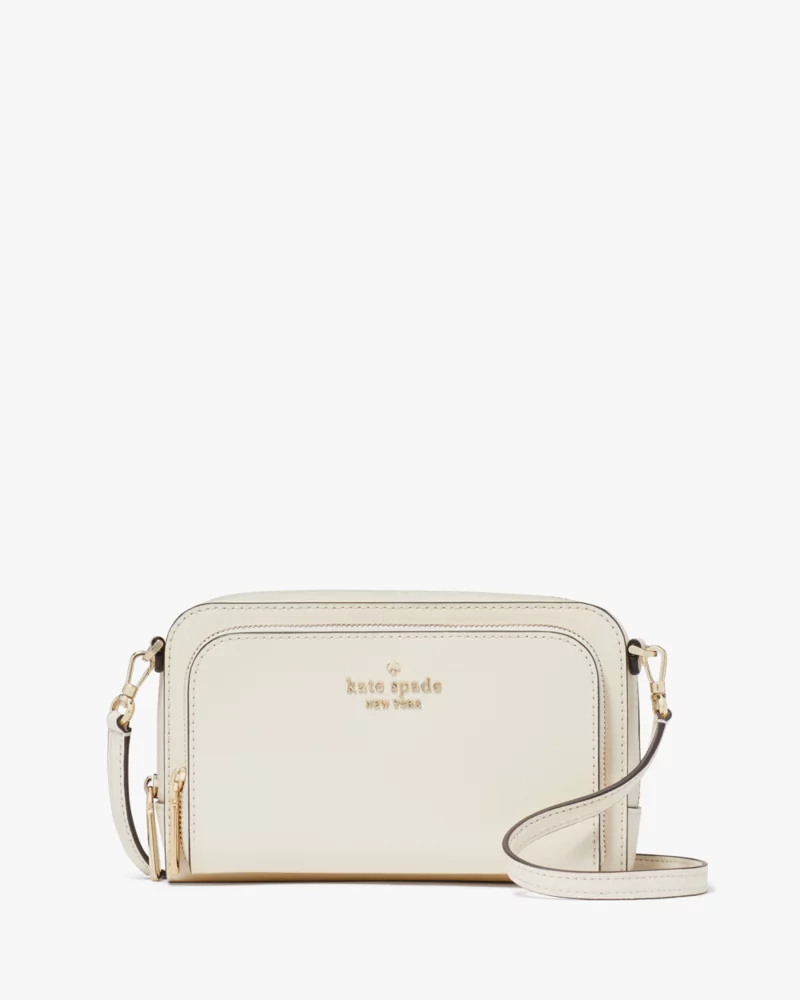
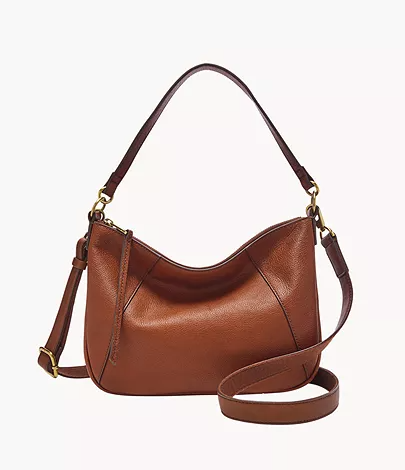
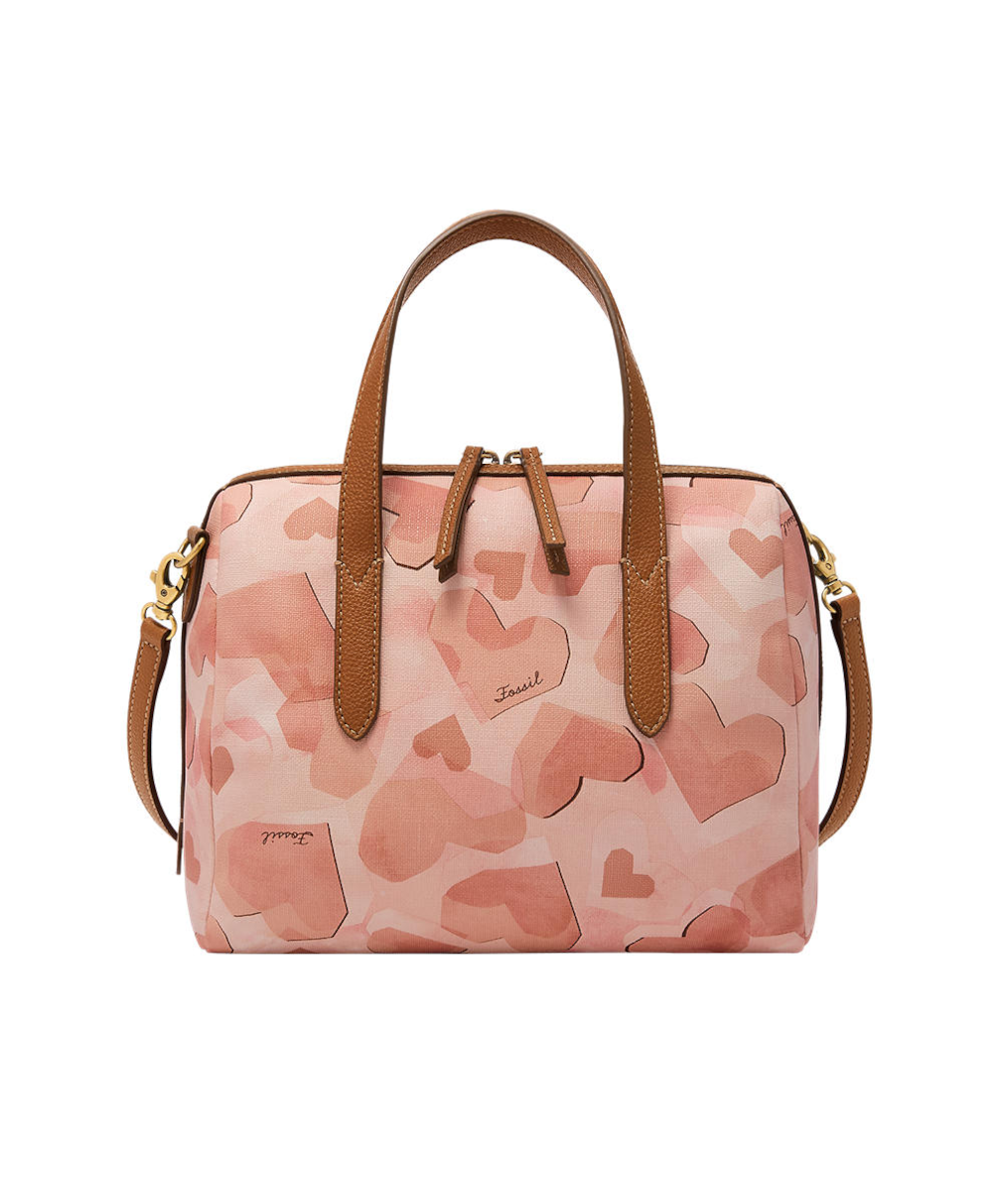
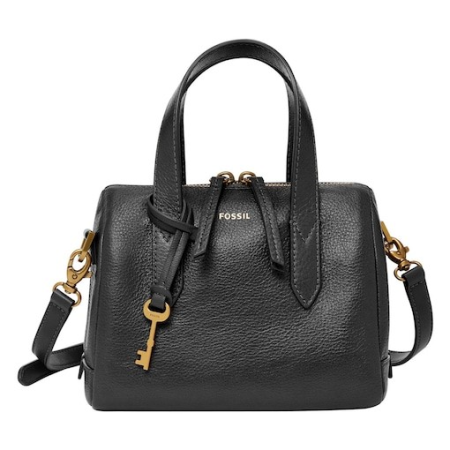
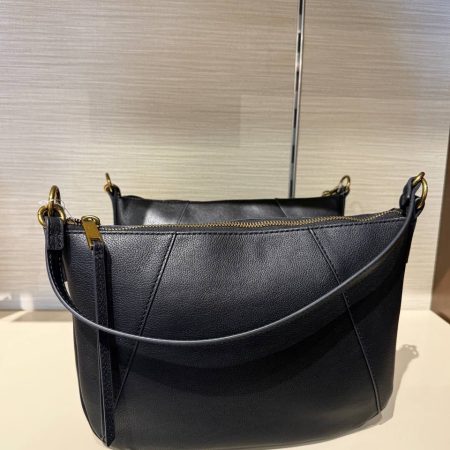
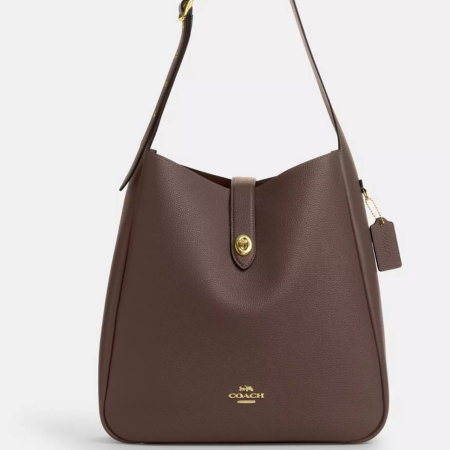
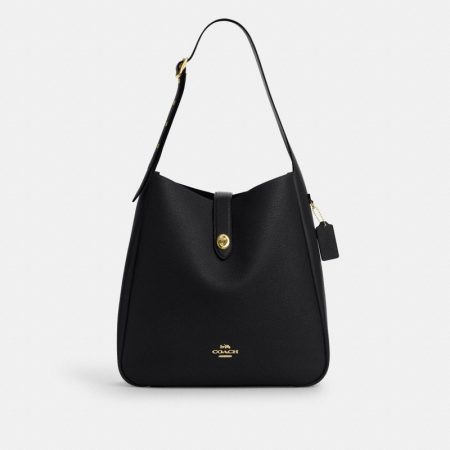
Leather bags (Coach Mini Klare, Coach Erin, Kate Spade Quinn, Fossil Skylar, Fossil Sydney): Monthly conditioning, protective spray before first use, silica gel in storage. These develop beautiful patina over time if properly cared for.
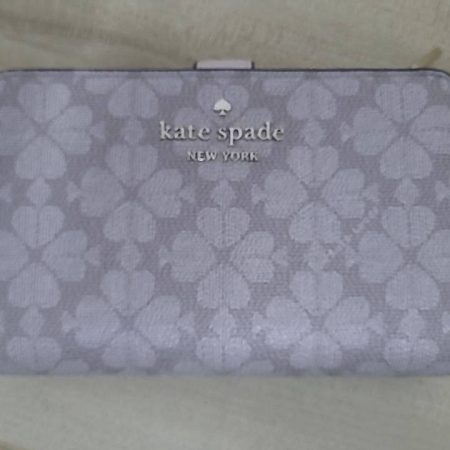
Mixed material bags (Kate Spade Staci): Clean leather trim and fabric body separately. Don’t let leather conditioner touch fabric — it can stain. Fabric portions dry faster but can trap odours if not aired out.
For more options across all brands, check the full Amaboxly shop and our blog for more care and style guides.
Related reading: How to Store Designer Bags Properly — another popular guide from our collection.
Untuk lebih banyak pilihan, baca panduan kami: Macam Mana Nak Jaga Beg Branded.
Related: Designer Bag Trends 2026: Southeast Asia