


- The Pricing Reality Most Malaysians Don’t Know
- Retail Boutiques: What You’re Really Paying For
- US Outlets: The Source of the Best Deals
- Online Resellers: Navigating the Minefield
- The Full Price Comparison Table
- How Amaboxly Bridges the Outlet Gap
- The Counterfeit Trap: Why “Too Cheap” Is a Red Flag
- When to Buy: Timing Your Purchase Right
- Smart Buys Across Every Budget
- Frequently Asked Questions
Last year, a friend showed me a Coach Teri shoulder bag she bought at the Pavilion boutique. Beautiful bag. RM1,450. She was thrilled with it.
I didn’t have the heart to tell her I’d bought the same bag — same model, same colour, 100% authentic — for RM589 through an outlet source. That’s a 59% difference. Not 10%. Not 20%. Nearly sixty percent.
This isn’t a rare case. It’s the norm. The gap between what Malaysians pay at retail boutiques and what the same authentic bags cost through US outlet channels is enormous. And most shoppers have no idea it exists because nobody explains the supply chain clearly.
Today, I’m going to explain it. Every channel — retail boutiques, factory outlets, US premium outlets, online marketplaces, and specialist resellers like Amaboxly — has different economics. Understanding those economics is the difference between paying RM1,400 for a bag and paying RM500 for the exact same thing.
The Pricing Reality Most Malaysians Don’t Know
Here’s something the fashion industry doesn’t advertise: the retail price you see on a tag in a Malaysian boutique is the highest possible price that bag will ever sell for, anywhere in the world. It includes the brand’s margin, the distributor’s margin, import duties, GST (now SST), rental costs for prime mall locations, and staffing for that premium in-store experience.
Every single one of those costs gets passed to you. When you walk into Coach at Pavilion KL or Kate Spade at Mid Valley, you’re not just buying a bag. You’re paying for the marble floors, the air conditioning, the sales associate’s commission, the brand’s Southeast Asian marketing budget, and the distributor’s profit margin. Those costs can add 80-150% to the base manufacturing and brand cost of the bag.
The Three-Tier Pricing System
Most accessible luxury brands — Coach, Kate Spade, Michael Kors, Fossil, Marc Jacobs — operate on a three-tier pricing system that looks something like this:
Tier 1: Full Retail — This is the price in brand boutiques and department stores. It’s the manufacturer’s suggested retail price (MSRP) plus local markups. In Malaysia, retail prices are typically 20-40% higher than the same MSRP in the US due to import costs and distributor margins.
Tier 2: Outlet — US premium outlets (like Woodbury Common, Camarillo, Orlando) sell the same brands at 40-70% off retail. Some items are made-for-outlet (MFO), which are produced at lower cost specifically for outlet stores. Others are mainline products that didn’t sell through at retail. Both are 100% authentic and made by the brand.
Tier 3: Deep Discount — End-of-season clearances, flash sales, and authorised online discount channels push prices even lower. These windows are brief and inventory is limited, but they represent the absolute floor for authentic pricing.
The problem for Malaysian shoppers? Tier 2 and Tier 3 pricing barely exists here. We have a few outlet malls — Genting Highlands Premium Outlets, Johor Premium Outlets — but their prices are still significantly higher than US outlets because they carry the Malaysian distributor markup. The real deals happen in the US, and most Malaysians don’t have direct access to them.
Retail Boutiques: What You’re Really Paying For
Let me be clear: there’s nothing wrong with buying from a retail boutique. The experience is lovely. The service is attentive. You can touch the bag, try it on, see how it looks in person. For many people, that’s worth paying extra.
But you should know exactly how much extra you’re paying.
Malaysian Retail Pricing Breakdown
When a Coach bag retails for USD 350 in the US, here’s what happens by the time it reaches a Malaysian boutique:
- US Retail Price: USD 350 (~RM 1,540 at current rates)
- Import duty and freight: +8-12%
- Malaysian distributor margin: +25-40%
- Boutique operational costs: Built into final price
- SST: +8%
- Final Malaysian retail price: RM 1,800-2,200
That same bag at a US outlet? USD 150-180, which converts to roughly RM 660-790. Even after you factor in international shipping, it’s dramatically cheaper.
The Retail Experience Premium
What you do get from retail that you can’t get elsewhere:
- Instant gratification. Walk in, buy, walk out with the bag. No waiting for shipping.
- Try before you buy. Size, colour, weight, how it sits on your shoulder — you can assess all of this in person.
- Full warranty. Direct brand warranty, serviced locally.
- Packaging. Full brand packaging — box, tissue, ribbon, shopping bag.
- Current season stock. Retail gets new collections first.
The question is whether those benefits are worth RM500-1,000 extra per bag. For most people reading this article, the answer is probably no.
Department Stores: Slightly Better, But Not By Much
Parkson, Isetan, and similar department stores occasionally offer discounts during member sales events — typically 10-20% off. During major sales (Hari Raya, Year-End), discounts can reach 30%. But even at 30% off, the department store price is usually still higher than US outlet pricing.
A Kate Spade crossbody that retails at RM899 in the boutique might drop to RM629 during a department store sale. That same bag from a US outlet channel? RM319-399.
US Outlets: The Source of the Best Deals
If you’ve ever visited a US premium outlet mall, you already know the secret. The prices at places like Woodbury Common (New York), Camarillo (California), Orlando (Florida), and Wrentham Village (Boston) are genuinely shocking if you’re used to Malaysian retail.
Why US Outlet Prices Are So Low
Several factors combine to create the outlet price advantage:
Made-for-Outlet (MFO) products: Brands like Coach, Kate Spade, and Michael Kors produce separate product lines specifically for their outlet stores. These bags use the same quality materials and construction standards but are designed to hit lower price points from the start. They’re not defective or second-quality — they’re simply engineered for a different market segment. Coach’s outlet line, for example, includes some of their most popular silhouettes and is manufactured to the same quality standards as the mainline collection.
Excess retail inventory: Bags that didn’t sell through during the retail season get moved to outlets. These are identical mainline products at 40-60% off the original retail price.
Lower operational costs: Outlet malls are located outside major cities, where rent is a fraction of what a Pavilion or KLCC boutique costs. Staff is leaner. Store design is simpler. All of those savings get passed to the consumer.
Volume strategy: Outlets move high volumes at lower margins. It’s a different business model from retail, where the goal is fewer sales at higher margins.
The Malaysian Outlet Problem
Malaysia has two premium outlet malls: Genting Highlands Premium Outlets (GPO) and Johor Premium Outlets (JPO). Both carry Coach, Kate Spade, Michael Kors, and other designer brands. But here’s the catch — the prices at GPO and JPO are outlet prices plus the Malaysian distributor markup.
A Coach crossbody that sells for USD 129 (RM567) at a US outlet might be priced at RM799-899 at GPO. You’re saving compared to the full retail price of RM1,200+, but you’re still paying 40-60% more than the US outlet price.
For shoppers who visit GPO or JPO, it’s a decent deal compared to retail. But it’s far from the best deal available.
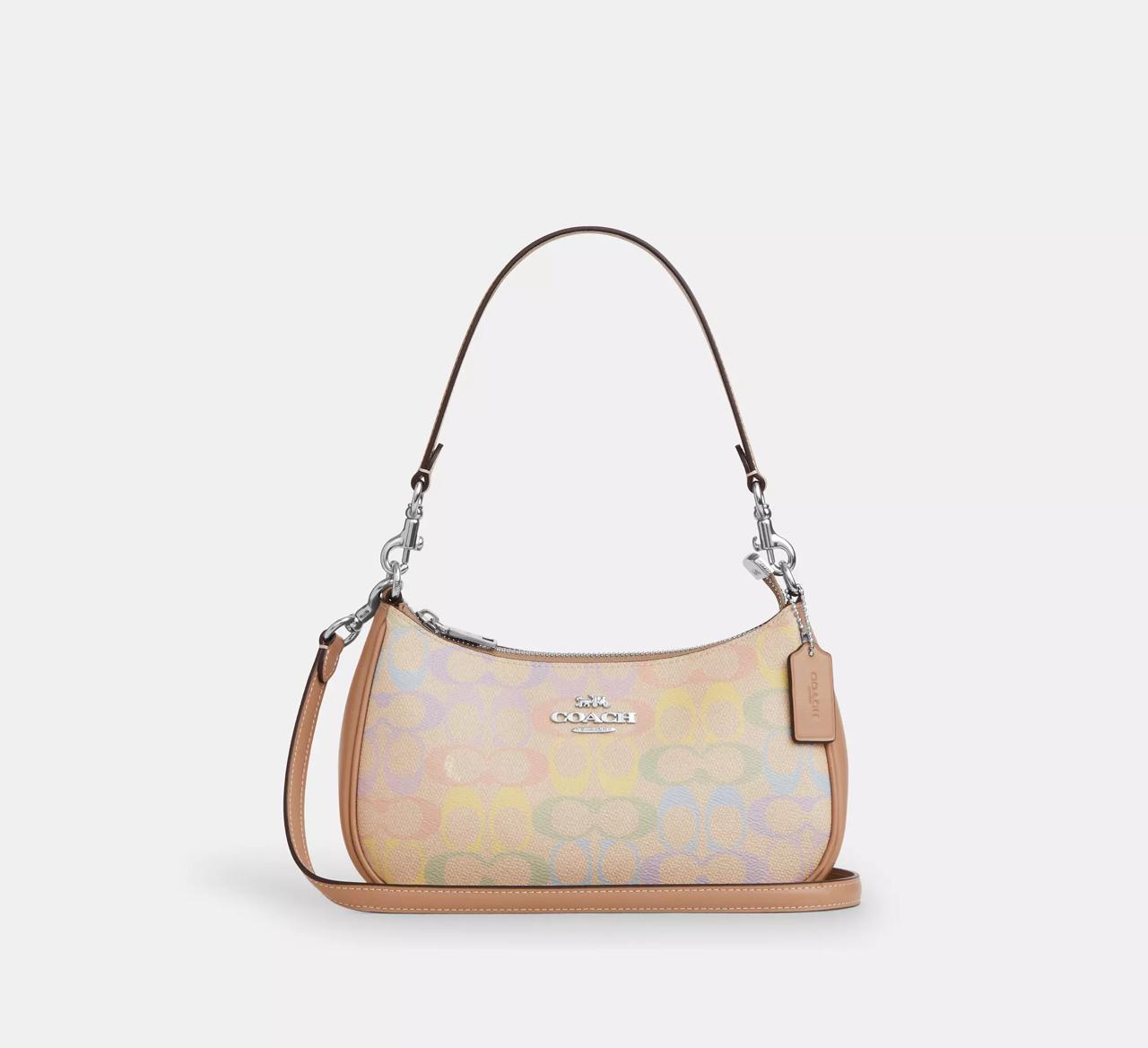
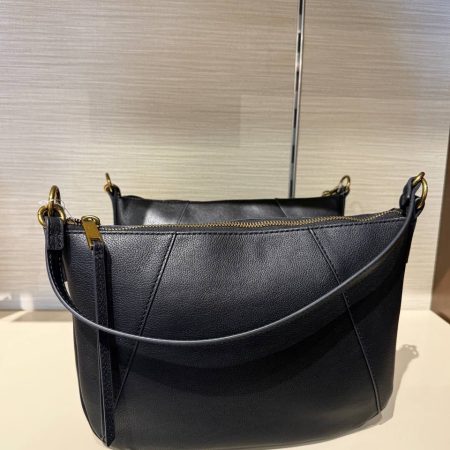
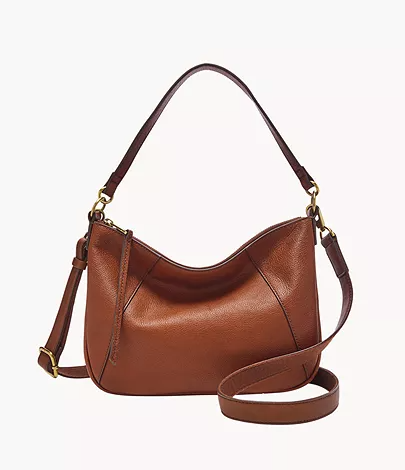
Coach Teri Shoulder Bag in Rainbow Signature Canvas — RM589
This bag retails for RM1,450+ in Malaysian boutiques. At Amaboxly, sourced directly from US outlets, it’s RM589 — a 59% saving. Same bag, same authenticity, different price because of a different supply chain.
Online Resellers: Navigating the Minefield
The online space is where things get complicated. There are legitimate resellers, grey market operators, and outright counterfeit sellers — and they all look the same on Instagram.
Category 1: Authorised Online Retailers
These are the safest options. Brands’ own websites (coach.com, katespade.com) occasionally offer online-exclusive discounts, but they ship to limited countries. Nordstrom, Macy’s, and other US department stores sell online at retail prices with periodic sales. The limitation? Most don’t ship to Malaysia, and when they do, you’re paying US retail plus international shipping plus import duties.
Category 2: Personal Shoppers and “Pre-order” Sellers
This is the largest category in Malaysia’s designer bag market. Hundreds of personal shoppers — operating primarily through Instagram, Shopee, and WhatsApp — buy bags at US outlets and resell them to Malaysian customers. Prices are typically 30-50% below Malaysian retail.
The problems with this channel:
- Authenticity risk. There’s no certification system. You’re trusting the seller’s word. Some are genuine. Some mix authentic bags with counterfeits.
- No recourse. If the bag is fake, what do you do? Filing a Shopee dispute over a RM400 bag is a frustrating, often futile process.
- Inconsistent pricing. Without standardised costs, the same bag can be RM399 from one seller and RM599 from another. The cheaper one might be authentic from a recent outlet trip. Or it might be a RM60 counterfeit from Guangzhou.
- Long wait times. Pre-order models mean you pay now and wait 2-6 weeks for delivery, depending on the seller’s shopping schedule.
Category 3: Specialist Resellers (Like Amaboxly)
This is where the value equation gets interesting. Specialist resellers like Amaboxly operate as proper businesses — registered, with consistent supply chains, clear return policies, and reputation stakes. They source directly from US outlets and authorised channels in bulk, which gives them better per-unit costs than individual personal shoppers.
The advantages of this model:
- Verified authenticity. Established businesses stake their reputation on every sale. Amaboxly, for example, sources every bag directly from US outlets and authorised retailers — with receipts, tags, and full documentation.
- Consistent pricing. Because they buy in volume and have established supply relationships, prices are stable and transparent.
- Real customer service. Returns, exchanges, and questions handled by actual people with response times measured in hours, not days.
- Ready stock. No pre-order waits. If it’s listed, it’s available for shipping.
Category 4: Marketplace Platforms (Shopee, Lazada)
Both platforms have designer bag sellers ranging from fully legitimate to openly counterfeit. The platform’s authentication measures are minimal. Unless the seller has a strong track record (thousands of reviews, Shopee Mall status, or brand authorisation), buying designer bags on these platforms is a gamble.
The appeal is clear — prices are low, there are frequent voucher promotions, and the return policy provides some protection. But when a “Coach” bag is listed at RM89, you’re not getting a deal. You’re getting a counterfeit.
The Full Price Comparison Table
Here’s what I compiled after months of tracking prices across all channels. These are real prices from late 2025 through early 2026, for bags that are available across multiple channels simultaneously.
| Bag | MY Retail | MY Outlet (GPO/JPO) | US Outlet Price | Amaboxly Price | Savings vs Retail |
|---|---|---|---|---|---|
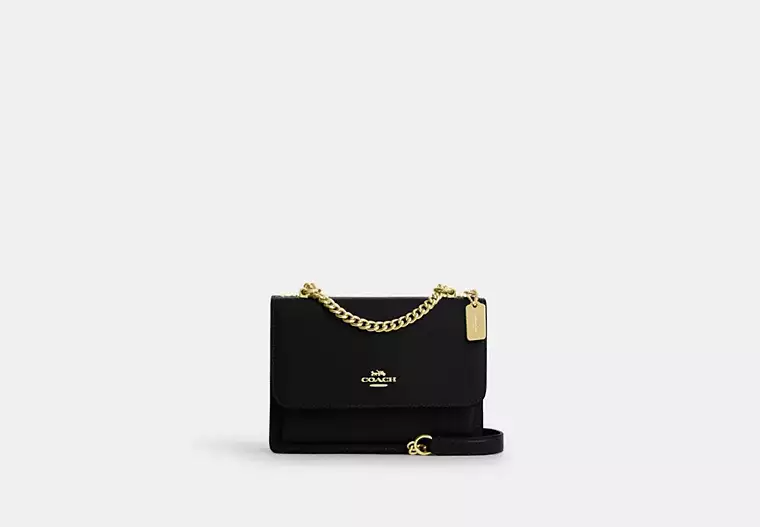
| Coach Mini Klare Crossbody | RM1,250 | RM899 | ~RM480 | RM629 | 50% |
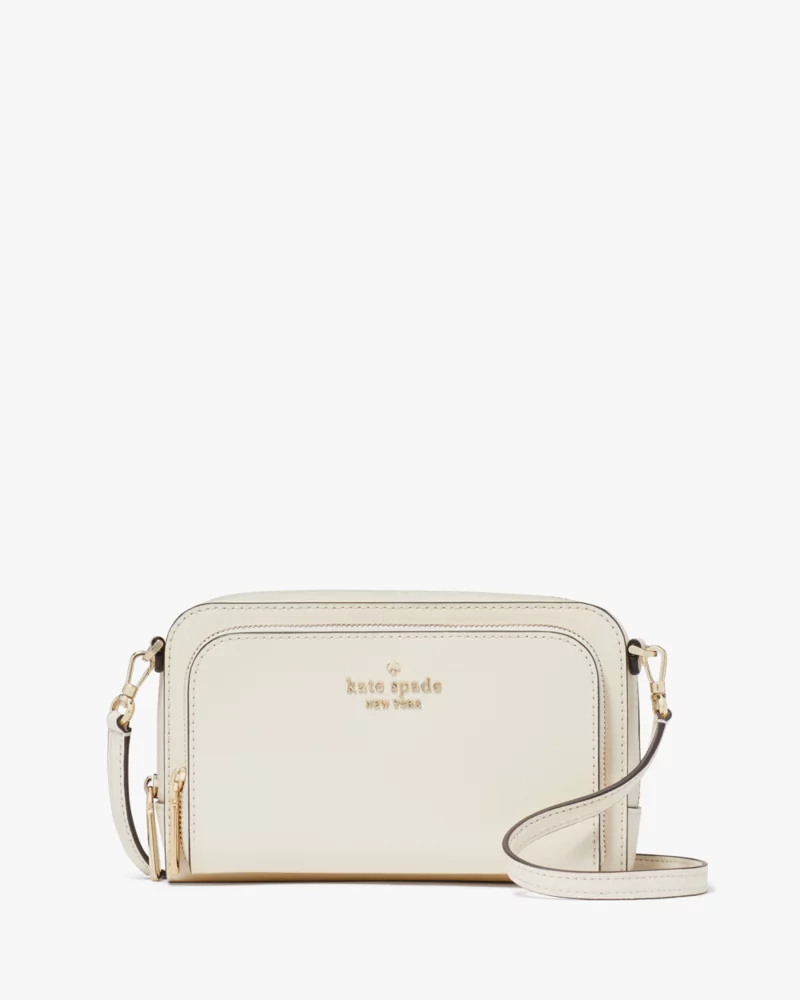
| Kate Spade Staci Mini Crossbody | RM750 | RM549 | ~RM240 | RM319 | 57% |
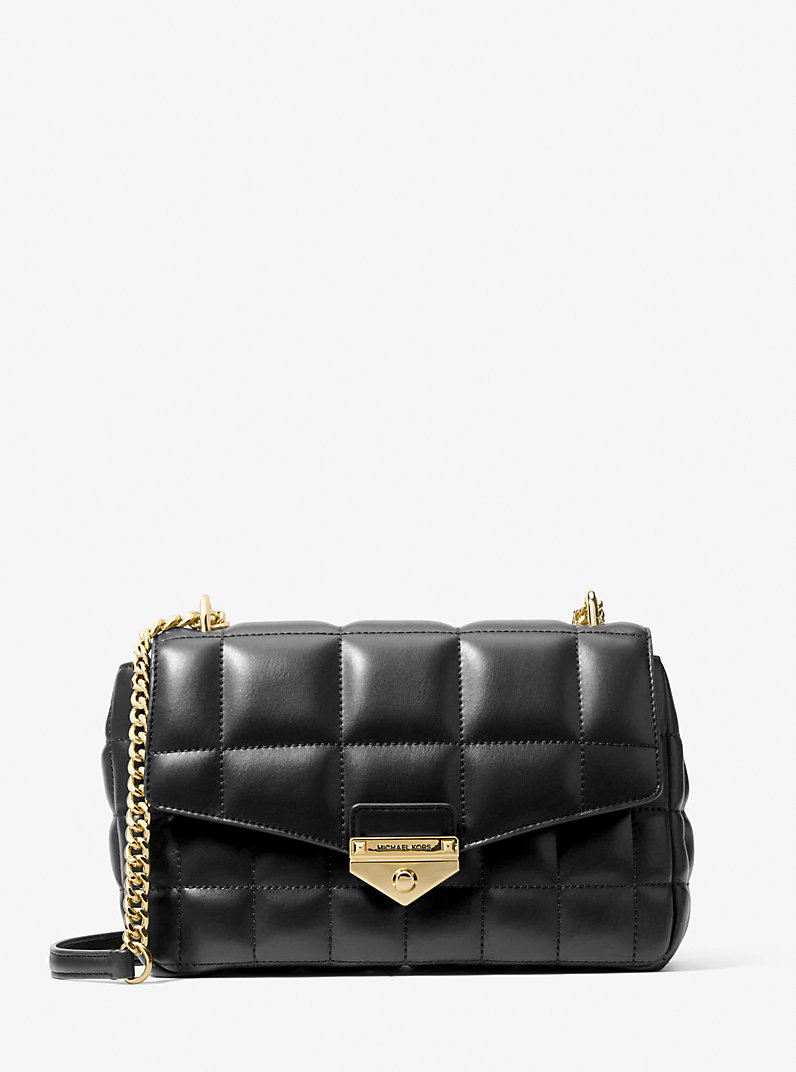
| MK Soho Large Quilted Shoulder | RM1,450 | RM999 | ~RM490 | RM629 | 57% |
| Fossil Skylar Crossbody | RM599 | RM449 | ~RM180 | RM259 | 57% |
| Coach Erin Shoulder Bag | RM1,100 | RM799 | ~RM360 | RM469 | 57% |
| Kate Spade Quinn Shoulder Bag | RM1,150 | RM849 | ~RM390 | RM509 | 56% |
| Marc Jacobs Nylon Messenger | RM890 | N/A | ~RM350 | RM459 | 48% |
| MK Carson Medium Satchel | RM1,350 | RM949 | ~RM440 | RM569 | 58% |
Look at the “Savings vs Retail” column. It’s consistently 48-58%. That’s not a sale. That’s a structural price difference built into the supply chain. You don’t have to wait for a promotion or a clearance event. You don’t have to haggle. The price advantage exists every single day because the sourcing model is fundamentally different.
How Amaboxly Bridges the Outlet Gap
Here’s the business model in plain language, because I think transparency matters more than marketing speak.
Amaboxly buys directly from US outlet stores and authorised retail channels. Every bag comes with original tags, care cards, and documentation. Because they buy in volume and have established relationships with US retailers, their per-unit cost is lower than what an individual personal shopper would pay on a one-off outlet trip.
The bags ship from the US to Malaysia. Amaboxly handles all import logistics, customs clearance, and duties — costs that are baked into the listed price. There are no hidden fees at checkout. The price you see on the website is the price you pay.
Why It’s Cheaper Than Retail But More Than US Outlet Price
You’ll notice from the table above that Amaboxly’s prices are higher than raw US outlet prices but dramatically lower than Malaysian retail. The gap accounts for international shipping, import duties, business operating costs, and a fair profit margin. That’s the honest breakdown.
The value proposition isn’t “cheapest possible price” — it’s “US outlet pricing, accessible from Malaysia, with authenticity guaranteed and no hassle.” You don’t need a US visa, a friend in America, or a personal shopper’s WhatsApp. You browse the website, pick a bag, and it arrives at your door.
What About Authenticity?
This is the question everyone asks, and it’s the right question. The answer is straightforward: every bag is purchased from authorised US retailers. Not from third-party marketplace sellers. Not from warehouses in China. From actual Coach outlets, Kate Spade outlets, Nordstrom Rack, and authorised department store clearance channels.
Each bag arrives with original tags, brand care cards, and in most cases, the original outlet receipt (available upon request). Amaboxly’s business model depends entirely on trust and repeat customers — selling even one counterfeit bag would destroy that trust and the business along with it.
The Counterfeit Trap: Why “Too Cheap” Is a Red Flag
I need to address this directly because it affects every budget-conscious shopper in Malaysia.
The counterfeit designer bag market is enormous — globally estimated at USD 600 billion annually. Malaysia is a significant consumer market for counterfeits, with fakes flowing in from manufacturing centres in China, primarily through online marketplaces and night markets.
How to Spot Pricing That’s Too Good to Be True
Here’s a practical rule: if a bag is priced below the US outlet price, it’s almost certainly counterfeit. No legitimate seller — not even the brand itself — sells below outlet pricing outside of extremely rare clearance events.
| Price Range | What You’re Likely Getting | Risk Level |
|---|---|---|
| Below RM100 | Counterfeit — guaranteed | Certain fake |
| RM100-200 | Almost certainly counterfeit for Coach/KS/MK | Very high risk |
| RM200-400 | Could be authentic outlet for Fossil; suspicious for Coach/KS/MK | Medium-high risk |
| RM400-700 | Realistic range for authentic outlet-sourced bags | Low risk (verify seller) |
| RM700+ | Authentic retail or outlet pricing for premium models | Low risk |
The Hidden Costs of Buying Fakes
Beyond the ethical and legal issues, counterfeit bags cost you in ways most people don’t consider:
- Durability: Fake bags typically fall apart within 3-6 months. The hardware tarnishes, zippers break, stitching unravels, and the “leather” peels. Your RM150 fake ends up costing you RM150 every six months — RM300 a year for something that looks increasingly terrible.
- Embarrassment risk: Counterfeits are getting better but still have tells — wrong logo spacing, cheap-feeling hardware, incorrect lining patterns. People who know bags will notice.
- No resale value: An authentic designer bag holds 30-60% of its value on the resale market. A counterfeit is worth zero.
- Health concerns: Studies have found toxic chemicals — lead, mercury, formaldehyde — in counterfeit leather goods. These are unregulated products with no safety testing.
The math is simple: two years of buying RM150 fakes every six months costs you RM600 and you have nothing to show for it. One RM500 authentic bag from Amaboxly lasts five to ten years and still has resale value. The “cheap” option is actually the expensive one.
When to Buy: Timing Your Purchase Right
Even within the outlet-sourced pricing model, timing matters. Here’s when to watch for the best deals.
Peak Discount Seasons
US Holiday Sales (November-December): Black Friday, Cyber Monday, and Christmas sales push US outlet prices to their annual lows. Resellers like Amaboxly pass these discounts through. This is the best time to buy premium bags at the lowest prices.
End-of-Season Clearance (January, July): As new collections arrive, previous season bags get marked down further. This is when you’ll find the deepest discounts on specific styles — 60-70% off retail.
US Three-Day Weekends: Memorial Day, Labour Day, Presidents’ Day — US outlets run major promotions during these weekends. If you see a sudden batch of new listings on Amaboxly around these dates, that’s why.
When NOT to Buy
Right before Hari Raya or Chinese New Year: Demand surges in Malaysia during festive seasons, and popular styles sell out fast. If you know you want a specific bag for Raya, buy it 4-6 weeks before, not during the last-minute rush.
When a new collection just dropped: New season bags carry the highest prices at every channel. Waiting 3-6 months for the same bag to reach outlet channels can save you 40-50%.
Smart Buys Across Every Budget
Now that you understand the pricing landscape, here are specific recommendations at each budget level — all available at outlet-sourced prices through Amaboxly.
Under RM300: Entry Level That Doesn’t Look Entry Level
At this price point, Fossil and select Kate Spade pieces dominate. These are real leather bags with solid construction that punch well above their weight class.
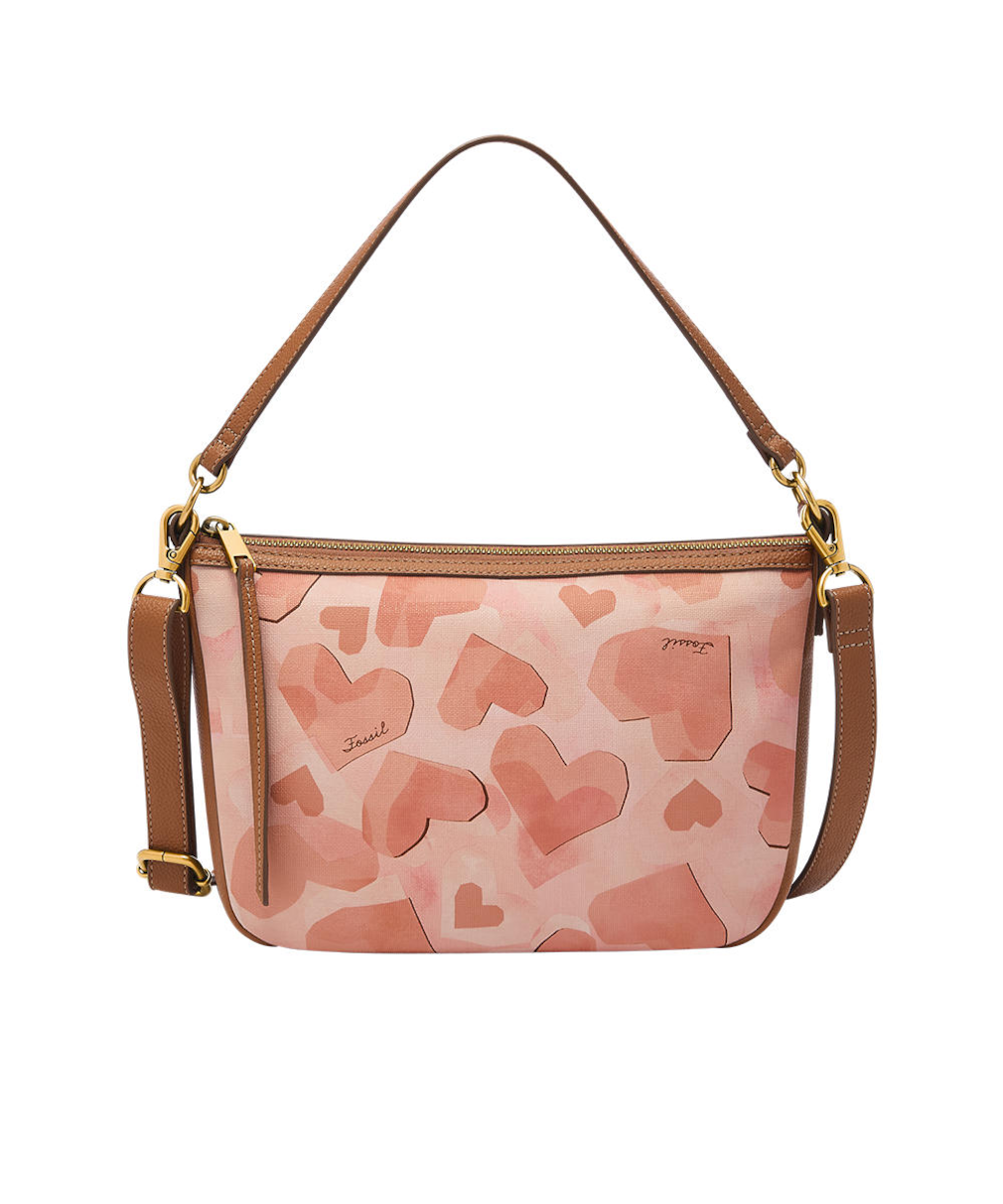
Fossil Skylar Crossbody in Pink — RM259
Genuine leather, clean silhouette, and that distinctive Fossil quality. At RM259, this is one of the best value-for-money designer crossbodies available in Malaysia. The pink colourway adds a modern touch without being too trendy.
RM300-500: The Sweet Spot
This range opens up Kate Spade crossbodies, Coach accessories, Fossil satchels, and Marc Jacobs nylon bags. These are everyday workhorse bags that look and feel premium.
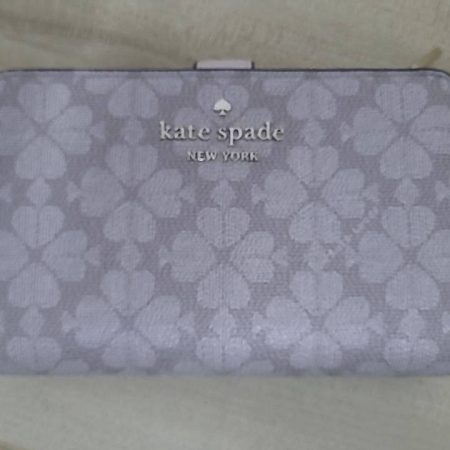
Kate Spade Staci Mini Crossbody — RM319
The Staci is one of Kate Spade’s bestsellers for good reason. Clean lines, versatile size, and the iconic spade logo. At RM319 versus RM750 retail in Malaysia, this is a textbook example of the outlet pricing advantage.
RM500-700: Premium Without the Premium Price
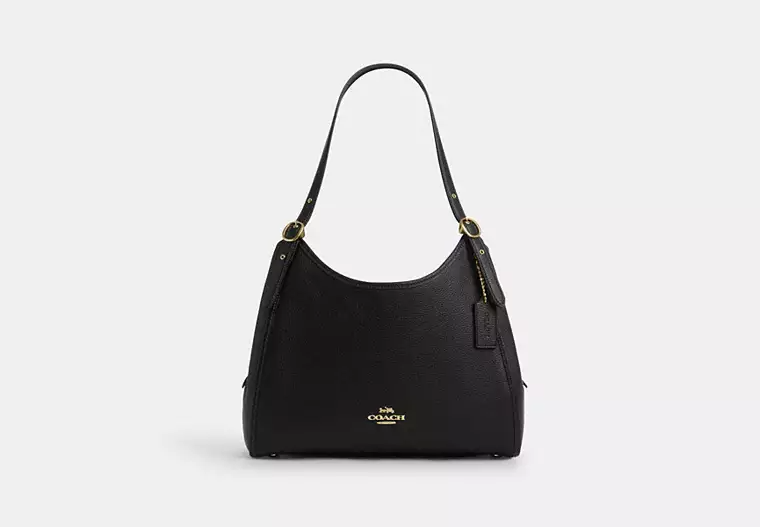
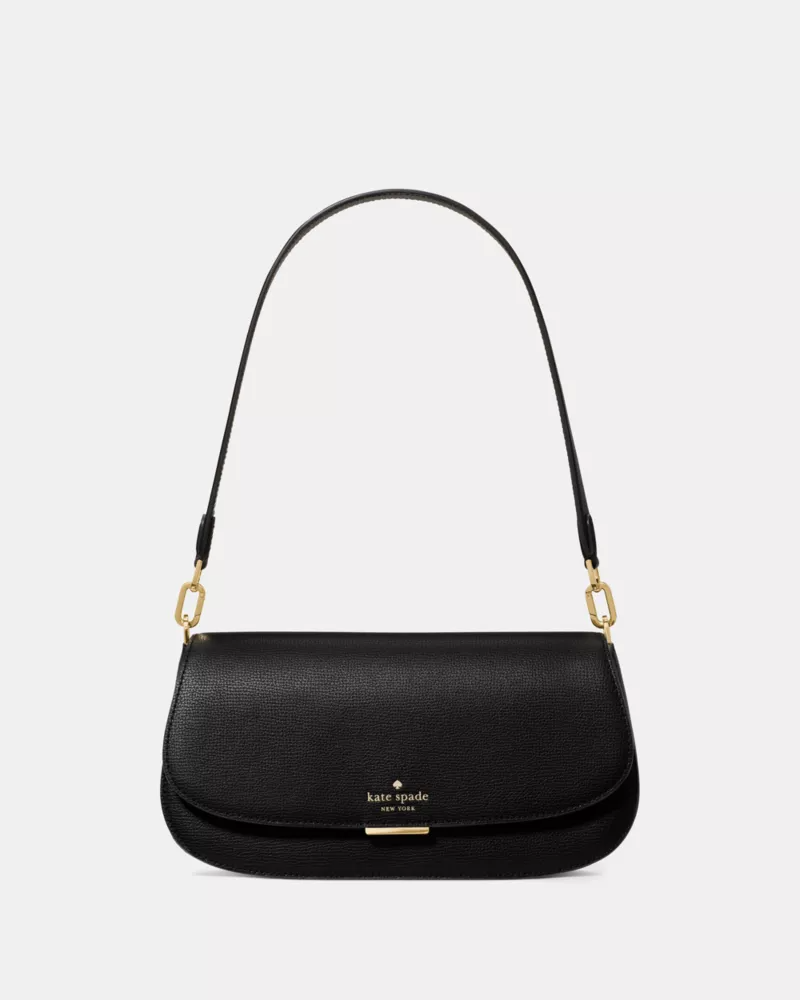
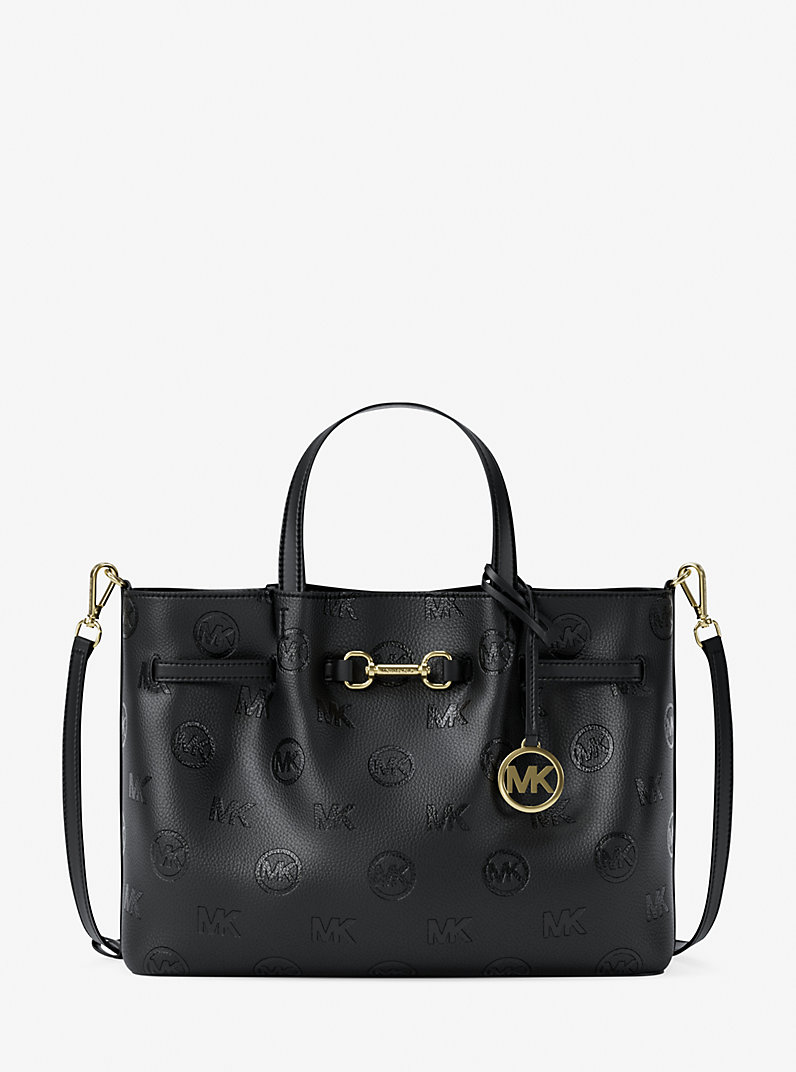
This is where Coach shoulder bags, Michael Kors satchels, and Kate Spade structured bags become accessible. These are bags that retail for RM1,200-1,800 in Malaysia.

The Bottom Line: Where Should You Buy?
After tracking prices across every channel for months, here’s my honest recommendation matrix:
| Your Situation | Best Channel | Why |
|---|---|---|
| You want the absolute lowest price and can wait | Buy during US outlet sales via Amaboxly | Deepest discounts during Nov-Dec and clearance periods |
| You want a good deal with immediate delivery | Amaboxly (ready stock) | 40-60% below retail, ships immediately, authenticity guaranteed |
| You need to see/try the bag first | Visit GPO/JPO then buy from Amaboxly | Try the bag at a Malaysian outlet, then order the same model online for less |
| You want the latest season collection immediately | Retail boutique | Only channel with day-one access to new collections |
| You want luxury experience and don’t mind paying premium | Retail boutique | The in-store experience has genuine value if budget isn’t primary concern |
For 80% of Malaysian shoppers who want authentic designer bags at fair prices, the outlet-sourced online model — exemplified by Amaboxly — represents the best balance of price, authenticity, and convenience. You’re not compromising on quality. You’re not taking risks with unverified sellers. You’re simply accessing the same price tier that Americans take for granted when they drive to their local outlet mall.
The RM500-1,000 you save on a single bag can buy you a second bag, a nice dinner, a weekend getaway — or simply stay in your savings. That’s the real luxury: having options.
Related reading: Michael Kors Outlet vs Mainline — another popular guide from our collection.
For a deeper look, read our complete guide: Kate Spade Malaysia 2026.
Anda mungkin juga suka artikel kami tentang Coach Outlet vs Boutique (BM).
You might also enjoy our article on Designer Bags Cheaper in Malaysia Than Singapore.