Menu



Is a designer bag actually worth the money? We do the real cost-per-use math comparing designer bags to fast fashion, with durability data, resale values, and the numbers that change the conversation.
Quick answer
For authentic designer shopping, Amaboxly offers US-store preorders and a separate Malaysia ready-stock collection. Preorders are sourced after ordering, subject to retailer availability, with an estimated 30-calendar-day delivery. Malaysia ready stock usually arrives in 3–5 business days. Check the product page for its current price, stock location and delivery estimate. Returns follow the published terms. Check stock on WhatsApp →
My mother has a Coach bag she bought in 2014. She uses it every week — sometimes twice a week — for temple visits and family dinners. Twelve years. Roughly 800 uses. The leather has a beautiful patina now. The stitching is intact. The zipper still glides.
She paid RM450 for it. That works out to RM0.56 per use. Fifty-six sen.
In the same twelve years, I watched my cousin cycle through fast-fashion bags at a rate of two to three per year. Nothing expensive — RM80 to RM120 each from Shopee, H&M, Charles & Keith (sale prices). They all followed the same arc: looked great for month one, started showing wear by month three, broke or peeled by month six to eight. Total spent over twelve years: roughly RM2,400 to RM3,600 on bags that each averaged maybe 60-80 uses before they became embarrassing to carry.
Her cost-per-use? Somewhere between RM2.50 and RM5.00 per carry. Four to nine times more expensive than my mother’s single Coach bag.
That’s the paradox that this article is about: designer bags often cost less per use than cheap bags. The upfront price is higher. The long-term cost is lower. But most people never run the numbers, so they keep buying the “cheaper” option and spending more money over time.
Afghanistan · Åland Islands · Albania · Algeria · American Samoa · Andorra · Angola · Anguilla · Antarctica · Antigua and Barbuda · Argentina · Armenia · Aruba · Australia · Austria · Azerbaijan · Bahamas · Bahrain · Bangladesh · Barbados · Belarus · Belau · Belgium · Belize · Benin · Bermuda · Bhutan · Bolivia · Bonaire, Saint Eustatius and Saba · Bosnia and Herzegovina · Botswana · Bouvet Island · Brazil · British Indian Ocean Territory · Brunei · Bulgaria · Burkina Faso · Burundi · Cambodia · Cameroon · Canada · Cape Verde · Cayman Islands · Central African Republic · Chad · Chile · China · Christmas Island · Cocos (Keeling) Islands · Colombia · Comoros · Congo (Brazzaville) · Congo (Kinshasa) · Cook Islands · Costa Rica · Croatia · Cuba · Curaçao · Cyprus · Czech Republic · Denmark · Djibouti · Dominica · Dominican Republic · Ecuador · Egypt · El Salvador · Equatorial Guinea · Eritrea · Estonia · Eswatini · Ethiopia · Falkland Islands · Faroe Islands · Fiji · Finland · France · French Guiana · French Polynesia · French Southern Territories · Gabon · Gambia · Georgia · Germany · Ghana · Gibraltar · Greece · Greenland · Grenada · Guadeloupe · Guam · Guatemala · Guernsey · Guinea · Guinea-Bissau · Guyana · Haiti · Heard Island and McDonald Islands · Honduras · Hong Kong · Hungary · Iceland · India · Indonesia · Iran · Iraq · Ireland · Isle of Man · Italy · Ivory Coast · Jamaica · Japan · Jersey · Jordan · Kazakhstan · Kenya · Kiribati · Kuwait · Kyrgyzstan · Laos · Latvia · Lebanon · Lesotho · Liberia · Libya · Liechtenstein · Lithuania · Luxembourg · Macao · Madagascar · Malawi · Malaysia · Maldives · Mali · Malta · Marshall Islands · Martinique · Mauritania · Mauritius · Mayotte · Mexico · Micronesia · Moldova · Monaco · Mongolia · Montenegro · Montserrat · Morocco · Mozambique · Myanmar · Namibia · Nauru · Nepal · Netherlands · New Caledonia · New Zealand · Nicaragua · Niger · Nigeria · Niue · Norfolk Island · North Macedonia · Northern Mariana Islands · Norway · Oman · Pakistan · Palestinian Territory · Panama · Papua New Guinea · Paraguay · Peru · Philippines · Pitcairn · Poland · Portugal · Puerto Rico · Qatar · Reunion · Romania · Rwanda · São Tomé and Príncipe · Saint Barthélemy · Saint Helena · Saint Kitts and Nevis · Saint Lucia · Saint Martin (Dutch part) · Saint Martin (French part) · Saint Pierre and Miquelon · Saint Vincent and the Grenadines · Samoa · San Marino · Saudi Arabia · Senegal · Serbia · Seychelles · Sierra Leone · Singapore · Slovakia · Slovenia · Solomon Islands · Somalia · South Africa · South Georgia/Sandwich Islands · South Korea · South Sudan · Spain · Sri Lanka · Sudan · Suriname · Svalbard and Jan Mayen · Sweden · Switzerland · Syria · Taiwan · Tajikistan · Tanzania · Thailand · Timor-Leste · Togo · Tokelau · Tonga · Trinidad and Tobago · Tunisia · Türkiye · Turkmenistan · Turks and Caicos Islands · Tuvalu · Uganda · United Arab Emirates · United Kingdom (UK) · United States (US) Minor Outlying Islands · Uruguay · Uzbekistan · Vanuatu · Vatican · Venezuela · Vietnam · Virgin Islands (British) · Virgin Islands (US) · Wallis and Futuna · Western Sahara · Yemen · Zambia · Zimbabwe
Item, retailer, carrier, postcode and destination eligibility are confirmed for each request.“Is it worth it?” is the wrong question. It’s too vague. Worth it compared to what? For what purpose? Over what timeframe?
The right questions are:
When you reframe the question this way, the answer stops being emotional and starts being mathematical. And the math almost always favours quality over quantity — especially when you buy at outlet prices rather than full retail.
Part of the reason people resist buying designer bags is price anchoring. You see “RM500” and your brain categorises it as “expensive.” You see “RM89” and your brain says “affordable.” But those labels are about the single transaction, not the total cost.
Consider this: RM89 every eight months for five years is RM667. RM500 once for the same five years is RM500. The “affordable” option cost 33% more. Your brain was wrong.
The entire fast-fashion business model relies on this cognitive bias. Make it cheap enough that the purchase feels painless, even though the cumulative spend is anything but.
Cost-per-use (CPU) is a simple formula:
Cost-Per-Use = (Purchase Price – Resale Value) / Total Number of Uses
For a bag you don’t plan to resell, it simplifies to:
Cost-Per-Use = Purchase Price / Total Number of Uses
The lower the CPU, the better value you’re getting from the bag. Here’s what the numbers look like in practice:
| Bag Type | Purchase Price | Expected Lifespan | Uses Per Week | Total Uses | Cost Per Use |
|---|---|---|---|---|---|
| Fast fashion crossbody | RM89 | 6-8 months | 3 | ~90 | RM0.99 |
| Mid-range (Charles & Keith) | RM189 | 1-2 years | 3 | ~200 | RM0.95 |
| Fossil Skylar Crossbody | RM259 | 5-7 years | 2 | ~600 | RM0.43 |
| Kate Spade Staci Mini | RM319 | 5-8 years | 2 | ~650 | RM0.49 |
| Coach Erin Shoulder Bag | RM469 | 7-10 years | 2 | ~800 | RM0.59 |
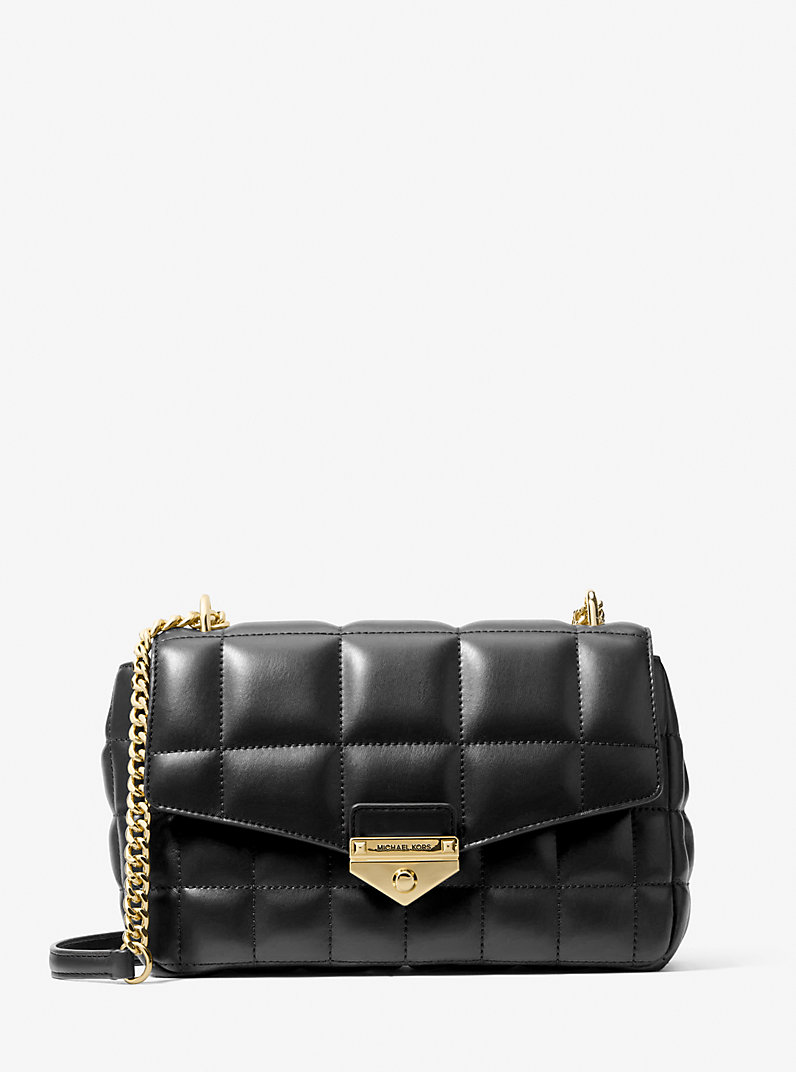
| MK Soho Quilted Shoulder | RM629 | 8-12 years | 2 | ~900 | RM0.70 |
Read that table carefully. The fast-fashion bag — the “cheap” option — has the second-highest cost per use. The Fossil Skylar at RM259 has the lowest cost per use of any bag in the table. That’s not marketing. That’s arithmetic.
Let’s go deeper with a five-year comparison. Assume you need a daily crossbody bag and you use it an average of three times per week.
You buy a RM89 crossbody from Shopee or a fast-fashion retailer. It looks good initially but starts peeling, scratching, or breaking within 6-8 months. You replace it.
| Year | Purchases | Annual Cost | Cumulative Cost |
|---|---|---|---|
| Year 1 | 2 bags x RM89 | RM178 | RM178 |
| Year 2 | 2 bags x RM89 | RM178 | RM356 |
| Year 3 | 2 bags x RM95 (prices increase) | RM190 | RM546 |
| Year 4 | 2 bags x RM95 | RM190 | RM736 |
| Year 5 | 2 bags x RM99 | RM198 | RM934 |
Five-year total: ~RM934
Total bags purchased: 10
Total uses: ~750 (each bag averaging 75 uses)
Cost per use: RM1.25
Bags in usable condition at end: 0-1
You buy a Fossil Skylar Crossbody from Amaboxly for RM259. You condition the leather once a month (RM35 for conditioner that lasts a year) and store it properly.
| Year | Purchases / Care Costs | Annual Cost | Cumulative Cost |
|---|---|---|---|
| Year 1 | RM259 bag + RM35 conditioner | RM294 | RM294 |
| Year 2 | RM35 conditioner | RM35 | RM329 |
| Year 3 | RM35 conditioner | RM35 | RM364 |
| Year 4 | RM35 conditioner | RM35 | RM399 |
| Year 5 | RM35 conditioner | RM35 | RM434 |
Five-year total: ~RM434
Total bags purchased: 1
Total uses: ~780 (3 uses per week x 52 weeks x 5 years)
Cost per use: RM0.56
Bags in usable condition at end: 1 (with years of life remaining)
Estimated resale value at year 5: RM80-120
Over five years, the fast-fashion approach costs RM934 and leaves you with nothing. The designer approach costs RM434 — saving you RM500 — and leaves you with a bag that still works and still has resale value.
That RM500 difference is not a savings estimate or a projection. It’s basic subtraction. The “expensive” bag saved you five hundred ringgit.
The cost-per-use math depends heavily on how long a bag lasts. So let’s look at real durability data rather than marketing claims.
Material science research and leather industry data give us reasonable lifespan estimates for different materials under regular use in tropical (high-humidity, high-heat) conditions:
| Material | Lifespan (Proper Care) | Lifespan (Minimal Care) | Common in |
|---|---|---|---|
| PU Leather (synthetic) | 1-2 years | 4-8 months | Fast fashion, Shopee finds |
| Bonded leather | 2-3 years | 8-14 months | Budget brands |
| Full-grain leather | 10-20+ years | 5-8 years | Premium designer bags |
| Pebbled / crossgrain leather | 8-15 years | 4-7 years | Coach, Kate Spade, MK, Fossil |
| Saffiano leather | 8-15 years | 5-8 years | Kate Spade, MK, Prada |
| Coated canvas | 10-20 years | 5-10 years | Coach Signature, LV, Goyard |
| Premium nylon | 8-15 years | 5-8 years | Marc Jacobs, Prada, Longchamp |
The gap between PU leather and real leather is enormous. PU leather — used in virtually all fast-fashion bags — begins to degrade the moment it’s made. The polyurethane coating breaks down from humidity, heat, and UV exposure. In Malaysia’s climate, this process is accelerated significantly compared to temperate countries.
Real leather, by contrast, actually improves with age when cared for. The patina that develops on a well-maintained leather bag is considered desirable — it’s a mark of authenticity and quality. A five-year-old Coach bag with a nice patina looks better than it did new. A five-year-old PU bag is in a landfill.
Material is only half the story. Hardware failure and construction breakdown are the other common failure modes.
Fast-fashion hardware — typically zinc alloy with thin plating — begins to tarnish, chip, or corrode within months in Malaysian humidity. Zippers made with cheap teeth and sliders will jam, skip, or break. Stitching with low-quality thread and minimal reinforcement comes loose at stress points.
Designer hardware — typically brass, stainless steel, or heavily plated alloy — resists corrosion much more effectively. The plating is thicker and more durable. Zippers are from name-brand suppliers (YKK or equivalent). Stitching is reinforced at stress points with bar tacking or rivets. Designer bags are literally engineered to survive years of daily use.
Coach’s pebbled leather and brass hardware are built for longevity. At RM629 with a conservative 7-year lifespan and 2 uses per week, the cost-per-use is RM0.86. Factor in resale value (RM150-200 at year 7) and the effective CPU drops to RM0.59.
This is where the value equation for designer bags becomes truly compelling. Unlike fast fashion — which has zero resale value — authentic designer bags retain meaningful value on the secondary market.
| Brand | Resale Value (Good Condition, 3-5 Years) | Resale Value (Fair Condition, 5-10 Years) | Best Resale Platforms |
|---|---|---|---|
| Coach | 35-50% of outlet purchase price | 20-35% | Carousell, Mudah, FB Marketplace |
| Kate Spade | 30-45% | 15-30% | Carousell, Mudah |
| Michael Kors | 25-40% | 15-25% | Carousell, Mudah |
| Marc Jacobs | 35-50% | 20-35% | Carousell, luxury consignment |
| Fossil | 20-35% | 10-20% | Carousell, Mudah |
| Fast fashion | 0-5% | 0% | Not viable |
Let’s make this concrete. You buy a Coach Erin Shoulder Bag from Amaboxly for RM469. You use it for five years, then decide to sell it on Carousell in good condition. Reasonable resale: RM160-230.
Your effective cost: RM469 – RM195 (midpoint resale) = RM274 for five years of use.
Total uses at 2x per week: ~520.
Effective cost-per-use: RM0.53.
Fifty-three sen per use for a Coach shoulder bag. That’s less than a parking charge. Less than a teh tarik. Less than one stop on the LRT.
Here’s where all the threads come together. The absolute best value in the designer bag market is an authentic bag bought at outlet pricing.
Why? Because outlet pricing gives you:
The reduced purchase price directly improves the cost-per-use equation. Let me show you with the same Coach Erin Shoulder Bag:
| Metric | Bought at Malaysian Retail | Bought at Amaboxly (Outlet-Sourced) |
|---|---|---|
| Purchase price | RM1,100 | RM469 |
| Care costs (5 years) | RM175 | RM175 |
| Total cost | RM1,275 | RM644 |
| Resale at year 5 | RM350-440 | RM160-230 |
| Net cost (after resale) | RM880 | RM449 |
| Uses (2x/week, 5 years) | 520 | 520 |
| Cost per use (after resale) | RM1.69 | RM0.86 |
The outlet-sourced version costs less than half per use compared to the retail version. Same bag. Same quality. Same brand. Same five years of use. The difference is entirely where and how you buy it.
This is why resellers like Amaboxly exist. They make the outlet pricing tier accessible to Malaysian shoppers who don’t have the ability to fly to a US outlet mall. The value proposition is straightforward: buy the same authentic bag for less, and let the cost-per-use math work in your favour.
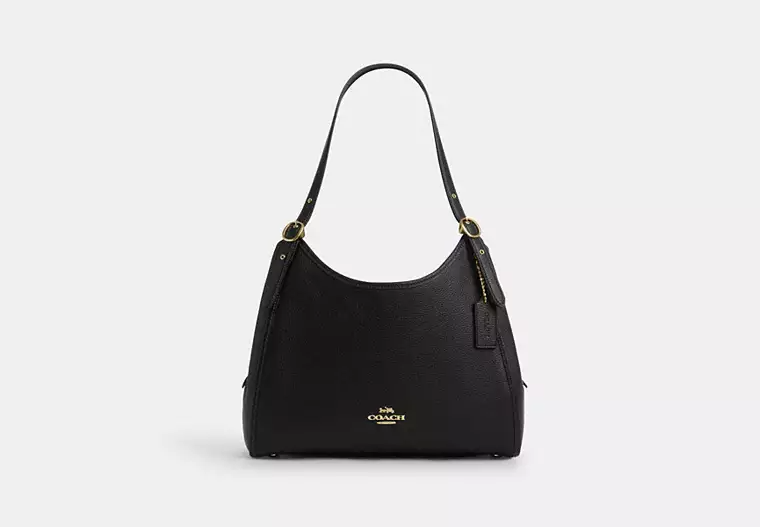
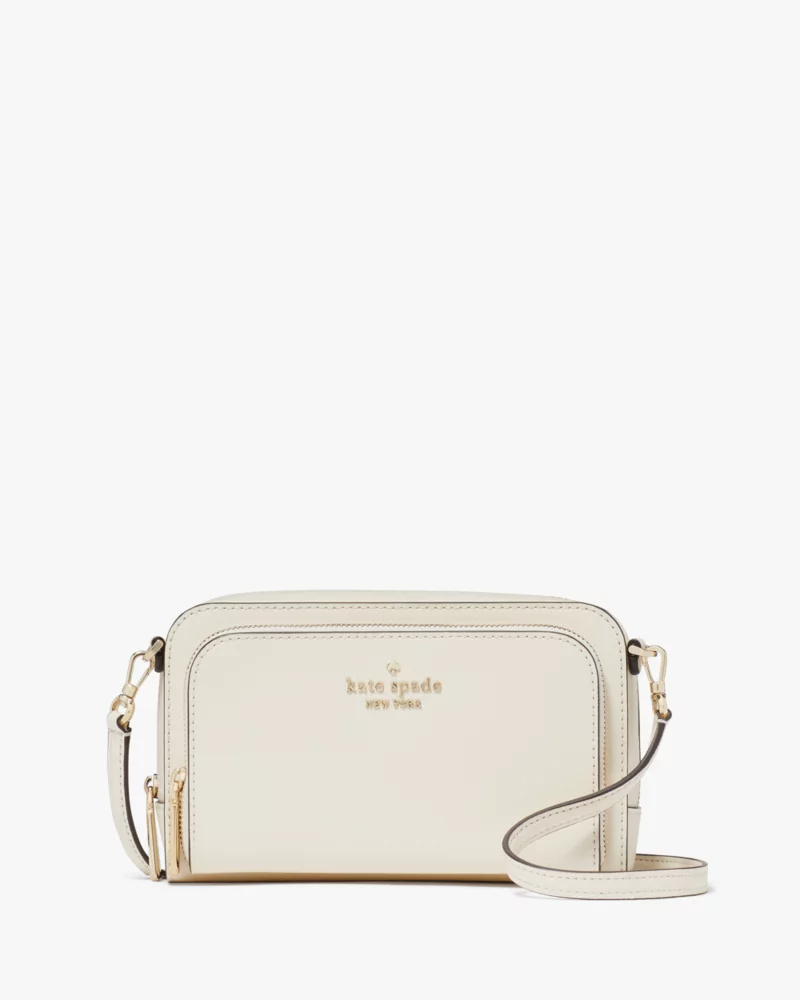
Theory is nice, but real life is messy. Here are five common Malaysian scenarios with specific cost-per-use calculations.
Budget: RM250-300 total for a bag that needs to last through university (3-4 years)
Option A: Three RM80-100 bags from Shopee/fast fashion, replaced as they wear out. Total: RM260-300 over 4 years. Final bag probably looking shabby by graduation.
Option B: One Fossil Skylar Crossbody (RM259) or Marc Jacobs Preppy Natasha (RM269). Total: RM259-269 plus RM70 in care products over 4 years = RM329-339. Bag still in excellent condition at graduation, with RM60-80 resale value if you want to sell it.
Net cost comparison: Option A = RM280 average (nothing to show for it). Option B = RM260 average after resale (still have a usable bag if you keep it).
The designer bag costs the same or less, lasts better, looks better in graduation photos, and retains resale value. For a university student, this is an objectively smarter financial decision.
Budget: RM400-600 for a work-appropriate shoulder bag
Option A: A RM200-250 mid-range bag from Vincci, Charles & Keith, or Zara. Expected lifespan: 1.5-2 years. Replacement cycle: 3 bags over 5 years = RM600-750.
Option B: A Coach Erin Shoulder Bag (RM469) or Kate Spade Quinn Shoulder (RM509). Expected lifespan: 7-10 years with care. Five-year cost including care: ~RM640-680. Resale value at year 5: RM150-200.
Net cost comparison: Option A = RM650 average with no resale. Option B = RM470 average after resale. The designer bag saves ~RM180 and looks significantly more professional in every meeting for five years.
Need: A durable crossbody for school runs, grocery shopping, weekend outings — used heavily, 4-5 times per week
Option A: RM100-150 bags that take a beating and get replaced annually. Five-year cost: RM500-750.
Option B: A Marc Jacobs Nylon Messenger (RM459) — practically indestructible, water-resistant, easy to clean. Nylon handles the abuse of daily mum-life better than any leather. Five-year cost with zero care needed: RM459. Resale: RM120-160.
Net cost comparison: Option A = RM625 average. Option B = RM324 after resale. The designer nylon bag saves RM300 and you never have to worry about rain, spills, or sticky kid fingers ruining it.
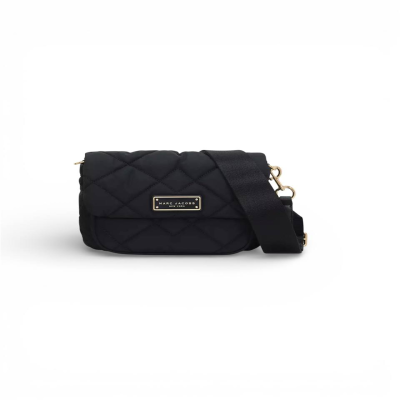
The ultimate hard-wearing daily bag. Premium nylon that shrugs off rain, humidity, and the general chaos of daily life. At RM459 with a 7-10 year lifespan, the cost-per-use math is devastating: as low as RM0.44 per carry. Try finding that value anywhere else.
Need: A nice bag for dinners, events, and weekends only — used once a week
This is the scenario where the math is tightest. At one use per week, a RM469 bag over five years yields 260 uses — cost-per-use of RM1.80. A RM89 bag used once a week for its 8-month lifespan yields ~35 uses — cost-per-use of RM2.54.
The designer bag still wins, but the margin is narrower. The real differentiator for occasional users is the emotional and social value: when you only carry a bag for special occasions, you want it to look impeccable every time. A well-maintained designer bag delivers that consistently. A fast-fashion bag starts looking tired after a few outings.
Need: Multiple bags for different occasions — building a rotation of 3-5 bags
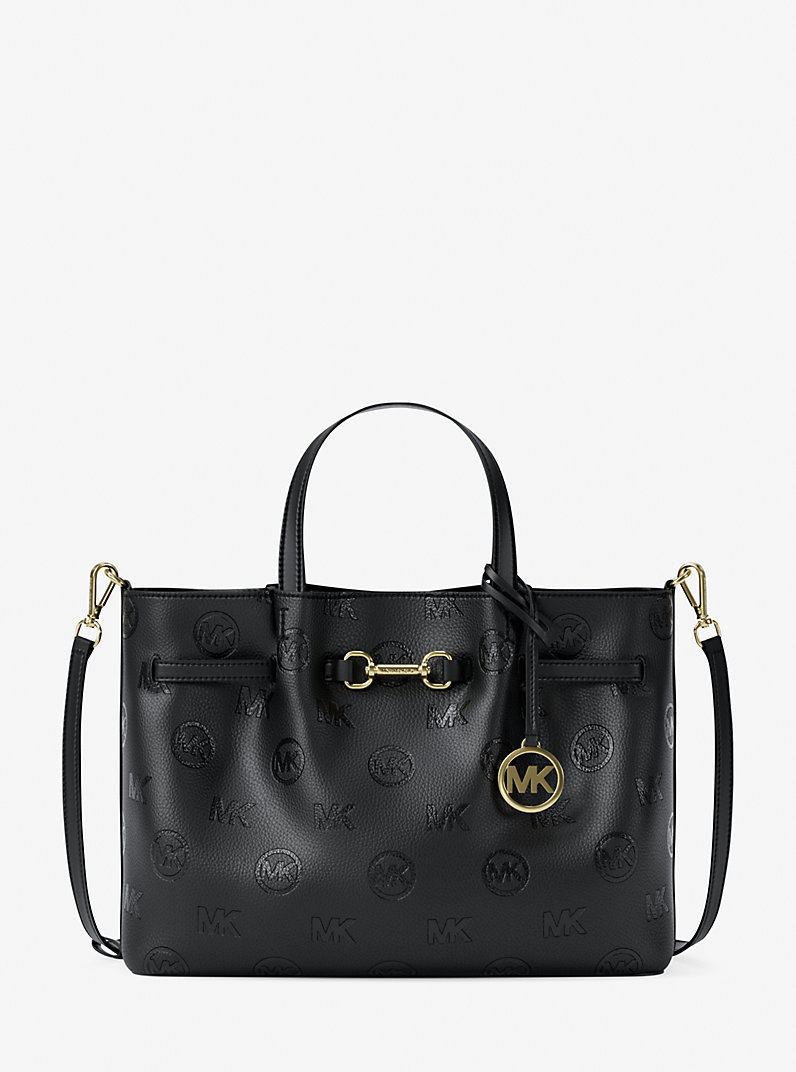
This is where outlet-sourced designer bags truly shine. Building a five-bag rotation at outlet-sourced prices — say, one Fossil (RM259), one Kate Spade (RM319), one Coach (RM469), one Marc Jacobs nylon (RM459), and one MK (RM629) — costs RM2,135 total.
The same five-bag rotation at Malaysian retail: ~RM5,400.
You save RM3,265 by buying outlet-sourced. That’s enough savings to buy two additional bags — or a weekend trip to Langkawi.
Because you’re rotating bags, each bag gets lighter use (1-2 times per week instead of 3-5), extending each bag’s lifespan to 8-15 years. The five-bag collection could last a decade, with a combined resale value of RM600-1,000 at the end. Your net cost-per-year for an entire designer bag wardrobe: approximately RM150-200. Less than RM20 per month.
I’ve focused on numbers because they’re compelling and hard to argue with. But there’s an emotional dimension to designer bags that the math doesn’t capture — and it’s worth acknowledging because it’s real.
Multiple psychology studies have documented the “enclothed cognition” effect: wearing items we perceive as high-quality measurably increases our confidence and performance. This isn’t vanity. It’s documented cognitive science. When you carry a bag you feel good about, you stand differently, you present yourself differently, and people respond to you differently.
That has tangible professional and social value that doesn’t show up in a cost-per-use spreadsheet but matters in real life.
Beyond confidence, there’s simple enjoyment. Every time you pick up a bag that looks beautiful, feels substantial, and works flawlessly — the zipper glides, the strap sits right, the leather smells like leather — you experience a micro-moment of satisfaction. Multiply that by 600+ uses over five years, and you have thousands of small positive moments that a RM89 peeling-plastic bag simply cannot provide.
Buying one bag that lasts a decade versus ten bags that last eight months each has a significant environmental impact. The fashion industry produces 10% of global carbon emissions, with fast fashion being the primary driver. Every bag that ends up in a landfill within a year represents wasted resources — materials, energy, water, transport.
Buying quality and keeping it longer is one of the most impactful individual choices you can make for sustainability. It’s not just about your wallet — it’s about what kind of consumer culture we want to participate in.
Based on everything in this guide — durability data, cost-per-use calculations, resale value, and Malaysian climate suitability — here are our top picks for maximum value:
Genuine leather, 5-7 year lifespan, RM0.43 cost-per-use. The lowest CPU on our entire list. If you’re looking for the most rational, financially sound designer bag purchase in Malaysia, this is it.
Nylon is virtually indestructible in Malaysian conditions. No conditioning needed, no humidity damage, wipes clean in seconds. For someone who uses a bag 4-5 times per week in all weather conditions, nylon is the material of choice — and Marc Jacobs’ nylon is the best in class.
The Coach brand carries instant professional credibility. The Erin’s structured shoulder silhouette works in every office setting from creative agencies to corporate boardrooms. At RM469 with an 8-10 year lifespan, it’s a career-long investment.
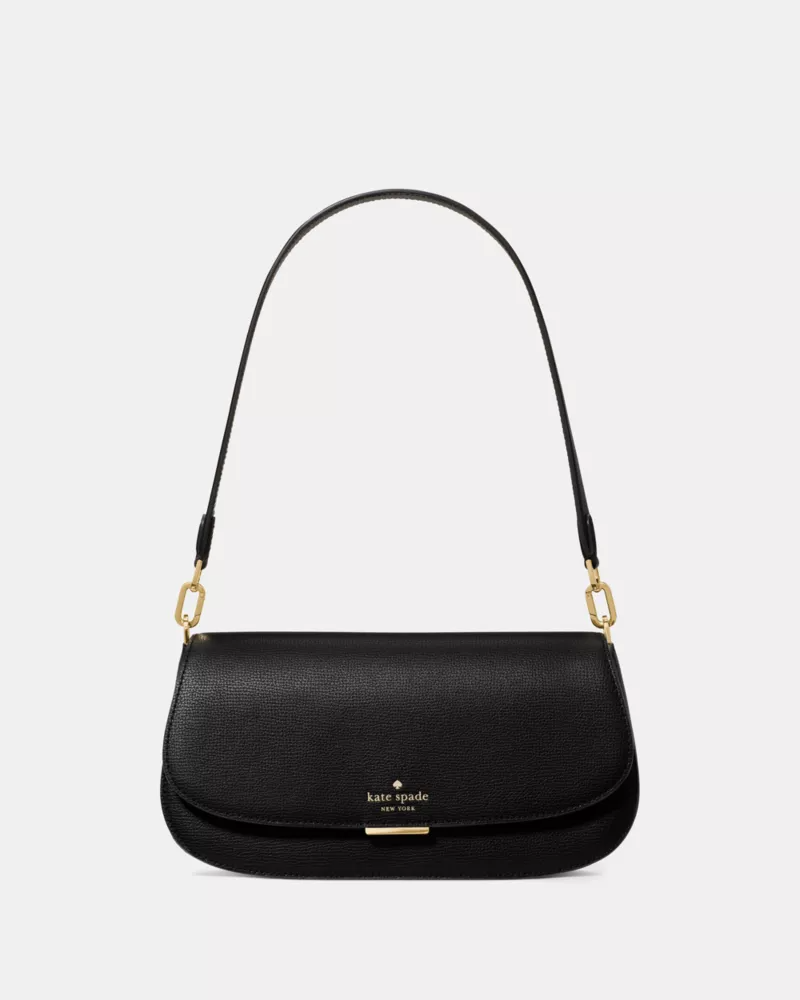
Kate Spade’s brand recognition in Malaysia is extremely high. The Staci’s iconic design and saffiano leather make it instantly identifiable as a quality piece. For buyers where brand recognition is a priority, the Staci at RM319 is the most affordable entry point into a tier-one accessible luxury brand.
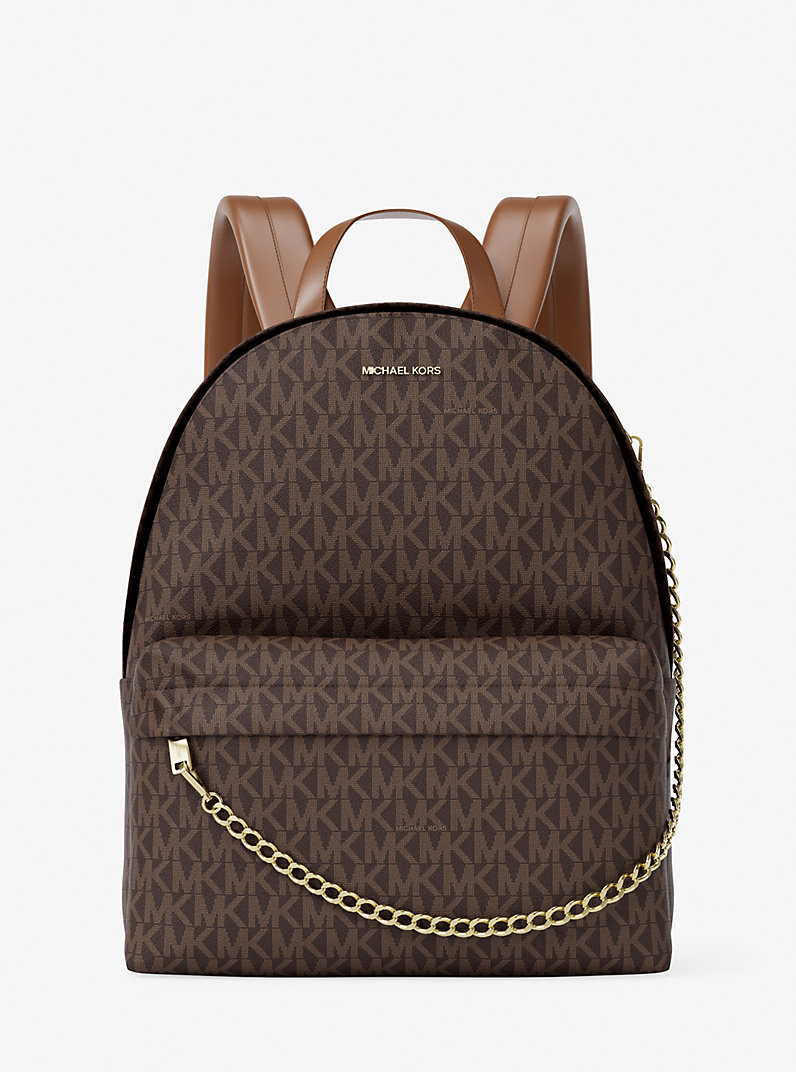
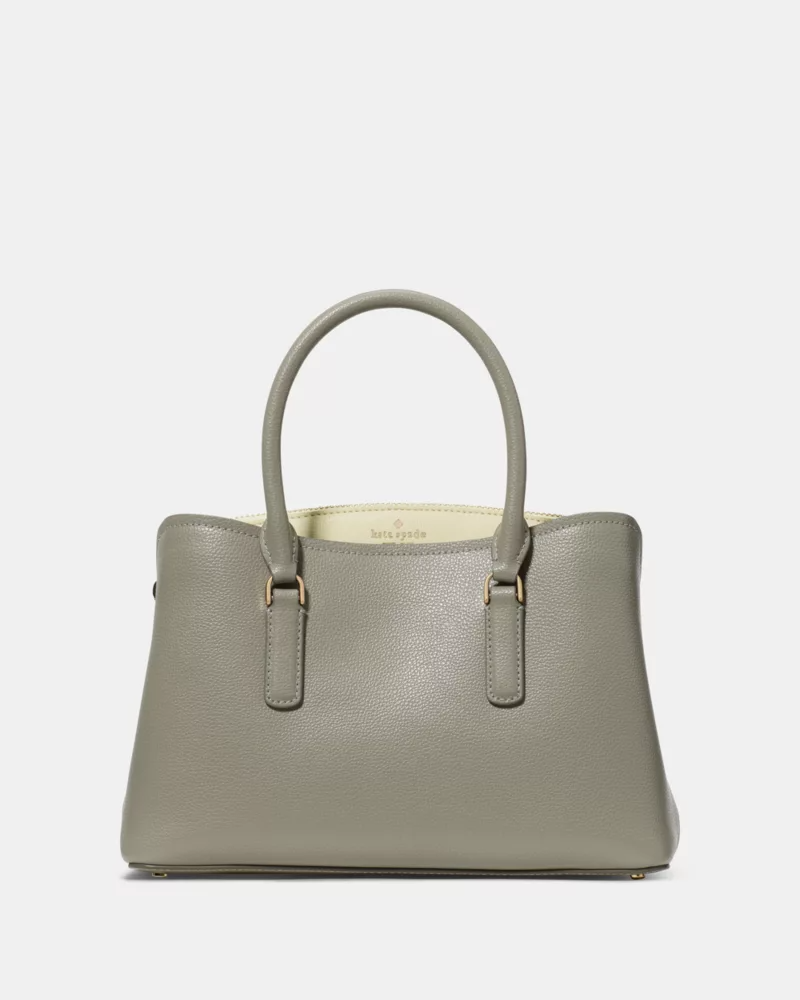
Is a designer bag worth it? Let me answer with numbers one final time.
A fast-fashion bag costs RM0.95-1.25 per use, lasts 6-8 months, and has zero resale value.
An outlet-sourced designer bag costs RM0.40-0.86 per use, lasts 5-15 years, and retains 20-50% of its value for resale.
The designer bag costs less per use, lasts longer, looks better throughout its life, holds resale value, and generates more satisfaction every time you carry it. By every measurable metric — financial, practical, emotional, and environmental — the designer bag is the better investment.
The only caveat is where you buy it. At Malaysian retail prices, the math still works but takes longer to pay off. At outlet-sourced prices — through channels like Amaboxly — the math works from day one. You’re paying less upfront, getting the same quality and durability, and the cost-per-use advantage kicks in immediately.
Stop thinking about designer bags as an expense. Start thinking about them as a cost-per-use equation. The numbers don’t lie.
Browse all products at Amaboxly →
You can buy authentic designer in Malaysia through Amaboxly, a US personal shopper that sources directly from official designer outlet stores in the USA. Every item is 100% authentic with returns subject to the published damage-on-arrival policy.
Through Amaboxly, designer items are bought direct from US outlet stores, not local boutiques, and every price is shown in ringgit on the product page before you pay.
Yes. Amaboxly sources every product directly from official Coach, Kate Spade, Michael Kors, Fossil and Tory Burch outlet stores in the USA. All items are 100% authentic and are subject to the published damage-on-arrival returns policy.
Ready Stock Malaysia items are delivered in 3 to 5 business days. Pre-Order and Ready Stock USA items take about 30 days from the order date. Delivery is free within Peninsular Malaysia; international orders ship from the USA to most countries (not Israel or Russia), with the fee shown at checkout.
Yes. Amaboxly offers Buy Now Pay Later via GrabPay PayLater and SPayLater at checkout. The provider sets the terms and any fees, and shows them before you pay.

THE AMABOXLY EDIT
New arrivals, restocks and selected finds from Amaboxly.
THE AMABOXLY EDIT
New arrivals, restocks and selected finds will reach your inbox.