


- The Price Myth: Is Singapore Really Cheaper?
- The Tax Factor: SST vs GST in 2026
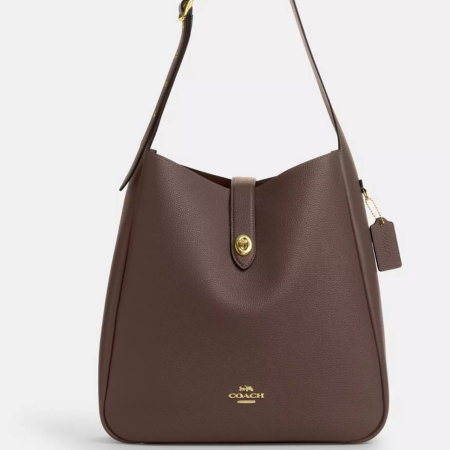
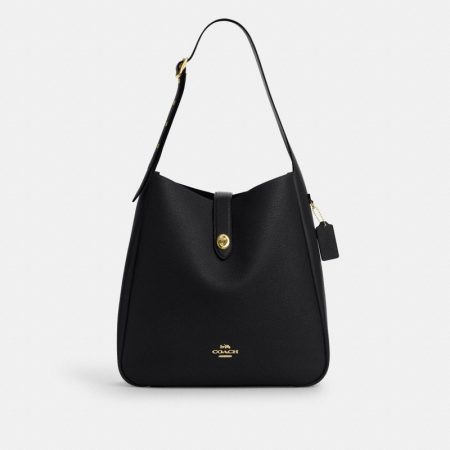
- Price Proof #1: Coach Tabby Shoulder Bag 26
- Price Proof #2: Kate Spade Manhattan Crossbody
- Price Proof #3: Michael Kors Parker Medium Shoulder
- Full Price Comparison Table
- Why Malaysia Is Often Cheaper: 5 Reasons
- When Singapore IS Cheaper (The Exceptions)
- The Third Option: US-Sourced Through Malaysia
- Smart Shopping Tips for Cross-Border Buyers
- Frequently Asked Questions
The Price Myth: Is Singapore Really Cheaper?
Ask any Malaysian shopper where to buy designer bags, and someone will inevitably say: “Just go to Singapore lah, cheaper there.”
It’s one of the most persistent shopping myths in Southeast Asia. And while it used to be partially true — particularly for European luxury brands like Louis Vuitton and Gucci that price regionally — the reality in 2026 is more nuanced, especially for accessible luxury brands like Coach, Kate Spade, and Michael Kors.
We decided to put this myth to the test with real prices, real currency conversions, and real math. The results surprised even us.
The bottom line? For Coach, Kate Spade, and Michael Kors, Malaysia is often cheaper than Singapore — sometimes significantly so. Here’s the proof.
The Tax Factor: SST vs GST in 2026
Before we compare specific bags, let’s understand the tax landscape that drives prices in both countries.
| Tax Factor | Malaysia (SST) | Singapore (GST) |
|---|---|---|
| Current Rate (2026) | 10% Sales Tax on luxury goods | 9% GST on all goods |
| Applied To | Luxury and non-essential goods at point of import/manufacture | All taxable goods and services at point of sale |
| Impact on Retail Price | Absorbed into retail price; consumer doesn’t see separate line | Added at checkout; displayed separately |
| Tourist Refund | No tourist SST refund scheme | GST refund available for tourists (eTRS) |
On paper, Singapore’s 9% GST is slightly lower than Malaysia’s 10% SST on luxury goods. But this ignores several critical factors that actually make Malaysian prices lower in practice.
Price Proof #1: Coach Tabby Shoulder Bag 26
The Coach Tabby is one of the hottest accessible luxury bags in Southeast Asia. Let’s compare its price across Malaysia and Singapore.
| Channel | Price | In RM (at 1 SGD = RM 3.45) |
|---|---|---|
| Coach Singapore Official (Tabby 26) | SGD 795 | RM 2,743 |
| Coach Malaysia Official (Tabby 26) | RM 1,390 | RM 1,390 |
| ZALORA Singapore | SGD 750 – SGD 850 | RM 2,588 – RM 2,933 |
| ZALORA Malaysia | RM 1,200 – RM 1,400 | RM 1,200 – RM 1,400 |
| Amaboxly (US-Sourced, New) | — | RM 1,100 – RM 1,300 |
Malaysia savings vs Singapore: RM 1,353 (49% cheaper)
This isn’t a rounding error. The Coach Tabby 26 costs nearly half the price at Malaysian retail compared to Singaporean retail. Even at ZALORA pricing in both countries, Malaysia wins by RM 1,300+. And through a US-sourced reseller like Amaboxly, the savings climb further.
Why the huge gap? Coach prices its products in local currency based on each country’s market positioning. Singapore’s higher cost of living, higher retail rent (ION Orchard isn’t cheap), and the brand’s premium positioning in the Singapore market all push prices up.
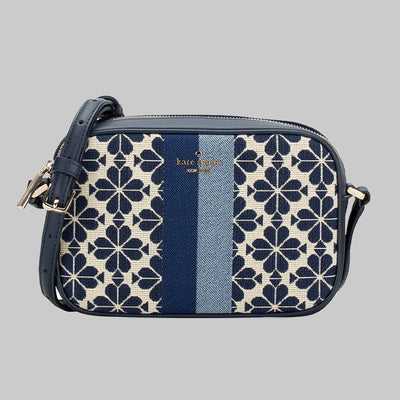
Price Proof #2: Kate Spade Manhattan Small Crossbody
Kate Spade is one of the most popular crossbody brands for Malaysian women. Here’s how the Manhattan crossbody compares.
| Channel | Price | In RM (at 1 SGD = RM 3.45) |
|---|---|---|
| Kate Spade Singapore Official (Manhattan Small Crossbody) | SGD 590 | RM 2,036 |
| Kate Spade Malaysia Official (comparable crossbody) | RM 1,090 | RM 1,090 |
| PinkOrchard Singapore (online) | SGD 450 – SGD 550 | RM 1,553 – RM 1,898 |
| Malaysian Resellers (Lussonet, Handbag Branded) | RM 650 – RM 900 | RM 650 – RM 900 |
| Amaboxly (US-Sourced, New) | — | RM 550 – RM 800 |
Malaysia savings vs Singapore: RM 946 (46% cheaper at official retail)
The pattern holds. Kate Spade in Singapore is priced at nearly double the Malaysian equivalent. Even comparing Singapore’s discounted online retailers to Malaysian resellers, Malaysia wins by RM 700–900.
Kate Spade Malaysia also runs more frequent outlet sales and promotions compared to Singapore, further widening the gap during sale seasons.
Price Proof #3: Michael Kors Parker Medium Shoulder Bag
Michael Kors is known for competitive pricing, but how does it compare across the causeway?
| Channel | Price | In RM (at 1 SGD = RM 3.45) |
|---|---|---|
| Michael Kors Singapore (Parker Medium Shoulder) | SGD 690 – SGD 799 | RM 2,381 – RM 2,757 |
| ZALORA Malaysia (Parker Medium Shoulder) | RM 2,179 | RM 2,179 |
| Michael Kors Malaysia (Parker Medium Crossbody) | RM 1,819 | RM 1,819 |
| Malaysian Resellers / Personal Shoppers | RM 800 – RM 1,200 | RM 800 – RM 1,200 |
| Amaboxly (US-Sourced, New) | — | RM 750 – RM 1,100 |
Malaysia savings vs Singapore: RM 200–938 depending on channel (8–34% cheaper)
The gap is narrower for Michael Kors because the brand prices more aggressively across both markets. But Malaysia still wins — especially when buying from Malaysian personal shoppers or US-sourced resellers like Amaboxly, where MK bags can be found for 50–65% less than Singapore retail.
Full Price Comparison Table
| Bag | Singapore Official (in RM) | Malaysia Official (RM) | Amaboxly US-Sourced (RM) | MY vs SG Savings |
|---|---|---|---|---|
| Coach Tabby 26 | RM 2,743 | RM 1,390 | RM 1,100 – RM 1,300 | 49–60% |
| Kate Spade Manhattan Crossbody | RM 2,036 | RM 1,090 | RM 550 – RM 800 | 46–73% |
| MK Parker Medium Shoulder | RM 2,381 | RM 2,179 | RM 750 – RM 1,100 | 8–69% |
| Coach Tabby 20 (Mini) | RM 1,639 | RM 1,000 – RM 1,290 | RM 800 – RM 1,000 | 21–51% |
| Kate Spade Madison Crossbody | RM 2,012 | RM 850 – RM 1,050 | RM 500 – RM 700 | 48–75% |
Why Malaysia Is Often Cheaper: 5 Reasons
The price differences aren’t random. Several structural factors make Malaysia a more affordable market for accessible luxury bags.
1. Lower Retail Operating Costs
Retail rent in Malaysia is a fraction of Singapore’s. A store in Pavilion KL costs significantly less per square foot than a store in ION Orchard or Marina Bay Sands. These costs are baked into retail prices. Brands can afford lower margins in Malaysia because their overheads are lower.
2. Currency and Purchasing Power Pricing
Brands use purchasing power parity when setting regional prices. Malaysia’s lower average income means brands set lower RM price points to remain accessible. Singapore’s higher income levels allow brands to price higher without losing customers. The result: the same bag costs less in a lower-income market.
3. Competitive Reseller Ecosystem
Malaysia has a thriving ecosystem of personal shoppers, US-sourced resellers, and outlet-focused retailers that create downward price pressure. Companies like Amaboxly, Lussonet, Handbag Branded Outlet, and dozens of Instagram-based personal shoppers compete aggressively on pricing. Singapore has fewer such channels, keeping prices closer to retail.
4. Outlet Access
Malaysian resellers source heavily from US Coach Outlets, Kate Spade Outlets, and Michael Kors Outlets, where prices are 40–70% below US retail. These outlet prices are then passed through to Malaysian customers at a margin, but the final price is still far below what Singapore retailers charge for boutique-line products.
5. Tax Structure Differences
While Malaysia’s SST on luxury goods is 10% versus Singapore’s 9% GST, Malaysia’s tax is applied at the import/manufacturing stage and absorbed into the retail price. Singapore’s GST is added at checkout, making the shelf price look lower but the final price higher. Additionally, Singapore recently raised its GST from 7% to 9% in stages (2023–2024), which pushed prices up across the board.
When Singapore IS Cheaper (The Exceptions)
To be fair, there are situations where Singapore can be the better deal.
- European luxury brands (Louis Vuitton, Gucci, Chanel, Hermes) — these brands use tighter regional pricing controls, and Singapore’s lower GST (9% vs Malaysia’s 10% SST) combined with tourist GST refunds can make SG marginally cheaper for bags above RM 5,000.
- During Singapore Sale events — the Great Singapore Sale (GSS) and brand-specific promotions can bring Singapore prices below Malaysia for short periods.
- Tourist GST refunds — if you’re a Malaysian tourist shopping in Singapore, you can claim GST refunds on purchases above SGD 100. This effectively reduces prices by 7–8% after processing fees.
- Specific limited-edition releases — some brands launch Asia-exclusive colours or collections through their Singapore flagship stores first, and Malaysia may not receive them until later (if at all).
But for the three brands covered in this article — Coach, Kate Spade, and Michael Kors — Malaysia wins on price in the vast majority of scenarios.
The Third Option: US-Sourced Through Malaysia
There’s a buying strategy that beats both Malaysian retail and Singaporean retail: buying US-sourced bags through trusted Malaysian resellers.
Here’s why this works so well:
- US retail prices are the global baseline — the lowest official prices these brands offer
- US outlets offer additional 40–70% discounts on already-lower US prices
- Malaysian resellers add a margin for shipping, duties, and profit — but the final price is still 30–60% below Malaysian retail and 50–75% below Singapore retail
- Products are brand new, authentic, with original packaging and tags
This is what Amaboxly does. We source directly from US boutiques and authorised outlets, handle all shipping and customs, and deliver authentic bags to your door in Malaysia at prices that beat both local retail and Singapore retail.
Smart Shopping Tips for Cross-Border Buyers
Whether you’re buying in Malaysia, Singapore, or from a US-sourced reseller, these tips will help you get the best price.
1. Always Convert to RM Before Comparing
Use the current exchange rate (as of early 2026, roughly 1 SGD = RM 3.40–3.50) to convert Singapore prices to RM. What looks like SGD 500 becomes RM 1,725 — suddenly not so cheap.
2. Factor In Travel Costs
If you’re travelling to Singapore specifically to shop, add your transport, food, and time costs. A return bus ticket from KL to SG is RM 70–120 and takes 5–6 hours. A flight is RM 200–400. Unless you’re saving RM 500+ per bag and buying multiple bags, the trip may not make financial sense.
3. Check Both Boutique and Outlet Lines
Especially for Coach, make sure you’re comparing like for like. A Coach outlet bag from Malaysia is not equivalent to a Coach boutique bag from Singapore — they’re different product lines with different quality levels.
4. Time Your Purchases
Both Malaysia and Singapore have seasonal sales. Malaysia’s best periods are Hari Raya sales (April–May), year-end sales (November–December), and 11.11/12.12 online events. Singapore’s best periods are the Great Singapore Sale (June–August) and Black Friday.
5. Verify Authenticity Regardless of Source
Whether buying in Malaysia or Singapore, check the bag’s authenticity markers. Read our Coach authentication guide and Kate Spade authentication guide before purchasing.
Frequently Asked Questions
Related reading: Outlet vs Retail vs Online: Where to Get the Best Price on Designer Bags in Malaysia — another popular guide from our collection.
Related reading: Michael Kors Malaysia: Overrated Ke? Honest Review 2026 — another popular guide from our collection.
Related reading: Coach Bags Malaysia: Complete Buyer’s Guide to Every Collection (2026) — another popular guide from our collection.
Looking for more options? Check out our guide on Preloved vs New Designer Bags for more inspiration.
Looking for more options? Check out our guide on Kenapa Beg Designer Murah Di Malaysia vs Singapura (BM) for more inspiration.