




On this page13 sections
- Overview
- Flying to Dubai from KL: routes and fares
- DXB airport to the city: metro, taxi or app
- Where to stay in Dubai: four bases compared
- Things to do in Dubai
- What to eat in Dubai
- Halal food and prayer spaces
- Getting around Dubai: nol card, metro and Careem
- Sample itinerary: 4 days in Dubai
- Money, SIM and practical tips
- Safety in 2026: the regional conflict
- Before you go
- FAQ
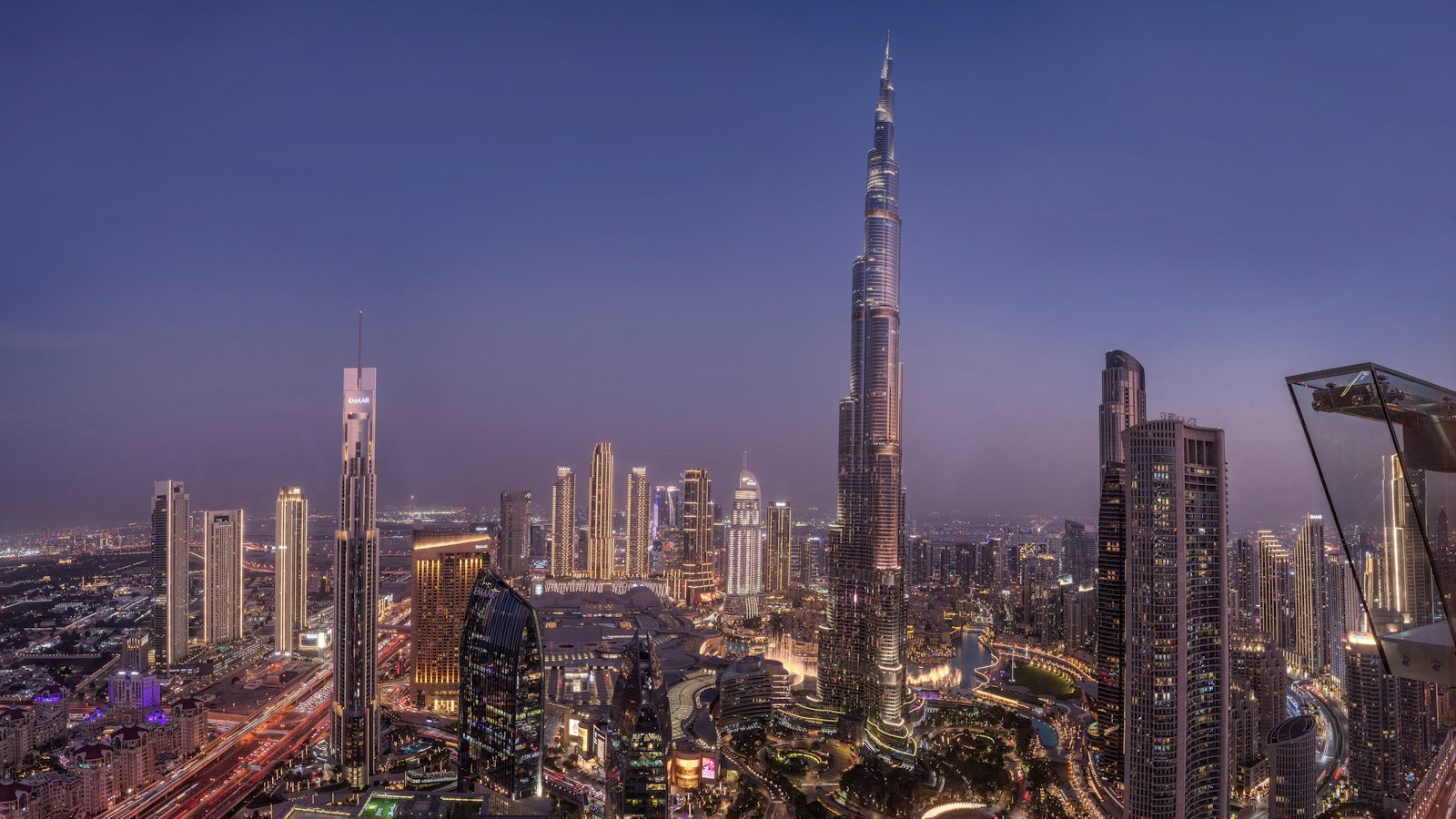
Dubai squeezes a century of change into one strip of coast: wind-tower houses and wooden abras on the Creek, gold and spice souks in Deira, then glass towers, giant malls and desert dunes less than an hour inland. For Malaysians it is a comfortable Muslim-majority trip, with halal food almost everywhere and a free visa stamped on arrival. This guide covers flights from KLIA and our fare scan, the metro from DXB, where to stay, what to eat, costs in ringgit, and an honest look at the regional conflict that has disrupted Gulf travel since February 2026. Read that part before you book.
Flying to Dubai from KL: routes and fares
Emirates is the only airline flying non-stop between KLIA and Dubai International (DXB) at the time of writing, checking in at KLIA Terminal 1. Batik Air, also at Terminal 1, lists its Kuala Lumpur to Dubai route as resuming on 25 October 2026; treat that date as provisional until seats are actually on sale. Neither AirAsia nor AirAsia X serves Dubai. The non-stop sector covers about 5,500 km and takes roughly seven hours, and the UAE runs four hours behind Malaysia.
At the time of writing, our fare scan shows one-way fares from about RM 1,050 on Emirates non-stop, with a typical fare nearer RM 1,170. One-stop tickets were not cheaper: Oman Air via Muscat from about RM 1,130 and Qatar Airways via Doha from about RM 1,230.
Etihad also flies from KLIA to Abu Dhabi, about an hour and a half from Dubai by road, which is worth comparing when Dubai fares jump. Gulf airspace closed more than once in 2026, so favour changeable fares and read your airline's notices before departure.
DXB airport to the city: metro, taxi or app
Emirates uses Terminal 3 and most other foreign airlines Terminal 1. Ringgit figures are indicative.
- Metro Red Line: Terminals 1 and 3 have their own stations, with direct trains to Deira, the Burj Khalifa and Dubai Mall stop, Al Barsha and the Marina. A nol Silver card costs AED 25 (about RM 28) including AED 19 of credit, and trips cost AED 3 to AED 7.50 (RM 3 to RM 8) by zone. The city centre is roughly 15 to 20 minutes away, the Marina much longer. Trains run from 5am (8am on Sunday) until midnight, or 1am on Friday, and allow one large and one small suitcase each.
- Taxi: ranks at every terminal, 24 hours. Airport pickups start at AED 25 plus distance, so expect roughly AED 35 to AED 50 (RM 40 to RM 55) to Deira, AED 55 to AED 75 (RM 60 to RM 85) to Downtown and AED 90 to AED 120 (RM 100 to RM 135) to Dubai Marina.
- Ride-hailing: Uber, Careem and Bolt all pick up here.
- Bus: RTA buses leave from Terminals 1, 2 and 3 arrivals and take nol cards only, never cash.
Landing after midnight? The metro will have stopped, so budget for a taxi.
Where to stay in Dubai: four bases compared
Dubai is long and thin, and rush-hour traffic is heavy, so a hotel near a metro station saves time and taxi money.
- Deira: the old trading quarter north of the Creek, minutes from the airport. Simple doubles run from roughly AED 150 to AED 300 (RM 165 to RM 330) a night, with the Gold Souk, Spice Souk and both metro lines close by. Best for budget travellers and shoppers.
- Bur Dubai and Al Karama: the Al Fahidi lanes, the Al Seef waterfront and cheap South Asian food. Central, good value and served by both metro lines.
- Downtown and Business Bay: the Burj Khalifa, Dubai Mall and fountain on your doorstep. Pricier, but families like escaping the 40°C afternoons into the mall.
- Dubai Marina and JBR: towers, a waterfront promenade and a public beach, linked to the Red Line by tram. Great for beach time, far from the souks.
Compare final totals rather than headline rates, because Dubai hotels usually add taxes and fees on top of the advertised room price.
Things to do in Dubai
The classics split between the old town on the Creek and the newer city along the coast.
- Burj Khalifa and Dubai Mall: go up to the observation decks (book sunset slots online), then watch the free fountain show after dark.
- Al Fahidi and the Creek: stroll the wind-tower lanes, where the Sheikh Mohammed Centre for Cultural Understanding runs heritage tours and Emirati meals, then cross on a wooden abra for AED 1, cash only.
- Deira souks: the Gold Souk and Spice Souk are a short walk apart. Gold is sold by weight plus a workmanship charge, so compare shops and bargain on that charge.
- Desert safari: dune driving, camel rides and a barbecue dinner at a desert camp. Book a licensed operator through your hotel.
- Global Village: country pavilions, street food and rides. Season 31 runs from 14 October 2026 to May 2027 and opens in the afternoon and evening. Past seasons kept Tuesdays for families, couples and ladies, so check this season's hours and rules on the official site.
- Dubai Miracle Garden: millions of flowers shaped into arches and sculptures, generally open October to April.
- Museum of the Future and Dubai Frame: timed tickets, best booked a few days ahead.
- Jumeirah and Palm Jumeirah: public beaches facing the Burj Al Arab, and a monorail along the Palm.
- Abu Dhabi: about 90 minutes away by road, a popular day trip for the Sheikh Zayed Grand Mosque.
What to eat in Dubai
Dubai eats like the whole Indian Ocean rim came to dinner.
- Shawarma: shaved grilled chicken or lamb in flatbread with garlic sauce, from small diners across Deira and Al Karama.
- Falafel and mezze: hummus, moutabal, tabbouleh and warm bread at Lebanese and Syrian cafes.
- Mandi and machboos: slow-cooked meat on spiced rice, served on sharing platters at Emirati and Yemeni restaurants in Deira, Bur Dubai and Jumeirah.
- Luqaimat: crisp dough balls glazed with date syrup, at Emirati restaurants and dessert stalls.
- Karak chai: strong, sweet cardamom milk tea, a close cousin of teh tarik, poured at cafeterias everywhere.
- Gahwa and dates: light Arabic coffee offered at hotels and heritage sites. Take the cup with your right hand.
- Indian food: dosa, biryani and curries around Meena Bazaar in Bur Dubai and in Al Karama, often cheaper than a food court.
Small Indian and Pakistani cafeterias are the cheapest way to eat well, and mall food courts are a reliable fallback in the heat.
Halal food and prayer spaces
Dubai is one of the easiest overseas trips for Muslim Malaysians. Almost all the food you will come across is halal, and pork may only be sold to non-Muslims in designated sections of supermarkets and airports. The thing to watch is alcohol: it is served at licensed venues, which are mostly hotel bars and restaurants, so ask first if you prefer a dry venue. Standalone Arab, Indian and Pakistani eateries are the simplest choice.
Mosques are everywhere and the call to prayer sounds five times a day. The airport has prayer rooms, as do the large malls, and Muslim Pro gives prayer times and qibla as usual.
During Ramadan, avoid eating or drinking in public in daylight out of respect, and book popular hotel iftar buffets early.
Getting around Dubai: nol card, metro and Careem
The metro is clean, cheap and air-conditioned, and it usually beats traffic on Sheikh Zayed Road.
- nol cards: the Silver card (AED 25, including AED 19 of credit) covers metro, tram, buses and water buses. Fares are AED 3 within one zone, AED 5 across two and AED 7.50 beyond, and a metro and bus transfer within 30 minutes counts as one journey. A paper Red Ticket costs AED 2 and charges slightly higher fares.
- Metro etiquette: there are cabins for women and children and a Gold Class cabin for Gold card holders. Eating or drinking on board can bring an AED 100 fine.
- Tram: serves Dubai Marina and JBR, connecting with the Red Line.
- Taxis: metered, with a minimum fare of AED 12. Refuse fixed off-meter prices.
- Ride-hailing: Careem, Uber and Bolt work well. Grab does not operate in the UAE, so install Careem before you fly.
- Abra: wooden boats across the Creek, AED 1 in cash.
From May to October even a ten-minute midday walk is draining, so hop between stations and malls.
Sample itinerary: 4 days in Dubai
Four days covers the old town, the skyline, the beach and the desert. Save the hottest hours for indoor sights.
- Day 1: Land at DXB and check in. In the late afternoon walk Al Fahidi and Al Seef, take an abra to the Spice Souk and Gold Souk, and have mandi in Deira.
- Day 2: Museum of the Future or Dubai Frame in the morning, a long lunch, then Dubai Mall and the Burj Khalifa at sunset, ending with the fountain show.
- Day 3: A morning on Jumeirah's public beach with a Burj Al Arab photo stop, the Palm monorail around midday, then an afternoon desert safari with dinner at the camp.
- Day 4: The Miracle Garden (October to April), last shopping and luqaimat, then Global Village in the evening if your flight leaves late.
With a fifth day, take a tour or bus to Abu Dhabi for the Sheikh Zayed Grand Mosque.
Money, SIM and practical tips
- Currency: the UAE dirham (AED) is pegged to the US dollar. In late September 2026 AED 1 was about RM 1.11, so AED 100 is roughly RM 110.
- Cards and cash: cards and phone wallets work almost everywhere, but keep small notes for abras, souks and cafeterias. DuitNow cross-border QR does not cover the UAE (PayNet lists Singapore, Indonesia, Thailand and Cambodia), so bring a card with low foreign-exchange fees. Cash above AED 60,000 must be declared on arrival.
- SIM and eSIM: set up a travel eSIM before you fly, or buy a visitor SIM from e& or du. WhatsApp voice and video calls have long been restricted in the UAE, so do not count on them; messaging works normally.
- Plugs: Type G three-pin at 230V, the same as Malaysia.
- Tipping: not compulsory. Leaving a little extra for good service is appreciated but never expected.
- Medicines: some prescription drugs need prior approval from the Ministry of Health and Prevention. Keep medicines in original packaging with the prescription.
- Local laws: dress modestly in malls and the old town, avoid public displays of affection and never photograph people without asking. Counterfeit goods are banned from entry.
- Scams: refuse off-meter taxi quotes and street touts selling cheap safaris.
Safety in 2026: the regional conflict
Read this before paying for anything. Since 28 February 2026, the war between the United States and Israel on one side and Iran on the other has repeatedly reached the Gulf. From 28 February into April Iran fired missiles and drones at the UAE: a hotel on the Palm was damaged on the first day, falling interception debris killed a person in a vehicle at Dubai Marina in March, and Dubai International suspended operations more than once. A ceasefire from 8 April and a US and Iran agreement in June brought calmer weeks, but that deal collapsed on 8 July, the UAE reported missile fire in August, and US and Iranian forces resumed attacks in early September. At the time of writing there is no lasting peace.
Big events such as the Dubai World Cup in late March have gone ahead, but flights can be cancelled at short notice. Wisma Putra's April 2026 advisory for West Asia asks Malaysians to exercise a high level of caution, avoid areas of military activity and public gatherings, follow the authorities' instructions and be prepared for flight disruptions.
- Register your trip on the e-Konsular portal and install the MyWorldAlert app.
- Read your travel insurance's war and terrorism exclusions line by line.
- Choose changeable fares and refundable rooms.
- Do not photograph military sites or strike damage, and never repost unverified claims about attacks: Gulf states have prosecuted people for spreading rumours.
Before you go
- Best time to go
- November to March is the best window for Dubai, with daytime highs of about 24°C to 31°C, while June to September regularly passes 40°C with heavy humidity. The cool season is when outdoor attractions open: Global Village runs from 14 October 2026 to May 2027, and the Miracle Garden generally from October to April. UAE National Day falls on 2 December, and the month-long Dubai Shopping Festival is held around December and January (2026-27 dates not yet announced at the time of writing). Malaysia's year-end school holidays (4 or 5 December to 31 December 2026) hit the same peak, so book early. Ramadan is expected from around 8 February to early March 2027, with quieter days and hotel iftars. Summer brings hotel deals but keeps you indoors. Check the safety section before fixing dates.
- Visa for Malaysians
- As of September 2026, Malaysian passport holders need no visa in advance: a free 30-day visit visa is stamped into your passport at immigration when you land in Dubai. Emirates and Dubai Airports both list Malaysia among the nationalities that get this free visa on arrival. The UAE government portal u.ae says your passport must be valid for at least six months from your date of entry, or your airline may refuse boarding at KLIA. Some visitors are asked for an eye scan at passport control, and visa-on-arrival guests with biometric passports can use the Smart Gates. Need more than 30 days? Arrange the correct visa through GDRFA Dubai or ICP before your stamp runs out. Entry rules can change quickly, so check u.ae or GDRFA Dubai again shortly before you fly.
- Honest budget guide
- Plan on roughly RM 300 to RM 700 per person per day on the ground in Dubai, excluding flights, depending mostly on your hotel and paid attractions. Flights: at the time of writing, Amaboxly's KL fare scan shows one-way fares from about RM 1,050 with Emirates non-stop, so if the flight home costs about the same, a return comes to roughly RM 2,100 to RM 2,600. A simple Deira double costs about AED 150 to AED 300 (RM 165 to RM 330) a night, and a mid-range hotel AED 400 to AED 800 (RM 440 to RM 890). Food runs RM 100 to RM 200 a day, and metro rides with the odd taxi RM 30 to RM 80. Five days and four nights, mid-range, sharing a room, comes to around RM 4,000 to RM 6,000 per person with flights. All figures are indicative.
Frequently asked questions
Do Malaysians need a visa for Dubai?
No advance visa is needed as of September 2026. Malaysian passport holders get a free 30-day visit visa stamped on arrival at Dubai's airport. Your passport must be valid for at least six months from the day you enter the UAE. For longer stays, arrange the right visa through GDRFA Dubai before the stamp expires, and check u.ae for changes before flying.
Is there a direct flight from KL to Dubai?
Yes. Emirates flies non-stop from KLIA Terminal 1 to Dubai International in about seven hours. Batik Air lists its Kuala Lumpur to Dubai route as resuming on 25 October 2026, but treat that as provisional. At the time of writing our fare scan shows one-way fares from about RM 1,050 on Emirates, and one-stop routings via Muscat or Doha were no cheaper.
Is it safe to travel to Dubai now?
It needs careful thought in 2026. Iranian missiles and drones hit the UAE from late February into April, DXB suspended operations more than once, and US and Iranian forces resumed attacks in early September. Wisma Putra advises Malaysians in the region to exercise a high level of caution and be prepared for flight disruption. If you go, register on e-Konsular, install MyWorldAlert, book flexible fares and check your insurance's war exclusions.
Is Dubai Muslim-friendly?
Very. Almost all food is halal, pork is limited to designated supermarket sections for non-Muslims, and mosques and prayer rooms are everywhere, including malls and the airport. The main thing to check is alcohol, which licensed venues, mostly in hotels, serve. Ramadan brings iftar buffets and quieter days.
Can I use Grab in Dubai?
No, Grab does not operate in the UAE. Use Careem, the regional app, or Uber and Bolt, which all pick up at the airport and hotels. Metered taxis have a minimum fare of AED 12, and the metro is often faster than a car at rush hour. A nol Silver card covers trains, trams and buses.
How many days in Dubai is enough?
Four days covers the essentials: the Creek and souks, the Burj Khalifa and Dubai Mall, a beach and a desert safari. Add a fifth or sixth day for Abu Dhabi's Sheikh Zayed Grand Mosque, Global Village, the Miracle Garden or more shopping. In summer, three or four days usually feels like plenty.
What is the best month to visit Dubai?
November to March is the most comfortable, with daytime highs of about 24°C to 31°C, and January and February are the coolest. December is especially busy, with National Day, the shopping festival season and Malaysian school holidays. June to September is best avoided unless you plan mostly indoor sightseeing.
How much money do I need for 5 days in Dubai?
Budget roughly RM 4,000 to RM 6,000 per person for five days and four nights, mid-range and sharing a room, including flights of around RM 2,100 to RM 2,600 if the return leg costs about the same as our scan's outbound fares. On the ground, plan on RM 300 to RM 700 a day for your room share, food and transport. Big attractions push you towards the top of that range. All figures are indicative.
Jom pergi
Ready to go Dubai? Compare available flights and hotels for your dates. Check baggage, cancellation terms and the final total on the booking provider before paying.






