




On this page13 sections
- Overview
- Getting there from KL: flights via the Gulf
- Cairo airport to the city
- Where to stay in Cairo
- Things to do in Cairo
- What to eat: koshari, ful and feteer
- Halal food and prayer spaces
- Getting around: metro, Uber and taxis
- Sample itinerary: four days in Cairo
- Money, SIM and practical tips
- Ziarah trail: Imam Syafie, Al-Azhar and Umrah add-ons
- Before you go
- FAQ
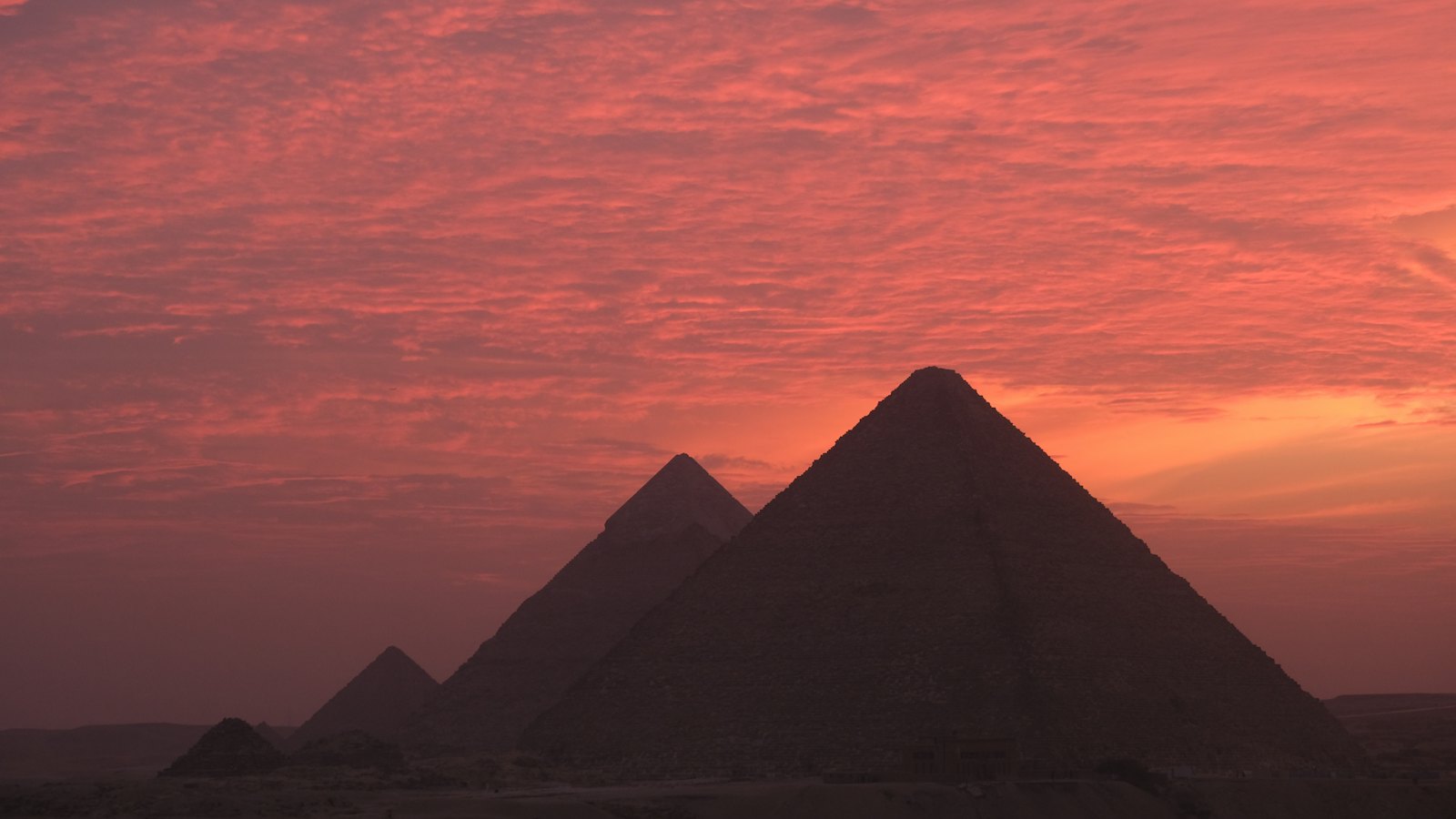
Cairo is where many Malaysians first meet the Arab world: the Pyramids of Giza on the city's western edge, a thousand years of mosques in Islamic Cairo, and thousands of Malaysian students at Al-Azhar University. It is loud, dusty and enormous, yet surprisingly cheap once you land. Below is what a KLIA flyer needs: the one-stop flights (nothing runs non-stop right now), the 14-day visa-free rule, the airport ride, where to sleep, halal food and mosques, a ziarah circuit, a four-day plan and the cost in ringgit.
Getting there from KL: flights via the Gulf
There is no non-stop service linking KLIA and Cairo right now (late September 2026), so every trip means one connection, usually in the Gulf. Etihad (Abu Dhabi), Qatar Airways (Doha), Emirates (Dubai), Oman Air (Muscat), Turkish Airlines (Istanbul), Saudia (Jeddah) and Air Arabia (Sharjah) all fly from KLIA Terminal 1 to their hubs and on to Cairo. The quickest connections take just under 13 hours gate to gate, and many itineraries run 13 to 20 hours depending on the layover. Egypt is five hours behind Malaysia until its clocks go back at the end of 29 October 2026, then six hours behind.
Amaboxly's KL fare scan, last refreshed 20 September 2026, found its lowest one-way fare, about RM 1,017, on Etihad through Abu Dhabi for a late-October date, with the middle of the range near RM 1,150. Routings through Muscat or Sharjah started around RM 1,220, through Doha around RM 1,270, Istanbul around RM 1,310 and Dubai around RM 1,410, while connections via Jeddah were far dearer. Prices move daily.
Air Arabia has also sold Sharjah flights into Sphinx International Airport (SPX), in the desert west of Giza, so check which Cairo airport your ticket names. EgyptAir plans to return to Singapore in early 2027 on a Cairo, Singapore and Sydney route, subject to approvals.
Cairo airport to the city
Cairo International Airport (CAI) is in Heliopolis, roughly 15 to 20 km north-east of Downtown by road. Allow 30 to 60 minutes to Downtown or Zamalek and an hour or more to Giza. The metro does not reach the airport yet. Prices are indicative, at about EGP 12.7 to RM 1.
- Uber or Careem: the easiest option. A ride to Downtown or Zamalek typically shows around EGP 250 to 350 (RM 20 to RM 28) upfront. At Terminal 3, Uber sends riders out through Gate 4 and down to the car park, where drivers wait at spot B5. Ignore anyone offering rides in arrivals.
- Airport taxi or limousine: white taxis and the limousine desks cost more, roughly USD 16 to 22, or EGP 850 to 1,150 (RM 65 to RM 90), to the centre, and limousine firms quote very different prices. Agree the fare, or see the meter running, before your bags go in.
- Pre-booked transfer: many hotels send a driver with a name sign, welcome after a late connection.
- Public bus: a shuttle links the terminals with the Cairo Airport Bus Terminal, where public buses leave for hubs such as Abbasia and Abdel Moneim Riad near Tahrir Square. Fares are low, but the buses are slow, crowded and hard work with suitcases.
Landing at Sphinx Airport instead? Use ride-hailing or a hotel pickup.
Where to stay in Cairo
Cairo sprawls for miles, and the right base saves hours in traffic.
- Downtown and Garden City: the old centre around Tahrir Square, near the Egyptian Museum, the Nile corniche and the junction of Metro Lines 1 and 2. The cheapest rooms in town, often small guesthouses on the upper floors of grand, slightly tired blocks. Good for budget travellers who like to walk.
- Zamalek: a leafy Nile island of embassies, cafes and river-view hotels, with its own Metro Line 3 station. Calmer than Downtown and popular with couples and families.
- Giza, near the Pyramids: hotels on the edge of the plateau, some with pyramid views from the roof, close to the Grand Egyptian Museum. Ideal for the ancient sites, but a long ride to Islamic Cairo and the airport.
- Nasr City and Heliopolis: residential districts near the airport with big malls. Nasr City's 7th and 10th Districts (Hayy Sabi' and Hayy 'Asyir) are home to many Malaysian students and several Malaysian state-owned hostels. Handy for stopovers and for parents visiting children at Al-Azhar.
A simple hotel near Al-Hussein Mosque puts you steps from Al-Azhar for Subuh, though rooms are basic and the lanes stay lively past midnight.
Things to do in Cairo
- Pyramids of Giza and the Sphinx: be at the gate when it opens at 7am, before the heat and coaches. General entry for foreign adults is EGP 700 (about RM 55), or EGP 350 for students aged 24 or under with ID; the Great Pyramid's interior costs extra.
- Grand Egyptian Museum: home of the Tutankhamun galleries, the Grand Stairs and the Khufu boats. Galleries open at 9am and stay open until 9pm on Wednesdays and Saturdays. Buy on the museum's official ticket site, which shows the current foreign-visitor price; expect to pay more than at the Pyramids.
- Islamic Cairo: walk Al-Muizz Street past Mamluk mosques and madrasas, then pray at Al-Azhar Mosque, over a thousand years old.
- Citadel of Saladin and the Muhammad Ali Mosque: the alabaster mosque on the hill looks out over a sea of minarets.
- Sultan Hassan and Al-Rifa'i mosques: twin giants below the Citadel.
- Khan el-Khalili: the old bazaar for brass lanterns, perfume oils and scarves. Bargain calmly.
- National Museum of Egyptian Civilization: the royal mummies in a hushed, dim gallery in Fustat.
- Saqqara and Dahshur: the Step Pyramid plus the Bent and Red Pyramids, a half-day south with far fewer crowds.
- Felucca on the Nile: an hour under sail at sunset from the corniche landings.
What to eat: koshari, ful and feteer
Egyptian food is filling, bread-heavy and cheap, and much of it feels familiar to anyone raised on roti and dhal.
- Koshari: rice, lentils, macaroni and chickpeas under tomato sauce, garlic vinegar and fried onions, sold in dedicated koshari shops all over Downtown.
- Ful medames and ta'ameya: slow-cooked fava beans and fava-bean falafel, the everyday breakfast with aish baladi flatbread.
- Feteer meshaltet: a flaky layered pastry eaten with honey and cheese or filled with meat, a richer cousin of roti canai.
- Hawawshi: spiced minced meat baked inside bread.
- Molokhia: a green jute-leaf stew with rice and chicken, or rabbit in some homes.
- Sweets and drinks: om ali (warm bread pudding), basbousa, kunafa, sugarcane juice and hot sahlab in winter.
Start with a koshari shop near Tahrir Square, then the cafes around Al-Hussein Mosque after dark. Zamalek has more sit-down restaurants, and Nasr City's malls cover chains and food courts. Street food is about USD 1 to 3 (RM 4 to RM 12) a portion, a local restaurant meal USD 5 to 15 (RM 20 to RM 60).
Halal food and prayer spaces
Egypt is overwhelmingly Muslim, and it shows at the table: the meat in ordinary local restaurants and street stalls is halal as a matter of course, even though menus almost never carry a logo like JAKIM's. Alcohol is the main thing to watch, served in many hotels and some restaurants and bars, and international hotel buffets or specialist delis may occasionally offer pork, so ask if unsure.
Prayer is simple. Cairo International Airport has prayer rooms in its terminals, and in the city a mosque is never more than a few minutes away. Al-Azhar and Al-Hussein are the obvious choices for Friday prayers, while the Muhammad Ali Mosque at the Citadel is the one every visitor photographs. Egypt switches between summer and winter time, so let your prayer app update after landing.
Missing home? Nasr City, especially around Hayy Sabi' and Hayy 'Asyir where many Malaysian students live, is the place to ask about Malaysian home cooking. Women should carry a scarf for mosque visits.
Getting around: metro, Uber and taxis
Traffic is intense and pavements are patchy, so most visitors mix ride-hailing with the metro.
- Ride-hailing: Uber and Careem both work across Cairo and Giza with upfront fares, paid by card in the app and usually by cash too; inDrive also operates in Egypt. Grab does not run in Egypt. City rides typically cost USD 2 to 7 (RM 8 to RM 28). Check the plate before getting in.
- Metro: three lines link Downtown, Giza, Heliopolis, Zamalek and Old Cairo. Since 27 March 2026 a ticket costs EGP 10 for up to nine stations, EGP 12 up to 16, EGP 15 up to 23 and EGP 20 beyond, all under RM 2. The two middle carriages are reserved for women, welcome at rush hour.
- Taxis: white taxis have meters, but make sure it is switched on or agree a price first.
- Car and driver: for Saqqara, Dahshur or a long Giza day, a driver for the day beats several separate rides. Hotels can arrange one.
- Walking: rewarding in Islamic Cairo and Zamalek, but cross wide roads carefully.
The metro stops short of the Pyramids, so finish the last stretch from Giza station by ride-hailing.
Sample itinerary: four days in Cairo
- Day 1: Reach the Giza gate at 7am for the Pyramids and the Sphinx, rest through the midday heat, then spend the afternoon at the Grand Egyptian Museum. Watch sunset behind the pyramids from a Giza rooftop.
- Day 2: Islamic Cairo. Begin at the Citadel and the Muhammad Ali Mosque, walk down to Sultan Hassan and Al-Rifa'i, then follow Al-Muizz Street to Al-Azhar Mosque for Asr. Evening in Khan el-Khalili and dinner near Al-Hussein Mosque.
- Day 3: Drive south for Saqqara and Dahshur, then meet the royal mummies at the National Museum of Egyptian Civilization. Finish with a sunset felucca on the Nile.
- Day 4: Ziarah morning at the Mausoleum of Imam al-Shafi'i and the Mosque of Amr ibn al-As, a short walk through Coptic Cairo, then Al-Azhar Park. Finish in Nasr City, where many Malaysian students live, close to the airport for a night flight home.
With a fifth day, take the train to Alexandria. Adding Luxor or Aswan? Every day anywhere in Egypt counts toward the 14-day visa-free stay.
Money, SIM and practical tips
- Currency: the Egyptian pound (EGP). RM 1 was worth about EGP 12.7 when this guide was written, so EGP 100 is roughly RM 8. Use bank or mall ATMs and keep small notes for tips.
- Cards: hotels, malls, Uber and larger restaurants take Visa and Mastercard. Ticket counters and kiosks at the Pyramids and other state-run sites take Visa and Mastercard, and tickets can also be bought ahead on the official Egymonuments site, so bring a card enabled for overseas use. DuitNow QR does not work in Egypt.
- SIM and eSIM: the main networks are Vodafone, Orange, e& (formerly Etisalat) and WE; buy a local SIM after landing or set up a travel eSIM before leaving KL. Egypt's telecom regulator says tourists' phones stay exempt from the imported-phone fee for 90 days from activation.
- Plugs: round two-pin sockets (Type C and F) at 220V, so a Malaysian three-pin plug needs a travel adapter.
- Tipping: baksheesh is part of daily life; guides, drivers and toilet attendants expect small tips.
- Scams: Cairo is generally safe, but watch for Giza camel and horse touts whose price changes at the end, strangers who say a site is closed and steer you to a papyrus or perfume shop, and taxis that refuse the meter. Agree every price first.
Ziarah trail: Imam Syafie, Al-Azhar and Umrah add-ons
For many Malaysian Muslims, Cairo is as much about ulama as pharaohs. A ziarah circuit takes about a day.
- Mausoleum of Imam al-Shafi'i: the resting place of Imam Syafie, whose school of law Malaysians follow, in the Southern Cemetery. The domed tomb reopened in 2020 after a long restoration.
- Sayyida Nafisa Mosque: nearby, honouring the learned great-granddaughter of Sayyidina Hasan, remembered as one of Imam al-Shafi'i's teachers in Egypt.
- Al-Azhar and Al-Hussein mosques: the heart of Islamic Cairo, where generations of Malaysian students have studied. By a tradition going back to the 12th century, Al-Hussein holds the head of Sayyidina Hussein.
- Mosque of Amr ibn al-As: founded in the 640s in Old Cairo, the first mosque built in Egypt.
Dress conservatively, keep voices low at shrines and avoid walking through during prayers unless joining the jamaah.
Pairing Cairo with Umrah? If you book through an agency, ask whether it offers an Egypt extension. Saudia and EgyptAir both link Jeddah and Cairo; match the legs to your Saudi visa dates and keep Egypt within 14 days unless you hold an e-Visa.
Before you go
- Best time to go
- October to April is the best time for Cairo, with January highs near 19°C and pleasant days on the Giza plateau. From June to September the heat is relentless, with average highs around 35°C, so sightseeing has to happen early and late. March to May can bring Saharan dust storms that haze the sky for a day or two, and winter nights fall to around 10°C, so pack a jacket. Malaysia's year-end school holidays (4 or 5 December to 31 December 2026, depending on the state) land in peak season, when hotels and tours cost more and Giza is crowded, so book early. Ramadan is expected to begin around 8 February 2027; sites keep shorter hours, but evenings around Al-Hussein come alive after iftar. The Cairo International Film Festival runs 11 to 20 November 2026.
- Visa for Malaysians
- As of September 2026, Malaysians do not need a visa for Egypt for stays of 14 days or less. Guidance from Egypt's consulate says Malaysian nationals may stay up to two weeks without a visa, with the usual visa rules applying after that. For longer trips, apply for the official e-Visa at visa2egypt.gov.eg at least seven days before departure: single entry costs USD 30 (about RM 122) and multiple entry USD 65 (about RM 265). Egypt wants six months or more left on your passport when you land. Keep your return ticket and hotel booking handy, and skip agent sites selling optional permits for a short visa-free visit. Entry rules can shift quickly, so check visa2egypt.gov.eg or ask the Embassy of Egypt in Kuala Lumpur shortly before you fly.
- Honest budget guide
- Most Malaysians spend roughly RM 150 to RM 600 each per day in Cairo, before flights, depending mostly on the room. Flights: our KL fare scan found Etihad through Abu Dhabi from about RM 1,017 one-way when this guide was written, so budget roughly RM 2,000 to RM 2,500 for a return. A guesthouse or budget hotel is about USD 20 to 50 (RM 80 to RM 200) a night, a three-star hotel USD 50 to 120 (RM 200 to RM 490). Allow RM 40 to RM 120 daily for meals and RM 20 to RM 60 for rides, plus tickets: EGP 700 (RM 55) for the Giza plateau and more again for the Grand Egyptian Museum. Five days with a three-star hotel shared by two, airfare included, lands around RM 3,300 to RM 4,800 a head. All figures are rough guides.
Frequently asked questions
Do Malaysians need a visa for Egypt?
No visa is needed for holidays of up to 14 days, according to Egypt's guidance as of September 2026. Staying longer means applying for the official e-Visa at visa2egypt.gov.eg at least a week ahead; single entry costs USD 30 (about RM 122). You need six months of passport validity, and it is worth rechecking the official site before flying.
Is there a direct flight from KL to Cairo?
No. Nothing flies non-stop from KLIA to Cairo at the time of writing, so you change planes once, usually in Abu Dhabi, Doha, Dubai, Muscat, Sharjah or Istanbul. The quickest connections take just under 13 hours, and our fare scan found Etihad from about RM 1,017 one-way.
Is Cairo Muslim-friendly?
Very. Egypt is a Muslim-majority country, so everyday restaurants and street stalls serve halal food, and landmark mosques such as Al-Azhar and Al-Hussein welcome visitors outside prayer times. The airport has prayer rooms in its terminals. Hotels often serve alcohol, and Nasr City is home to many Malaysian students.
How many days in Cairo is enough?
Three to four full days covers Giza and the Grand Egyptian Museum, Islamic Cairo and the Citadel, Saqqara and Dahshur, and a ziarah morning at the Mausoleum of Imam al-Shafi'i. Add a day for Alexandria. Adding Luxor and Aswan needs about ten days in Egypt, still inside the 14-day visa-free limit.
What is the best month to visit Cairo?
October to April, with November, February and March giving the best mix of mild weather and manageable crowds. January highs sit near 19°C, while summer averages around 35°C and makes midday sightseeing hard. December school holidays are peak season, and Ramadan is expected to start around 8 February 2027.
What does a 5-day Cairo trip cost from Malaysia?
Around RM 3,300 to RM 4,800 per person covers return flights, a mid-range hotel shared by two, meals, rides and the main entrance tickets. Airfare is the biggest slice, from about RM 1,017 one-way in Amaboxly's scan. Backpackers spend much less. These figures are indicative.
Can I use Grab in Cairo?
No, Grab does not operate in Egypt. Install Uber or Careem before leaving KL: both cover Cairo and Giza and show the fare upfront, with card payment in the app and cash usually accepted. inDrive also runs in Egypt. City rides usually cost about USD 2 to 7 (RM 8 to RM 28).
Is Cairo safe for Malaysian tourists?
Generally yes, and most visits pass without trouble. The usual annoyances are touts and small scams: camel rides at Giza whose price rises at the end, strangers claiming a site is closed, and taxis without meters. Use ride-hailing apps, agree prices first and dress modestly. The metro has women-only carriages.
Jom pergi
Ready to go Cairo? Compare available flights and hotels for your dates. Check baggage, cancellation terms and the final total on the booking provider before paying.






