




On this page12 sections
Bahrain packs an unusual amount of history into a small island nation. From a base in Manama, you can explore an ancient fort, walk through Muharraq's pearling quarter, browse traditional markets and reach the southern desert without losing entire days to travel. Malaysian visitors will find plentiful halal dining, accessible prayer facilities and a nonstop Gulf Air service from KLIA. The country suits a focused long weekend, although four days provide a more comfortable pace. This guide covers entry requirements, flight options, neighbourhoods, transport, costs and a practical route through Bahrain's principal attractions.
Flying from Kuala Lumpur to Bahrain
Gulf Air operates the nonstop service between Kuala Lumpur International Airport and Bahrain International Airport, known by the code BAH, as of September 2026. Services depart from KLIA Terminal 1. Flying time is usually about seven and a half to eight hours, although schedules and terminal arrangements should be checked again shortly before departure.
Connecting itineraries are also available through hubs such as Abu Dhabi, Muscat, Sharjah, Dubai, Doha and Singapore. A fare search for 24 October 2026 found an Etihad journey through Abu Dhabi at RM1,016 for a single trip. Across the scanned results, the midpoint price for one direction was RM1,469. Oman Air appeared from approximately RM1,225 through Muscat, while an Air Arabia routing through Sharjah began near RM1,466. These figures capture one search period and may exclude checked luggage, seat selection or meals.
When comparing tickets for a brief holiday, look beyond the headline price. Connection length, luggage entitlement and the local arrival time can materially affect the trip. Paying more for the direct service may preserve several useful sightseeing hours.
Reaching Manama from Bahrain Airport
Bahrain International Airport stands on Muharraq island. In light traffic, the drive to central Manama generally takes 15 to 25 minutes. For simple estimates, calculate each Bahraini dinar at about RM11 to RM12, then consult the current exchange rate before travelling.
- Public bus: Bahrain Public Transport's red buses run from the airport toward Muharraq and central parts of Manama. Expect a fare of approximately BHD0.30 to BHD0.50, or about RM3.50 to RM6, according to how you pay. Reaching a central district can require 35 to 60 minutes once waiting and transfers are included. A reloadable GO Card is helpful for repeated journeys.
- Airport taxi: Official metered cars wait outside the arrivals area. Central Manama trips are often BHD6 to BHD10, approximately RM70 to RM120, depending on traffic, destination and airport surcharges. Ensure the meter is switched on.
- App-booked car: Uber and Bahrain-based booking platforms operate locally. The application normally presents the price before you accept, but collection zones at the terminal may differ.
- Reserved transfer: A pre-booked vehicle can simplify arrival for a family or a group carrying substantial luggage, though it generally exceeds an ordinary taxi fare.
Verify the hotel's precise neighbourhood because properties marketed as being in Manama may be separated by considerable driving distance.
Choosing an area to stay
Manama and its adjoining districts are the most convenient bases for a first Bahrain visit. Since the metropolitan area is compact, your preferred surroundings and transport plans matter more than a few kilometres of distance.
- Bab Al Bahrain and central Manama: Choose this area for immediate access to the souq, historic commercial streets and evening walks. Building quality and street noise differ noticeably between blocks.
- Diplomatic Area: This modern business district sits near the waterfront and several central attractions. It suits short holidays, corporate travellers and anyone prioritising efficient road connections.
- Juffair: Apartments, varied restaurants and nightlife make Juffair popular for longer visits. Al Fateh Grand Mosque is nearby, but certain streets become busy after sunset and the setting feels less traditional.
- Seef: Families often appreciate its newer hotels, major shopping centres and straightforward road access to Bahrain Fort. Most outings are easier by taxi or rental vehicle because the district is not designed primarily for walking.
Without a hire car, reserve a property near a practical bus route or include app-booked transport in the budget. Summer heat can make even a short walk unpleasant, and some roads have limited pedestrian infrastructure.
Essential sights across Bahrain
Bahrain's leading attractions reveal several layers of Gulf history, from Dilmun settlements and burial grounds to the pearl trade and contemporary Manama. Three or four days allow time for six to eight substantial stops.
- Bab Al Bahrain and Manama Souq: Pass through the famous gateway into streets lined with merchants selling spices, fragrances, fabric and gold.
- Bahrain National Museum: Its displays introduce Dilmun society, ancient burial practices, pearling traditions and domestic island culture.
- Qal'at al-Bahrain: Explore the UNESCO-listed archaeological complex commonly called Bahrain Fort. Late afternoon brings gentler temperatures for walking.
- Pearling Path: Follow Muharraq lanes and restored buildings associated with the historic pearl industry. Opening access may differ among the individual houses.
- Al Fateh Grand Mosque: Visit this prominent religious landmark outside prayer restrictions, wearing clothing appropriate for a mosque.
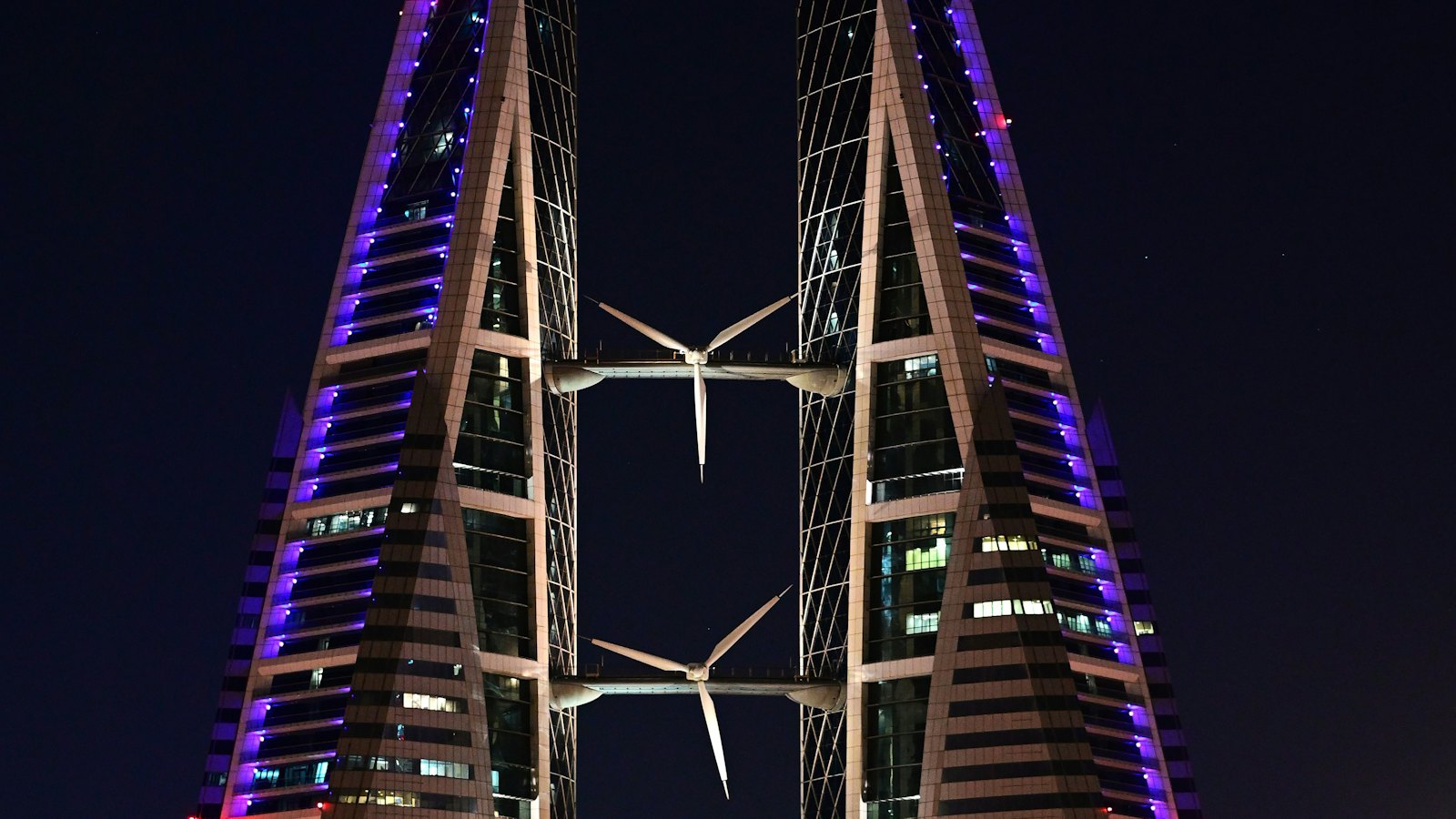
- Bahrain World Trade Center area: View Manama's recognisable twin towers and the surrounding waterfront business quarter.
- Tree of Life: Include this mature desert tree in a wider southern drive so the journey delivers more than a single stop.
- A'ali: See ancient burial mounds and learn about a pottery craft that remains active today.
- Al Dar Islands: When sea and weather conditions cooperate, take a boat for swimming or a beach break.
What to eat in Bahrain
The cooking of Bahrain reflects Arabian, Persian and Indian Ocean influences. Malaysian palates may recognise the emphasis on rice, seafood and layered spices, while local combinations provide a distinct Gulf character.
Machboos pairs seasoned rice with fish, chicken or lamb. Muhammar is a sweeter rice dish that is frequently eaten with fish. Harees blends wheat and meat into a smooth, filling preparation, whereas thareed places bread beneath a stew of vegetables and meat. At breakfast, consider balaleet, which combines sweet vermicelli with egg, or eat warm khubz with beans, cheese and eggs. Samboosa is convenient while browsing the souq. Halwa Bahraini, often scented with cardamom, saffron or nuts, goes well with Arabic coffee.
Traditional grills, bakeries and confectioners can be found around Manama Souq and old Muharraq. Adliya, Juffair and Seef have a wider mixture of Gulf, South Asian and international restaurants. When seafood is priced according to weight, agree on the amount and total cost before cooking. Family groups can save money by ordering several generous dishes for the table.
Halal dining and places to pray
As a Muslim-majority country, Bahrain makes halal meals and daily prayers relatively easy for Malaysian visitors. Bahraini, Arab, Indian and Pakistani establishments ordinarily use halal meat. Extra confirmation is sensible in international hotels, restaurants licensed to sell alcohol or any venue where the menu is unclear. Pork is generally confined to licensed premises rather than everyday neighbourhood eateries.
Mosques are distributed throughout Manama, Muharraq and the surrounding communities. Al Fateh Grand Mosque is both a major place of worship and a visitor attraction, with access limited at certain prayer periods. Large malls commonly maintain labelled prayer rooms for men and women, and passengers can also pray at Bahrain International Airport. Travellers who use a personal prayer garment may prefer to carry one during longer outings. Friday schedules deserve particular attention when arranging visits.
Maps and Muslim travel applications, including HalalTrip, can assist with restaurant searches, but current customer comments often provide better evidence than an outdated listing. Ask directly whether every meat ingredient is halal and whether sauces contain alcohol. Fish and meat-free meals provide simple alternatives whenever certainty is unavailable.
Transport within Bahrain
There is no metro system in Bahrain, so travellers usually mix buses with metered taxis or cars requested through an app. Grab is unavailable. Congestion around Manama increases during weekday commuting hours, making extra time important for flights, booked tours and dinner reservations.
Public buses link the airport with Manama, Muharraq, Isa Town, Riffa and other settled areas. Most individual rides cost approximately BHD0.30 to BHD0.50, equal to roughly RM3.50 to RM6. Using a rechargeable GO Card is simpler for several trips than arranging cash each time. Vehicles are air-conditioned, although journeys to remote archaeological or desert locations may require transfers, lengthy waits and a taxi for the final stretch.
Street taxis use meters, while Uber and domestic booking services offer clearer collection arrangements and advance price information. Many brief journeys within the urban area cost BHD2 to BHD5, around RM23 to RM60, but distance and demand can raise the charge. Check that the meter has begun when entering a conventional taxi.
Hiring a vehicle is useful for A'ali, Bahrain Fort, the Tree of Life and southern Bahrain. Traffic keeps to the right, opposite to Malaysia, so drivers should adjust cautiously. Parking tends to be less difficult beyond the historic centres of Manama and Muharraq.
Four days in Bahrain
- Day 1: After landing at BAH, check in and head to Bab Al Bahrain. Wander through the spice, fragrance, textile and jewellery lanes of the souq, pause for local coffee or tea, and order machboos for dinner. Leave the evening lightly scheduled in case the inbound flight is delayed.
- Day 2: Spend the morning at Bahrain National Museum, then travel to Muharraq. Follow selected portions of the Pearling Path and enter the heritage houses that are open. A focused selection is more rewarding than racing between every marked location. Dine in Muharraq or finish beside Manama's waterfront.
- Day 3: Tour Al Fateh Grand Mosque while observing its clothing requirements and worship timetable. Continue to A'ali before reaching Bahrain Fort later in the afternoon, when walking is more comfortable and the light suits photographs.
- Day 4: Arrange a rental car or driver for the Tree of Life and additional places in the south. Back in the city, use the remaining hours for Seef shopping or an unhurried meal before departing. With a fifth day and suitable marine conditions, substitute an Al Dar Islands trip for the shopping period.
This sequence keeps nearby places together and reduces unnecessary travel across the urban area. In hotter seasons, reserve open-air activities for morning or the period approaching sunset.
Money and tipping in Bahrain
The Bahraini dinar, abbreviated BHD, contains 1,000 fils and has a high value relative to the ringgit. Using RM11 to RM12 for each dinar is adequate for quick mental calculations, but consult a current rate before changing cash. Hotels, larger shops and established dining venues commonly accept international cards. Keep low-denomination cash for bus travel, market purchases and modest restaurants. DuitNow QR should not be expected as a local payment option.
Visitors can purchase prepaid SIM cards at Bahrain International Airport or in shopping malls. Travel eSIM packages are another convenient choice for a short holiday. Compare validity, included data and activation instructions rather than selecting solely by price. Electrical sockets use Type G plugs with three rectangular pins, matching the standard used in Malaysia, so most Malaysian chargers connect directly.
Gratuities are moderate rather than compulsory. Read the bill for an existing service charge. If none appears, rounding a taxi total or adding about 5 to 10 percent after attentive restaurant service is appropriate.
Apply ordinary precautions to valuables and transport after dark. Insist on a taxi meter, establish the cost of gold or fish sold by weight, and carry drinking water plus sun protection. Conservative clothing is considerate in mosques, traditional markets and residential neighbourhoods.
Before you go
- Best time to go
- November through March offers Bahrain's easiest weather for outdoor sightseeing. Temperatures are generally comfortable enough for Bahrain Fort, Muharraq's lanes and desert excursions, although nights may be cool. This period attracts more visitors and can bring higher accommodation prices. April and October remain reasonable alternatives when outside activities are placed in the cooler hours. Between May and September, strong heat and humidity make prolonged midday walking difficult, so museums and malls are better daytime choices. Large events and Malaysian year-end holidays can reduce flight and hotel availability. Ramadan affects meal times and business hours, while Eid increases family travel across the region. Reserve winter weekends and event dates well ahead.
- Visa for Malaysians
- Malaysian passport holders need a Bahrain visa; Bahrain does not offer visa-free entry to Malaysians. As of September 2026, Malaysians can apply for an e-visa online before travel or get a visa on arrival, for a stay of up to 14 days. Those applying in advance use the government portal at evisa.gov.bh and should allow several working days for processing after submitting the application and payment. Those relying on arrival processing should bring confirmed accommodation details and evidence of onward or return travel. Passports should generally be valid for at least six months. Fees, supporting documents and permitted durations can change, so check the official portal before departure.
- Honest budget guide
- A sensible daily allowance is RM300 to RM650 per traveller before international airfare. The September 2026 search found an Etihad single journey from Kuala Lumpur through Abu Dhabi for RM1,016, and RM1,469 was the midpoint among scanned one-direction fares. Round-trip totals depend on dates, baggage and airline. Basic rooms may run from RM180 to RM300 nightly, while comfortable mid-range properties often cost RM350 to RM650. Set aside approximately RM70 to RM160 each day for meals and RM30 to RM120 for transport, with buses at the lower end and frequent taxis at the upper end. For four nights, an overall estimate of RM3,500 to RM6,500 each can cover round-trip air travel, a room shared with another traveller, activities and daily expenses. Treat every amount as a planning estimate.
Frequently asked questions
Do Malaysians need a visa for Bahrain?
Yes. As of September 2026, Malaysian citizens can apply for an e-visa before travel or get a visa on arrival, for a stay of up to 14 days. Entry is not visa-free. Bring accommodation confirmation, onward travel evidence and a passport valid for six months or longer. Check evisa.gov.bh for updated conditions and charges.
Is there a direct flight from Kuala Lumpur to Bahrain?
Gulf Air operates the nonstop connection from KLIA Terminal 1 to Bahrain International Airport as of September 2026. Typical flying time ranges from around seven and a half to eight hours. Tickets with a connection may route through Abu Dhabi, Muscat or Sharjah. Reconfirm the current departure terminal and timetable through your booking before travel.
How many days are enough for Bahrain?
Three complete days can include Manama Souq, the national museum, Muharraq's pearling heritage, Bahrain Fort and an outing into the southern desert. Allowing four days creates a gentler schedule with space for shopping, the beach or longer dinners. Short road distances make the country particularly suitable for an extended weekend.
Is Bahrain Muslim-friendly for Malaysian travellers?
Yes. Halal meals are readily found, mosques are numerous, and prayer rooms are provided at the airport and in leading malls. Alcohol may be offered by international hotels and licensed entertainment venues, so diners can verify ingredients when necessary. Respectful, modest dress is advised in mosques, traditional shopping areas and residential streets, especially during Ramadan.
What is the best month to visit Bahrain?
Any month from November to March is favourable for outdoor exploration. January and February often have agreeably cool nights, while December can be busier because of regional travel and Malaysian holidays. October and April are useful shoulder-season choices. Summer demands a schedule centred on indoor attractions until temperatures ease later in the day.
How much money should I budget for four days in Bahrain?
Plan approximately RM3,500 to RM6,500 for each person on a four-night visit. That range can incorporate round-trip airfare estimates, accommodation divided between two guests, food, routine sightseeing and ground transport. Bus travel and casual eateries reduce the bill, whereas resorts, repeated taxi journeys and a private desert vehicle increase it. Remember that one Bahraini dinar represents many ringgit.
Can I use Grab in Bahrain?
Grab is not available in the country. Alternatives include Uber, local vehicle-booking platforms and conventional metered taxis. Public buses provide a low-cost way to move among the airport, Muharraq and Manama. For the Tree of Life, A'ali or Bahrain Fort, a hired car or taxi is usually more efficient. Follow the application's instructions for airport collection.
Can I use Malaysian cards and DuitNow QR in Bahrain?
Hotels, malls and established restaurants commonly take international credit and debit cards when overseas usage has been activated. Carry some dinars for buses, small food outlets and souq purchases because DuitNow QR is not routinely supported. Check whether your bank requires a travel notice, and choose payment in dinars instead of accepting avoidable ringgit conversion at the terminal.
Jom pergi
Ready to go Bahrain? Compare available flights and hotels for your dates. Check baggage, cancellation terms and the final total on the booking provider before paying.






