




On this page12 sections
Sharjah offers a quieter, more traditional introduction to the UAE than neighbouring Dubai. Its strengths are Islamic architecture, thoughtful museums, restored souqs, family-friendly waterfronts and easy access to the desert. It also works well as a lower-key base for exploring both Sharjah and Dubai, although cross-emirate traffic needs careful planning. For Malaysians, the journey is particularly convenient: Air Arabia flies directly from KLIA, halal food is the norm and Malaysians receive a free 30-day visa on arrival.
Flying to Sharjah from Kuala Lumpur
Air Arabia flies directly from Kuala Lumpur International Airport to Sharjah International Airport (SHJ) as of September 2026. The flight takes roughly seven hours, depending on winds and the operating schedule. Check the terminal shown on your booking and boarding pass before leaving home because airport arrangements can change.
At the time of writing, Amaboxly's fare scan shows the cheapest one-way fare at RM966 on Air Arabia, direct, for travel on 24 November 2026. The median one-way fare is RM1,218. Treat these as snapshots rather than fixed prices, particularly around Malaysian school holidays, year-end travel and major UAE events. The scan also found one-stop options from around RM1,228 via Doha and RM1,544 via Dhaka, although a connection makes little sense unless its timing or baggage allowance suits you better.
Compare the full cost, not just the headline fare. Check cabin and checked-baggage allowances, seat selection, meals and payment fees. Sharjah follows Gulf Standard Time, four hours behind Malaysia.
Sharjah Airport to the city
Sharjah International Airport is about 15 km from central Sharjah. Travel times vary sharply with traffic, especially during weekday commuting periods. For quick estimates, use a working rate of AED1 to roughly RM1.15.
- Taxi: Metered airport taxis are the simplest choice and operate from the terminal. Allow around 20 to 35 minutes to central areas such as Al Majaz, Al Qasba or Rolla in light traffic. A typical fare is roughly AED45 to AED70 (RM52 to RM81), including the airport starting charge. Heavy traffic can push both time and cost higher.
- Public bus: Local buses connect the airport with Sharjah's urban transport network. Expect roughly AED8 to AED15 (RM9 to RM17), depending on the service and destination. This is cheapest for light travellers, but it can require a transfer and considerably more time.
- Pre-booked car: Hotel or private transfers generally cost around AED80 to AED150 (RM92 to RM173). They are useful for families, late arrivals or groups with several bags.
- Rental car: Desks are available at the airport, but parking rules and cross-emirate traffic make driving worthwhile mainly for desert excursions or a wider UAE road trip.
If staying in Dubai, budget 30 to 60 minutes or longer by taxi, with fares commonly around AED90 to AED160 (RM104 to RM184).
Where to stay in Sharjah
Al Majaz is the most convenient all-round base. Its waterfront paths, restaurants and views across Khalid Lagoon make evenings pleasant, while central attractions remain a short taxi ride away. It suits first-time visitors, couples and families who want a polished neighbourhood without Dubai's intensity.
Al Qasba works well for families and slower trips. The canal-side setting has cafes, children's attractions and space for evening walks. It feels relaxed after dark, although reaching the heritage district usually requires a taxi or bus.
The Heart of Sharjah and Rolla area places you near restored lanes, souqs, museums and the older commercial centre. Choose it for culture, street life and more modest room rates. The surroundings are busier and less resort-like, so check recent accommodation reviews carefully.
Al Khan is best for beach access, the aquarium area and travellers who intend to make occasional trips into Dubai. Accommodation ranges from practical apartments to waterfront properties. However, rush-hour traffic across the Sharjah-Dubai boundary can be punishing. If Dubai sightseeing is a priority, do not choose solely by map distance. Confirm that your room price includes tourism charges, taxes and breakfast before paying.
Things to do in Sharjah
- Heart of Sharjah: Walk through restored courtyards, wind-tower architecture, small museums and lanes that recall the emirate before its rapid urban growth.
- Sharjah Museum of Islamic Civilization: Explore galleries covering Islamic faith, science, manuscripts, art and material culture beneath a distinctive golden dome.
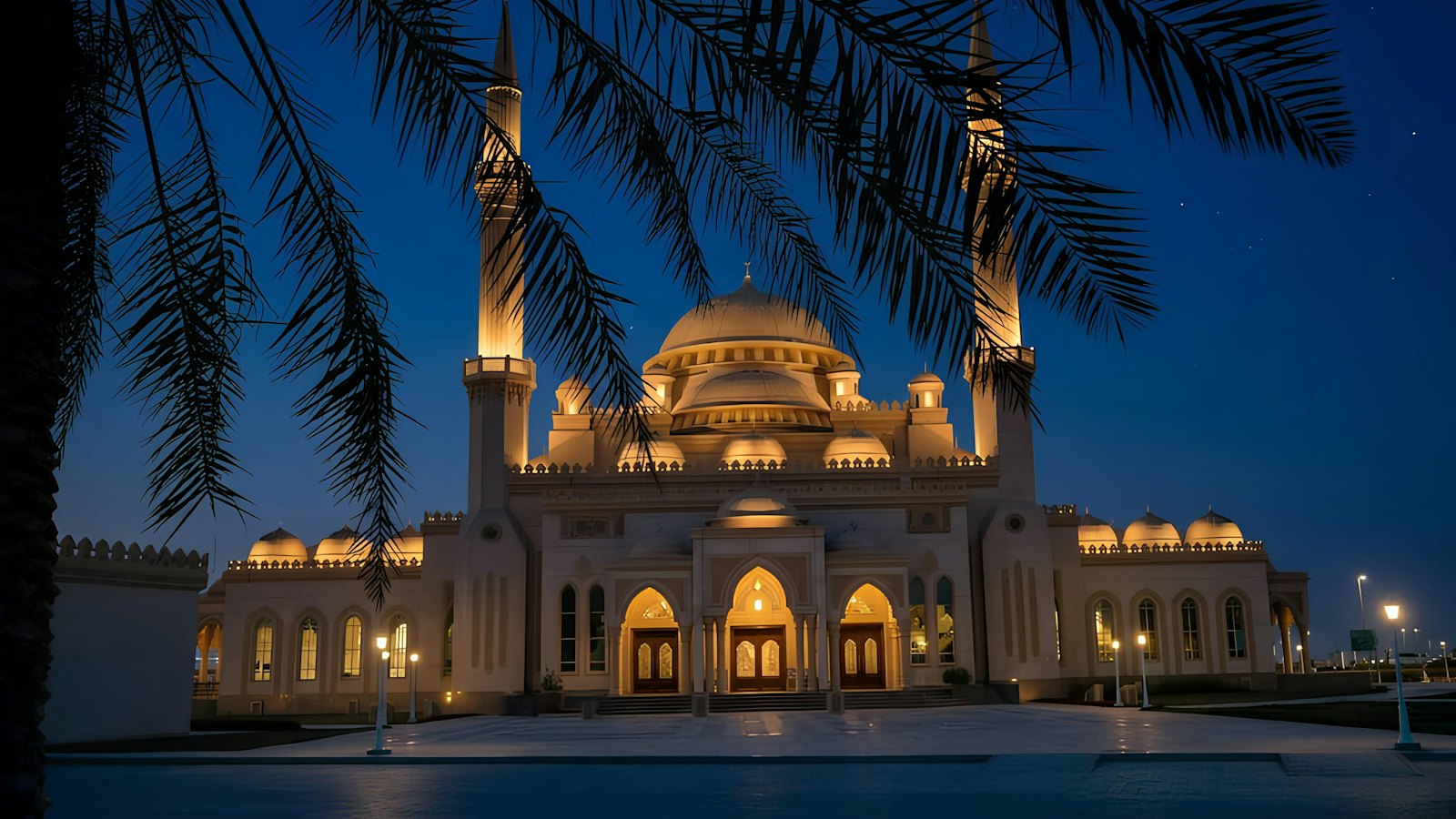
- Al Noor Mosque: Admire the Ottoman-influenced design beside Khalid Lagoon. Join an authorised visitor programme if available, dress modestly and respect prayer times.
- Al Majaz Waterfront: Come in the cooler evening for lagoon views, landscaped paths and family dining.
- Al Qasba: Follow the canal, browse cafes and enjoy an easy evening with children.
- Blue Souk: Shop for carpets, jewellery, perfume, clothing and souvenirs in one of Sharjah's most recognisable buildings. Compare quality and bargain politely.
- Sharjah Art Museum: See works from the Arab world and rotating exhibitions in a calm cultural setting.
- Rain Room: Walk through falling water without being drenched as motion sensors create a dry path around you. Advance booking is sensible.
- Al Khan waterfront: Combine the aquarium district, maritime themes and a walk beside the water.
- Mleiha: Take a guided trip into the inland desert for archaeology, fossil landscapes and sunset scenery. Use a reputable operator rather than driving onto dunes independently.
What to eat
Emirati food is built around rice, meat, seafood, dates and warm spices rather than fierce chilli. Try machboos, fragrant spiced rice served with chicken, lamb or fish; harees, a slow-cooked wheat and meat dish; and thareed, bread softened in a meat and vegetable stew. Luqaimat are small fried dumplings usually finished with date syrup, while khameer is a lightly sweet bread that works well at breakfast.
Sharjah's large Arab and South Asian communities broaden the choice considerably. Look for shawarma, mixed grills, hummus, falafel, mandi rice and Levantine mezze, alongside Pakistani biryani, Indian curries and Kerala seafood. Rolla and the older commercial streets are useful for inexpensive meals, while Al Majaz and Al Qasba offer more comfortable waterfront dining. Fish restaurants around Al Khan are a good choice for grilled local catch.
A simple cafeteria meal can cost roughly AED12 to AED25 (RM14 to RM29). Allow AED30 to AED60 (RM35 to RM69) for a casual sit-down meal and more for a polished waterfront restaurant. Portions are often generous, so sharing several dishes can be economical.
Halal food and prayer spaces
Sharjah is Muslim-majority, and halal food is widely available, so Muslim Malaysians rarely need to plan meals around certification in the way they might elsewhere. Pork and alcohol are tightly restricted, but it remains sensible to ask if an imported packaged item or international restaurant concerns you. Staff readily understand the word halal.
Mosques are found throughout the city. Al Noor Mosque is the best-known landmark mosque near Khalid Lagoon, while Sharjah Mosque is a major place of worship farther from the centre. Shopping centres provide prayer rooms and ablution facilities, and Sharjah International Airport has clearly marked prayer facilities. Carry a light prayer garment if preferred and allow extra travel time around Friday congregational prayers.
Non-Muslim visitors should cover shoulders and knees at religious and heritage sites. Women may need to cover their hair when entering a mosque, and visitor access can pause during prayers. Apps such as Muslim Pro or Athan can help with prayer times and qibla direction, but local mosque announcements take precedence. Ramadan brings shorter daytime dining choices and livelier evenings, so observe local rules and avoid eating conspicuously in public during fasting hours.
Getting around Sharjah
Sharjah has public buses, metered taxis and app-booked cars, but no metro. Buses are inexpensive, generally costing roughly AED6 to AED15 (RM7 to RM17) per journey depending on distance and payment method. A Sayer card is the local stored-value option for regular bus users. Routes are most useful when your accommodation and sights sit along the same corridor; taxis save considerable time on a short visit.
Metered taxis are plentiful. Short urban journeys often cost around AED15 to AED35 (RM17 to RM40), while longer rides or congestion cost more. Official taxis are usually cream-coloured with different roof colours identifying their operators. Ask the driver to use the meter.
Grab does not operate in Sharjah. Use authorised UAE ride-booking options such as Careem, or book a licensed taxi through the available local transport service. App prices may exceed a street-hailed meter fare at busy times.
There is no seamless rail link between Sharjah and Dubai. Cross-emirate buses are affordable, but congestion and transfers can consume much of the day. A road journey that looks short on a map may take well over an hour during peak periods. Group nearby sights together and avoid crossing into Dubai during the morning and evening commute.
A 3-day Sharjah itinerary
- Day 1: Begin in the Heart of Sharjah, where restored buildings and shaded lanes give useful context for the emirate's history. Continue to the Sharjah Museum of Islamic Civilization, then browse the Blue Souk. End with a walk and dinner around Al Majaz Waterfront.
- Day 2: Spend the morning at Sharjah Art Museum or another heritage museum that matches your interests. Reserve an afternoon slot for Rain Room, then continue to Al Noor Mosque and Al Qasba as temperatures ease. Use taxis between stops to avoid losing time to indirect bus routes.
- Day 3: Join a reputable guided excursion to Mleiha for archaeological landscapes and a desert sunset. Confirm whether transport, refreshments and any dune activity are included. If you prefer a city day, choose Al Khan, the aquarium district and a relaxed seafood meal instead.
A fourth day can be used for Dubai, but start early and avoid returning at the evening traffic peak. Travellers more interested in culture than shopping can instead explore additional Sharjah museums and take a slower waterfront day. Three full days are enough for the main sights without rushing.
Money, SIMs and practical tips
The currency is the UAE dirham (AED). For simple planning, AED1 is roughly RM1.15, but check the live rate before departure. Cards and contactless payments are accepted widely, while cash helps at small cafeterias, souqs and older shops. Malaysian DuitNow QR is not a general payment method in the UAE. Avoid airport exchange counters for large amounts unless their total rate is competitive.
Tourist SIMs and eSIMs from major UAE networks are easy to arrange, although data can cost more than in Malaysia. Confirm activation, validity and data allowance before leaving the counter. Save offline maps because navigation can be confusing around multilane roads.
The UAE uses Type G plugs, the same three rectangular pins used in Malaysia, and electricity is 230V. Tipping is optional: rounding up a taxi fare or leaving about 5 to 10 percent for good restaurant service is sufficient when a service charge is not included.
Sharjah is generally safe, but normal precautions still matter. Use licensed taxis, keep valuables secure and reject unofficial tour or transport offers. Dress modestly, ask permission before photographing people and never photograph government or security facilities. Public drunkenness, offensive gestures and aggressive arguments can lead to serious trouble. Sharjah has stricter alcohol rules than neighbouring Dubai.
Before you go
- Best time to go
- November to March is the most comfortable period for sightseeing in Sharjah. Days are generally warm rather than punishingly hot, while evenings can feel cool enough for a light layer. December and the Malaysian year-end school holidays bring stronger demand and higher airfares, so book early. April, May, September and October are hotter but can offer better accommodation value if you schedule outdoor sights for morning and evening. June to August is intensely hot and humid, with much of the day better spent indoors. Ramadan dates shift each year; it is a rewarding time for evening atmosphere, but daytime dining and attraction schedules may be reduced. Check current festival dates before booking.
- Visa for Malaysians
- As of September 2026, Malaysian passport holders receive a free 30-day multiple-entry visit visa on arrival in the UAE and do not need a visa in advance. Your passport should be valid for at least six months from arrival, or the airline may refuse boarding at KLIA. Immigration may conduct an eye scan, and eligible travellers with biometric passports may be able to use automated gates. A new 30-day cycle begins only after the existing permission has been used up, and overstays attract fines on departure. If you need longer, arrange the correct status through the UAE Federal Authority for Identity, Citizenship, Customs and Port Security before your permission expires. Confirm the latest requirements on u.ae or icp.gov.ae before you fly.
- Honest budget guide
- Budget around RM250 to RM500 per person per day in Sharjah, excluding international flights. At the time of writing, one-way fares from KL start at RM966 direct on Air Arabia, while the median one-way fare is RM1,218. A budget room or simple apartment may cost roughly RM160 to RM280 a night, and a comfortable mid-range room around RM300 to RM550. Allow RM60 to RM130 daily for food and RM30 to RM90 for local buses and taxis, more if making repeated trips to Dubai. Museum admissions, a desert excursion and shopping sit on top of this. A typical three-night trip for one person is roughly RM2,600 to RM4,300 including return flights, accommodation, meals, local travel and moderate sightseeing. All figures are indicative and rise during school holidays and major events.
Frequently asked questions
Do Malaysians need a visa for Sharjah?
No advance visa is required. As of September 2026, Malaysian passport holders receive a free 30-day multiple-entry visit visa on arrival in the UAE. The passport should remain valid for at least six months from arrival. Overstays are fined, so arrange the correct permission before the existing stay expires. Confirm current rules on u.ae or icp.gov.ae before flying.
Is there a direct flight from Kuala Lumpur to Sharjah?
Yes. Air Arabia flies directly from KLIA to Sharjah International Airport as of September 2026, with a journey of roughly seven hours. At the time of writing, fares found in Amaboxly's scan start at RM966 one-way, while the median one-way fare is RM1,218. Check baggage, meals and seat fees when comparing totals.
Is Sharjah Muslim-friendly?
Yes. Sharjah is a Muslim-majority emirate where halal food, mosques and prayer facilities are widespread. The airport and major shopping centres have prayer rooms, and restaurants readily understand halal requirements. Visitors should dress modestly and observe mosque etiquette. During Ramadan, avoid eating or drinking conspicuously in public during fasting hours and expect some daytime schedules to change.
How many days are enough for Sharjah?
Three full days suit most first visits. That allows one day for the heritage district and museums, one for waterfront attractions and Al Noor Mosque, and one for Mleiha or Al Khan. Add a fourth day if you want a Dubai excursion, but account for heavy traffic between the two emirates rather than judging the journey by distance alone.
What is the best month to visit Sharjah?
November to March offers the easiest weather for walking, souqs and desert trips. January and February are particularly comfortable, although evenings can feel cool. December overlaps Malaysian school holidays and usually costs more. April, May, September and October are hotter but can be better value. June to August is extremely hot, so outdoor sightseeing requires careful timing.
How much money should I budget for four days in Sharjah?
Allow roughly RM3,000 to RM4,800 per person for a four-day, three-night trip including return flights from KL, accommodation, food, local transport and moderate sightseeing. Budget travellers sharing a room can spend less, while taxis, Dubai day trips, shopping and a premium desert tour increase the total. These figures are indicative, and year-end travel often costs more.
Can I use Grab in Sharjah?
No, Grab does not operate in Sharjah. Licensed metered taxis are widely available, and Careem is a familiar app-based alternative. Short rides within the city often cost about AED15 to AED35, depending on distance and traffic. For airport transfers or cross-emirate travel, expect a higher fare and allow substantial extra time during commuting periods.
Can I stay in Sharjah and visit Dubai?
Yes, but traffic is the deciding factor. Taxis and inter-emirate buses connect the two, yet peak-hour congestion can turn a short-looking journey into more than an hour. Sharjah can offer calmer surroundings and better-value rooms, but it is inconvenient for daily Dubai sightseeing. Group Dubai attractions into one planned day and travel outside commuter peaks.
Jom pergi
Ready to go Sharjah? Compare available flights and hotels for your dates. Check baggage, cancellation terms and the final total on the booking provider before paying.






