




On this page12 sections
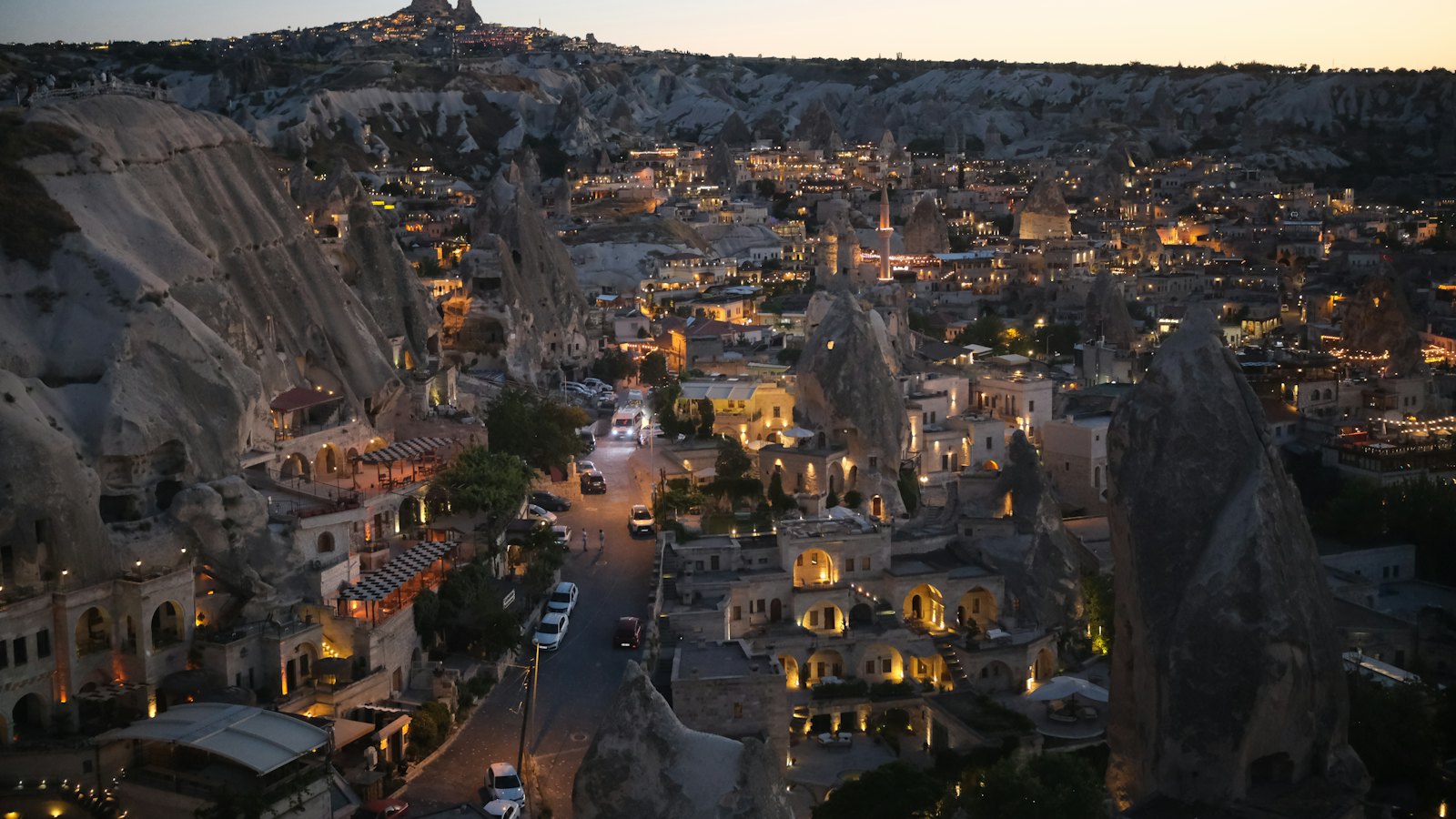
Cappadocia feels shaped for slow discovery, with volcanic valleys, rock-cut churches, underground settlements and villages built around pale stone cliffs. Goreme makes the most convenient base, while Uchisar and Urgup offer quieter alternatives. For Malaysians, the journey usually involves a flight through Istanbul to Kayseri or Nevsehir, followed by a road transfer. This guide explains that route from KLIA, realistic costs in ringgit, balloon booking strategy, halal food, transport and a practical four-day itinerary. It also covers Turkey's visa-free entry rule for Malaysian passport holders and the seasonal conditions that can affect flights and outdoor plans.
Getting There from Kuala Lumpur
Cappadocia does not have one central airport. Most Malaysian travellers fly from Kuala Lumpur to Istanbul, connect to Kayseri Airport (ASR) or Nevsehir Kapadokya Airport (NAV), then continue by road to Goreme. No direct KLIA to Cappadocia flight is listed as operating as of September 2026, so most trips need at least one stop. A sensible through-ticket usually takes about 14 to 20 hours, depending on the Istanbul connection. Separate tickets can be cheaper, but missed-connection protection and checked-baggage transfers may not apply.
Kayseri receives more flights and often produces better schedules, although it is farther from Goreme. Nevsehir is closer but has fewer choices. If your first flight arrives at one Istanbul airport and the domestic sector leaves from the other, avoid that itinerary unless you have a very long buffer. Crossing Istanbul with luggage can consume several hours.
Your KLIA terminal depends on the operating carrier, not the destination. Check the booking carefully for Terminal 1 or Terminal 2 before leaving home, and recheck any codeshare segments.
There are no fares available yet for the Kuala Lumpur to Kayseri route. For planning, an indicative return economy range is roughly RM 2,600 to RM 4,500, with school holidays, summer and short connections often costing more.
Kayseri or Nevsehir Airport to Goreme
Pre-book your airport transfer because neither airport has a convenient rail link to Cappadocia's main towns. Shared shuttles commonly coordinate their departure with domestic arrivals and deliver passengers to accommodation in Goreme, Uchisar, Urgup or nearby villages. Confirm the pickup instructions before flying, particularly if you arrive late.
- From Kayseri Airport: allow roughly 60 to 90 minutes to Goreme. A shared shuttle generally costs around TRY 500 to TRY 900 (about RM 50 to RM 90) per person. A private vehicle is roughly TRY 2,000 to TRY 3,500 (RM 200 to RM 350), depending on group size, time and destination.
- From Nevsehir Airport: Goreme is usually 40 to 60 minutes away. Shared transfers are around TRY 450 to TRY 800 (RM 45 to RM 80), while a private transfer may cost TRY 1,800 to TRY 3,000 (RM 180 to RM 300).
- Taxi: taxis are available, but a long airport run can exceed the cost of a pre-arranged car. Agree that the meter will be used or confirm the estimated fare before departing.
- Rental car: useful for families exploring remote valleys, but winter ice, narrow village streets and limited parking around Goreme require confidence.
These prices are indicative and can shift quickly with inflation. Keep your flight number handy because shuttle operators may adjust collection times after delays.
Where to stay in Cappadocia
Goreme is the best all-round base for a first visit. It has the widest choice of cave rooms, tour offices, restaurants and airport shuttles, and several valley walks begin near town. Sunrise viewpoints are accessible without a car. Its popularity also means more tour groups, traffic and early-morning vehicle noise.
Uchisar suits couples and travellers seeking elevated views and a calmer evening atmosphere. The village surrounds a dramatic rock citadel and overlooks Pigeon Valley. Accommodation can be more expensive, and steep lanes make it less convenient for travellers with limited mobility. Restaurants and services are fewer than in Goreme.
Urgup is a practical choice for families, road trippers and visitors who prefer a conventional town. It has shops, local neighbourhoods and a broader selection of standard rooms alongside cave accommodation. However, many famous sunrise viewpoints and walking routes require transport.
Avanos, beside the Kizilirmak River, is known for pottery workshops and has a more lived-in feel. It works well with a rental car but is less convenient if balloons and Goreme's valleys are your priorities.
Cave rooms vary greatly. Ask about windows, ventilation, heating, stairs and bathroom humidity. A genuine rock-cut room can feel cool and atmospheric, but it may not suit asthma sufferers or anyone who dislikes enclosed spaces.
Things to do among the valleys
- Watch the balloons at sunrise: Head to a designated viewpoint before dawn. Balloons depend on aviation approval and weather, so seeing them is never guaranteed.
- Take a hot-air balloon flight: Reserve early, schedule it for your first morning and keep later mornings free as backups. Buy from an established operator with passenger insurance and licensed pilots.
- Explore the Goreme Open-Air Museum: Rock-cut churches preserve important Byzantine paintings. Modest clothing and respectful behaviour are appropriate inside religious spaces.
- Walk Rose and Red valleys: The trails pass carved rooms, orchards and colourful ridges. Carry water, download an offline map and avoid exposed paths during midday heat.
- Visit Pasabag: Its clustered fairy chimneys reveal how erosion formed Cappadocia's most recognisable landscape.
- See Devrent Valley: The oddly shaped rocks invite imaginative comparisons and make an easy stop on a driving tour.
- Descend into an underground city: Derinkuyu and Kaymakli contain narrow passages, ventilation shafts and living areas. Skip the deepest sections if you experience claustrophobia.
- Climb around Uchisar: The village offers broad views across the region, particularly near sunset.
- Try pottery in Avanos: Workshops demonstrate the area's red-clay tradition, and short hands-on sessions are widely available.
Many packaged excursions follow broadly similar red, green or mixed regional routes. Compare the actual stops, group size, lunch arrangements and entrance inclusions instead of choosing solely by colour.
What to eat in Cappadocia
Testi kebabi is Cappadocia's signature meal: meat and vegetables are slow-cooked in a sealed clay vessel that is opened at the table. It often needs advance preparation, so order ahead when requested. Portions and presentation vary, and the theatrical version is not automatically the best one.
Other useful dishes include manti, small dumplings served with yoghurt and spiced butter; gozleme, thin filled flatbread cooked on a griddle; pide, a boat-shaped baked flatbread; mercimek corbasi, smooth lentil soup; and kuru fasulye, white beans commonly served with rice. Menemen makes a filling breakfast of eggs, tomatoes and peppers. Look for pumpkin-seed dishes, grape molasses and local dried fruit at markets or small food shops.
Goreme has the greatest concentration of visitor-friendly restaurants, while Urgup and Avanos provide more everyday grills, bakeries and lokanta-style cafeterias. At a lokanta, point to prepared dishes and confirm prices before ordering if no menu is displayed.
A simple meal may cost around TRY 250 to TRY 500 (RM 25 to RM 50), while a sit-down dinner with meat is roughly TRY 500 to TRY 1,000 (RM 50 to RM 100) per person. Inflation makes printed menus age quickly, so treat all food budgets as indicative.
Halal food and prayer spaces
Turkey is Muslim-majority, and halal food is generally straightforward in Cappadocia. Ordinary Turkish restaurants usually use halal meat, but formal certification is not displayed everywhere. Malaysians who require documented certification should ask directly about the supplier and preparation rather than assuming that every tourist restaurant follows the same standard. The useful Turkish question is whether the meat is halal. Also ask about alcohol in sauces, as wine is produced in the region and some restaurants serve it.
Pork is uncommon in local Turkish cooking, though international breakfast spreads may include unfamiliar processed meats. Seafood, lentil soup, vegetable casseroles, cheese pide and gozleme are easy fallbacks. Halal discovery apps can help, but recent reviews and a direct conversation with staff are more reliable than an old listing.
Working mosques are found in Goreme, Uchisar, Urgup, Avanos and other settled towns. Goreme's central mosque is convenient for travellers staying near the bus station. Follow local prayer times, dress modestly and avoid entering sightseeing areas during congregational prayer unless joining respectfully. Small attractions and valley trails rarely have dedicated prayer rooms, so plan around a town mosque or ask your accommodation for a quiet space. Kayseri and Nevsehir airports may provide prayer facilities, but confirm their location after arrival.
Getting around Cappadocia
Cappadocia is a region rather than a compact city, and its headline sights are spread across valleys and towns. Goreme itself is walkable, but steep roads, loose gravel and winter ice require proper footwear. Walking between nearby valleys is rewarding when weather and daylight allow.
Local minibuses connect main towns such as Goreme, Uchisar, Avanos, Urgup and Nevsehir. They are inexpensive, commonly around TRY 30 to TRY 100 (RM 3 to RM 10) per ride, but frequencies thin out in the evening and routes do not reach every trailhead. Ask locally for the day's departure point and schedule.
Organised day tours are the simplest option without a car. Typical group tours cost roughly TRY 2,000 to TRY 4,000 (RM 200 to RM 400) per person, depending on entrances, lunch and distance. Read the inclusions carefully.
Taxis work well for one-way transfers or a negotiated half-day circuit. Ask for the meter or settle a clear total before starting. Grab does not operate in Cappadocia. Local taxi arrangements are normally made at ranks, through accommodation or by phone.
A rental car gives families the most flexibility, especially for underground cities and quieter valleys. Turkey drives on the right. Photograph the vehicle at collection, clarify insurance and toll arrangements, and never leave passports or electronics visible inside.
A four-day Cappadocia itinerary
- Day 1: Arrive through Kayseri or Nevsehir, take a pre-booked shuttle to Goreme and keep the afternoon gentle. Walk through town, confirm the next morning's balloon pickup and reach a nearby viewpoint before sunset.
- Day 2: Take a balloon flight at dawn if conditions permit, or watch from the ground. After breakfast, visit the Goreme Open-Air Museum, then walk a manageable section of Rose or Red Valley. Finish with testi kebabi in Goreme.
- Day 3: Join a southern circuit or drive to an underground city, followed by a valley walk and a panoramic stop. This is the longest touring day, so carry water and a warm layer. Avoid combining too many commercial stops with major sights.
- Day 4: Visit Uchisar and Pigeon Valley, then continue to Avanos for pottery and lunch. Transfer to the airport with generous time for the domestic flight and the Istanbul connection.
Book the balloon for your first available morning because wind, low cloud or snow can cancel flights. If it is the central reason for your visit, allow four nights rather than two. Never build a same-morning airport departure around a balloon landing time, since operations and road transfers can run late.
Money, SIM cards and practical tips
Turkey uses the Turkish lira (TRY). For easy mental planning, TRY 100 is roughly RM 10, but exchange rates and local prices can move quickly, so check the live rate before paying. Cards are widely accepted at accommodation, established restaurants and tour offices. Carry smaller lira notes for minibuses, tips, markets and minor purchases. DuitNow QR is not a normal payment method in Turkey.
Airport SIMs are convenient but often cost more than town shops. An eSIM installed before departure can be simpler if your phone supports one. Download offline maps because reception can weaken inside valleys and underground spaces.
Turkey uses Type C and Type F plugs with 230V electricity. Malaysian three-pin plugs need an adapter. Tipping is discretionary, but around 5 to 10 percent is appreciated for good restaurant service when no charge is included. Small tips are also customary for guides and drivers.
Days can begin cold even after a warm afternoon, so dress in layers. Travel insurance should cover hiking and ballooning if you plan those activities. Common problems include inflated taxi quotes, high-pressure carpet or jewellery stops, and tours that devote too much time to commissioned shops. Confirm the complete price of balloon flights, transfers and tours in writing, including taxes, entrances and cancellation terms. Stay behind viewpoint barriers and never enter abandoned rock chambers marked unsafe.
Before you go
- Best time to go
- April to June and September to October offer the best balance of comfortable walking weather and clear views. Spring can be changeable, while autumn commonly brings cool mornings and pleasant afternoons. July and August are hot, exposed and busy, with higher accommodation and balloon prices. December to February can cover the valleys in snow, but freezing temperatures, icy paths and weather cancellations require flexibility. Balloons operate year-round only when conditions receive approval. Malaysian school holidays can increase flight costs, especially around mid-year and December, so book early. Pack layers in every season because sunrise temperatures are much lower than daytime readings. If ballooning is important, stay at least three mornings to improve your chance after a cancellation.
- Visa for Malaysians
- Malaysian ordinary passport holders can visit Turkey visa-free for up to 90 days as of September 2026. The allowance is 90 days within any 180-day period, and there is no Turkish e-visa, arrival card or online form to complete before flying. Be cautious of websites offering paid Turkish e-visas to Malaysians. Your passport should remain valid for at least 60 days beyond the permitted stay, which means about 150 days of validity on arrival for the full exemption; six months provides a safer margin. Working or studying requires the appropriate visa. Immigration officers can request evidence of accommodation, onward travel and sufficient funds. Confirm the latest requirements on Turkey's Ministry of Foreign Affairs site, mfa.gov.tr, before you travel.
- Honest budget guide
- Budget around RM 300 to RM 650 per person per day in Cappadocia, excluding international flights and a balloon ride. A budget room or simple cave stay may cost RM 150 to RM 300 nightly, while a comfortable mid-range room is roughly RM 300 to RM 650. Allow RM 70 to RM 160 a day for food and RM 30 to RM 100 for local transport, more when joining tours. There are no fares available yet for the Kuala Lumpur to Kayseri route, so use an indicative return economy range of RM 2,600 to RM 4,500. A four-night trip commonly totals about RM 4,300 to RM 7,500 per person, excluding ballooning and shopping. Balloon prices fluctuate sharply and can add several hundred to more than RM 1,000. All figures are indicative.
Frequently asked questions
Do Malaysians need a visa for Turkey?
No. Malaysian ordinary passport holders can visit visa-free for up to 90 days within any 180-day period as of September 2026. There is no e-visa or pre-flight online form for this exemption. Keep about six months of passport validity for a safe margin and confirm the latest rule on Turkey's Ministry of Foreign Affairs website before departure.
Is there a direct flight from Kuala Lumpur to Cappadocia?
No direct KLIA to Cappadocia flight is listed as operating as of September 2026. The usual journey connects through Istanbul to Kayseri (ASR) or Nevsehir (NAV), followed by a road transfer to Goreme. Book the sectors on one ticket where practical, and check whether the Istanbul connection uses the same airport.
Should I fly to Kayseri or Nevsehir?
Kayseri generally offers more flight choices but is about 60 to 90 minutes from Goreme. Nevsehir is closer, normally around 40 to 60 minutes by road, but schedules can be more limited. Compare the total fare, connection length and transfer arrival time rather than choosing solely by distance.
How many days are enough for Cappadocia?
Four days and three or four nights suit most first visits. This allows time for Goreme, an underground city, several valleys, Uchisar and Avanos. It also gives you multiple mornings for a balloon flight because weather cancellations are common. Two nights can feel rushed, particularly after the long journey from Kuala Lumpur.
Is Cappadocia Muslim-friendly?
Yes. Turkey is Muslim-majority, mosques are available in the main towns and halal meat is generally easy to find. Formal halal certificates are not displayed at every restaurant, so strict diners should ask about meat sourcing and alcohol in sauces. Pork is uncommon in traditional cooking, and vegetarian dishes provide simple alternatives.
What is the best month to visit Cappadocia?
May, June, September and early October are strong choices for outdoor sightseeing, with milder temperatures than midsummer. No month guarantees balloon flights because operations depend on daily aviation approval and weather. Winter brings possible snow and striking scenery, but also icy trails and a greater need for flexible plans.
How much money should I budget for four days?
Allow roughly RM 1,200 to RM 2,600 per person for four days on the ground, excluding flights, ballooning and major shopping. A full trip from Kuala Lumpur commonly reaches RM 4,300 to RM 7,500 per person. Cave-room standards, private transfers and balloon prices create the largest variations, so treat these figures as indicative.
Can I use Grab in Cappadocia?
No, Grab does not operate in Cappadocia. Use local taxis, accommodation-arranged cars, shared airport shuttles, minibuses or organised tours. Confirm taxi pricing before departure and get private-transfer quotes in writing. Staying in central Goreme reduces transport needs because restaurants, viewpoints and some walking routes are accessible on foot.
Jom pergi
Ready to go Cappadocia? Compare available flights and hotels for your dates. Check baggage, cancellation terms and the final total on the booking provider before paying.






