




On this page12 sections
- Overview
- Flights between Kuala Lumpur and Muscat
- Reaching Muscat from the airport
- Choosing an area to stay
- Things to do in Muscat
- Omani food and dining districts
- Halal meals, prayer facilities and local conduct
- Transport within Muscat and driving in Oman
- Suggested itinerary for three days
- Money, connectivity and practical advice
- Before you go
- FAQ
Muscat offers a quieter experience than many Gulf capitals. White buildings, fishing harbours, old forts and an impressive modern mosque occupy a long coastal strip between rocky mountains and the Arabian Sea. Malaysian visitors will find halal dining and prayer facilities readily available, while the measured pace suits travellers who prefer an uncrowded itinerary. This guide covers direct flights from KLIA, observed ticket prices, airport transfers, accommodation districts, local transport, driving considerations and estimated costs in ringgit. Since Muscat extends across a wide area, choosing a convenient hotel and planning transport in advance can save considerable time.
Flights between Kuala Lumpur and Muscat
Oman Air operates direct flights from Kuala Lumpur International Airport to Muscat International Airport. The journey normally takes about 6 hours 40 minutes to 7 hours, depending on direction and operating conditions. Services use KLIA Terminal 1, but passengers should confirm the terminal shown on their reservation.
Our fare check found a lowest one-way price of RM 807 for a nonstop Oman Air departure on 10 November 2026. The median one-way price across the examined results was RM 1,268, so a fare near RM 800 represents an unusually attractive deal rather than a typical price.
Connecting options included Etihad through Abu Dhabi at RM 1,016, Air Arabia through Sharjah at RM 1,283 and Qatar Airways through Doha at RM 1,335. Compare total journey time, baggage allowance and overnight layovers before booking. A direct ticket may justify a higher price once luggage, meals and the inconvenience of a long transit are considered.
Reaching Muscat from the airport
Muscat International Airport is west of the city's main districts. Al Mouj may be about 15 minutes away, while trips to Qurum, Mutrah or Old Muscat commonly take 30 to 45 minutes. Traffic can extend these estimates. For rough planning, OMR 1 is approximately RM 11, although exchange rates change.
- Mwasalat bus: Airport services run towards central Muscat and Ruwi. Allow roughly 45 to 75 minutes, including any connection. Fares are usually OMR 0.5 to OMR 1, or about RM 6 to RM 11. Confirm the latest route at the airport information counter.
- Taxi app: Local ride-hailing services show an estimated price before confirmation. Many trips to central districts cost OMR 6 to OMR 12, approximately RM 66 to RM 132.
- Official airport taxi: Taxis outside arrivals are convenient with luggage. A central transfer may cost OMR 8 to OMR 15, equal to about RM 88 to RM 165.
- Private transfer or hire car: Hotel pickups suit late arrivals, while a rental car is useful when Muscat begins a longer trip around Oman.
Choosing an area to stay
Muscat has no single compact centre. Its districts extend along the coast, so staying near your priority attractions can reduce driving time and taxi costs.
- Mutrah: Stay here for the corniche, harbour views, souq and a traditional atmosphere. The airport and Grand Mosque still require a drive.
- Qurum: This balanced choice for couples and families provides a beach, shops, restaurants and practical road access to Mutrah and western districts.
- Al Khuwair: Everyday restaurants, a central position and major road connections make this area useful for business visitors and budget-conscious travellers. Walking between attractions is less convenient.
- Al Mouj and nearby airport districts: These modern areas suit short visits, early flights, marina dining and resort-style evenings, but they are distant from Mutrah and Old Muscat.
Basic rooms generally cost RM 150 to RM 250 per night. Comfortable mid-range accommodation is about RM 280 to RM 500, while seaside resorts can cost considerably more.
Things to do in Muscat
A relaxed schedule suits Muscat. Visit exposed outdoor sites early, then choose museums or other air-conditioned places during the strongest midday heat.
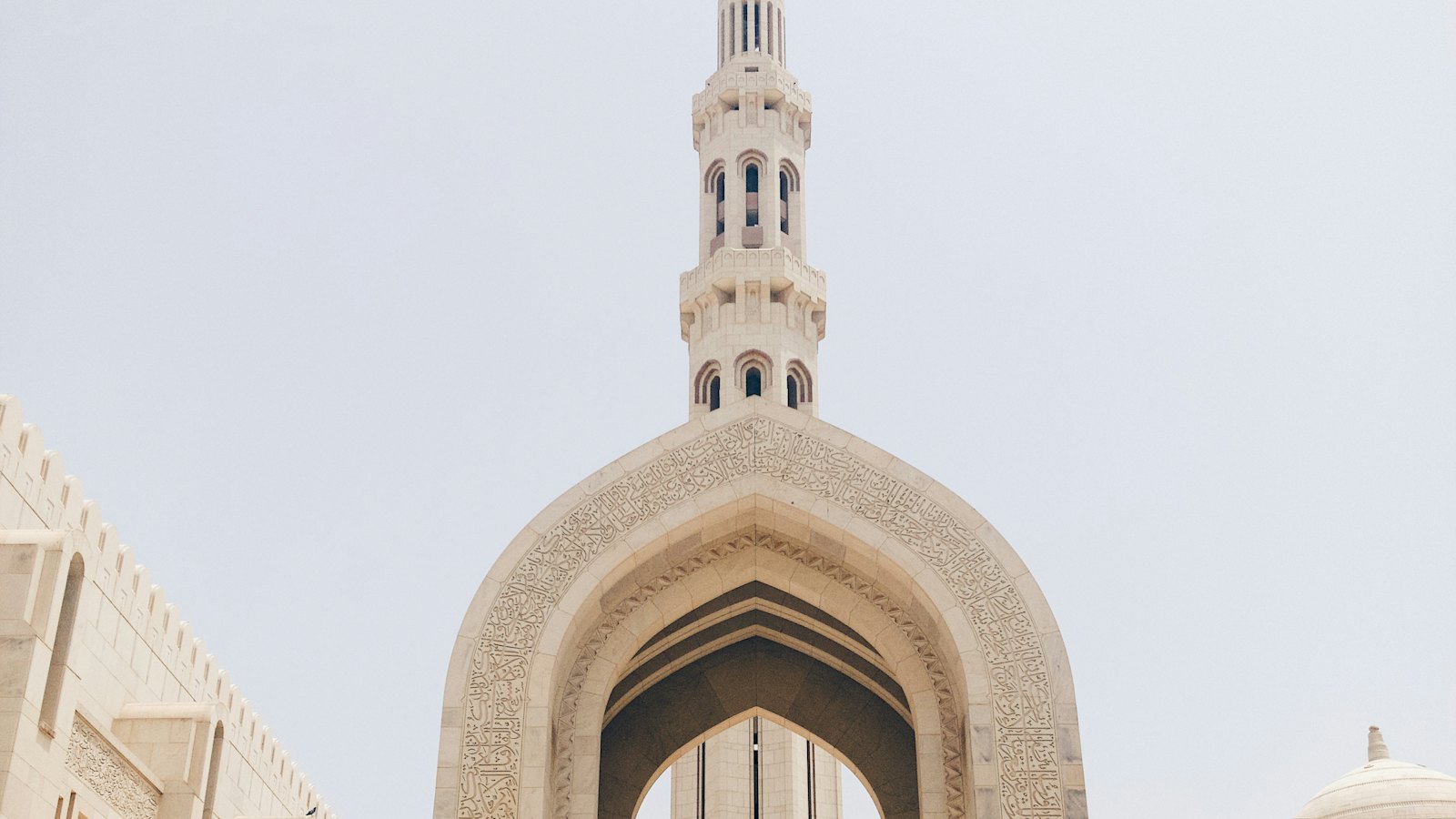
- Sultan Qaboos Grand Mosque: See the landscaped grounds, prayer hall and broad courtyards. Non-Muslim entry is restricted to designated hours, and modest clothing rules apply.
- Mutrah Corniche: Walk beside the harbour in late afternoon for views of fishing boats, cruise ships and bare mountains.
- Mutrah Souq: Browse frankincense, scented oils, fabrics, household goods and silver-coloured ornaments. Compare several prices before buying.
- National Museum: Discover Omani dynasties, maritime trade, traditional crafts and modern development.
- Old Muscat: View Al Alam Palace and Portuguese-period forts from authorised public areas.
- Royal Opera House Muscat: Admire the architecture or reserve a performance. Some evening programmes require smarter clothing.
- Qurum Beach: Join local families and walkers near sunset.
- Bimmah Sinkhole and Wadi Dayqah: Plan a driving excursion beyond the capital.
- Daymaniyat Islands: Use an established snorkelling operator when sea conditions allow. Wildlife sightings cannot be guaranteed.
Omani food and dining districts
Omani cooking features rice, seafood, dates, gently spiced meat and slow preparation. It is normally less hot than Malaysian cuisine. Traditional eateries and market districts often provide a broader selection of local recipes than international hotel restaurants.
Shuwa is marinated, spiced meat traditionally cooked underground for many hours, particularly during celebrations. Majboos and qabuli pair aromatic rice with chicken, lamb or fish. Mashuai consists of roasted kingfish served with rice and a lemon-flavoured sauce, while mishkak is seasoned meat grilled on skewers. Omani halwa and cardamom-scented qahwa, commonly served with dates, make a suitable finish.
Mutrah and Ruwi are useful for affordable rice dishes, seafood, grilled food and South Asian cooking. Al Khuwair has many casual restaurants, while Qurum and Al Mouj offer modern cafes and waterfront venues. A simple meal generally costs OMR 1.5 to OMR 3, about RM 17 to RM 33. A comfortable restaurant meal is more likely to cost OMR 4 to OMR 8, approximately RM 44 to RM 88 per person.
Halal meals, prayer facilities and local conduct
Halal food is widely available because Oman has a Muslim-majority population. Pork and alcohol are limited to selected licensed establishments, usually connected with certain international hotels and restaurants. Travellers with particular dietary concerns can ask about preparation methods and shared equipment.
Sultan Qaboos Grand Mosque is the city's best-known mosque, while neighbourhood mosques throughout Muscat provide the daily prayer call. Prayer rooms are also available at Muscat International Airport and generally in large shopping centres. Carrying a personal prayer garment can be helpful at smaller roadside mosques during excursions.
Malaysian Muslims rarely need a specialist halal restaurant app in Muscat. Google Maps is useful for locating nearby mosques and checking recent restaurant comments. During Ramadan, fewer restaurants serve food in daylight, and visitors should avoid openly eating or drinking in public during fasting hours. Modest clothing is appropriate throughout the year. At the Grand Mosque, shoulders and knees must be covered, and women need full-length clothing and a head covering.
Transport within Muscat and driving in Oman
Muscat has no metro, and distances between major attractions make a completely pedestrian visit impractical. Mwasalat buses serve important routes at low cost but do not provide convenient access to every visitor site. A ride usually costs OMR 0.3 to OMR 1, approximately RM 3 to RM 11. Ask locally about current payment arrangements instead of assuming that visitors require a dedicated card.
Grab does not operate in Oman. Local ride-hailing apps provide the relevant app-based services, while orange-and-white taxis wait near hotels, malls and popular attractions. Before taking an unbooked taxi, agree on the fare or confirm how it will be calculated. Many urban journeys cost OMR 2 to OMR 6, about RM 22 to RM 66.
A rental car provides flexibility for beaches, wadis and mountain outings. Oman drives on the right, opposite to Malaysia, so an automatic car may ease the adjustment. Respect posted limits and never cross moving floodwater. Standard cars are suitable for city roads, but certain mountain routes and isolated tracks require an appropriate four-wheel-drive vehicle.
Suggested itinerary for three days
- Day 1: Visit Sultan Qaboos Grand Mosque during authorised morning hours, then have an Omani meal around Al Khuwair. Spend the hottest afternoon hours near the Royal Opera House or inside a shopping centre. Walk along Qurum Beach later and dine nearby.
- Day 2: Begin at the National Museum and the public viewpoints near Al Alam Palace in Old Muscat. Continue to Mutrah when the temperature falls, walk along the corniche and browse the souq. Choose mishkak, majboos or grilled fish for dinner.
- Day 3: Book a Daymaniyat Islands boat trip if the weather, sea and departure schedule are suitable. For a land alternative, drive southeast towards Bimmah Sinkhole. Return during daylight unless you are already comfortable driving on Omani roads.
A fourth day allows time for Nizwa or a mountain excursion. Both involve considerable driving and should not be added to an already crowded city day. In hotter months, schedule outdoor activities near sunrise, rest indoors at midday and resume sightseeing as the afternoon temperature drops.
Money, connectivity and practical advice
Oman's currency is the rial, abbreviated OMR. Using OMR 1 as roughly RM 11 helps with advance estimates, but check the current rate before travelling. One rial contains 1,000 baisa, so examine denominations and displayed prices carefully. Hotels, malls and many restaurants accept cards. Carry cash for buses, souqs, inexpensive eateries and rural stops. Malaysian DuitNow QR is not routinely accepted.
Local telecommunications companies sell visitor SIM packages at Muscat airport and in shopping centres. Compare validity and included data as well as price. Compatible phones can use an eSIM arranged before departure. Disable Malaysian mobile data roaming unless the number is needed for banking verification.
Oman uses Type G electrical sockets with three rectangular pins, the same type commonly used in Malaysia, and the supply is 240V. Tipping is appreciated but not compulsory. If no service charge appears, rounding up or adding 5 to 10 percent is reasonable for attentive service.
Muscat is generally comfortable for visitors, but normal precautions still apply. Use authorised transport, protect valuables, carry water and avoid secluded wadis when rain threatens. Extreme heat, floodwater and long road journeys are more likely hazards than persistent street scams.
Before you go
- Best time to go
- November through March offers Muscat's most comfortable sightseeing weather. Days are usually warm without the harshest summer heat, while nights can feel pleasantly cool beside the coast or at higher elevations. This is the busiest period, so flights and beach accommodation may cost more during year-end holidays, Chinese New Year and Malaysian school breaks. October and April are warmer transitional months that remain manageable when outdoor activities begin early. From May through September, intense daytime temperatures make long walks, uncovered heritage sites and beach activities tiring, although some hotels lower their prices. Ramadan changes dates each year and may reduce daytime dining choices. Eid periods create additional domestic and regional travel demand.
- Visa for Malaysians
- Short tourist visits may qualify for visa-free entry, but travellers must confirm the current requirements officially. As of September 2026, Malaysian passport holders can commonly visit Oman for up to 14 days without arranging a visa beforehand. Travellers planning a stay of about 30 days may instead apply for an eVisa through the official Royal Oman Police portal at evisa.rop.gov.om. Applications generally require an online fee, a recent photograph and a passport valid for at least six more months. Processing often takes several working days. The indicative 14-day and 30-day arrangements are separate and may have different conditions. Entry rules, fees and permitted durations can change. Keep proof of accommodation, onward travel and sufficient funds, and verify the appropriate entry route through the official portal before departure.
- Honest budget guide
- Allow about RM 300 to RM 550 per traveller each day before international airfare. This estimate assumes that two people share accommodation while exploring Muscat independently. Observed one-way fares from Kuala Lumpur started at RM 807 for a direct Oman Air flight, while the median was RM 1,268. Basic rooms commonly cost RM 150 to RM 250 per night, and comfortable mid-range options are around RM 280 to RM 500. Budget approximately RM 60 to RM 140 per person daily for food and RM 40 to RM 120 for buses and app-booked taxis. Car hire, private transfers and boat excursions cost extra. With return flights and a shared room included, a typical three-night trip is likely to total roughly RM 2,800 to RM 4,500 per person. All figures are planning estimates.
Frequently asked questions
Do Malaysians need a visa for Oman?
As of September 2026, Malaysian citizens commonly qualify for tourist entry without an advance visa for visits of up to 14 days. A stay of about 30 days may require an eVisa from evisa.rop.gov.om. Requirements, fees and allowed durations can change, so confirm the correct category and passport validity through the official portal before travelling.
Is there a direct flight from Kuala Lumpur to Muscat?
Yes. Oman Air operates nonstop flights between KLIA Terminal 1 and Muscat, usually taking about 6 hours 40 minutes to 7 hours. The lowest one-way result in our check was RM 807. Connecting alternatives included Etihad, Air Arabia and Qatar Airways.
Is Muscat Muslim-friendly?
Muscat is convenient for Muslim travellers. Halal food is widely available, neighbourhood mosques are common, and the airport and major malls provide prayer facilities. Modest clothing is expected, especially at mosques. Pork and alcohol are confined to selected licensed venues.
How many days are enough for Muscat?
Three days allow time for the Grand Mosque, National Museum, Old Muscat, Mutrah and Qurum, plus either a boat excursion or coastal drive. Four or five days are better if the itinerary includes Nizwa, mountain areas or a substantial wadi trip.
What is the best month to visit Muscat?
November through March provides the best conditions for outdoor exploration. January and February are particularly comfortable for walks and daytime outings, although nights may be cooler. October and April are warmer alternatives. May through September is normally extremely hot.
How much money should I budget for four days in Muscat?
For four days and three nights, estimate RM 2,800 to RM 4,500 per traveller, including return flights, shared accommodation, meals and routine city transport. Resorts, guides, rental cars and boat trips increase the cost. Carry some Omani rials for minor purchases.
Can I use Grab in Muscat?
No. Grab does not operate in Oman. Use a local ride-hailing app, an authorised airport taxi or an orange-and-white city taxi. Apps usually display an estimated price. For a street pickup, agree on the fare or calculation method before the journey starts.
Can tourists get around Muscat without renting a car?
Yes, if the itinerary is planned carefully. Mwasalat buses serve major corridors, while taxis and local booking apps cover remaining distances. A car is unnecessary for standard city sightseeing but becomes useful for wadis, mountain routes and coastal day trips.
Jom pergi
Ready to go Muscat? Compare available flights and hotels for your dates. Check baggage, cancellation terms and the final total on the booking provider before paying.






