




On this page12 sections
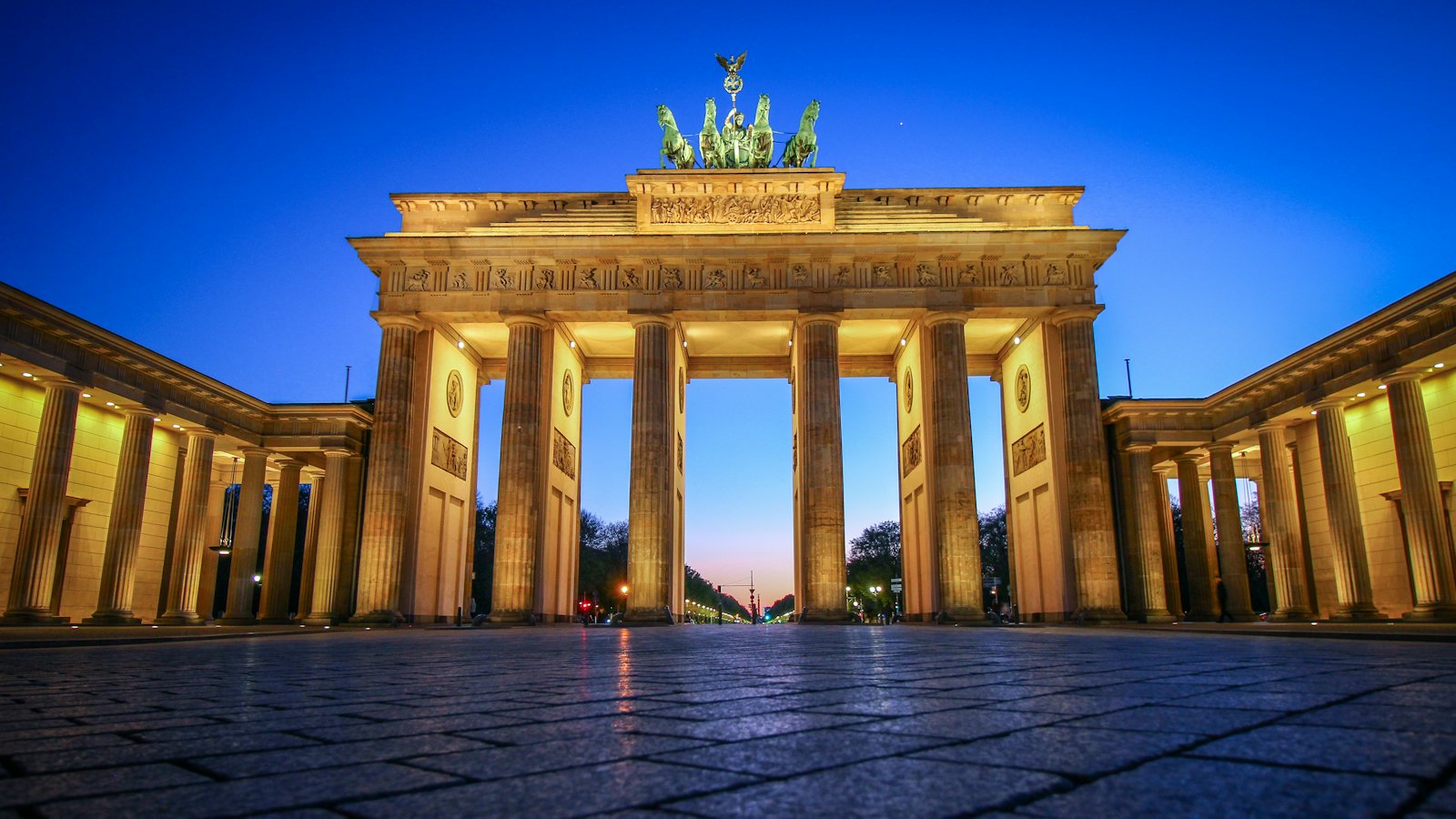
Berlin rewards travellers who enjoy history, street culture and neighbourhoods with distinct personalities. Germany's capital combines monumental sights such as the Brandenburg Gate and Reichstag with lakes, flea markets, contemporary art and one of Europe's strongest public transport networks. For Malaysians, the practical challenges are manageable: flights from KL require at least one stop, halal food is widely available in several districts, and most major attractions are easily reached without a car. This guide covers sensible flight connections, the journey from Berlin Brandenburg Airport, where to stay, what to eat, Muslim-friendly facilities and a realistic budget in ringgit.
Getting there from Kuala Lumpur
There is no direct flight listed from Kuala Lumpur International Airport to Berlin Brandenburg Airport (BER) as of September 2026, so plan for at least one stop. Commonly available combinations in recent searches involve Qatar Airways, Turkish Airlines, Malaysia Airlines with a partner, or Etihad with Condor. Possible connection points include Doha, Istanbul, Abu Dhabi, Frankfurt, Amsterdam and London. Check whether checked baggage is transferred automatically, especially when two airlines appear on one itinerary.
At the time of writing, Amaboxly's KL fare scan shows the cheapest one-way fare at RM1,317 for 10 November 2026, using Etihad and Condor with one stop. The median one-way fare found is RM1,937. Indicative cheapest results by stopover include RM1,317 via Abu Dhabi, RM1,562 via Istanbul and RM1,626 via Doha. Fares change quickly, so compare the total journey, baggage allowance and connection protection rather than price alone.
Most practical journeys take roughly 15 to 20 hours including the connection, although a long layover can push this beyond a day. Confirm your departure terminal at KLIA when booking, since this can vary by airline and itinerary.
Berlin Brandenburg Airport to the city
Berlin Brandenburg Airport is southeast of central Berlin. A single public transport ticket covering zones ABC normally handles the airport journey and city connection, with fares roughly in the €4 to €6 range (around RM20 to RM30). Validate a paper ticket before travel unless it already carries a printed validity time. Digital tickets should be activated before boarding.
- Airport Express and regional trains: FEX and regional services such as RE8 or RB23 provide the quickest public transport into central Berlin. Depending on the service and stop, allow roughly 25 to 40 minutes for areas around Ostkreuz, Alexanderplatz or Berlin Hauptbahnhof.
- S-Bahn: S9 is useful for eastern and central districts, while S45 serves the southern ring. Journeys generally take 40 to 60 minutes but can be convenient if your accommodation sits near the route.
- Bus and U-Bahn: Airport buses connect with stations including Rudow, where U7 continues towards Neukölln and western Berlin. This is useful for some southern neighbourhoods but usually requires a transfer.
- Taxi: A metered taxi to central Berlin commonly costs around €55 to €75 (RM275 to RM375) and takes approximately 35 to 60 minutes, depending on traffic.
- Ride-hailing or pre-booked transfer: Uber and Bolt operate in Berlin, though airport prices can approach taxi rates during busy periods. Follow the app's designated pickup instructions.
Where to stay in Berlin
Berlin is spread out, so a convenient U-Bahn or S-Bahn station matters more than being beside one particular landmark. Check the walking route from the station before booking, especially if you have large luggage.
- Mitte: Best for a first visit and short itinerary. Museum Island, the Brandenburg Gate, Reichstag and several major memorials are nearby. Accommodation is generally more expensive, while some streets become quiet after office hours.
- Kreuzberg: Suits travellers who want independent shops, canals, casual dining and nightlife. Turkish and Middle Eastern food is easy to find, which makes meals simpler for Muslim visitors. The atmosphere can change considerably from one block to another.
- Neukölln: A good choice for multicultural food, longer stays and somewhat better-value rooms. Northern Neukölln is lively and well connected, while accommodation farther south can add substantial travel time.
- Charlottenburg: Comfortable for families, shopping and a calmer evening pace. It offers straightforward transport, established residential streets and access to western sights such as Kaiser Wilhelm Memorial Church.
Alexanderplatz is exceptionally convenient for transport, but its large roads and busy station environment feel less intimate than Berlin's residential quarters.
Things to do in Berlin
- Brandenburg Gate and Reichstag: Walk through Berlin's ceremonial centre, then view the parliament building and the surrounding government quarter. Advance registration is usually required to enter the Reichstag dome.
- Museum Island: Choose one or two collections rather than attempting every museum in a single visit. Allow for restoration work and temporary changes to access.
- East Side Gallery: See the surviving Berlin Wall section beside the River Spree, covered with large political murals.
- Berlin Wall Memorial: This site on Bernauer Strasse explains the divided city more clearly than a quick wall photograph, with preserved border features and outdoor displays.
- Topography of Terror: A sober, detailed exhibition on Nazi institutions, set beside a surviving section of the wall.
- Holocaust Memorial: Walk respectfully through the field of concrete blocks, then visit the information centre if it is open.
- Tempelhofer Feld: Former airport runways now form a huge public park used for cycling, skating and picnics.
- Tiergarten: Berlin's central park is ideal for a slower afternoon between major sights.
- Charlottenburg Palace: Explore the grounds and formal gardens, with paid palace rooms available for visitors wanting Prussian history.
What to eat in Berlin
Berlin's best-known quick meal is currywurst, sliced sausage covered with spiced tomato sauce. Pork is common, so Muslim travellers should only order it from a clearly halal operator. Döner kebab is woven into everyday Berlin life, reflecting the city's large Turkish community. Look for chicken, beef or veal shaved into flatbread with salad and sauces, but confirm halal status rather than assuming every kebab shop qualifies.
Other local staples include bouletten, which are seasoned meat patties, and eisbein, a pork knuckle that Muslim visitors should avoid. Kartoffelpuffer are crisp potato pancakes, while käsespätzle offers a filling meat-free combination of noodles, cheese and onions. Bakeries sell pretzels, seeded rolls and pastries, though products containing ham, gelatine or alcohol need checking.
Kreuzberg, Neukölln and parts of Wedding are strong areas for Turkish, Syrian, Lebanese and Palestinian meals. Try grilled meats, lentil soup, falafel, hummus, pide and baklava. For a classic market experience, browse one of Kreuzberg's well-known covered food halls, where vendors and menus change. Berlin also has excellent Vietnamese food and an expanding vegan scene, useful when halal certification is unavailable, although vegetarian does not automatically mean alcohol-free.
Halal food and prayer spaces
Berlin is one of Germany's easier cities for Muslim travellers, but halal claims are not governed by one universal restaurant label. Turkish, Arab and South Asian businesses often serve halal meat, particularly in Neukölln, Kreuzberg and Wedding. Ask whether all meat is halal and whether alcohol or pork is prepared on the same equipment if cross-contact matters to you. A sign saying "no pork" does not confirm that other meat is halal.
The Şehitlik Mosque near Tempelhofer Feld is among Berlin's best-known mosques and is accessible by public transport. Numerous smaller community mosques and prayer spaces operate across the city, although facilities, languages and women's access vary. Check current prayer times and visitor arrangements before setting out.
Berlin Brandenburg Airport has a quiet, multi-faith space rather than the type of extensive surau Malaysians may expect at KLIA. Dedicated prayer rooms are uncommon in shopping centres, so plan mosque visits or carry a compact prayer mat and use a clean, discreet location where permitted.
HalalTrip and Zabihah can help with initial searches, while recent Google Maps photographs and reviews are useful for checking whether a business still operates. Confirm directly when you arrive because ownership and suppliers can change.
Getting around Berlin
Berlin's integrated network combines U-Bahn trains, S-Bahn trains, trams, buses and regional trains. The same zone-based ticket system covers these services. Most central sightseeing falls within zones AB, while Berlin Brandenburg Airport and Potsdam require zone C. Indicative single fares are roughly €3 to €4 (about RM15 to RM20) within AB, while a day ticket is roughly €11 to €13 (RM55 to RM65), depending on the zones selected.
Tickets are available from station machines and official transport apps. Paper tickets that are not already time-stamped must be validated before boarding. Plain-clothes inspectors conduct checks, and misunderstanding the system does not normally prevent a fine. There are no entry barriers at many stations, but a valid ticket remains compulsory.
Grab does not operate in Berlin. Uber and Bolt are available, generally using licensed hire vehicles or taxis. Regular taxis are reliable but expensive for long cross-city trips. Cycling can be efficient, although visitors should understand German road rules and avoid walking in marked cycle lanes.
Berlin is large enough that two nearby-looking attractions can require a lengthy ride. Group each day geographically and allow extra time for station changes. Late-night transport is good by European standards, but service frequency drops and replacement works are common.
A four-day Berlin itinerary
- Day 1: Begin at the Brandenburg Gate, walk past the Reichstag and Holocaust Memorial, then continue to Potsdamer Platz and the Topography of Terror. Finish around Checkpoint Charlie or take a short ride to Gendarmenmarkt. This day is history-heavy, so leave time for breaks rather than rushing every display.
- Day 2: Explore Museum Island and the nearby historic centre, then walk towards Alexanderplatz. Later, cross to the East Side Gallery and have dinner in Kreuzberg. Reserve museum entry ahead when your chosen venue uses timed admission.
- Day 3: Visit the Berlin Wall Memorial on Bernauer Strasse, continue to a neighbourhood market or cafe area, then spend the afternoon around Tiergarten and western Berlin. Add Kaiser Wilhelm Memorial Church and the Kurfürstendamm shopping area if energy permits.
- Day 4: Choose between Charlottenburg Palace and its gardens, a relaxed session at Tempelhofer Feld, or a day trip to Potsdam. Potsdam suits palace and garden enthusiasts but deserves most of a day. For a slower city finish, combine Tempelhofer Feld with halal food and local shopping in Neukölln.
Money, SIM and practical tips
Germany uses the euro. For quick planning, €1 is roughly RM5, but check the current rate before departure. Cards are far more widely accepted than they once were, yet some bakeries, market stalls and small restaurants still prefer cash or impose a minimum purchase. Carry a modest amount of euros and keep a second payment card separately. DuitNow QR is not a normal payment method in Germany.
An eSIM is the simplest option for many recent phones. Physical prepaid SIMs are also sold, but registration and identity checks may be required. Berlin has strong general coverage, although reception can weaken inside older buildings or on some train sections.
Germany uses Type C and Type F plugs with 230V power. Malaysian three-pin plugs require an adapter. Tipping is customary but moderate: rounding up or adding roughly 5 to 10 percent for good table service is normal, and you usually tell the server the total when paying.
Berlin is generally manageable with ordinary city precautions. Watch bags on crowded trains, around major stations and at tourist sites. Ignore strangers who pressure you to sign petitions, display jewellery or withdraw cash. Pedestrians should obey crossing signals and stay out of cycle lanes. Tap water is safe to drink.
Before you go
- Best time to go
- May, June and September offer Berlin's best balance of comfortable weather, long sightseeing days and manageable crowds. July and August are warmest, with lively parks and outdoor events, but accommodation prices rise and popular attractions become busier. Spring can alternate between sunshine and cold rain. October is crisp and atmospheric, while November to February brings short daylight hours, wind and temperatures that can fall below freezing. December appeals for Christmas markets, though festive weekends cost more. Malaysian school holidays can overlap with Europe's summer peak and year-end market season, so book flights and central rooms early for those periods.
- Visa for Malaysians
- As of September 2026, Malaysian passport holders can visit Germany visa-free for up to 90 days in any rolling 180-day period across the whole Schengen area. Your passport must have been issued within the previous 10 years and remain valid for at least three months after your intended departure from Schengen. Since 10 April 2026, the Entry/Exit System has replaced passport stamping, with a facial image and possible fingerprint scan at first entry, so allow for a slower immigration queue. ETIAS is not operating yet; it is expected in the last quarter of 2026, with a €20 fee, three-year validity and transition period. Confirm current requirements at travel-europe.europa.eu and Germany's Federal Foreign Office site before flying.
- Honest budget guide
- Allow roughly RM450 to RM800 per person per day in Berlin, excluding international flights. A budget room or shared accommodation can cost about RM180 to RM350 nightly, while a comfortable mid-range double room often runs RM450 to RM750. Food can be kept near RM100 to RM180 daily with bakery breakfasts, kebabs and casual meals; attractions and local transport may add RM100 to RM250. At the time of writing, Amaboxly's fare scan finds one-way KL to Berlin fares from RM1,317, with a RM1,937 median. An indicative five-day trip costs around RM4,500 to RM7,500 per person including flights and shared accommodation, depending heavily on season, baggage and paid museums.
Frequently asked questions
Do Malaysians need a visa for Berlin?
No. As of September 2026, Malaysian passport holders can enter Germany without a visa for up to 90 days in any rolling 180-day period across the entire Schengen area. The passport must have been issued within 10 years and remain valid for three months beyond the planned Schengen departure. Check the EU travel portal and Germany's Federal Foreign Office before flying.
Is there a direct flight from Kuala Lumpur to Berlin?
No direct KUL to BER service is listed as of September 2026, so the journey requires at least one stop. Recent fare searches show options involving Doha, Istanbul, Abu Dhabi, Frankfurt, London or Amsterdam. The shortest sensible itineraries commonly take around 15 to 20 hours, including the connection. Check baggage transfer rules when an itinerary combines two airlines.
Is Berlin Muslim-friendly?
Berlin is relatively easy for Muslim travellers. Halal Turkish, Arab and South Asian food is widely available in Neukölln, Kreuzberg and Wedding, and the city has many mosques. Certification is inconsistent, so ask whether all meat is halal and whether preparation is shared with pork. Prayer rooms are less common in malls than Malaysians may expect.
How many days are enough for Berlin?
Four days provide a good first visit, covering the central monuments, Museum Island, the Berlin Wall sites, East Side Gallery and one or two neighbourhoods without constant rushing. Three days work for the principal sights. Add a fifth day if you want Charlottenburg Palace, more museums or a day trip to Potsdam.
What is the best month to visit Berlin?
May, June and September are the strongest all-round choices, with comfortable temperatures and enough daylight for long sightseeing days. July and August are warmer but busier and often more expensive. December is attractive for festive markets, while January and February suit travellers who accept cold weather and early sunsets in exchange for fewer visitors.
How much money do I need for five days in Berlin?
A five-day Berlin trip typically costs around RM4,500 to RM7,500 per person, including flights from Kuala Lumpur and shared accommodation. The estimate assumes roughly RM450 to RM800 per day on the ground. Private mid-range rooms, several paid museums, nightlife and frequent taxis raise the total. All figures are indicative and seasonal airfares can shift substantially.
Can I use Grab in Berlin?
No, Grab does not operate in Berlin. Uber and Bolt are available, alongside licensed taxis, but public transport is usually faster and cheaper for sightseeing. Berlin's U-Bahn, S-Bahn, trams and buses share one ticket system. Buy the correct zones and validate any paper ticket that does not already show its starting time.
How do I travel from BER Airport to central Berlin?
Airport Express and regional trains are usually the quickest options, reaching major central stations in roughly 25 to 40 minutes. The S9 and S45 serve other useful corridors, while buses connect with the U-Bahn at locations such as Rudow. An ABC public transport ticket costs roughly €4 to €6, or about RM20 to RM30. Taxis commonly cost €55 to €75.
Jom pergi
Ready to go Berlin? Compare available flights and hotels for your dates. Check baggage, cancellation terms and the final total on the booking provider before paying.






