




On this page12 sections
Dublin brings together literary history, Georgian streets, lively pubs and broad parkland beside the Irish Sea. Its compact centre rewards walking, although Malaysian travellers should prepare for expensive rooms and weather that can change several times in one day. This guide covers routes from KLIA, transfers from Dublin Airport, suitable districts, halal food, prayer spaces and practical costs in ringgit. It also explains Ireland's separate immigration system, which is not part of Schengen. Three complete days cover the principal city attractions, while a fourth allows time for the nearby coast.
Getting There
As of September 2026, Kuala Lumpur and Dublin have no nonstop air service. Most itineraries therefore involve one connection through cities such as Abu Dhabi, Doha, Dubai, Istanbul, Frankfurt, London or Amsterdam. Through-tickets may be available from Etihad, Emirates and Qatar Airways, as well as Malaysia Airlines itineraries operated partly with Qatar Airways. Total journey time is commonly 16 to 22 hours, depending on the transfer.
A search conducted on 20 September 2026 showed an Etihad departure on 10 November 2026 for RM 1,618 one way through Abu Dhabi. The median one-way result was RM 1,691. Other low examples were close to RM 1,855 through Doha, RM 1,969 through Istanbul and RM 2,069 through Dubai. These prices can move quickly, and the lowest fare may exclude checked baggage or seat selection.
The operating airline determines the KLIA terminal, so rely on the booking confirmation. For London or another transit point, verify airside entry requirements before payment. Pay particular attention if separate tickets, a terminal change or baggage collection requires passing immigration.
From Dublin Airport to the Centre
Dublin Airport lies roughly 10 kilometres north of central Dublin and has no direct railway station. Visitors continue by coach, city bus or metered taxi. The calculations below use a convenient planning rate of €1 to RM 5, not a guaranteed exchange rate.
- Express coach: Dublin Express and Aircoach serve stops such as O'Connell Street, Busáras and areas south of the River Liffey. Traffic produces journey times of about 25 to 50 minutes. A single ticket often costs €8 to €12, equivalent to RM 40 to RM 60, with occasional savings online.
- Public bus: Dublin Bus usually costs around €2 to €3, or RM 10 to RM 15. Space for large bags is limited, and reaching central streets may take 45 to 70 minutes.
- Taxi: Official ranks are located outside both terminals. A central ride is normally about €30 to €45, equal to RM 150 to RM 225. Allow 25 to 45 minutes, although congestion, timing and extra passengers can affect the meter.
Visitors arriving late should arrange after-hours check-in beforehand. For a family with several suitcases, dividing one taxi fare can be reasonably convenient.
Where to Stay
Staying near the places you intend to visit reduces both walking time and transport spending. Dublin room rates can rise sharply for summer weekends, festivals and major sports fixtures.
- South city centre: St Stephen's Green, Grafton Street and Merrion Square are surrounded by shopping, dining and museums. The convenience generally comes with some of the city's highest prices.
- Temple Bar and the western centre: Dublin Castle, nightlife and the medieval quarter are close by. Choose a side street or well-insulated property if late music and street activity would disturb you.
- North city centre: O'Connell Street and Parnell Square offer straightforward airport coach access and sometimes better value. Review recent guest comments and take normal precautions after dark.
- Docklands or Ballsbridge: The Docklands is practical for conferences and events. Residential Ballsbridge feels quieter and has useful bus connections. Both are calmer than many central blocks, although neither supplies the same historic atmosphere.
Book well ahead for busy dates. Compare the final payable amount, including breakfast and taxes, instead of relying on the headline room price.
Essential Dublin Sights
Dublin suits an unhurried walking plan because many important places sit within 20 minutes of one another. Free national collections, parks and neighbourhood routes also help offset paid admissions.
- Trinity College: Cross the historic campus and prebook its renowned library experience during busy periods.
- Dublin Castle: Tour the courtyards and learn how the complex supported different periods of Irish government.
- Chester Beatty: Examine manuscripts, prints and decorative works connected with Asia, Europe and the Middle East.
- St Patrick's Cathedral: Visit this major medieval landmark and pause in its neighbouring garden.
- National Museum of Ireland: The archaeology galleries contain prehistoric gold, Viking material and objects from early Irish history.
- Kilmainham Gaol: Its guided visit examines imprisonment, rebellion and independence. Timed spaces regularly sell out.
- Phoenix Park: Explore the extensive parkland west of the centre on foot or by bicycle.
- EPIC The Irish Emigration Museum: Follow stories of Irish people and communities overseas.
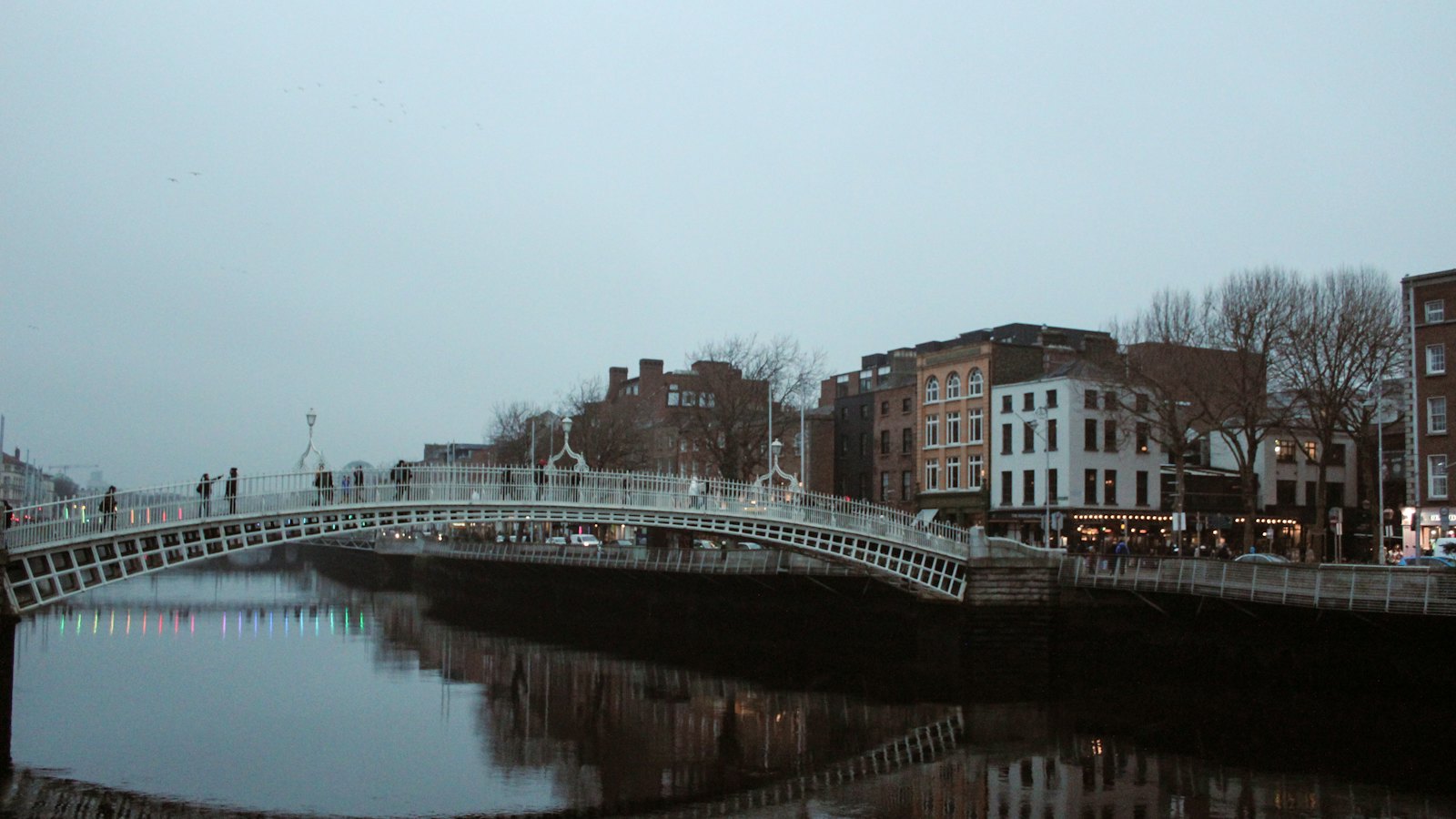
- River Liffey and Georgian Dublin: Combine the river bridges with Merrion Square and Dublin's colourful Georgian doors.
Choose a few ticketed highlights, then fill the schedule with complimentary museums and outdoor walks.
Irish Food to Try
Irish cooking is often filling and especially welcome on a cold or wet day. Irish stew generally contains lamb or mutton, potatoes and onions. Beef and Guinness stew is another pub staple, but its stout and cooking method may be unsuitable for anyone avoiding alcohol. Seafood chowder, smoked salmon, soda bread and fish with chips appear frequently in Dublin and coastal towns.
A full Irish breakfast normally includes pork sausages, bacon or black pudding. Ask about every item and shared grills when dietary separation matters. Colcannon combines mashed potato with cabbage or kale, while boxty is a traditional potato pancake. Bakeries sell scones, brown bread and simple lunches, though fillings still require checking by halal-conscious customers.
Temple Bar is accessible but often carries visitor-oriented prices. Capel Street, Parnell Street and the Camden Street district provide a wider range of Asian, Middle Eastern and casual options. Budget about €10 to €18, or RM 50 to RM 90, for lunch in a café. Dinner with table service is often €20 to €35, approximately RM 100 to RM 175, before beverages or any service charge.
Halal Dining and Prayer Facilities
Halal meals are available in Dublin, but restaurants are clustered in certain neighbourhoods and formal certification is not universal. Middle Eastern, Turkish, South Asian and some African kitchens are sensible places to begin. Capel Street, Parnell Street and sections of the north inner city usually provide more choice than the main tourist lanes.
Ask whether all meat is halal, whether a sauce or recipe contains alcohol, and whether separate preparation is possible when cross-contact matters. A vegetarian, seafood or pork-free label alone does not establish halal suitability.
The Islamic Cultural Centre of Ireland in Clonskeagh is the city's most prominent mosque complex. Dublin Mosque on South Circular Road also hosts congregational prayers. Both sit beyond the core sightseeing zone, so allow for travel. Dublin Airport has a multifaith prayer room, although terminal access and its exact location may change. Airport staff can provide current directions.
Maps and Muslim travel directories offer leads, but recent reviews and a direct call provide stronger confirmation. Carrying a small prayer mat and qibla app adds flexibility.
Getting Around Dublin
For central Dublin, walking is often quicker than waiting for transport. Uneven paving and abrupt rain can still make longer routes uncomfortable. The network beyond the centre includes Dublin Bus, Luas trams, DART trains and commuter rail. DART is particularly useful for coastal visits to Howth, Dún Laoghaire and Bray.
A Leap Visitor Card can be worthwhile when several daily journeys are planned. The ordinary Leap Card uses stored credit instead. Coverage and validity differ between these products, so compare current terms with your itinerary. Many urban trips are around €2 to €3, approximately RM 10 to RM 15, while coastal rail prices vary by distance. Bank card contactless payment is not a universal replacement for a ticket or Leap product, so do not assume every reader will accept a Malaysian card.
Grab does not operate in Dublin. Use licensed ranks, street-hail taxis or recognised Irish taxi apps. Charges are metered and slow traffic increases the total. Bicycle sharing suits confident city cyclists, remembering that traffic keeps left. Most visitors can combine walking with occasional bus or Luas rides.
Four-Day Dublin Itinerary
- Day 1: Begin at Trinity College, then walk through the Georgian squares to the National Museum's archaeology collection. Continue across St Stephen's Green and Grafton Street before finishing beside the River Liffey. The compact route works well after the journey from Kuala Lumpur.
- Day 2: See Dublin Castle, Chester Beatty and St Patrick's Cathedral. Continue to Kilmainham Gaol only with a reserved entry slot. A bus or taxi back to the centre avoids retracing the complete walking route.
- Day 3: Start at EPIC and the Docklands, then devote the afternoon to Phoenix Park. In the evening, consider traditional Irish music at a pub or performance venue. Some pubs focus heavily on alcohol and have limited suitable meals, so inspect menus first.
- Day 4: Take DART north to Howth for its harbour and seafood. Dún Laoghaire or Bray to the south are alternatives. Coastal tracks may become slick during rain or strong wind, making sturdy shoes and a shorter route advisable.
With only three days, omit the seaside excursion and keep the first three days relaxed.
Money, Connectivity and Useful Advice
Ireland uses the euro. Multiplying euro prices by five gives a simple ringgit estimate, but check the live rate shortly before departure. Cards and tap payments are common, yet €30 to €50 in cash provides a useful fallback for small purchases or failed terminals. DuitNow QR is not an everyday Irish payment method.
A travel eSIM can provide mobile data upon landing. Ireland's established operators also sell prepaid physical SIM cards. Before choosing an eSIM, confirm that the Malaysian phone supports it and examine allowance, duration and hotspot restrictions. Ireland uses Type G three-pin sockets, the same physical design as Malaysia, and normal Malaysian chargers suit its electricity supply.
Tipping is voluntary. At a serviced restaurant, roughly 10 percent is appreciated if the bill contains no service charge. Taxi customers sometimes round up, but need not do so. Pack a waterproof outer layer regardless of season.
Use ordinary big-city awareness in crowded places. Keep phones and wallets secure, favour illuminated routes after dark and ignore unusual cash-machine requests from strangers. Travel insurance should cover medical treatment overseas, disruption and missed connections.
Before you go
- Best time to go
- Late spring and early autumn provide a strong balance for visiting Dublin. The period from May to September usually brings the mildest temperatures and the most daylight, together with more expensive accommodation. Summer tends to feel comfortable rather than hot, but rainfall remains possible. St Patrick's Day attracts substantial March crowds. September may deliver agreeable conditions with fewer visitors than the busiest summer weeks. October through February is colder, wetter and darker, though rooms can be cheaper outside Christmas and major events. Long-haul fares may increase during Malaysian school holidays in June, late November and December. Late April, May and September are practical compromises, with waterproof clothing still necessary.
- Visa for Malaysians
- Ireland maintains immigration arrangements that are independent of Schengen. In September 2026, Malaysian passport holders could visit Ireland as tourists without obtaining a visa and remain for no more than three months. A Schengen permission does not grant Irish entry, and visa-exempt Malaysians are not required to complete an Irish electronic visa or online arrival form. Carry a passport valid throughout the visit, confirmed lodging details, financial evidence and a ticket for departure or onward travel. The border officer determines admission and the permitted length of stay. Because requirements may change, verify the latest Malaysian eligibility with Irish Immigration Service Delivery before committing to non-refundable bookings.
- Honest budget guide
- Plan on RM 450 to RM 850 per person for each day in Dublin, excluding long-haul flights and based on two travellers sharing a room. The Kuala Lumpur search produced a RM 1,618 one-way Etihad option through Abu Dhabi, while the median one-way fare was RM 1,691. A hostel bed or simple room may be about RM 180 to RM 500 per night. Mid-range doubles in central areas often reach RM 650 to RM 1,100. Daily food spending can fall between RM 120 and RM 250, with another RM 30 to RM 70 for local travel, plus attraction tickets. After adding return airfare, shared accommodation and moderate sightseeing, a five-day trip could total RM 5,000 to RM 8,500 per traveller. Summer weekends and large events may push these estimates higher.
Frequently asked questions
Do Malaysians need a visa for Dublin?
In September 2026, Malaysian citizens were eligible for tourist entry to Ireland without a visa for visits lasting no longer than three months. Ireland is outside Schengen. Bring lodging confirmations, evidence of sufficient money and proof of onward departure. Check the current position with Irish Immigration Service Delivery before paying for arrangements that cannot be refunded.
Is there a direct flight from Kuala Lumpur to Dublin?
No nonstop KUL to DUB route was operating in September 2026. Typical journeys connect through Abu Dhabi, Doha, Dubai, Istanbul, Frankfurt, London or Amsterdam and take roughly 16 to 22 hours. Before booking, examine the transit country's conditions, especially when the trip requires baggage collection, immigration clearance or movement between terminals.
How many days are enough for Dublin?
Three full days are sufficient for Trinity College, central historic streets, principal museums, Dublin Castle, Kilmainham Gaol and Phoenix Park at a comfortable pace. Add a fourth day for DART travel to Howth, Dún Laoghaire or Bray. Another night may suit travellers wanting longer museum visits, extra shopping or recovery after the flight from Kuala Lumpur.
Is Dublin Muslim-friendly?
Muslim travellers can manage well in Dublin, although halal restaurants are unevenly distributed. Middle Eastern, Turkish and South Asian businesses around Capel Street and Parnell Street provide useful options. Prayer facilities include the Islamic Cultural Centre of Ireland and Dublin Mosque. Ask each restaurant about meat sources, alcohol in recipes and shared preparation surfaces.
What is the best month to visit Dublin?
May and September combine useful daylight with the possibility of lighter crowds than peak summer. June through August is mild and popular, but accommodation generally becomes dearer. No month is reliably dry, and conditions may alter quickly. Pack layers and rainwear, then secure lodging early if a festival or important sporting fixture overlaps your dates.
How much money do I need for five days in Dublin?
A reasonable five-day estimate is RM 5,000 to RM 8,500 for each person, covering return flights from Kuala Lumpur, shared lodging, meals, city travel and several paid sights. Solo travellers booking private rooms are likely to spend more. Accommodation causes the greatest difference, while restaurant choices, admission tickets, summer demand and event weekends also influence the final amount.
Can I use Grab in Dublin?
Grab has no Dublin operation. Travellers can take a licensed metered taxi from an official rank, hail one where permitted or book through a reputable Irish taxi application. Dublin Bus, Luas and DART usually cost less. As central landmarks are close together, taxis are most useful for the airport, Kilmainham, Phoenix Park or journeys with heavy luggage.
Can I use Malaysian cards and DuitNow QR in Dublin?
Visa and Mastercard work in most Dublin shops and restaurants, and contactless terminals are widespread. Ask your bank whether overseas use must be enabled and keep some euro cash available. DuitNow QR is not routinely accepted in Ireland. Transport payment rules differ by operator, so a Leap product is more dependable than assuming a Malaysian card will work everywhere.
Jom pergi
Ready to go Dublin? Compare available flights and hotels for your dates. Check baggage, cancellation terms and the final total on the booking provider before paying.






