




On this page12 sections
- Overview
- Getting There from Kuala Lumpur to Bukittinggi
- Airport Transfer from PDG to Bukittinggi
- Where to Stay in Bukittinggi
- Things to Do in Bukittinggi and Beyond
- Minangkabau Meals, Sweets and Market Snacks
- Muslim-Friendly Food and Prayer Facilities
- Moving Around the City and Nearby Districts
- A Practical Three-Day Bukittinggi Itinerary
- Cash, Mobile Service and Everyday Precautions
- Before you go
- FAQ
Bukittinggi pairs cool mountain air with Minangkabau culture, busy markets and sweeping views of Mount Singgalang and Mount Marapi. For Malaysians, communication is generally easy, Muslim-friendly food is widely available and daily costs remain manageable. The city has no airport, so visitors first fly from KLIA to Padang before travelling inland for roughly two to three hours. This guide explains that journey and covers useful areas to stay, signature dishes, local transport, estimated expenses and a practical three-day programme featuring Jam Gadang, Sianok Canyon, Koto Gadang and the countryside around Batusangkar.
Getting There from Kuala Lumpur to Bukittinggi
Bukittinggi has no commercial airport. Malaysian travellers normally fly from Kuala Lumpur International Airport to Minangkabau International Airport, whose code is PDG, before continuing by road. PDG stands north of central Padang, and the onward climb to Bukittinggi usually takes another two to three hours. Rain, roadworks, festive traffic and congestion around towns can lengthen the transfer.
Schedules available in September 2026 show nonstop Kuala Lumpur to Padang flights offered by AirAsia, Batik Air Malaysia and Lion Air. A typical flight lasts close to one hour, but departure days and times vary. Airlines may use different KLIA terminals, and assignments can be revised. Check the terminal shown on your current booking or boarding pass instead of relying on an older itinerary.
During Amaboxly's fare review, the lowest AirAsia base fare was RM158 for one direction, while the median one-way fare was RM202. The least expensive observed travel date was 24 February 2027. Checked baggage, food, seat selection and payment costs can raise the final amount. If you intend to spend a night in Padang, compare individually booked flights and hotels with packaged options before paying.
Airport Transfer from PDG to Bukittinggi
Allow around two to three hours for the road journey between Minangkabau International Airport and Bukittinggi. There is no railway service to the highlands, and travellers should not assume that a regular express bus will deliver them directly to a central hotel. Shared vans and vehicles hired with drivers are the most practical choices. Using IDR4,000 to RM1 for rough calculations, the options are:
- Shared van: Budget IDR100,000 to IDR180,000 per seat, equal to about RM25 to RM45. The vehicle may wait until enough passengers arrive, then make several collections and deliveries. Confirm whether your accommodation is inside the operator's drop-off zone.
- Private car with driver: Expect IDR500,000 to IDR800,000 for the vehicle, approximately RM125 to RM200. This is usually easiest for families, older passengers or groups carrying large bags.
- Taxi or app-booked car: Some drivers accept the long trip, but supply and quoted prices vary. Agree on the full fare and establish whether parking or tolls are included.
- Padang overnight stop: Travellers landing late may prefer to sleep near Padang and depart after sunrise rather than tackle unfamiliar mountain roads at night.
For an early flight home, reserve the return vehicle beforehand and allow extra road time.
Where to Stay in Bukittinggi
Bukittinggi is compact, yet steep streets and crowded central roads make hotel location important. Staying close to your priority sights limits repeated vehicle journeys, especially when weekend visitors gather around the clock tower.
- Jam Gadang and Pasar Atas: First-time visitors gain easy access to the landmark square, shopping streets, markets and numerous places to eat. Rooms here may experience evening activity, horns and traffic noise.
- Panorama and the Sianok edge: This side suits couples, photographers and guests who value quieter mornings with valley scenery. Inspect the precise access route because gradients and uneven pavements can make short distances tiring.
- Aur Kuning: Choose this district when intercity buses or onward travel across Sumatra matter more than evening entertainment and central sightseeing.
- Outlying parts of Agam: Travellers using a hired car can find larger properties, gardens and broader mountain views beyond the urban centre.
Basic accommodation often costs RM60 to RM110 per night. Comfortable mid-range rooms commonly sit near RM130 to RM250. Bukittinggi's nights are naturally cool, so reliable hot water, good airflow and protection from street noise may prove more useful than air-conditioning.
Things to Do in Bukittinggi and Beyond
The main sights within Bukittinggi fit into two days, while an additional day provides time for villages, royal heritage and rural landscapes. Mount Marapi is an active volcano. Follow official access restrictions and local safety instructions rather than approaching closed areas.
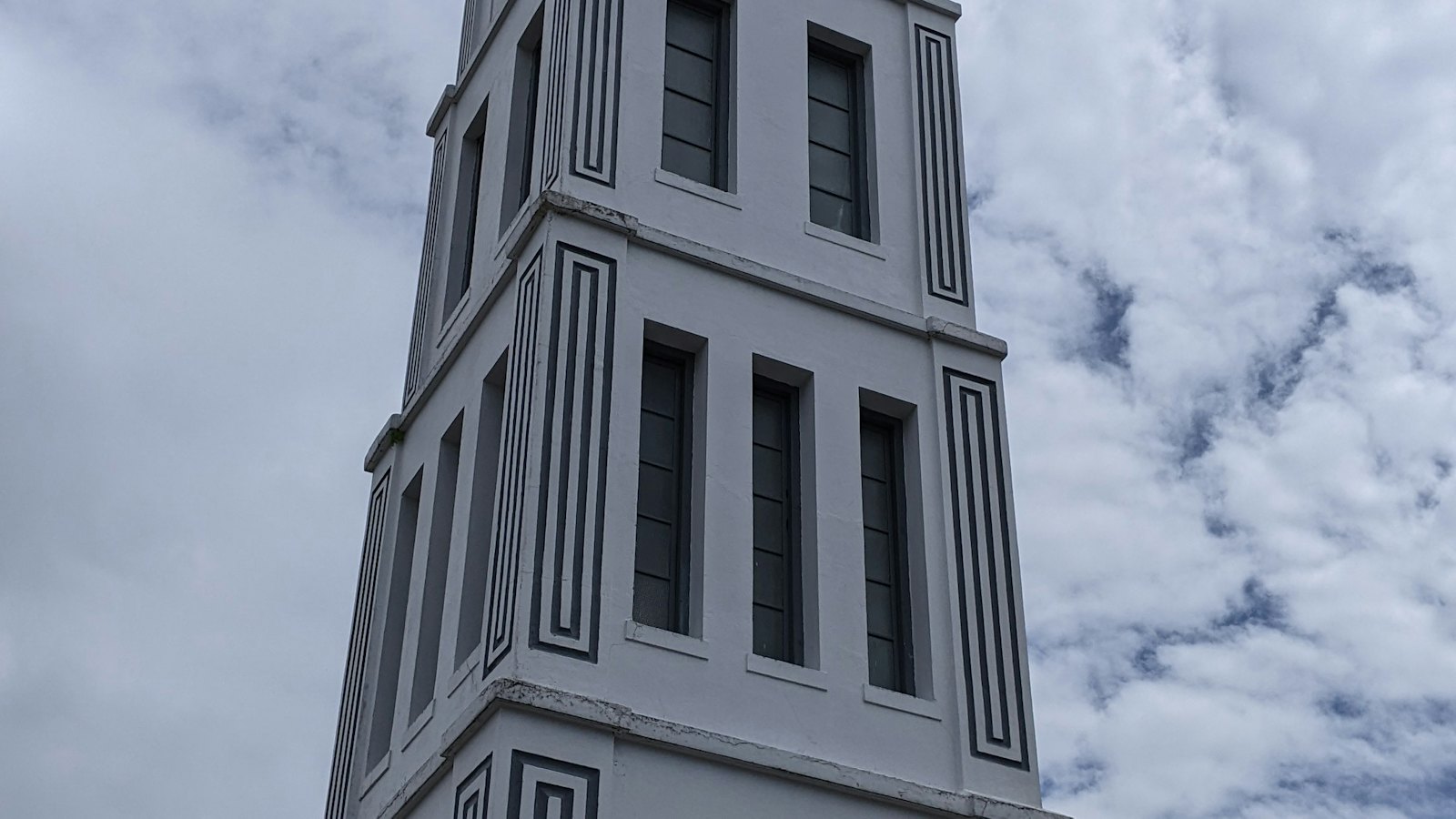
- Jam Gadang: See the famous clock tower and its public square early in the morning, before tour groups and local crowds become concentrated.
- Pasar Atas and Pasar Bawah: Browse songket, embroidery, spices, produce and packaged snacks. Bargain politely where negotiation is customary.
- Sianok Canyon: The Panorama viewpoint overlooks a steep, green gorge. Morning visits often bring clearer conditions.
- Japanese tunnels: These wartime passages sit near Panorama. A guide adds historical context, while shoes with secure soles help on damp steps.
- Great Wall of Koto Gadang: Select a manageable stretch because this valley path includes demanding inclines and is not a flat promenade.
- Fort de Kock: Pair the historic hill with nearby gardens and an overview of the city's colonial period.
- Koto Gadang: The village is known for traditional houses, fine embroidery and a long silversmithing tradition.
- Pagaruyung Palace: A trip towards Batusangkar leads to the striking reconstruction of a Minangkabau royal palace.
- Lake Maninjau: Give the lake its own day and proceed only when road and weather conditions are suitable.
Minangkabau Meals, Sweets and Market Snacks
Bukittinggi provides a broader introduction to Minangkabau cooking than the standard nasi Padang selection familiar to many Malaysians. In certain traditional restaurants, servers place numerous dishes on the table and charge only for plates that customers touch or eat. Ask how billing works before beginning, and check the price when ordering a whole fish or an unusually large portion.
Nasi kapau is closely associated with the city. Rice is served with a choice of curries, vegetables, rendang, ayam pop and other richly seasoned accompaniments, with several noted vendors operating around the markets. Other worthwhile dishes include sate Padang in a thick spiced gravy, dendeng prepared crisp or tender, gulai tunjang, cassava leaves cooked with coconut and locally grilled fish. Soto Padang offers a lighter broth with meat and crunchy toppings.
For snacks, try karupuak sanjai, thin cassava pieces sold plain or coated with chilli. Lamang tapai combines sticky rice cooked in bamboo with fermented black rice. Teh talua is a substantial egg-based tea, and fresh fruit drinks are readily found.
Choose food stalls attracting a regular flow of customers. A filling local meal generally costs IDR20,000 to IDR60,000, or about RM5 to RM15.
Muslim-Friendly Food and Prayer Facilities
Muslim visitors should find dining in Bukittinggi uncomplicated because Islamic traditions shape everyday Minangkabau life. Most local restaurants are Muslim-owned and avoid pork, although small operators may not display an official halal certificate. Travellers requiring formal confirmation can look for Indonesia's authorised halal mark or ask the proprietor about ingredients and preparation.
Masjid Raya Bukittinggi occupies a useful location beside the principal market area and welcomes congregational prayers. Additional mosques and musolla can be found among residential streets, commercial areas, larger restaurants and visitor attractions. Regional menus rely heavily on beef, chicken, offal, coconut milk and chilli. Vegetarians should ask whether broth, meat seasoning or animal fat is present in food that appears vegetable-only.
Bukittinggi uses Western Indonesia Time, which is one hour behind Malaysian time. A portable prayer garment can be helpful during village trips where facilities are modest. Signs on the street sometimes identify prayer rooms more reliably than digital maps. During Ramadan, some eateries reduce daytime service, while the period around iftar becomes much busier.
Moving Around the City and Nearby Districts
Walking is suitable for connected central areas such as Jam Gadang, Pasar Atas and Panorama. Nevertheless, the city has hills, damaged paving and sections without continuous footpaths. Wear supportive footwear, particularly after rain makes market lanes, steps and canyon approaches slippery.
Grab serves Bukittinggi, although there are fewer participating drivers than in Padang. Pickups can take longer during storms, weekends and peak hours. Gojek may also be available. Short motorcycle trips often cost IDR10,000 to IDR25,000, roughly RM2.50 to RM6. A car journey within town commonly runs from IDR20,000 to IDR60,000, approximately RM5 to RM15, depending on distance and demand.
Colour-coded angkot minibuses cost only a few thousand rupiah. Their routes are not always obvious to newcomers, so ask your hotel which colour or vehicle is appropriate and tell the driver your destination. The city offers neither an urban railway nor a tourist travel pass.
Hire a driver for places such as Pagaruyung, Koto Gadang or Lake Maninjau. Full-day quotes generally range between IDR500,000 and IDR900,000, about RM125 to RM225. Confirm the planned route, working hours, overtime, parking, admission fees and driver meals before accepting.
A Practical Three-Day Bukittinggi Itinerary
- Day 1: Complete the journey from Padang, check into a hotel near Jam Gadang and explore the clock tower square. Walk through Pasar Atas and Pasar Bawah, eat nasi kapau for lunch and shop for embroidery or cassava snacks. Return after dinner to see the central area illuminated.
- Day 2: Arrive at Panorama in the morning for Sianok Canyon views. Visit the Japanese tunnels, then walk only the portion of the Great Wall route that matches your fitness and the weather. Continue by vehicle to Koto Gadang to see traditional streets and craft workshops. Reach town before dark and choose sate Padang or grilled fish for dinner.
- Day 3: Spend the day visiting Pagaruyung Palace and the countryside around Batusangkar. Leave room for driving, meals and unplanned photography stops. Travellers wanting a slower final day can remain in Bukittinggi for Fort de Kock, small museums and further market browsing.
With a fourth day, consider Lake Maninjau or a relaxed stop in Padang. Avoid placing a long rural excursion immediately before departure. Heavy rain, landslides, construction work and holiday congestion can all interfere with travel on mountain roads.
Cash, Mobile Service and Everyday Precautions
The Indonesian rupiah is used throughout the region. For simple budgeting, RM1 can be treated as approximately IDR4,000, but check the current exchange rate shortly before travelling. Carry small notes for minibuses, market purchases and countryside vendors. Larger hotels and established shops may accept cards, whereas small attractions and food stalls often require cash. A merchant displaying Indonesia's QRIS sign may not necessarily accept a Malaysian DuitNow QR payment, so bring rupiah and a physical card.
An eSIM is convenient when supported by your phone. Indonesian prepaid SIM cards are another option, though registration requirements make official operator shops or airport counters preferable to unofficial sellers. Reception is generally adequate in the city but can deteriorate along mountain roads and between villages.
Electricity is supplied through Type C and Type F round-pin sockets at 230V. Malaysian visitors therefore need a plug adaptor. Tips are optional, although rounding up is appreciated after good service. Use sealed bottled water or correctly treated water, watch possessions in crowded markets and move carefully on wet stairs.
Write down every agreed driver fare and clarify fuel, parking, service hours and extra stops. Check official volcano bulletins, severe-weather information and road reports before leaving for rural areas.
Before you go
- Best time to go
- May to September is generally the easiest period for a Bukittinggi holiday. Conditions are often less rainy during these months, although showers remain possible throughout the year in the highlands. Temperatures are mild by day and noticeably cooler after sunset, so pack a light jacket, folding umbrella and shoes with dependable traction. Canyon and mountain vistas are frequently clearest early, before cloud develops. Malaysian school holidays, Indonesian public holidays, Ramadan evenings and the Aidilfitri period may increase hotel demand, road congestion and vehicle prices. Book popular dates in advance. Volcanic activity is unrelated to the normal seasonal pattern, so consult official Mount Marapi notices before visiting nearby areas.
- Visa for Malaysians
- Malaysian citizens were eligible for a visa-free Indonesian visit of no more than 30 days in September 2026. This permission cannot be extended or converted into a different stay permit. The passport must remain valid for at least six months from arrival, and travellers should hold proof of a return or onward journey. Within the three days preceding arrival, submit the free All Indonesia declaration at allindonesia.imigrasi.go.id or through its official application, then save the issued QR code. The form combines immigration, customs and health details. Entry checks occur at Padang because it is the first Indonesian arrival point. Longer visits require the appropriate visa through the official eVisa system. Confirm current rules at imigrasi.go.id before departure.
- Honest budget guide
- Plan on approximately RM140 to RM300 per person per day, excluding flights, for a comfortable independent visit. Amaboxly found direct Kuala Lumpur to Padang base fares starting at RM158 one way, with a median of RM202 before optional extras. Basic rooms usually cost RM60 to RM110 nightly, while mid-range accommodation is commonly RM130 to RM250. Allow RM25 to RM60 daily for meals and RM10 to RM40 for short local transport. A shared airport van costs around RM25 to RM45 per passenger each way, while a private vehicle is about RM125 to RM200. When rooms and selected rides are shared, three nights may total roughly RM750 to RM1,500 per person. These figures are planning estimates, not fixed quotations.
Frequently asked questions
Do Malaysian travellers require a visa for Bukittinggi?
In September 2026, Malaysian citizens qualified for entry to Indonesia without a visa for a maximum stay of 30 days. The permission was neither extendable nor convertible. Bring a passport valid for six months beyond arrival, evidence of onward travel and the QR code from the All Indonesia declaration. Verify the latest requirements with Indonesian immigration before leaving Malaysia.
Can I fly directly from Kuala Lumpur to Bukittinggi?
Bukittinggi does not have its own airport. Take a nonstop flight from KLIA to Minangkabau International Airport near Padang, then travel inland by road. September 2026 schedules list AirAsia, Batik Air Malaysia and Lion Air on the Kuala Lumpur to Padang route. The flight takes around one hour, followed by a drive of roughly two to three hours.
What is the easiest transfer from Padang Airport?
A private car booked in advance provides the simplest hotel-to-hotel transfer, especially for families and travellers carrying several bags. The vehicle normally costs IDR500,000 to IDR800,000. Shared vans charge about IDR100,000 to IDR180,000 per passenger but may wait for more customers and stop repeatedly. Under normal conditions, either option requires around two to three hours.
Is Bukittinggi suitable for Muslim visitors?
Yes. Islamic life is highly visible, and mosques, musolla and pork-free Minangkabau restaurants are plentiful. Some small eateries operate without displaying formal certification. Anyone requiring documented halal assurance should check for Indonesia's recognised logo or discuss ingredients with staff. Masjid Raya Bukittinggi, near the market quarter, is a convenient location for congregational prayer.
How long should I spend in Bukittinggi?
Three days provide a well-paced introduction. Use the first for Jam Gadang and the markets, the second for Sianok Canyon and Koto Gadang, and the third for Pagaruyung Palace or further city exploration. Add a fourth day for Lake Maninjau, Padang or a more relaxed schedule. Preserve extra time before a departing flight from PDG.
Which months are best for visiting?
May through September tends to bring comparatively favourable conditions, although rain is possible in every month. Cool evenings make a light outer layer useful. Visit viewpoints early for a better chance of clear scenery before afternoon cloud forms. Before any countryside journey, review the weather, road condition reports and current official restrictions concerning Mount Marapi.
Are Grab rides available in Bukittinggi?
Grab operates in the city, but the pool of drivers is smaller than in major Indonesian centres. Weekend demand and wet weather may produce longer waits. Motorcycle bookings suit solo passengers with little luggage, while cars work better for groups and families. Arrange a dedicated driver for distant attractions or an airport journey with a strict deadline.
What should I budget for a three-night trip?
A reasonable estimate is RM750 to RM1,500 per person for three nights when accommodation and some transport are shared. That range allows for economy flights around the observed prices, ordinary meals, local rides and selected admission charges. Better hotels, private airport transfers and a full-day hired car will raise the total. Keep cash in rupiah for markets, minibuses and small attractions.
Jom pergi
Ready to go Bukittinggi? Compare available flights and hotels for your dates. Check baggage, cancellation terms and the final total on the booking provider before paying.






