




On this page12 sections
Iloilo combines grand trading-era buildings with an unhurried riverside atmosphere and one of the Philippines' most distinctive regional cuisines. Malaysian visitors can explore historic districts, sample local specialities and use the city as a base for Miagao Church and nearby Guimaras. Direct services from KLIA are unavailable at the time of writing, although connections through Singapore, Manila or Cebu City keep the destination accessible. This guide explains the main flight options, transfers from the airport, accommodation areas, transport, halal dining concerns, estimated costs in ringgit and a practical four-day route.
Flying from Kuala Lumpur to Iloilo
Travellers cannot currently fly nonstop between Kuala Lumpur International Airport and Iloilo. Available itineraries usually involve a change in Singapore, Manila or Cebu City. A well-timed journey often lasts between 7 and 12 hours, while separate bookings and lengthy connections can add several more hours.
Our KL fare check found a lowest one-way price of RM404 with Scoot through Singapore for departure on 10 January 2027. Across the fares reviewed, the median one-way price was RM539. AirAsia and Philippines AirAsia combinations were also available. The least expensive routing found through Manila was RM563, while the lowest observed option through Cebu City was RM1,118. Checked luggage, selected seats and meals may require additional payment.
Many low-cost services leave from KLIA Terminal 2, but the terminal stated by the airline should always take priority. Passengers holding separate tickets should allow ample transfer time and determine whether they must reclaim and recheck their bags. Connections in Manila deserve extra attention because the arriving international flight and onward domestic service may operate from different terminals.
Reaching Iloilo City from the airport
Iloilo International Airport stands in Cabatuan, approximately 20 kilometres northwest of the central districts. Most road transfers take 30 to 50 minutes, depending on congestion and the location of your hotel. For quick estimates, PHP 13 is approximately RM1, although the actual exchange rate changes.
- Shared airport van: Vans commonly run towards busy commercial locations, including SM City Iloilo. A seat generally costs PHP 200 to PHP 250, or about RM15 to RM19, and the ride takes around 35 to 50 minutes. Ask where the van terminates before paying.
- Taxi: A metered or coupon taxi to Mandurriao, City Proper or the river area normally costs PHP 500 to PHP 800, equivalent to roughly RM38 to RM62. Confirm the charging method before departure.
- GrabCar: App-based cars serve the airport, though fewer drivers may be available late at night. Expect approximately PHP 450 to PHP 750, or RM35 to RM58, depending on traffic, demand and distance.
- Jeepney route: This inexpensive option can involve a roadside connection through Santa Barbara or another transfer point. It is awkward with large bags, making a van or Grab more practical.
Carry smaller peso notes because drivers cannot always provide change.
Choosing an area to stay
Mandurriao is a convenient first-time base, particularly for families and travellers who value modern hotels, shopping centres and dependable evening transport. Restaurants and newer commercial developments are concentrated here, while heritage districts remain within an affordable Grab ride.
City Proper provides easier access to Calle Real, markets and Iloilo's historic commercial centre. It is attractive for architecture and street photography, but recent hotel reviews are important because noise and building quality differ significantly between individual streets.
Food enthusiasts may prefer La Paz, the district most closely connected with batchoy. Its local atmosphere and central position are useful for visiting Jaro, City Proper and the river, although polished visitor facilities are less common than in Mandurriao.
Jaro offers residential surroundings, a cathedral, heritage houses and neighbourhood shopping. It generally suits returning visitors or those with a particular interest in history. For a brief trip without a car, accommodation near Mandurriao or the River Esplanade reduces transport delays. Basic rooms typically range from RM70 to RM130 nightly, while comfortable mid-range hotels usually charge RM160 to RM300.
Essential Iloilo sights and excursions
- Explore Calle Real: Look for restored trading buildings, decorative facades and streets that shaped the city's former mercantile centre.
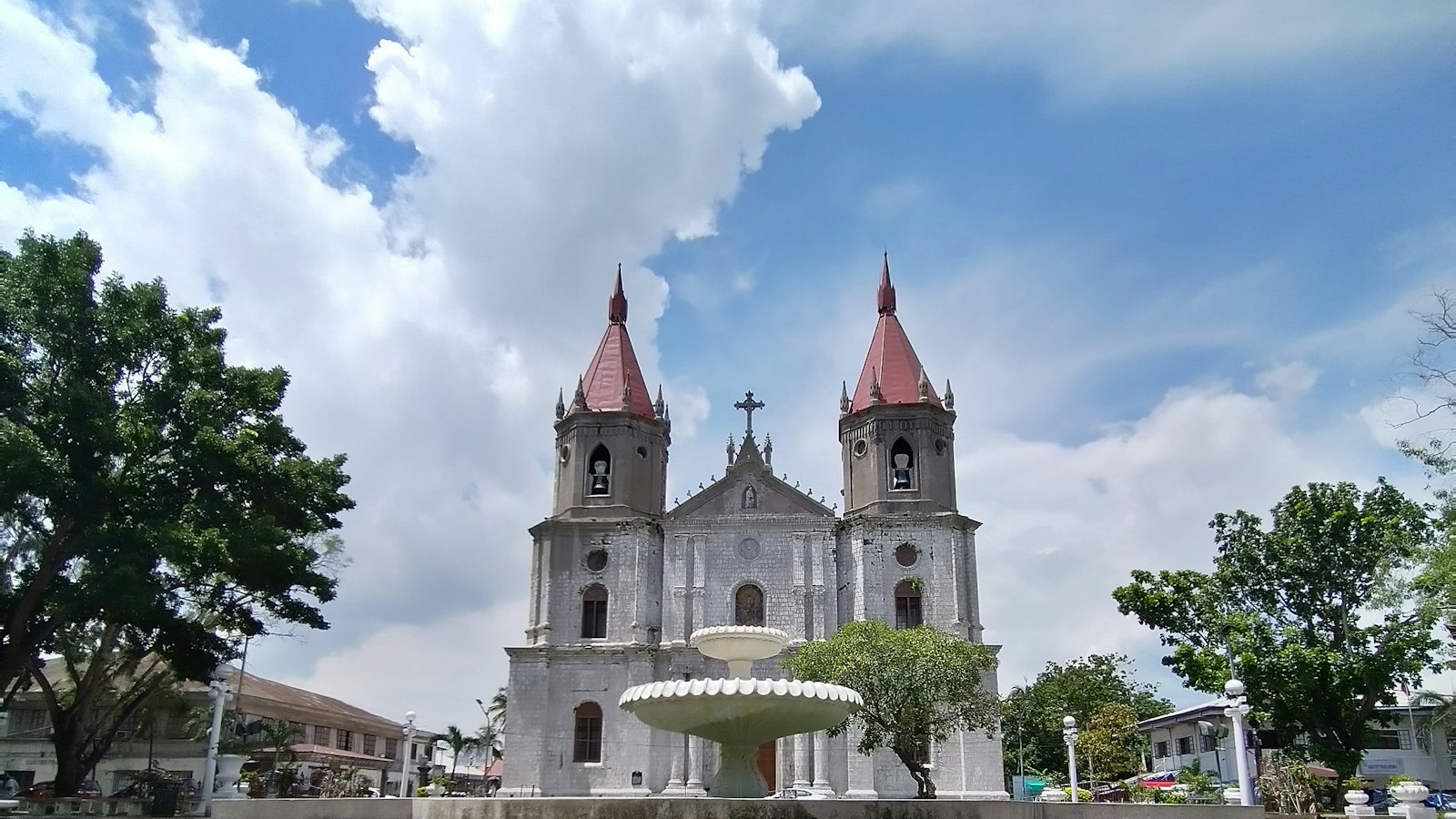
- Enter Molo Church: The Gothic-inspired structure is recognised for its pointed towers and statues representing female saints.
- Visit Jaro Cathedral: This major religious landmark has a detached bell tower positioned on the opposite side of the road.
- Walk beside the Iloilo River: The Esplanade is particularly pleasant around sunset, when temperatures soften and the river reflects the evening light.
- Combine Molo Mansion with the church: Seeing both during one neighbourhood visit avoids an unnecessary journey across the city.
- Learn in a museum: Local collections cover archaeology, regional trade, textiles and political history. Verify opening hours because schedules can change.
- Make a Miagao trip: Miagao Church, recognised by UNESCO, features a richly carved facade and is normally at least an hour away by road.
- Cross to Guimaras: Passenger boats provide access to an island known for mango farms, viewpoints, rural scenery and beaches.
- Tour a public market: Morning visits offer fresh fruit, regional snacks and an introduction to ingredients used in Ilonggo kitchens.
What to eat in Iloilo
La Paz batchoy is Iloilo's defining dish. It consists of egg noodles served in a full-flavoured pork broth, commonly topped with meat, spring onion and crushed pork crackling. Standard recipes are unsuitable for halal diets, even when the bowl's appearance seems harmless. The public market in La Paz is closely identified with the dish, but numerous restaurants prepare their own versions.
Pancit Molo is not a typical fried noodle dish. It is a dumpling soup generally prepared with chicken or pork stock. Another regional speciality, KBL, brings together kadyos beans, pork and the tart local fruit called batuan. Oysters, grilled fish and chicken inasal are also widely enjoyed. Diners with dietary requirements should ask about marinades, stocks and shared cooking surfaces.
Popular take-home treats include barquillos wafer rolls, butter-and-sugar biscocho and butterscotch squares. Butterscotch is especially convenient for travel because it keeps better than fresh dishes. Guimaras mangoes feature in drinks, preserves and desserts, particularly when the fruit is in season. Visit markets earlier in the day for a livelier selection, then consider Mandurriao or the riverfront for a more comfortable evening meal. Small eateries and market vendors often expect cash.
Halal dining and places to pray
Muslim travellers can manage a visit to Iloilo with advance planning, but the range of confirmed halal establishments is considerably smaller than in Kuala Lumpur, Manila or Cebu. A restaurant advertising food without pork or lard is not necessarily halal. Its meat, sauces, utensils or grill may still present concerns.
Muslim-owned businesses and some Middle Eastern or South Asian restaurants can be found near commercial zones and universities. Since outlets may close or change ownership, ask staff about ingredient sourcing and kitchen practices before ordering. Plain rice, fruit, eggs, vegetarian food, grilled fish and other seafood can provide alternatives, but stocks, sauces and shared equipment still require confirmation. Recent Muslim traveller reviews, Zabihah and map listings can help identify possibilities, though an in-person check remains advisable.
Purpose-built prayer rooms are less common than Malaysian visitors may expect. Enquire at the airport information counter or at larger shopping centres about a prayer room or suitable quiet space. Availability can differ by property. Mosques support the local Muslim population, but visitors should verify their locations and access arrangements. A portable prayer mat and a qibla application provide useful flexibility.
Transport within Iloilo
Grab is usually the most straightforward way to travel between Iloilo's districts because the app shows the estimated price and provides door-to-door service. A short city ride often costs PHP 100 to PHP 220, approximately RM8 to RM17. Travelling farther across the city can cost PHP 250 to PHP 400, or around RM19 to RM31. Heavy rain, peak-hour traffic and increased demand may raise prices.
Taxis wait around malls, major commercial areas and the airport. Request use of the meter or settle the exact fare before the trip begins. Solo passengers travelling after dark may also wish to retain a photograph of the vehicle details.
Traditional and modern jeepneys run along major corridors. An ordinary urban journey is roughly PHP 15 to PHP 30, equivalent to RM1.20 to RM2.30. Route boards can be difficult for newcomers to interpret, so name a prominent landmark and ask the conductor or driver to indicate the correct stop.
Visitors do not need to purchase a special transit card. Coins and low-denomination notes are useful for jeepney fares. Excursions to Miagao or Guimaras may involve buses, vans, passenger boats and tricycles. Before taking a tricycle, agree on the destination, waiting time and complete price.
Suggested four-day plan
- Day 1: Settle into accommodation in Mandurriao, then take a late-afternoon stroll along part of the Iloilo River Esplanade. Eat nearby and keep the schedule light in case the connecting flight from Kuala Lumpur arrives late.
- Day 2: Start at Jaro Cathedral and explore the surrounding heritage streets. Continue towards La Paz for its market and snacks. Spend the afternoon viewing Calle Real and the old commercial centre in City Proper, then finish near the river to avoid another cross-city journey during rush hour.
- Day 3: Head south for Miagao Church and reserve at least half a day for transport and sightseeing. One additional heritage stop can be included if the schedule is favourable, but an overloaded church circuit will make the afternoon tiring. Aim to reach Iloilo before nightfall.
- Day 4: Board a morning passenger boat for Guimaras. At the port, arrange a tricycle or private vehicle for a compact route featuring mango products, countryside scenery and one coastal location. Return with a comfortable time margin if an evening flight follows. Travellers seeking a proper beach day or an unhurried island tour should extend the holiday to five days.
Money and practical tips
The Philippine peso is shown as PHP or with the ₱ symbol. Using PHP 13 for RM1 gives a convenient planning estimate, but consult the latest rate before exchanging money. Pesos remain important for public markets, jeepneys, modest restaurants, passenger boats and countryside transport. Larger shops and hotels commonly take cards, although payment terminals are not always reliable. DuitNow QR is not routinely accepted, and short-term visitors should not depend on gaining full access to a Philippine mobile wallet.
Globe and Smart offer SIM packages for visitors. Travellers with supported devices can instead arrange an eSIM before leaving Malaysia. Reception is usually sufficient around Iloilo City but can weaken in rural districts or on island routes.
Electricity is supplied at 220V. Type A and B sockets predominate, while type C appears in some properties. Malaysian type G plugs therefore require an adapter. Tips are voluntary. When a restaurant has not included a service fee, rounding the bill or leaving 5 to 10 percent for attentive table service is appreciated.
Normal urban precautions are appropriate. Keep phones secure in crowded markets, decline transport offers with unclear package prices and allow more journey time during intense rain because congestion and local flooding are possible.
Before you go
- Best time to go
- November through April usually provides the most convenient conditions for exploring Iloilo on foot and crossing to Guimaras. Humidity often feels lower between December and February, although Christmas, New Year and Malaysian school holiday dates can increase airfares and room prices. Dinagyang Festival takes place in January and brings energetic performances to the centre, along with crowds, street closures and strong demand for accommodation. The hotter period from March to May favours early-morning outdoor visits. June through October is generally wetter, and severe rain or tropical weather can interrupt flights and boat services. Showers remain possible throughout the year, so include a museum, mall or other indoor alternative in the schedule.
- Visa for Malaysians
- Malaysian citizens currently receive visa-free entry to the Philippines for visits of no more than 30 days. This information is current as of September 2026. Register without charge using etravel.gov.ph or the eGovPH application during the 72-hour window preceding arrival. Keep an image of the resulting QR code for airline and border checks, and avoid unofficial websites that demand a fee. Your passport must remain valid for a minimum of six months after entry, and immigration may ask for evidence of onward or return travel. Visitors requiring additional time can request a 29-day extension from the Bureau of Immigration before their initial stay ends. Foreign tourists do not complete another eTravel declaration when leaving. Recheck etravel.gov.ph, immigration.gov.ph or Philippine Embassy advice before departure.
- Honest budget guide
- A practical daily allowance for Iloilo is RM170 to RM320 per traveller before international airfare. Simple accommodation generally costs RM70 to RM130 per room each night, while a comfortable mid-range property is commonly RM160 to RM300. Set aside around RM40 to RM90 daily for meals and RM20 to RM60 for local journeys. Private transport for Miagao or Guimaras will increase that amount. The reviewed Kuala Lumpur fares began at RM404 one way through Singapore, and the median one-way result was RM539. For four days, an overall estimate of RM1,500 to RM2,500 per person can cover an indicative return-flight amount, a shared room, food, city transport and one excursion. Resorts, baggage fees and shopping are additional. Actual spending depends on travel dates and personal preferences.
Frequently asked questions
Do Malaysians need a visa for Iloilo?
Malaysian passport holders may enter the Philippines without a visa for a visit of up to 30 days, as of September 2026. Submit the free eTravel form during the three days preceding arrival and retain the generated QR code. Bring proof of onward travel and ensure the passport remains valid for at least six months beyond entry.
Is there a direct flight from Kuala Lumpur to Iloilo?
No nonstop KLIA service is available at the time of writing. Travellers commonly connect in Singapore, Manila or Cebu City. The fare review found RM404 as the lowest one-way price, using Scoot through Singapore, and RM539 as the median. With separate bookings, check whether luggage transfers automatically and leave enough time between flights.
How many days are enough for Iloilo?
Three days allow time for the principal heritage areas, local food and the riverfront. Four days provide a less hurried schedule with either Miagao or Guimaras included. Choose five days if you want both side trips at a comfortable pace, especially when rain or boat timetables could alter the plan.
Is Iloilo Muslim-friendly?
Muslims can travel in Iloilo comfortably with preparation, although certified halal restaurants and public prayer rooms remain limited. Look for Muslim-owned establishments and ask where meat comes from and how it is cooked. Seafood and vegetarian dishes may help, but confirm the stock, sauces, utensils and shared grills. Carrying a prayer mat is useful.
What is the best month to visit Iloilo?
February offers a useful balance of comparatively dry conditions and fewer festival-related crowds. January is ideal for visitors attending Dinagyang, but central streets become busier and accommodation fills more quickly. In general, November through April is preferred. The June to October period has a higher risk of persistent rain and disrupted transport.
Can I use Grab in Iloilo?
Yes. Grab operates across Iloilo and is convenient for journeys involving the airport, Mandurriao, Jaro, La Paz and City Proper. A short trip is commonly PHP 100 to PHP 220, while a longer cross-city ride can reach PHP 250 to PHP 400. Driver supply may decrease during downpours or later at night.
How much money should I bring for four days in Iloilo?
Plan on approximately RM1,500 to RM2,500 per person when including an estimated return-flight amount, shared lodging, meals, city travel and one excursion. Couples sharing a room can keep their ground costs lower. Carry enough pesos for markets, jeepneys, boats and small restaurants, while retaining a payment card for hotels and major purchases.
Is Guimaras an easy day trip from Iloilo?
Yes. Passenger boats make Guimaras suitable for a day outing from Iloilo. After arriving, most travellers negotiate with a tricycle driver or hire a vehicle for several island stops. Before setting off, confirm the full route, total duration and final charge. Depart early and keep spare time for rain, sea conditions or delays at the port.
Jom pergi
Ready to go Iloilo? Compare available flights and hotels for your dates. Check baggage, cancellation terms and the final total on the booking provider before paying.






