




On this page12 sections
Hoi An pairs a beautifully preserved riverside trading town with nearby beaches, rice fields and some of central Vietnam's best-known dishes. It suits Malaysians who want a slower holiday than Hanoi or Ho Chi Minh City, yet still value affordable food, easy Grab rides and direct flights from KLIA to the regional gateway. Hoi An has no airport, so the journey continues by road from Da Nang. This guide covers that transfer, the most convenient areas to stay, realistic ringgit budgets, halal planning, seasonal weather and a practical four-day itinerary that balances the lantern-filled Old Town with the coast and countryside.
Flying from KL to Hoi An via Da Nang
Hoi An has no airport. Fly from Kuala Lumpur to Da Nang International Airport (DAD), then continue about 45 minutes by road. As of September 2026, AirAsia, Batik Air Malaysia, Malaysia Airlines and VietJet Air operate direct services from KLIA to Da Nang. The flight normally takes around 2 hours 40 minutes to 3 hours.
Check the terminal printed on your booking and again before departure, as airline terminal assignments can change.
At the time of writing, direct one-way tickets are available from RM 284 on AirAsia for travel on 24 October 2026. The median one-way fare is RM 326, with both AirAsia and VietJet offering fares in this range. These figures exclude any optional baggage, meals and seat selection unless the fare says otherwise.
A connection is rarely worthwhile when direct prices are reasonable. Indirect options via Phú Quốc start around RM 367 one-way, while routings through Ho Chi Minh City start around RM 430. Compare the final price after baggage and allow ample connection time if booking separate tickets.
Da Nang Airport to Hoi An
There is no railway station in Hoi An, so every practical airport transfer finishes by road. For rough conversions, 100,000 Vietnamese dong is about RM 16, but exchange rates move.
- Grab or metered taxi: The simplest choice for most travellers. Expect roughly 350,000 to 500,000 dong (RM 56 to RM 80) per car and about 40 to 55 minutes, depending on traffic and your accommodation. Use the official taxi queue or confirm the pickup point in the Grab app.
- Pre-arranged private car: Usually around 350,000 to 550,000 dong (RM 56 to RM 88). It costs slightly more when booked through accommodation, but a named driver and fixed meeting point are useful after a late arrival.
- Shared shuttle: Guesthouses and transfer companies may charge around 150,000 to 250,000 dong (RM 24 to RM 40) per person. The journey can exceed an hour as passengers are dropped at different properties.
- Public bus: The cheapest possibility when a suitable service is running, generally below 100,000 dong (RM 16). Routes and boarding points can change, however, and it is inconvenient with luggage.
Agree on the complete fare before entering an unmetered vehicle. Ignore unsolicited drivers inside the arrivals area.
Where to stay in Hoi An
Choose your base according to how much you value evening atmosphere, quiet surroundings or beach access. Hoi An is compact, but crossing town in heat or heavy rain can take longer than the map suggests.
- Ancient Town and the riverfront: Best for first visits, photographers and travellers who want to walk to lantern streets, markets and historic houses. It is atmospheric after dark but can be noisy and crowded near the river. Vehicle access is restricted in parts of the old centre.
- Cam Pho: Immediately north and west of the Ancient Town, with easier car access and many small guesthouses. It suits budget travellers who want to remain within walking distance without sleeping amid the busiest lanes.
- Cam Chau and the rice fields: A calmer middle ground between town and the coast. Couples and families get greener views, pools and more space, while the centre remains a short bicycle or Grab ride away.
- An Bang and the coast: Choose this for beach mornings, seafood and a relaxed pace. It is around 10 to 20 minutes from the Old Town by car, depending on traffic. Sea conditions are less inviting during the wettest months.
Budget rooms often start around RM 80 to RM 140, while comfortable mid-range stays commonly cost RM 160 to RM 320 per night.
Things to do in Hoi An
Hoi An rewards an unhurried schedule. Start early for cooler streets, rest during the hottest hours and return when the lanterns come on.
- Explore the Ancient Town: Walk past ochre shop houses, assembly halls, family chapels and former merchant homes shaped by Vietnamese, Chinese and Japanese influences.
- Cross the Japanese Covered Bridge: This compact landmark is one of Hoi An's defining sights and is best seen before tour groups arrive.
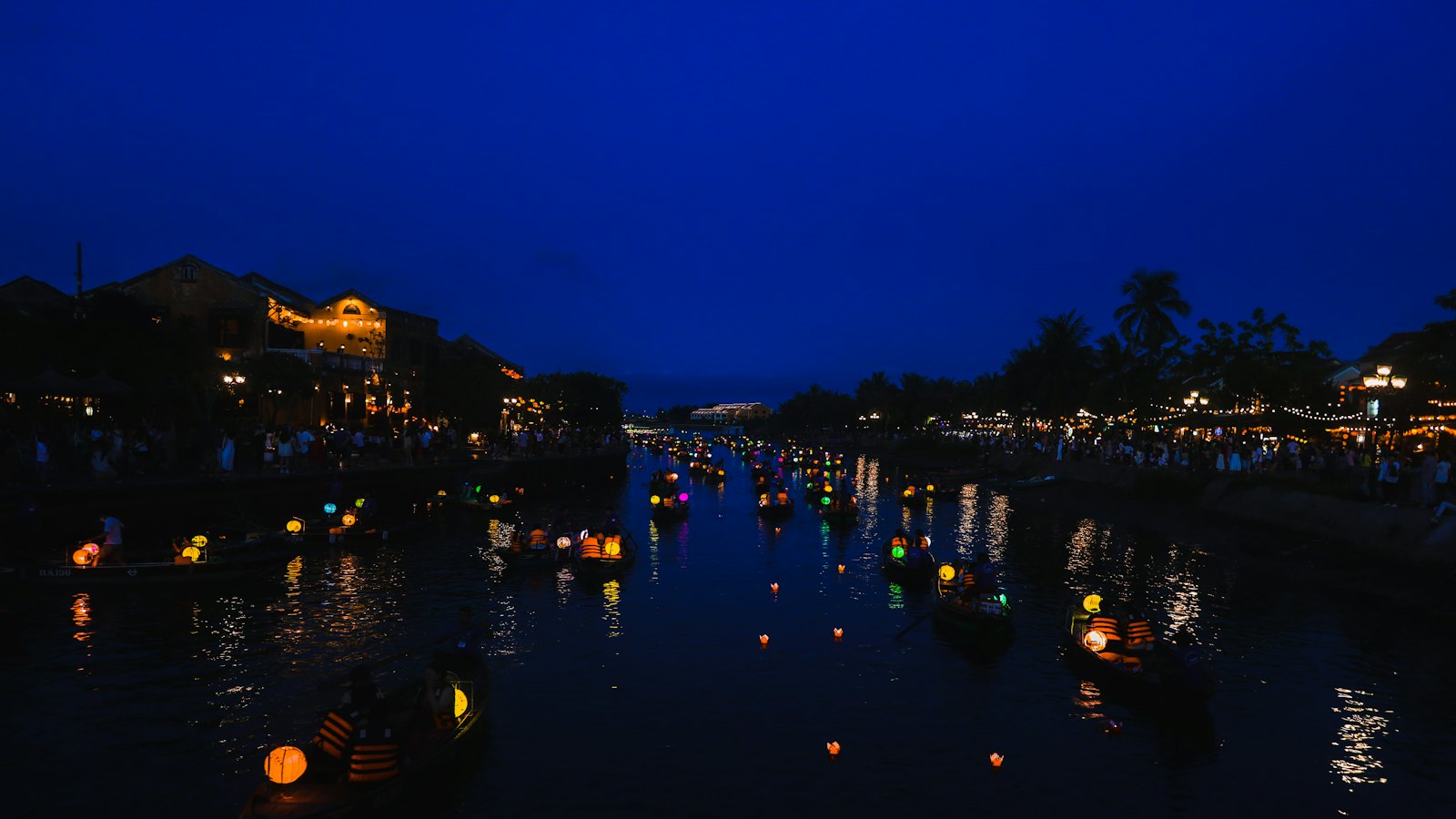
- Visit the riverside after sunset: Lantern reflections create the familiar Hoi An scene. Enjoy the view from shore if crowded boat rides do not appeal.
- Browse the Central Market: Come in the morning for produce, noodles, herbs and a close look at daily town life.
- Join a cooking class: Many programmes combine a market visit with hands-on preparation of central Vietnamese dishes. Ask about dietary requirements before paying.
- Cycle through Cam Kim or Cam Thanh: Flat lanes pass rice fields, gardens and village workshops. Avoid the midday heat.
- Relax at An Bang Beach: Go early for gentler temperatures and check sea conditions before swimming.
- Order tailored clothing: Compare fabrics, insist on written prices and leave enough time for at least two fittings.
- Visit My Son Sanctuary: This Cham temple complex makes a rewarding half-day trip, particularly with a guide who can explain its history.
What to eat and where to find it
Hoi An's signature food is distinct from the better-known dishes of Hanoi and southern Vietnam. The Central Market, streets around the Ancient Town and neighbourhood eateries in Cam Pho and Cam Chau are useful places to begin. Eat at busy stalls where ingredients turn over quickly.
Cao lầu is the essential local noodle dish, made with thick noodles, herbs, greens, crisp pieces and usually sliced pork. White rose dumplings are delicate steamed rice-flour parcels commonly filled with shrimp or pork. Cơm gà Hội An combines seasoned rice with shredded chicken, herbs and pickles, while mì Quảng brings turmeric-tinted noodles, a small amount of rich broth and assorted toppings. Bánh mì is an inexpensive breakfast or snack, but fillings frequently include pork pâté or mixed meats.
For sweets, try chè, a broad family of dessert soups containing beans, fruit, jelly or coconut milk. Vietnamese coffee is strong and usually sweetened with condensed milk; ask for less milk if you do not enjoy very sweet drinks.
Muslim travellers should never assume a vegetarian-looking noodle broth is meat-free. Broths, sauces and garnishes may contain pork, lard, alcohol or non-halal meat, so show a clearly translated dietary card before ordering.
Halal food and prayer planning
Hoi An is manageable for Muslim visitors, but its halal network is limited and certification should be checked carefully. A restaurant may advertise Indian, Malaysian or Middle Eastern food without using halal-certified meat. Ask whether the business is Muslim-owned, where its meat comes from, and whether pork or alcohol is handled in the same kitchen. Treat signs such as “no pork” as useful information, not proof of full halal compliance.
Search current listings through HalalTrip, Zabihah and recent Google Maps reviews, then confirm directly because small restaurants can relocate or change suppliers. The Ancient Town and main visitor areas provide the widest choice. Seafood, plain rice, eggs and vegetarian dishes are practical fallbacks, but ask about cooking wine, fish sauce mixtures, shared oil and meat-based stock. Pack snacks for excursions to My Son or rural areas.
Hoi An does not have the extensive public prayer facilities Malaysians may expect at home. Ask your accommodation for a quiet space, carry a compact prayer mat and use a qibla app. Da Nang has a larger Muslim community and more potential halal choices, so travellers combining both cities may find it easier to plan a meal and prayer stop there. At Da Nang Airport, ask information staff for the current location of any quiet or prayer room rather than assuming one is available.
Getting around town and the coast
Central Hoi An is easiest on foot, particularly when sections of the Ancient Town restrict motor traffic. Wear shoes that cope with uneven paving, and carry water during the hotter months.
Grab works in Hoi An and is useful for rides between the old centre, Cam Chau and An Bang Beach. A short car journey commonly costs around 50,000 to 120,000 dong (RM 8 to RM 19), while motorbike rides can be cheaper. Availability may thin out late at night or in rural areas. Local taxis are another option; ask for the meter and use an established taxi rank or have your accommodation call one.
Many stays provide bicycles free or for around 30,000 to 60,000 dong (RM 5 to RM 10) a day. Cycling suits the rice fields and quiet village lanes, but traffic on main roads requires confidence. Helmets and lights are important.
Motorbike rental typically starts around 120,000 to 200,000 dong (RM 19 to RM 32) per day before fuel. Rent only if properly licensed and insured for Vietnam, photograph existing damage and wear a helmet. There is no urban rail or useful tourist transit card. For My Son, the Marble Mountains or Da Nang, book a car, organised tour or clearly priced return transfer.
A four-day Hoi An itinerary
- Day 1: Arrive at Da Nang Airport and transfer to Hoi An. Settle in, then take a gentle orientation walk through the Ancient Town, Japanese Covered Bridge and riverfront. Have dinner away from the busiest waterside strip, then return to see the lanterns after dark.
- Day 2: Start early at the Central Market and visit several heritage buildings before the heat builds. Break for cao lầu or a verified halal meal, then spend the afternoon at a cooking class or cycling through Cam Kim. Allow time for a first fitting if ordering tailored clothes.
- Day 3: Travel to My Son Sanctuary in the cooler morning hours. Return for lunch and rest, then visit Cam Chau's rice-field lanes or Cam Thanh. Finish with another evening in the old centre, focusing on quieter streets beyond the main river crossing.
- Day 4: Head to An Bang Beach early, provided the weather and sea are suitable. Eat lunch near the coast, collect any tailored items and complete final fittings. Transfer to Da Nang Airport with extra time for traffic.
Add a fifth day if you want to explore Da Nang, including its beaches, markets and Marble Mountains, without rushing Hoi An.
Money, SIMs and practical advice
Vietnam uses the dong, abbreviated VND. For quick budgeting, 100,000 dong is roughly RM 16, though you should check the live rate before travelling. Notes have many zeros, so examine each denomination before paying. Cash remains important at markets, small eateries and family-run shops, while larger accommodation, tailors and restaurants often accept cards. Foreign cards do not normally work with Malaysia's DuitNow QR system.
Airport SIM counters are convenient, but an eSIM bought before departure can save time. Choose a package with enough data for Grab, maps and translation, and confirm that your phone supports eSIM. Wi-Fi is common at accommodation and cafes.
Vietnam commonly uses Type A, C and F sockets, with a 220V supply. A universal adaptor is sensible. Tipping is appreciated rather than compulsory; round up for good service or leave a modest amount for guides and drivers.
Hoi An is generally straightforward for visitors, but guard phones and wallets in crowded areas. Confirm prices before boat rides, tailoring, cyclo trips and unmetered transfers. Inspect tailored garments carefully before final payment. During heavy rain, low parts of the Ancient Town can flood, so follow local advice and never enter moving water. Use bottled or properly filtered water, apply mosquito repellent and ensure travel insurance covers your planned activities.
Before you go
- Best time to go
- February to April is the most comfortable period for Hoi An, with generally drier weather and less oppressive heat. May to August brings hotter, sunnier conditions that suit beach time, although midday sightseeing can be tiring. September to January is the wetter season, with the greatest risk of prolonged rain, rough seas, storms and flooding in low-lying parts of the Ancient Town. Weather patterns vary, so check the forecast close to departure. Prices and crowds can rise around Tet, major Vietnamese holidays, Malaysian school holidays and year-end travel dates. For a good balance of weather and value, consider late February, March or April outside public-holiday weekends. Book direct flights and central accommodation earlier if your dates overlap school breaks.
- Visa for Malaysians
- Malaysian passport holders can visit Vietnam without a visa for up to 30 days per trip as of September 2026. For a longer stay, apply through the official evisa.gov.vn portal for an e-visa valid for up to 90 days. The fee is US$25 for a single entry or US$50 for multiple entries, roughly RM 100 or RM 205. Avoid copycat agent sites. Every foreign passenger arriving at a Vietnamese airport, including Da Nang, must complete a pre-arrival declaration and show the resulting QR code at immigration. Submit it at prearrival.immigration.gov.vn when your arrival date is today or within the next two days, or complete it using the QR code or paper form on arrival. Carry a passport with at least six months' validity and proof of onward travel. Confirm the latest requirements on evisa.gov.vn and with the Embassy of Malaysia in Hanoi before flying.
- Honest budget guide
- Plan on RM 180 to RM 350 per person per day in Hoi An, excluding flights, for a comfortable budget to mid-range trip. At the time of writing, direct one-way fares from Kuala Lumpur to Da Nang start at RM 284, while the median one-way fare is RM 326. Budget rooms commonly cost RM 80 to RM 140 a night, and comfortable mid-range accommodation is roughly RM 160 to RM 320. Allow RM 45 to RM 100 per person daily for food, plus RM 20 to RM 60 for local rides and bicycle hire. Entrance passes, classes and day trips sit outside that basic allowance. A typical four-day trip for two people sharing a room is roughly RM 2,000 to RM 3,600 in total, including return flights but excluding shopping and premium tours. All figures are indicative and rise during holidays.
Frequently asked questions
Do Malaysians need a visa for Hoi An?
No. Malaysian passport holders can enter Vietnam visa-free for up to 30 days per trip as of September 2026. Longer visits require an e-visa from evisa.gov.vn. Foreign arrivals at Da Nang Airport must also complete the pre-arrival declaration and present its QR code at immigration. Keep at least six months on your passport and carry an onward or return booking. Confirm current rules on the official sites before departure.
Are there direct flights from Kuala Lumpur to Hoi An?
Hoi An has no airport, but AirAsia, Batik Air Malaysia, Malaysia Airlines and VietJet Air fly direct from KLIA to nearby Da Nang as of September 2026. Flying time is usually around 2 hours 40 minutes to 3 hours. Da Nang Airport is then approximately 45 minutes from Hoi An by car, subject to traffic.
How much is the transfer from Da Nang Airport to Hoi An?
A Grab, metered taxi or private car generally costs around 350,000 to 550,000 dong, approximately RM 56 to RM 88 per vehicle. Shared shuttles may cost about 150,000 to 250,000 dong per person. The drive normally takes 40 to 55 minutes. Prices are indicative, so confirm the full fare and pickup point before leaving the airport.
Is Hoi An Muslim-friendly?
Hoi An is visitable with preparation, but halal-certified choices are limited. Check whether a restaurant is certified or Muslim-owned rather than relying on a “no pork” sign. Seafood and vegetarian dishes can help, although sauces, stock, cooking wine and shared oil still require checking. Carry a prayer mat and some packaged food for day trips, and confirm current dining options through halal apps.
How many days are enough for Hoi An?
Three full days cover the Ancient Town, a countryside activity and either An Bang Beach or My Son Sanctuary. Four days feels better because it leaves room for hot afternoons, rain and tailoring fittings. Add another day if you want to explore Da Nang or the Marble Mountains without reducing your time in Hoi An.
What is the best month to visit Hoi An?
March is an excellent all-round choice, with generally drier conditions and more comfortable temperatures than high summer. February and April are also attractive. May to August suits beach-focused trips but can be very hot. The period from September to January is wetter and brings a greater chance of storms, rough seas and flooding.
Can I use Grab in Hoi An?
Yes, Grab works in Hoi An and is convenient for trips between the Ancient Town, Cam Chau and An Bang Beach. Short car rides often cost around 50,000 to 120,000 dong, although demand, weather and distance affect the fare. Driver availability can be lower late at night or outside central areas, so arrange return transport for rural excursions.
How much money should I budget for four days in Hoi An?
For two people sharing a room, budget roughly RM 2,000 to RM 3,600 including return flights from Kuala Lumpur, accommodation, ordinary meals and local transport. Shopping, tailoring, premium resorts and private tours can lift the total substantially. Cash is useful for markets and small shops, but divide it securely and withdraw or exchange only what you expect to spend.
Jom pergi
Ready to go Hoi An? Compare available flights and hotels for your dates. Check baggage, cancellation terms and the final total on the booking provider before paying.






