




On this page12 sections
- Overview
- Getting there from KL: airlines, airports and fares
- Airport to the city: Suvarnabhumi and Don Mueang
- Where to stay in Bangkok
- Things to do in Bangkok
- What to eat in Bangkok
- Halal food and prayer spaces
- Getting around Bangkok
- Sample 4-day Bangkok itinerary
- Money, SIM and practical tips
- Before you go
- FAQ
Bangkok is the city many Malaysians go back to year after year: a short flight from KLIA, easy on the ringgit, and full of markets, malls, temples and food that keeps going long after midnight. This guide is written for travellers flying from KL. It covers the new visa rules that took effect on 15 September 2026, which of Bangkok's two airports your airline uses, how to reach the city by train or taxi, where to find halal meals and a place to pray, and what a trip really costs in ringgit. One tip before anything else: Thailand is one hour behind Malaysia, so set your watch back when you land.
Getting there from KL: airlines, airports and fares
Bangkok has two international airports on opposite sides of the city, and your airline decides which one you use.
- Suvarnabhumi (BKK), east of the centre: Malaysia Airlines and THAI fly non-stop from KLIA Terminal 1. Thai Vietjet Air starts a daily KL service on 9 October 2026; check your booking for the KLIA terminal.
- Don Mueang (DMK), north of the centre: AirAsia flies daily from KLIA Terminal 2. Batik Air Malaysia also flies to Don Mueang, including from Subang airport, which is handy for Klang Valley travellers; check which KL airport your booking uses.
The flight takes a little over two hours, and Thailand is one hour behind Malaysia. Budget fares usually exclude checked bags, so price in luggage if you plan to shop.
At the time of writing, our KL fare scan (updated 28 September 2026) shows one-way fares to Bangkok from about RM 284 on a non-stop Thai Vietjet Air flight in March 2027. The typical one-way fare was around RM 465 and the highest about RM 655, and the scan also picked up non-stop fares on THAI and Malaysia Airlines. The cheapest one-stop option was Scoot via Singapore at about RM 359. AirAsia did not appear in this scan, so check its fares into Don Mueang separately. Prices change daily and rise around Malaysian school holidays.
Airport to the city: Suvarnabhumi and Don Mueang
Prices are indicative, at roughly 8 baht to RM 1. Carry small notes for taxis.
From Suvarnabhumi: - Airport Rail Link: trains leave from the basement every 10 to 13 minutes, from about 5.30am to midnight, and reach Phaya Thai (for the BTS) in around 27 minutes. Fares are 15 to 45 baht (at most about RM 5.50), and the gates accept contactless Visa and Mastercard. - Public taxi: follow the signs to the rank on Level 1 and take a slip from the machine. You pay the meter, a 50 baht airport surcharge and about 75 baht in expressway tolls, usually 250 to 400 baht in total (RM 30 to RM 50) for 45 to 60 minutes, more in heavy traffic. - S1 bus: 60 baht (about RM 7) to the Khao San area, every 30 minutes from about 6am to 8pm, from Gate 7 on Level 1. - Limousine counters: priced by distance, around 800 baht (about RM 100) to Sukhumvit.
From Don Mueang: - SRT Dark Red Line: cross the covered bridge to the station, ride to Krung Thep Aphiwat and change to the MRT Blue Line. Fares have been 12 to 42 baht since the 20 baht flat fare ended in 2025. - Airport buses: A1 and A2 (about 30 baht) connect with the BTS; A3 to Pratunam and Lumphini Park and A4 to Khao San cost about 50 baht (RM 6). - Public taxi: the same slip system and 50 baht surcharge as at Suvarnabhumi.
A free shuttle links the two airports if you show an onward boarding pass; allow two to three hours.
Where to stay in Bangkok
Traffic decides everything here, so stay within walking distance of a BTS, MRT or river pier. - Siam and Pratunam: the shopping heart of the city and the area most Malaysians book first, with Platinum Fashion Mall, the Pratunam market and the Siam malls close by, plus the Airport Rail Link at Ratchaprarop. Great for families and first trips, though evening traffic is heavy. - Sukhumvit (Nana to Asok): hotels at every price, the BTS and MRT at Asok, and Soi Arab near Nana station for halal Middle Eastern food. The nightlife strips of Nana Plaza and Soi Cowboy are in this stretch, so families may prefer a quieter side street. - Riverside (Charoen Krung and Sathorn): river views, express boats to the temples from Sathorn pier by Saphan Taksin BTS, and ICONSIAM across the water. The lanes around Haroon Mosque make halal meals easy, so this suits couples and Muslim families wanting a calmer base. - Khao San Road and Banglamphu: cheap rooms within walking distance of the Grand Palace, linked to Suvarnabhumi by the S1 bus. There is no Skytrain nearby, and the main strip stays loud until late.
Things to do in Bangkok
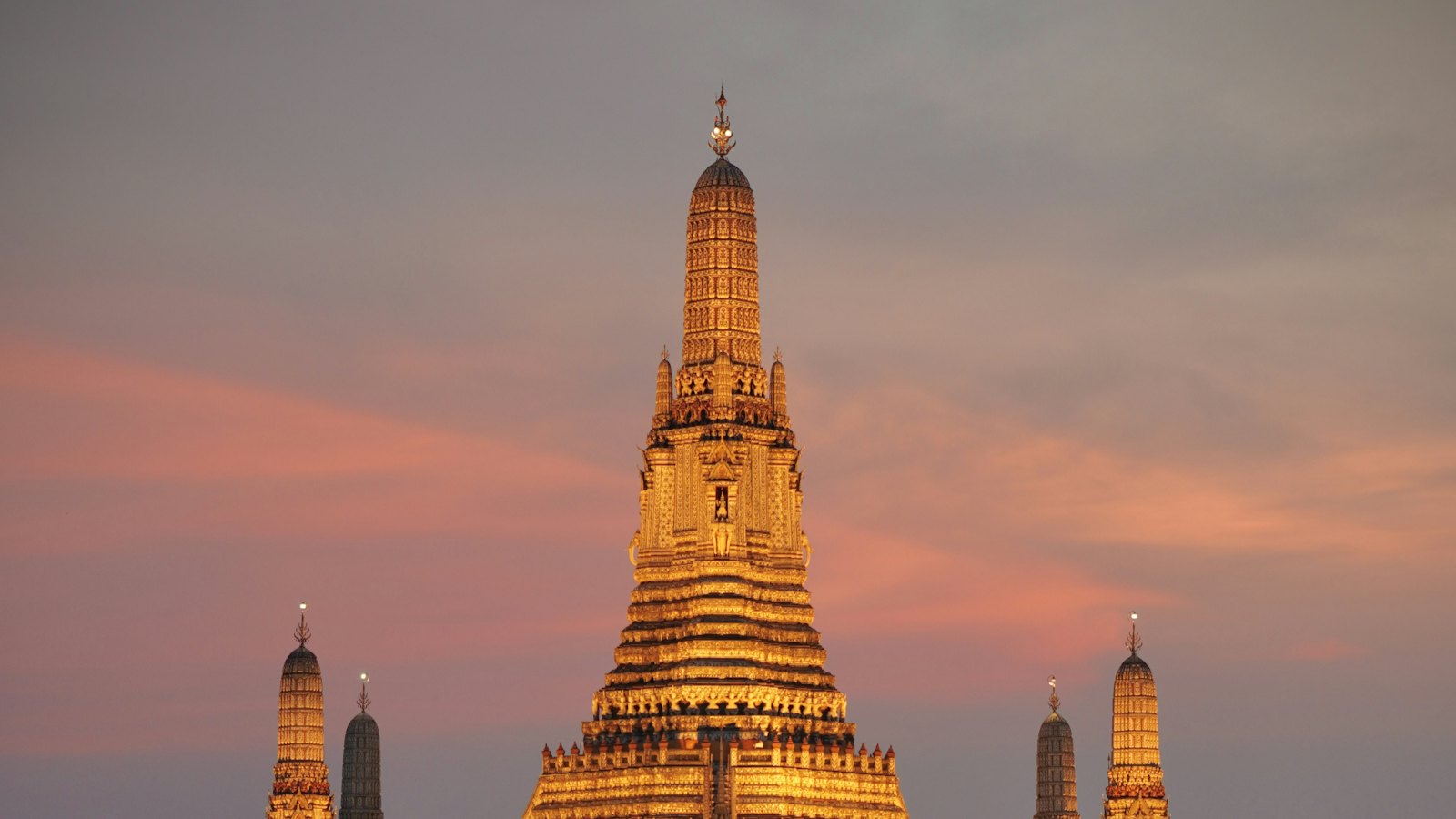
Do the temples early, keep the afternoons for air-conditioned malls, and go out again after sunset. - Grand Palace and Wat Phra Kaew: home of the Emerald Buddha. Entry is 500 baht (about RM 60), and the dress code is strict: covered upper arms and long trousers or skirts. Ignore strangers outside who say the palace is closed today; it is a well-known trick. - Wat Pho: the giant Reclining Buddha, a short walk south of the palace near MRT Sanam Chai, with a respected Thai massage school on site. - Wat Arun: the riverside Temple of Dawn, reached by a cheap cross-river ferry. - Chao Phraya Express Boat: the orange-flag boat from Sathorn pier is the cheapest river cruise in town. - Chatuchak Weekend Market: thousands of stalls on Saturdays and Sundays. MRT Kamphaeng Phet drops you inside the market. - Pratunam and the Siam malls: wholesale-style clothing at Platinum Fashion Mall, cheap accessories at MBK, and international brands at Siam Paragon and CentralWorld. Bargain at markets, not in malls. - Yaowarat at night: Chinatown's neon, gold shops and seafood stalls. - Taling Chan Floating Market: a weekends-only canal market in Thonburi, far closer than the famous ones outside the city.
What to eat in Bangkok
Thai food in Bangkok is sharper and sweeter than at Thai restaurants back home, and much of the best is cooked on the pavement. A street plate usually costs well under 100 baht (about RM 12), and a meal in a simple local restaurant is not much more. - Pad thai: stir-fried rice noodles with egg, tamarind and peanuts, usually with prawns or chicken. - Tom yam goong: the original hot and sour prawn soup, often fierier than the Malaysian version. - Som tam: pounded green papaya salad from the northeast, eaten with sticky rice and grilled chicken. Say mai pet for mild. - Khao man gai: Thai chicken rice with a chilli and soybean sauce. - Massaman curry: mild and rich, with Muslim roots, a safe pick for children. - Mango sticky rice: the dessert almost every Malaysian orders twice.
Yaowarat is the place for a Chinese-Thai supper of grilled seafood and noodles. Mall food courts are the easy option in the heat: load a card at the counter and collect the balance when you leave. Muslim travellers should note that noodle broths, grilled meats and stir-fries at ordinary stalls often involve pork, so see the next section first.
Halal food and prayer spaces
Bangkok works for Muslim travellers with a little planning. Muslims are a minority in Thailand, and ordinary street stalls often share woks, broths and grills with pork. A no pork sign does not mean halal.
Look for the Thai halal logo, issued under the Central Islamic Council of Thailand, which also runs an online status check for certified products. Many restaurants and packaged snacks carry it. The most choice is in: - Bang Rak and Charoen Krung: the lanes around Haroon Mosque, founded in 1837, are home to Muslim families and halal stalls. - Soi Arab: Sukhumvit Soi 3/1 and the lanes around it near Nana BTS, lined with Middle Eastern, Indian and Pakistani restaurants. - Ramkhamhaeng: the night market beside Ramkhamhaeng University is known for halal stalls, and Min Buri further east has a large Thai Muslim community with markets and mosques. - Old town: Thai-Muslim roti and mataba shops near Khao San, and the Thai-style Bang Luang Mosque (Kudi Khao) in Thonburi.
Suvarnabhumi Airport has a Muslim prayer room on the third floor. In malls, ask at the information counter whether there is a musolla. Muslim Pro covers prayer times and the qibla, and searching masjid on Google Maps finds the nearest mosque for Friday prayers.
Getting around Bangkok
Rail beats the roads at almost any hour. - BTS Skytrain: the Sukhumvit and Silom lines meet at Siam, and a short Gold Line serves ICONSIAM. Buy single tickets at machines, a Rabbit card for 200 baht including 100 baht of credit (passport needed), or a One-Day Pass for 150 baht (about RM 18). BTS gates do not take contactless bank cards yet. - MRT: distance-based fares; tap a contactless Visa or Mastercard at the gates. The Rabbit card does not work here. - River: express boats and cross-river ferries are cheap and skip the old-town traffic. - Grab: works across Bangkok with the fare shown upfront, paid by card or cash. Bolt is often cheaper. Expressway tolls are paid on top. - Metered taxis: the meter starts at 35 baht. Insist it is switched on, and walk away from flat-price offers in the city. - Tuk-tuks: fun for a short ride, but agree the price first and refuse detours to gem or tailor shops. - Motorbike taxis: riders in orange vests at soi corners, for short hops only. Ask for a helmet.
In late-afternoon rain, a 20-minute taxi ride can take an hour, so take the train when you can.
Sample 4-day Bangkok itinerary
This plan assumes a morning arrival and that day 3 falls on a weekend for Chatuchak; swap days 2 and 3 if needed. - Day 1: Check in and rest through the midday heat. Late afternoon, ride the orange-flag boat from Sathorn pier as the river lights up, then eat around Haroon Mosque or in Yaowarat. - Day 2: Reach the Grand Palace at opening time, walk to Wat Pho, then take the ferry to Wat Arun. Spend the hot afternoon in the Siam malls and have dinner on Soi Arab. - Day 3: Chatuchak in the morning before the crowds peak. After a hotel break, shop Pratunam and Platinum Fashion Mall, or try the Ramkhamhaeng night market for halal street food. - Day 4: An early walk in Lumphini Park, or the Taling Chan Floating Market on a weekend, then lunch and last-minute shopping at ICONSIAM. Leave at least three hours before your flight for traffic, check-in and any VAT refund.
With a fifth day, add a trip to the old capital of Ayutthaya, or simply slow down.
Money, SIM and practical tips
- Currency: the Thai baht. At the time of writing RM 1 buys roughly 8 baht, so 100 baht is about RM 12.
- Cash and cards: use cash for street food, markets and taxis; malls take cards. Thai ATMs charge foreign cards around 250 baht a withdrawal, so change money at SuperRich instead, including its counter in the Suvarnabhumi basement.
- DuitNow QR: under PayNet's cross-border QR scheme, supported Malaysian banking and e-wallet apps can scan Thai QR codes and show the ringgit amount before you pay. Not every app or shop takes part, so check yours before relying on it.
- SIM and eSIM: operator counters in the arrivals hall sell pricier tourist packs; 7-Eleven sells cheaper local SIMs, recently around 199 baht for 30GB over 30 days. DTAC offers a tourist eSIM.
- Plugs: 220V, with a mix of socket types, most often two-pin. Malaysian three-pin plugs need an adapter, sold even at 7-Eleven.
- Tipping: not expected; round up taxi fares.
- VAT refund: in shops with a VAT Refund for Tourists sign, spend at least 2,000 baht in one shop on one day, show your passport and ask for the P.P.10 form. Get the goods inspected at the airport before check-in.
- Rules: dress modestly at temples, never criticise the monarchy, and leave vapes at home, as e-cigarettes are illegal in Thailand.
- Scams: the palace-is-closed trick, and cheap tuk-tuk tours that end at gem shops.
Before you go
- Best time to go
- November to February is the best time for most Malaysians to visit Bangkok, when the cool, dry season brings lower humidity and pleasant evenings, along with peak hotel prices. March and April are the hottest months, with daytime highs around 35°C, though mid-April brings Songkran, the Thai New Year water festival. The wet season runs from May to October, with September and October usually the wettest, and rooms are often cheaper. Loy Krathong, when candle-lit floats are set on rivers and ponds, usually falls in November, and Chinese New Year fills Yaowarat in January or February. Fares from KL climb during Malaysian school holidays, especially the year-end break, and around Chinese New Year and Hari Raya, so book early for those dates.
- Visa for Malaysians
- As of September 2026, Malaysian passport holders can visit Thailand visa-free for tourism and stay up to 30 days. This comes from Thailand's new visa exemption framework, which took effect on 15 September 2026 and replaced the earlier 60-day exemption, so older posts quoting 60 days are out of date. Malaysians are exempt from its limit of two visa-free land entries a year. Every foreign visitor must also complete the Thailand Digital Arrival Card (TDAC) online in the three days before arrival. It replaced the paper TM6 card, is not a visa and is free on the Immigration Bureau's official TDAC website, so ignore lookalike sites that charge a fee. Check that your passport has plenty of validity left, and keep your return ticket and hotel booking handy in case the officer asks. Extensions of stay are handled by the Immigration Bureau in Thailand. Rules change often, so confirm on the Thai e-Visa website or with the Royal Thai Embassy in Kuala Lumpur before you travel.
- Honest budget guide
- Plan on roughly RM 150 to RM 400 per person a day in Bangkok, before flights and shopping, depending on your hotel and how often you take taxis. At the time of writing our fare scan shows one-way fares from about RM 284, with a typical fare around RM 465, so a return at those levels works out to roughly RM 570 to RM 930. A budget room is about RM 80 to RM 150 a night and a comfortable mid-range hotel RM 200 to RM 400. Street food keeps meals to RM 40 to RM 80 a day, trains plus the odd Grab add RM 15 to RM 40, and the Grand Palace costs about RM 60. A four-day, three-night trip typically comes to RM 1,200 to RM 2,400 per person sharing a room. All figures are indicative.
Frequently asked questions
Do Malaysians need a visa for Thailand?
No. As of September 2026, Malaysian passport holders can enter Thailand visa-free for tourism and stay up to 30 days, under the framework that took effect on 15 September 2026 and replaced the old 60-day exemption. You must still submit the free Thailand Digital Arrival Card online within three days before arrival. Confirm with the Royal Thai Embassy in Kuala Lumpur before flying.
Is there a direct flight from KL to Bangkok?
Yes, several. Malaysia Airlines and THAI fly non-stop from KLIA Terminal 1 to Suvarnabhumi, and Thai Vietjet Air joins the route with a daily flight from 9 October 2026. AirAsia flies from KLIA Terminal 2 to Don Mueang, and Batik Air Malaysia serves Don Mueang too, including from Subang. The flight takes a little over two hours, and Bangkok is one hour behind KL.
Which Bangkok airport is better, Suvarnabhumi or Don Mueang?
Neither wins every time. Suvarnabhumi has the Airport Rail Link, which reaches Phaya Thai in under half an hour for at most 45 baht. Don Mueang, in the north, relies on airport buses, the Red Line train, taxis or Grab. Choose by fare, flight time and hotel location.
Is Bangkok Muslim-friendly?
Reasonably, if you know where to look. Halal-certified restaurants carry the logo of the Central Islamic Council of Thailand, and areas such as Bang Rak around Haroon Mosque, Soi Arab near Nana BTS and the Ramkhamhaeng night market have plenty of halal food. Suvarnabhumi has a prayer room. Most ordinary street stalls are not halal, so check before ordering.
Can I use Grab in Bangkok?
Yes. Grab works across Bangkok, with the fare shown before you book, English address search and payment by card or cash. Bolt is also available and is often cheaper. On expressway routes you pay the toll charges on top of the app fare, the same as in a metered taxi.
How many days in Bangkok is enough?
Three to four days covers the Grand Palace, Wat Pho, Wat Arun, a river trip, Chatuchak at the weekend and plenty of shopping. Add a fifth day for Ayutthaya or a slower pace. If you mainly want Pratunam and the malls, a long weekend is enough.
How much money do I need for 4 days in Bangkok?
As a rough guide, a four-day, three-night trip costs about RM 1,200 to RM 2,400 per person sharing a room, including a return flight of roughly RM 570 to RM 930. On the ground, allow RM 150 to RM 400 a day for your share of the room, food, transport and tickets, plus shopping. These figures are indicative.
What is the best month to visit Bangkok?
December and January are usually the most comfortable months, in the middle of the cool, dry season that runs from November to February. November and February are also good, and often slightly cheaper. Avoid March to May if you dislike heat, and expect the heaviest rain in September and October, when hotel prices are lower.
Jom pergi
Ready to go Bangkok? Compare available flights and hotels for your dates. Check baggage, cancellation terms and the final total on the booking provider before paying.






