




On this page12 sections
Phnom Penh rewards travellers who slow down and look beyond its busy roads. Cambodia's capital brings together the Royal Palace, sombre historical sites, lively markets and long evenings beside the Mekong and Tonle Sap rivers. It is also one of the easiest regional breaks from Malaysia, with short direct flights from KLIA and visa-free entry for Malaysians. This guide covers the right KLIA terminal, realistic airport transfers, useful neighbourhoods, halal food, Grab, local currency and a balanced three-day itinerary. Allow time for both the city's graceful side and its difficult history, and approach religious and memorial sites with care.
Flying from Kuala Lumpur to Phnom Penh
As of September 2026, AirAsia Cambodia, Cambodia Airways and Malaysia Airlines operate direct services between Kuala Lumpur International Airport and Phnom Penh. A direct flight normally takes around 1 hour 50 minutes to 2 hours, making the Cambodian capital practical for a long weekend.
Check the terminal shown on your booking rather than relying on the airline name alone, since KLIA has separate terminal buildings and airlines are not always based at the same one. Confirm the terminal in your itinerary and again before leaving home, and build in extra time if you need to move between terminals.
There are no cached fares for this route at the time of writing. As an indicative planning range, a one-way economy ticket might cost around RM 180 to RM 500 before baggage, meals and seat selection, with school holidays and late bookings pushing prices higher. Compare the final checkout total, not merely the headline fare. A return flight with checked baggage may reasonably fall around RM 450 to RM 1,000, but these figures are indicative rather than live quotes.
Phnom Penh airport to the city
The airport serving Phnom Penh is outside the central riverside districts, and road traffic makes transfer times variable. Allow roughly 35 to 70 minutes for central areas, with a longer ride possible during weekday peaks or heavy rain. Cambodia uses both US dollars and Cambodian riel; the estimates below assume roughly US$1 to RM 4.20 and are indicative.
- Grab: Usually the easiest option for Malaysians. Enter the destination in the app before leaving the terminal and follow the stated pickup instructions. A car to central Phnom Penh commonly costs around US$9 to US$18 (RM 38 to RM 76), depending on demand and vehicle size.
- Airport taxi: Use the official counter or organised taxi queue. Expect roughly US$12 to US$25 (RM 50 to RM 105) for a central destination. Confirm whether any toll or surcharge is included before setting off.
- Pre-arranged transfer: Useful for families, late arrivals and groups with several large bags. Prices commonly begin around US$20 (RM 84) and rise with vehicle size.
- Tuk-tuk: It may be cheaper, but the long, exposed journey is uncomfortable with luggage, rain or poor air quality. Use an app-booked ride where available and secure your bags away from the open side.
Keep your accommodation name and address saved offline because English spellings and similarly named streets can cause confusion.
Where to stay in Phnom Penh
Phnom Penh's central districts are fairly close on a map, but congestion and midday heat can turn a short distance into a tiring journey. Choose an area that matches how you expect to spend your evenings.
- Riverside and Daun Penh: Best for first-time visitors who want the Royal Palace, National Museum, river promenade and older streets within easy reach. It has abundant restaurants and nightlife, although some lanes become noisy and tourist-oriented after dark.
- BKK1: A comfortable base for cafes, international food and straightforward Grab pickups. It suits couples, remote workers and travellers who prefer a more polished neighbourhood while remaining close to the main sights.
- Tonle Bassac: Good for dining, modern apartments and access to the Independence Monument area. Families and repeat visitors often appreciate its quieter side streets, though traffic builds around major roads.
- Tuol Tom Poung: The Russian Market area suits budget-conscious travellers and people interested in local food, independent shops and a more residential rhythm. It sits farther from the Royal Palace, so allow for daily tuk-tuk or Grab rides.
Budget rooms are often around RM 70 to RM 140 a night, while comfortable mid-range accommodation generally falls around RM 160 to RM 320. Check recent reviews for street noise, lift access and construction nearby.
Essential things to do
Phnom Penh's attractions range from royal architecture to memorials documenting the Khmer Rouge period. Do not cram the two major memorial sites between cheerful sightseeing stops. Give yourself time to process them, dress respectfully and avoid posed or playful photography in sensitive areas.
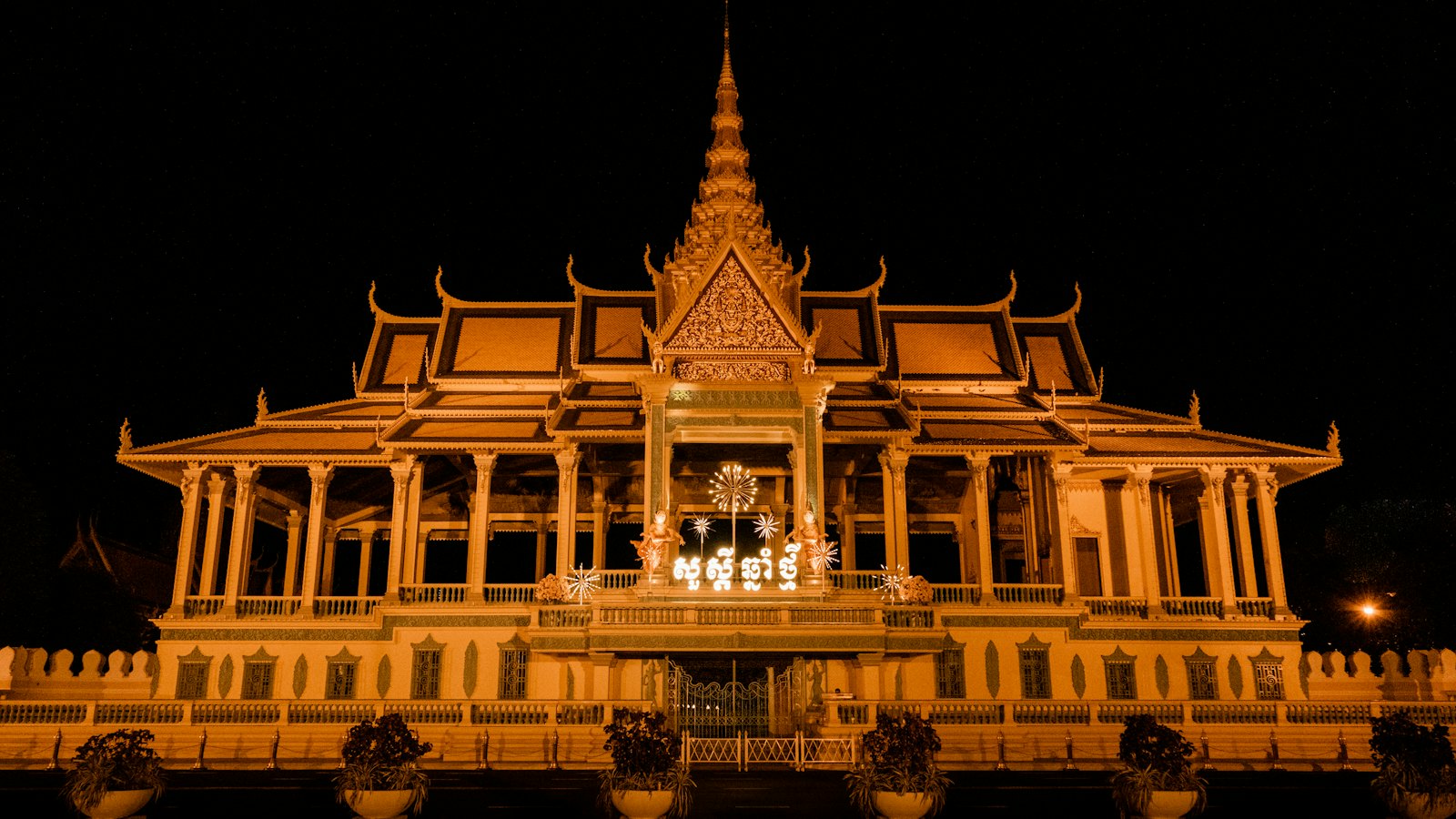
- Royal Palace and Silver Pagoda: See the formal heart of the Cambodian monarchy, with covered shoulders and knees.
- National Museum of Cambodia: Start here for Khmer sculpture, religious art and historical context before visiting temples elsewhere in the country.
- Tuol Sleng Genocide Museum: Visit the former S-21 prison quietly and allow at least a couple of hours for its difficult material.
- Choeung Ek Genocidal Center: The memorial outside central Phnom Penh is commonly paired with Tuol Sleng, although doing both in one day can be emotionally heavy.
- Wat Phnom: Climb the small hill associated with the city's founding story and watch for monkeys around food or loose belongings.
- Central Market: Browse beneath its distinctive Art Deco dome for clothing, souvenirs, snacks and jewellery.
- Russian Market: Explore a dense network of stalls selling household goods, clothes, crafts and food.
- Mekong riverfront: Walk around sunset, when the heat eases and local families gather along the promenade.
- Sunset cruise: A short river trip gives a different view of the city skyline and the meeting of its waterways.
Khmer food worth trying
Cambodian cooking is generally gentler in heat than many Malaysian cuisines, using fresh herbs, fermented flavours, coconut milk and pepper. Ask about pork, cooking wine and shared utensils where dietary restrictions matter because an apparently vegetable-based dish may use meat stock or fish paste.
Start with fish amok, a softly spiced coconut fish curry traditionally steamed in banana leaf. Beef lok lak combines stir-fried beef with salad and a lime-pepper dipping sauce. Kuy teav is a breakfast noodle soup whose stock and toppings vary, while nom banh chok pairs rice noodles with a fragrant fish-based gravy and herbs. Bai sach chrouk, grilled pork with rice, is popular but unsuitable for Muslim travellers unless a clearly halal version is offered. Fresh tropical fruit, iced coffee and sugarcane juice are easy snacks, though request less sugar if preferred.
Markets are good for observing everyday food culture, but cleanliness varies. Choose busy stalls cooking food to order, avoid ice if its source looks uncertain and carry small notes. For a calmer meal, riverside, BKK1 and Tonle Bassac have many Khmer restaurants with English menus. A simple local meal may cost US$2 to US$5 (RM 8 to RM 21), while a comfortable restaurant meal commonly runs US$6 to US$15 (RM 25 to RM 63) per person.
Halal food and prayer spaces
Phnom Penh is manageable for Muslim travellers, but halal options are concentrated rather than available on every street. The area around the city's main mosque is a useful starting point for Muslim-owned Cambodian, Malaysian and Middle Eastern food. BKK1 and central commercial districts also have some halal restaurants, although status can change.
Look for clear halal certification or confirmation that a business is Muslim-owned. A sign saying "no pork" does not rule out alcohol, non-halal meat or shared cooking equipment. If staff cannot explain the ingredients, choose seafood or vegetarian food and ask about stock, sauces and cooking wine. HalalTrip and Zabihah can help identify possibilities, but check recent user reports and verify directly at the restaurant.
Phnom Penh's main mosque is a reliable place for prayers, and smaller neighbourhood mosques also serve local Cham Muslim communities. Dedicated prayer rooms are not universal in malls or public attractions, so ask the information counter rather than assuming one is available. At the airport, check with staff for the current prayer facility or a quiet room. Carry a compact prayer mat and use a reliable qibla app. During Ramadan, confirm opening times because some Muslim-owned businesses adjust their daytime service.
Getting around the capital
Grab works in Phnom Penh and is the most convenient way to book cars, tuk-tuks and, where shown in the app, other vehicle categories. The displayed destination and estimated fare reduce negotiation problems, while cash payment remains useful. Passengers should check that the registration or driver details match before boarding.
For short central journeys, an app-booked tuk-tuk may cost around US$1 to US$4 (RM 4 to RM 17). A car generally costs around US$3 to US$8 (RM 13 to RM 34), depending on distance, weather and congestion. Street tuk-tuks are plentiful, but agree on the total fare and currency before moving. Avoid assuming that a quoted number means dollars or riel.
Phnom Penh does not have an urban rail system or a tourist transit card comparable with those in Singapore or Bangkok. Public buses are inexpensive, but routes may be less intuitive for a short visit and traffic affects journey times. Walking works around compact clusters such as the Royal Palace and riverfront, though pavements can be uneven or occupied by parked vehicles. Cross roads patiently and predictably because traffic may flow around pedestrians rather than stop completely. For Choeung Ek, arrange a return ride or agree on waiting time in advance.
A balanced three-day itinerary
- Day 1: Begin at the Royal Palace and Silver Pagoda before the midday heat, then continue to the National Museum for context on Khmer history and art. Have a leisurely lunch, explore the riverfront and finish with a sunset cruise or promenade walk. Keep valuables away from the road-facing side while walking or riding in an open tuk-tuk.
- Day 2: Visit Tuol Sleng Genocide Museum in the morning and Choeung Ek later, allowing time between them rather than treating either as a quick photo stop. Return to your accommodation for a rest, then have a quiet dinner in BKK1 or Tonle Bassac.
- Day 3: See Wat Phnom, browse Central Market and continue to the Russian Market or Tuol Tom Poung for local shopping and lunch. Muslim travellers can plan a meal and prayer around the city's main mosque. End with a Khmer dinner and pack before the evening traffic builds.
Four days works better for families or travellers who prefer slower mornings. Use the extra day for cafe time, a longer museum visit, Silk Island or an organised excursion outside the centre. Check road and weather conditions before committing to any river crossing or rural outing.
Money, SIM cards and practical advice
Cambodian riel is the national currency, but US dollars are widely used in Phnom Penh. For rough planning, RM 1 is about 950 riel and US$1 is about RM 4.20, although exchange rates move. Change from a dollar payment may come back in riel. Reject badly torn US notes, count change carefully and carry small denominations because market vendors may not break large bills.
Cards are accepted at many hotels, malls and established restaurants, but cash remains essential for markets, small eateries and some rides. Do not expect Malaysia's DuitNow QR to work. Local QR systems generally require compatible Cambodian or regional banking arrangements.
Tourist SIMs and eSIMs are readily available, with short-trip data plans often around RM 15 to RM 45. Buy from an official airport or city outlet and keep your passport available for registration. Cambodia commonly uses Type A, C and G sockets, so Malaysians should bring a universal adapter. Tipping is optional, though rounding up for good service is appreciated.
Phone snatching can occur from open tuk-tuks and roadside positions. Keep devices away from the traffic side, close bags securely and use hotel safes sensibly. Be cautious of inflated tuk-tuk quotes, unofficial money changers, drink-spiking risks and strangers inviting you into gambling or investment schemes.
Before you go
- Best time to go
- November to February is the most comfortable period for visiting Phnom Penh, with lower humidity and less rain. December and January usually bring the mildest conditions, but accommodation can cost more around Christmas, New Year and regional school holidays. March to May is intensely hot, so plan outdoor sights early and rest around midday. The wet season generally runs from May to October, with short heavy downpours, humid afternoons and occasional local flooding. September can be particularly wet, although fewer visitors may mean better room value. Khmer New Year in April and major water celebrations can affect traffic, business hours and prices. Malaysian school holidays also raise demand for the short direct flights, so book earlier for those dates.
- Visa for Malaysians
- As of September 2026, Malaysians holding an ordinary passport can visit Cambodia visa-free for up to 30 days. There is no visa fee under the ASEAN exemption. Travellers arriving by air must complete the free Cambodia e-Arrival form, which combines immigration, customs and health declarations. It can be submitted within the seven days before arrival, including arrival day, through the official site at arrival.gov.kh. Use only that official service and avoid websites charging unnecessary processing fees. Your passport should have at least six months of validity remaining when you land and must not be damaged. Immigration may take fingerprints, so allow time after leaving the aircraft. Entry rules can change at short notice; confirm the current requirements on arrival.gov.kh and mfaic.gov.kh before you fly.
- Honest budget guide
- Budget around RM 180 to RM 380 per person per day in Phnom Penh, excluding flights. A budget room commonly costs RM 70 to RM 140 a night, while a comfortable mid-range stay is roughly RM 160 to RM 320. Allow RM 45 to RM 110 per person daily for food and RM 20 to RM 60 for Grab rides, tuk-tuks and short transfers. Major museums, memorials, cruises and excursions require a separate sightseeing allowance. There are no cached fares for this route at the time of writing, so use an indicative return-flight range of RM 450 to RM 1,000 with baggage. A typical three-night trip may total around RM 1,200 to RM 2,700 per person, depending on room sharing and activities. All figures are indicative and exchange rates, holidays and booking dates can change the final cost.
Frequently asked questions
Do Malaysians need a visa for Phnom Penh?
No. As of September 2026, Malaysian ordinary-passport holders can enter Cambodia visa-free for up to 30 days, with no visa fee. Air passengers must complete the free Cambodia e-Arrival form through arrival.gov.kh within seven days before arrival, including arrival day. Bring a passport with at least six months of validity and confirm current requirements on arrival.gov.kh and mfaic.gov.kh before flying.
Is there a direct flight from Kuala Lumpur to Phnom Penh?
Yes. As of September 2026, AirAsia Cambodia, Cambodia Airways and Malaysia Airlines fly direct between Kuala Lumpur International Airport and Phnom Penh. The journey usually takes around 1 hour 50 minutes to 2 hours. KLIA has separate terminal buildings, so always check the terminal printed on your latest itinerary rather than assuming based on the airline.
How many days are enough for Phnom Penh?
Three full days are enough for the Royal Palace, National Museum, riverfront, major markets, Tuol Sleng and Choeung Ek without rushing excessively. Add a fourth day if travelling with children, planning an excursion or wanting slower mornings. The two Khmer Rouge memorial sites deserve proper time and should not be squeezed casually between unrelated attractions.
Is Phnom Penh Muslim-friendly?
It is reasonably manageable with planning. Halal food is concentrated around the city's main mosque and selected restaurants in central districts rather than being available everywhere. Look for halal certification or Muslim ownership, because "no pork" does not necessarily mean halal. Prayer rooms are not universal, so carry a small prayer mat and ask staff about available spaces.
Can I use Grab in Phnom Penh?
Yes, Grab operates in Phnom Penh and is useful for cars and tuk-tuks. It displays the destination and estimated fare, which helps reduce misunderstandings. Short tuk-tuk trips often cost around US$1 to US$4, while cars commonly cost around US$3 to US$8. Prices are indicative and can rise with distance, weather, traffic and demand.
What is the best month to visit Phnom Penh?
December and January are usually the most comfortable months because rainfall and humidity are lower. November and February are also good choices. This pleasant season attracts more visitors, so flights and rooms may cost more during Malaysian school holidays. March to May is much hotter, while the wet season brings heavy showers and occasional local flooding.
How much money do I need for three days in Phnom Penh?
A three-night trip typically costs around RM 1,200 to RM 2,700 per person including indicative return flights, accommodation, meals, urban transport and several attractions. Budget travellers sharing a room can spend less, while private transfers, cruises and mid-range restaurants raise the total. Carry both small US-dollar notes and Cambodian riel for everyday payments.
Should I use US dollars or Cambodian riel?
Carry both. Cambodian riel is the national currency, but US dollars are commonly accepted in Phnom Penh. Small purchases and change are often handled in riel. Use clean, undamaged dollar notes because businesses may reject torn or heavily marked bills. Cards work at many established venues, but markets, small eateries and tuk-tuks still make cash useful.
Jom pergi
Ready to go Phnom Penh? Compare available flights and hotels for your dates. Check baggage, cancellation terms and the final total on the booking provider before paying.






