




On this page12 sections
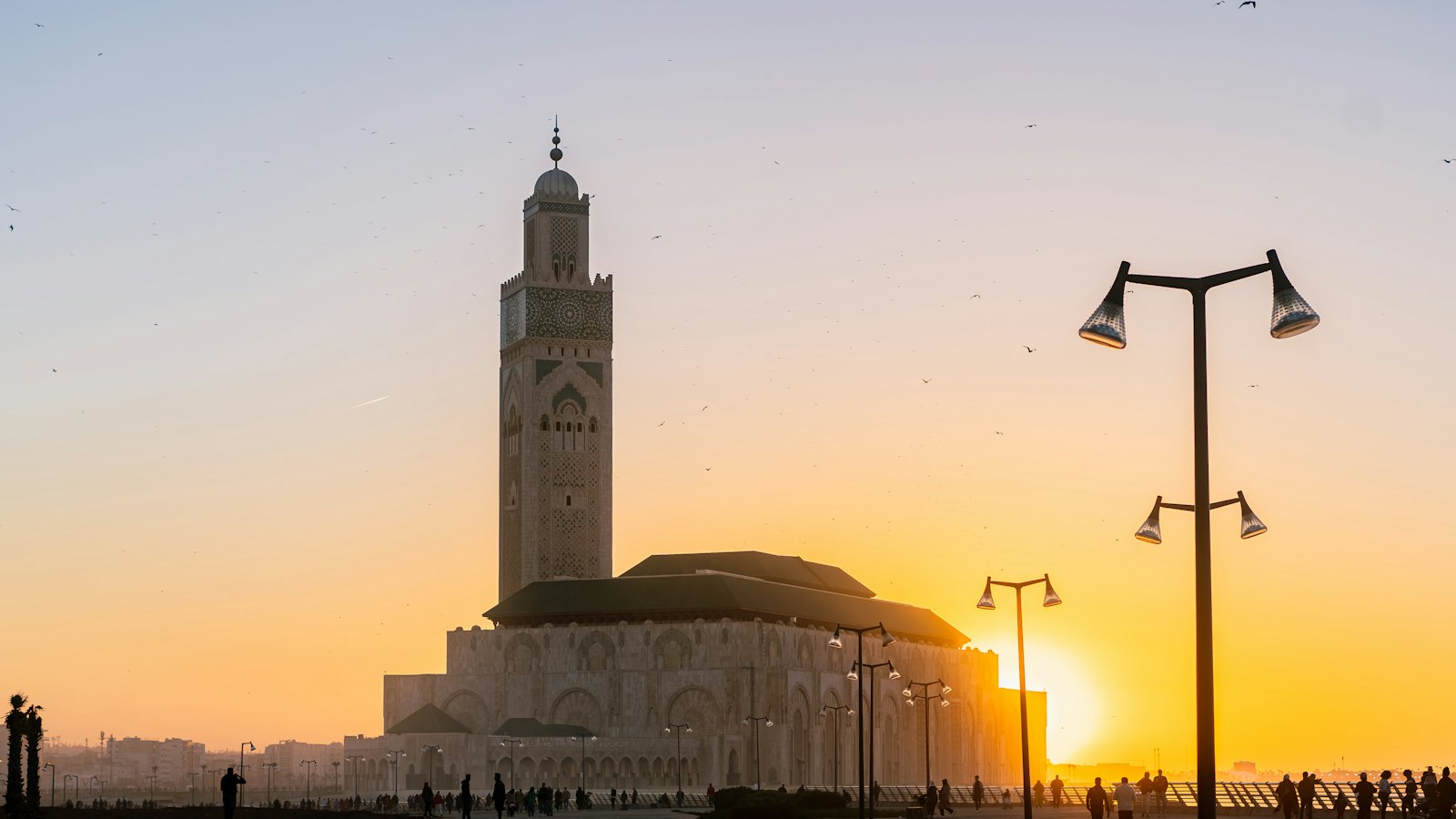
Casablanca shows Morocco in motion. Trams pass white Art Deco buildings, office workers crowd neighbourhood cafés, and Atlantic waves break beneath the immense Hassan II Mosque. Although the city has fewer conventional attractions than Marrakesh or Fez, it offers a revealing look at modern Moroccan life. Malaysian travellers will find familiar Islamic customs, broadly affordable daily costs and convenient rail links to other cities. This guide explains routes from KLIA, airport transport, suitable neighbourhoods, local dishes, expected expenses and a three-day plan covering the mosque, historic quarters, central architecture and Ain Diab waterfront.
Planning the flight from Kuala Lumpur
No nonstop KLIA to Casablanca flight appears in schedules checked in September 2026. The journey therefore requires one or more connections, frequently through Abu Dhabi, Doha, Istanbul, Dubai or Frankfurt. A sensible one-stop itinerary usually lasts about 17 to 22 hours from departure to arrival. Tickets with two connections may be cheaper, although the extra airport time can make the saving poor value.
Amaboxly's fare search at the time of writing found a Gulf Air itinerary departing on 24 March 2027 for RM 1,674 one way. It involved two stops, while the median one-way result in the search was RM 1,720. Other displayed combinations used Etihad or paired Malaysia Airlines with Qatar Airways. Prices are snapshots rather than guaranteed offers and may move rapidly.
Study the complete itinerary before paying, including checked baggage, transfer rules and connection length. Long-distance departures generally use KLIA Terminal 1, but the booking confirmation remains the authority, especially when a separate feeder flight is involved. Leave substantial transfer time between separately issued tickets because airlines may not protect a missed connection. Your destination airport is Mohammed V International Airport, identified by the code CMN and located beyond the main urban area.
Reaching the city from Mohammed V Airport
Mohammed V International Airport lies about 30 kilometres south of central Casablanca. For rough mental calculations, 10 Moroccan dirhams equals approximately RM 4.40, although travellers should obtain the latest exchange rate before departure.
- Airport train: The railway station sits beneath the terminal complex. Services run to stops such as Casa-Oasis and Casa-Voyageurs, allowing transfers to local or intercity trains. Depending on the selected service and station, the trip normally takes 45 to 60 minutes. Fares are typically in the range of 40 to 60 dirhams, or roughly RM 18 to RM 26. Rail offers a useful combination of stable pricing and journey predictability, but it may not suit arrivals after the final evening departure.
- Official grand taxi: This option is convenient after a late flight or when carrying large bags. A central drop-off usually costs around 250 to 350 dirhams, approximately RM 110 to RM 155, with the destination, congestion and nighttime supplements affecting the total. Establish the official charge before setting off.
- Reserved driver: Pre-booked transfers commonly fall between 300 and 500 dirhams, about RM 130 to RM 220. The premium buys a specified meeting arrangement and direct delivery to the accommodation.
Ignore unrequested transport offers in the arrivals area. Save the hotel's full address offline, since similarly named streets can easily create misunderstandings.
Where to stay in Casablanca
Casablanca covers a broad urban area, making location more important than securing the lowest possible room rate.
- City Centre and Place des Nations Unies: First-time visitors gain convenient tram access and can reach the old medina, cafés and notable architecture without lengthy transfers. Central streets stay active, so light sleepers should request accommodation away from traffic.
- Gauthier and Racine: These neighbouring districts appeal to visitors seeking modern restaurants, speciality coffee and pleasant evening walks near the commercial core. Rooms generally command higher rates than accommodation near major rail stations.
- Habous: This comparatively calm quarter places traditional shops, covered passages and the Royal Palace perimeter nearby. It is particularly rewarding for pastries, crafts and photography. Evening entertainment is limited, which may suit travellers wanting quieter nights.
- Ain Diab and the Corniche: Staying beside the Atlantic provides sea views, beach venues and easy sunset walks. Couples and travellers ending their Moroccan trip may appreciate the slower atmosphere, although reaching central attractions often requires a taxi.
Casa-Voyageurs works well before an early departure to Rabat, Fez or Marrakesh. Its surroundings are practical and transport-focused rather than picturesque.
Essential sights and experiences
- Hassan II Mosque: Casablanca's signature structure projects over the Atlantic shoreline. Visitors who are not Muslim may see the prayer hall through an organised tour only. Muslim guests must also observe controlled entry, worship schedules and appropriate clothing.
- Old Medina: Explore the short network of lanes between the port and Place des Nations Unies. Everyday retailers, busy market scenes and surviving wall sections make it interesting, though crowded passages require care with valuables.
- Central Art Deco streets: Around Mohammed V Square, look for pale facades, curved balconies and geometric ornament created during Casablanca's rapid early twentieth-century growth.
- Habous Quarter: Arcades and orderly market lanes contain booksellers, spice merchants, olive stalls, leather shops and pastry counters.
- Ain Diab Corniche: The seafront offers Atlantic panoramas, cafés and cooler air near sunset. Strong water conditions make supervised swimming areas the prudent choice.
- Arab League Park: Shaded paths and palms provide a convenient pause during a central architecture walk.
- Mahkama du Pacha: This richly decorated civic building stands in Habous. Interior admission is restricted and may change according to government use.
- Morocco Mall waterfront: Visit for retail, relief from hot weather and a distinctly modern side of the city.
- Central Market: Morning brings flowers, produce and seafood. Some nearby kitchens can prepare fish selected by customers.
Food to try in Casablanca
Casablanca draws culinary traditions from throughout Morocco while benefiting from abundant Atlantic fish. Tagine is an obvious introduction: versions may combine chicken, preserved lemon and olives; lamb and prunes; or fish cooked with tomatoes and peppers. Couscous, often served for Friday lunch, usually arrives with vegetables and a choice of meat.
Harira combines tomato, lentils and chickpeas in a warming soup that is particularly welcome after a long flight. Pastilla wraps a contrasting sweet and savoury filling in delicate crisp pastry, with chicken and seafood among the usual choices. Faster meals include sardines from the grill, fried fish, kefta skewers, layered msemen bread and filled Moroccan sandwiches. Cinnamon-dusted orange slices, almond sweets or mint tea provide a simple finish.
Seek seafood around the Central Market, baking and pantry products in Habous, and unfussy grills within or near the old medina. Corniche restaurants frequently charge for the waterside setting as well as the meal. Read listed prices before ordering and clarify whether bread, olives or appetisers brought automatically carry a charge. Ramadan reshapes dining hours: fewer places open during daylight, while evening meals begin later and can become busy.
Halal meals and places to pray
Islam shapes daily life in Casablanca, and meat served by ordinary Moroccan eateries is generally understood to be halal. Formal certification may be less visible than Malaysian diners are accustomed to seeing. Ask the staff about ingredients or sourcing at international hotels, restaurants selling alcohol and venues that rely heavily on imported products.
Hassan II Mosque is the city's foremost worship site, with prayer access governed by congregation times and visitor arrangements. Mosques also serve neighbourhoods across Casablanca. Major shopping centres commonly provide a prayer space or have employees who can indicate the closest suitable location. At Mohammed V International Airport, request up-to-date directions from terminal staff because room locations can vary by secure area.
A lightweight travel prayer mat is useful when spending hours in older quarters, where available facilities differ in upkeep. A prayer application can supply qibla guidance and local salah times, but confirm that its calculation method matches Morocco. Ramadan calls for added courtesy in clothing and public conduct. Many cafés remain shut through much of the day before activity increases near sunset.
Moving around the city
Casablanca's tram system avoids much of the road congestion and links numerous districts useful to visitors. A single journey generally costs in the range of 6 to 10 dirhams, roughly RM 2.50 to RM 4.50. Travellers making repeated trips can consider a reloadable ticket or available pass. Follow station instructions for purchase and validation, then keep the ticket until leaving the system.
Red petit taxis handle journeys contained within Casablanca. Before moving, request the meter and make sure it has been activated. Small-denomination cash is helpful because drivers may lack change. Many central trips fall near 15 to 40 dirhams, around RM 7 to RM 18, but queues, nighttime pricing and traffic can increase the final figure. A driver may pick up another fare travelling in a compatible direction; this is accepted local practice. For longer routes, grand taxis operate on prices that should be settled before departure.
Grab has no service in Casablanca. Other ride-booking platforms may change availability or operating status, so visitors should retain the tram and licensed taxis as their dependable choices.
Walking works within individual central zones, yet uneven pavements and wide traffic corridors make long cross-city routes tiring. Casa-Voyageurs serves many trains leaving Casablanca, whereas Casa-Port is better positioned for the old medina and business centre.
Three days in Casablanca
- Day 1: Start at Mohammed V Square and examine the Art Deco buildings while walking toward Place des Nations Unies. Visit the old medina during daylight, then proceed to Hassan II Mosque. If you want to see its interior, select an available organised tour and arrive at the required time. End beside the ocean around sunset before choosing seafood or a tagine for dinner.
- Day 2: Travel by tram or taxi to Habous. Spend the morning among bookshops, spice displays, olive sellers, leather merchants and pastry counters. View Mahkama du Pacha from outside, then return centrally for Arab League Park and an unhurried café break. Head to the Ain Diab Corniche for the evening, building extra road time into the plan.
- Day 3: Explore the Central Market early and consider seafood for lunch. During the afternoon, choose Morocco Mall, another walk focused on architecture or additional time beside the Atlantic. Those continuing through the country may instead make a practical rail excursion to Rabat or depart for Fez or Marrakesh.
Three days permit a relaxed introduction without forcing every stop into a tight sequence. Travellers treating Casablanca mainly as their entry point can cover its leading landmarks in two complete days.
Money and practical travel tips
The national currency is the Moroccan dirham, abbreviated MAD. A planning estimate of 10 dirhams to RM 4.40 is convenient, but actual rates fluctuate. Carry cash for markets, modest cafés, gratuities and petit taxis. Established hotels, shopping centres and larger restaurants are more likely to accept cards. Malaysian DuitNow QR payments are not part of Morocco's regular retail system, making a physical payment card and dirham notes necessary.
Major Moroccan telecommunications companies sell prepaid SIM packages at the airport and through urban outlets. Check both validity and included data before purchase, and present a passport when registration is requested. Buying an eSIM before leaving Malaysia allows immediate access to maps and messages after landing, usually at a higher price.
Electrical outlets typically accept Type C and Type E plugs on a 220V supply. An adaptor is needed for Malaysian three-pin plugs. For satisfactory service, passengers often round up a taxi amount, while restaurant guests may leave 5 to 10 percent unless a service fee already appears.
Apply ordinary large-city caution. Secure wallets and phones on packed trams and around stations or markets. Refuse unofficial guiding offers clearly, verify taxi terms and favour active, illuminated streets after dark. Avoid photographing police officers, security installations or sensitive state buildings.
Before you go
- Best time to go
- Spring and autumn provide Casablanca's easiest sightseeing conditions. March through May and September through November usually combine moderate temperatures with crowds that remain manageable. Atlantic air keeps summer less severe than in inland Moroccan cities, although July and August can still be humid and coastal rooms attract stronger demand. Winter stays relatively gentle by European standards but introduces rain, gusty weather and cool evenings, making a light waterproof jacket worthwhile. International tickets can become more expensive during Malaysian school breaks even when local visitor numbers are not at their annual high. Ramadan shifts to earlier dates each year. Its altered restaurant schedules, quiet daylight hours and concentrated sunset traffic require preparation, while the heightened religious character can add meaning to a respectful visit.
- Visa for Malaysians
- Malaysians do not need a visa to visit Morocco for tourism, as of September 2026, and can stay for up to 90 days under a visa waiver arrangement between the two countries. Travellers using the exemption do not need an e-visa, electronic travel authorisation or digital arrival form. The passport must cover the full visit, and an immigration officer may ask to see lodging information, sufficient financial means and a ticket for departure from Morocco. Travellers seeking more time can apply at a Moroccan police station for an extension of up to 90 additional days, though approval is discretionary. The AEVM electronic authorisation system applies only to nationalities that require a visa and is not the routine process for exempt Malaysian visitors. Confirm official requirements shortly before flying, since entry policies can change.
- Honest budget guide
- A practical daily allowance is RM 220 to RM 450 per traveller, before international airfare. Amaboxly's flight snapshot showed Kuala Lumpur departures beginning at RM 1,674 one way, with two connections on the cheapest displayed journey; the median result was RM 1,720. Basic private accommodation often ranges from RM 120 to RM 220 for a night, while a comfortable middle-category hotel may cost RM 250 to RM 450. Set aside approximately RM 60 to RM 130 daily for meals and RM 15 to RM 50 for tram tickets and routine taxi journeys. Including return air travel, lodging, food, city transport and modest admission costs, five days could total about RM 2,800 to RM 5,000 per person. Retail purchases, private drivers, premium seafront meals and trips beyond Casablanca will raise the amount.
Frequently asked questions
Do Malaysian citizens need a visa for Casablanca?
Malaysians do not need a visa to enter Morocco for tourism, as of September 2026, and can remain for as long as 90 days. The exemption normally involves neither an e-visa nor a digital arrival form. Bring proof of lodging and planned departure, make sure the passport covers your whole visit, and confirm official requirements shortly before flying.
Can I fly nonstop from Kuala Lumpur to Casablanca?
No nonstop route exists between KLIA and Casablanca, as of September 2026. Available journeys require at least one connection, often in Abu Dhabi, Doha, Istanbul, Dubai or Frankfurt. Amaboxly's pricing snapshot started at RM 1,674 one way, and that least expensive displayed itinerary included two stops.
How long should I spend in Casablanca?
Two complete days allow enough time for Hassan II Mosque, the old medina, central Art Deco streets, Habous and the Corniche without an exhausting schedule. Add a third day for slower meals, deeper architectural exploration or a rail excursion to Rabat. One night can still work when the city is mainly an arrival point before an onward train.
Does Casablanca suit Muslim travellers?
Yes. Casablanca belongs to a predominantly Muslim country, so halal cooking is standard in most everyday local eateries and mosques are distributed across its neighbourhoods. Hassan II Mosque serves as both the leading landmark and an active worship site. Restaurants catering to international guests may sell alcohol, making a polite question about meat sourcing sensible whenever ingredients are unclear.
Which months have the best weather in Casablanca?
April, May, September and October are strong choices for comfortable walking temperatures without the busiest summer holiday period. July and August feel warmer and more humid beside the Atlantic, while winter brings a greater chance of wind and rain. Review the year's Ramadan dates too, since fasting changes business hours, dining patterns and evening traffic.
What should I budget for five days?
A reasonable estimate is RM 2,800 to RM 5,000 for each person, covering return air travel from Kuala Lumpur, accommodation, regular meals, transport within Casablanca and straightforward sightseeing. Two people sharing one room may lower their individual costs. Keep additional funds for shopping, private transfers, higher-end Corniche restaurants or train journeys to other Moroccan cities.
Is Grab available in Casablanca?
Grab does not provide rides in Casablanca. For urban travel, use the tram or licensed red petit taxis, reserving grand taxis for longer distances. Confirm that a petit taxi's meter is running and pay with smaller notes where possible. Since other booking applications can alter their operations, public transport and recognised taxis make the most reliable foundation.
How safe is Casablanca for visitors from Malaysia?
Most visits are straightforward when travellers use normal metropolitan precautions. Pickpocketing presents the most common concern in busy markets, railway terminals and crowded tram cars, so secure valuables. Choose authorised airport transport, decline persistent unofficial guides and avoid quiet, poorly illuminated roads late at night. Women travelling alone may encounter unwanted attention; confident boundaries and modest clothing can lessen inconvenience.
Jom pergi
Ready to go Casablanca? Compare available flights and hotels for your dates. Check baggage, cancellation terms and the final total on the booking provider before paying.






