




On this page13 sections
- Overview
- Getting there from KL: nonstop flights and fares
- Lombok airport to Kuta, Mataram, Senggigi and the Gilis
- Where to stay in Lombok
- Things to do in Lombok
- What to eat in Lombok
- Halal food and prayer spaces
- Getting around Lombok and the Gili Islands
- Sample itinerary: 4 days in Lombok
- Money, SIM and practical tips
- Climbing Rinjani: what Malaysian hikers should know
- Before you go
- FAQ
Lombok sits one island east of Bali and moves at a slower pace: Sasak villages, surf bays along the south coast, the car-free Gili Islands off the north-west tip and Mount Rinjani above it all. For Malaysians it is an easy escape: nonstop flights from KLIA take about three hours, there is no time difference, Malay carries you a long way with Bahasa Indonesia speakers, and the island is Muslim-majority. Below are the flights and our fare data, airport transfers, bases, food, and costs in ringgit.
Getting there from KL: nonstop flights and fares
Three airlines currently link Kuala Lumpur and Lombok International Airport (LOP) without a stop:
- AirAsia: morning departures from KLIA Terminal 2 on most days of the week. Checked bags cost extra on basic fares.
- Indonesia AirAsia: AirAsia's Indonesian sister airline adds a daily afternoon departure, also from Terminal 2.
- Batik Air Malaysia: a daily late-afternoon departure from KLIA Terminal 1 that lands in Lombok in the evening.
Timetabled flying time is three to three and a half hours, and Lombok shares Malaysia's UTC+8 clock. The two KLIA terminals are separate buildings, so confirm yours before setting off.
Our KL fare scan, updated 21 September 2026, showed nonstop one-way fares starting around RM 471 with AirAsia at the time of writing. The midpoint was near RM 560 and the top about RM 790. A stop does not save money: Scoot via Singapore came in at about RM 670 and Citilink via Jakarta at about RM 728. Prices move daily, so treat these as a snapshot.
Pairing Lombok with Bali? Fast boats cross to the Gilis for roughly USD 50 to 70 one-way, though the strait can be rough.
Lombok airport to Kuta, Mataram, Senggigi and the Gilis
The airport is near Praya in Central Lombok, close to the south coast and far from the Gili harbours. Prices are indicative.
- DAMRI bus: fares listed by the airport are IDR 25,000 (about RM 6) to Mataram, IDR 35,000 (about RM 8) to Ampenan or Senggigi, and IDR 30,000 to Selong in the east. The airport lists the service from 07:00 to 17:00, so if you land in the evening, check at the counter or plan on a taxi. The ride to Senggigi takes 1.5 to 2 hours.
- Taxi: the cooperative taxis at arrivals use zone or meter fares. Published guides quote about IDR 80,000 (around RM 18) and 25 minutes to Kuta, IDR 75,000 to 100,000 to Mataram, and IDR 135,000 to 155,000 (about RM 31 to RM 35) plus a surcharge to Senggigi, 70 to 90 minutes away. Expect a little more today.
- Grab and Gojek: generally bookable at the airport; walk to the pickup point the app shows. Pickups around Kuta Mandalika may not be available.
- Car hire: five rental firms have desks in domestic arrivals, open 07:00 to 22:00. A car with driver suits families with bags.
- Gili Islands: the airport bus does not go to the harbours. Ride to Bangsal for the public boats or Teluk Nare for speedboats, or book a combined car and boat transfer.
Where to stay in Lombok
Roads are slow, so pick one or two bases rather than moving every night.
- Kuta Mandalika: about 25 minutes from the airport, with surf, sweeping bays such as Tanjung Aan and Mawun, and the new resort strip beside the racing circuit. It suits couples, surfers and MotoGP fans. Ride-hailing pickups may not be available here, so plan on a driver or scooter.
- Senggigi: the older resort coast north of Mataram, known for its sunsets and a good spread of mid-range hotels. Families like it for pools, easy halal meals and quick access to both the city and the Gili boats.
- Gili Islands: three car-free islets off the north-west tip. Trawangan is the largest, with dive shops and party nights. Gili Air, nearest the mainland, has a lived-in village feel that works for families. Meno is the calmest of the three, with the nicest beaches.
- Mataram: the provincial capital has no beach, but it has the cheapest rooms, the main mosques, malls and local food, and it suits a night on arrival or before an early flight.
Many Rinjani climbers spend the night before their trek in Senaru or Sembalun, though trekking operators also collect guests from Mataram and Senggigi.
Things to do in Lombok
Most visitors split their days between the south coast, the Gilis and one long day inland.
- Turtle snorkelling: turtles are often spotted off the northern end of Gili Trawangan's main beach, and Gili Air's east side is good for snorkelling too.
- Gili Meno turtle sanctuary: eggs are hatched here and the young released to sea. Combine it with a swim off Meno's quiet beaches.
- Tanjung Aan and Bukit Merese: a bay of coarse, peppercorn-like sand beside one of the island's finest sunset hills.
- Mandalika circuit: the Indonesian MotoGP is scheduled here for 11 October 2026.
- Sade and Sukarara: thatched houses in a traditional Sasak village, then handweaving you can buy straight from the makers.
- Islamic Center mosque, Mataram: the grand provincial mosque blends modern Islamic design with Sasak motifs. Dress modestly and avoid prayer times if you are only sightseeing.
- Taman Mayura and Pura Meru: an 18th-century water garden (entry about IDR 20,000) and Lombok's largest Hindu temple, both in Mataram.
- Senaru waterfalls: Sendang Gile, a short forest walk from the village, and Tiu Kelep further uphill with a cold bathing pool, on Rinjani's northern slopes.
- Pink Beach: a remote East Lombok beach with pink-tinged sand, a long day out by car from Kuta.
What to eat in Lombok
Sasak food runs hotter than most Malaysian cooking, so say "tidak pedas" if you want it gentler.
- Ayam taliwang: the signature dish. Chicken is part-grilled, pounded tender, dipped in hot oil and coated in chilli, garlic and shrimp paste, then served sweet-spicy or fiery.
- Plecing kangkung: cold blanched water spinach under a sambal of chilli, shallot, kaffir lime and shrimp paste.
- Beberuk terong: eggplant in a chilli dressing, the usual side for taliwang.
- Sate rembiga: spicy beef skewers named after the Rembiga area of Mataram.
- Nasi balap puyung: rice with fiery shredded chicken, long beans and fried peanuts or soybeans, from Puyung village in Central Lombok.
Mataram has the best taliwang houses and satay stalls, and a simple warung meal there costs roughly IDR 15,000 to 25,000 (RM 3.50 to RM 6). Kuta and the Gilis lean towards cafés and seafood grills at higher prices, and Gili Trawangan's nightly food market makes a cheap, lively dinner. For oleh-oleh, buy woven cloth in Sukarara and pottery in Banyumulek.
Halal food and prayer spaces
Lombok is among the simplest overseas trips for Muslim Malaysians. Most Sasak people are Muslim, the island is nicknamed the Island of a Thousand Mosques, and a 2019 Tourism Ministry study gave it the highest score among Indonesia's top halal destinations.
Everyday warungs are Muslim-run, and formally certified outlets display Indonesia's halal logo, with certification run by the government agency BPJPH. Two settings need care. Eateries run by the Balinese Hindu community, concentrated in Mataram, may serve pork, and tourist bars, cafés and resorts on Gili Trawangan and in Kuta and Senggigi serve alcohol and sometimes non-halal dishes. Ask before ordering, or pick a Muslim-owned warung.
A masjid is rarely far away, including on the Gilis, and many hotels and malls keep a musholla; staff can point you to the nearest masjid. The Islamic Center mosque is the landmark choice for Friday prayers in Mataram. Light sleepers on Gili Air may prefer a room that is not right beside the mosque.
Getting around Lombok and the Gili Islands
There is no railway or metro, and short hops on the map take time on narrow roads. Figures are indicative.
- Grab and Gojek: handy in Mataram, Senggigi and at the airport. In Kuta Mandalika, app pickups may not be available because of the local taxi association, so line up a driver there.
- Taxis: metered Bluebird and Express cabs cover Mataram and Senggigi, and short city hops are cheap.
- Car with driver: the favourite for Malaysian families and groups. Chatting in Malay is easy, and one driver can string together beaches, villages and a mosque stop. Agree hours and fuel first.
- Scooters: roughly IDR 50,000 to 100,000 (RM 11 to RM 23) a day, more in peak season. Ride only if licensed and insured, wear a helmet and avoid rural roads after dark.
- Bemo: cheap shared minivans that leave when full.
- Gili boats: public boats from Bangsal run from about 08:00 into the afternoon (boats to Gili Meno stop earlier), leave once enough people board and cost only a few ringgit. Buy at the official cooperative office, never from roadside touts. Speedboats from Teluk Nare cost much more.
- On the islands: no motor vehicles at all. Walk, hire a bicycle for about IDR 30,000 to 50,000 a day, or take a cidomo horse cart.
Sample itinerary: 4 days in Lombok
This plan is built around a morning AirAsia arrival and an evening flight home, with two nights in Kuta Mandalika and one on Gili Air. Hikers should add two or three extra days for a Rinjani trek.
- Day 1: Drive 25 minutes from the airport to Kuta Mandalika. Swim at Tanjung Aan after lunch, walk up Bukit Merese for sunset, then have grilled seafood in Kuta.
- Day 2: Spend the morning on south-coast bays such as Mawun or Selong Belanak, with a surf lesson if the waves are small. In the afternoon visit the Sasak houses of Sade and the weavers of Sukarara, returning past the Mandalika circuit.
- Day 3: Head north with a driver. Pray Zuhur at Mataram's Islamic Center mosque, lunch on ayam taliwang with plecing kangkung, then take the boat from Bangsal or Teluk Nare to Gili Air in time for sunset on the island's west side.
- Day 4: Join a morning snorkelling trip that also stops at Gili Meno, then catch a late-morning boat back. The airport is far south of the harbours, so leave at least three hours between stepping off the boat and your flight. At the time of writing only the early-evening Indonesia AirAsia departure fits this day; for a morning or midday flight, spend the last night in Mataram or Senggigi instead.
Money, SIM and practical tips
- Currency: the rupiah traded near IDR 4,400 per ringgit when we checked in late September 2026, which makes IDR 100,000 about RM 23.
- Cash and cards: hotels, malls and larger restaurants accept cards, but warungs, boatmen, cidomo drivers and village stalls want cash. Withdraw in Mataram or the resort towns before heading to Gili Meno or remote beaches.
- DuitNow QR: PayNet's cross-border link lets supported Malaysian apps, including Maybank, CIMB and Touch 'n Go eWallet, pay at Indonesian QRIS codes in rupiah, with no fee to the consumer. Check your app lists Indonesia first.
- Mobile data: set up an eSIM before leaving Malaysia, or register a local SIM with your passport. Signal fades in the hills.
- Power: Indonesian sockets take round two-pin plugs (types C and F) at 230V, so bring an adaptor. Malaysian chargers need no converter.
- Tipping: optional; a little extra for a good driver or guide is welcome.
- Health: drink bottled or filtered water, use repellent against dengue, respect rip currents at surf beaches, and never drink homemade arak, which has caused methanol poisoning.
- Scams: ignore boat-ticket sellers on the Bangsal approach road, and count your cash at money changers before leaving the counter.
Climbing Rinjani: what Malaysian hikers should know
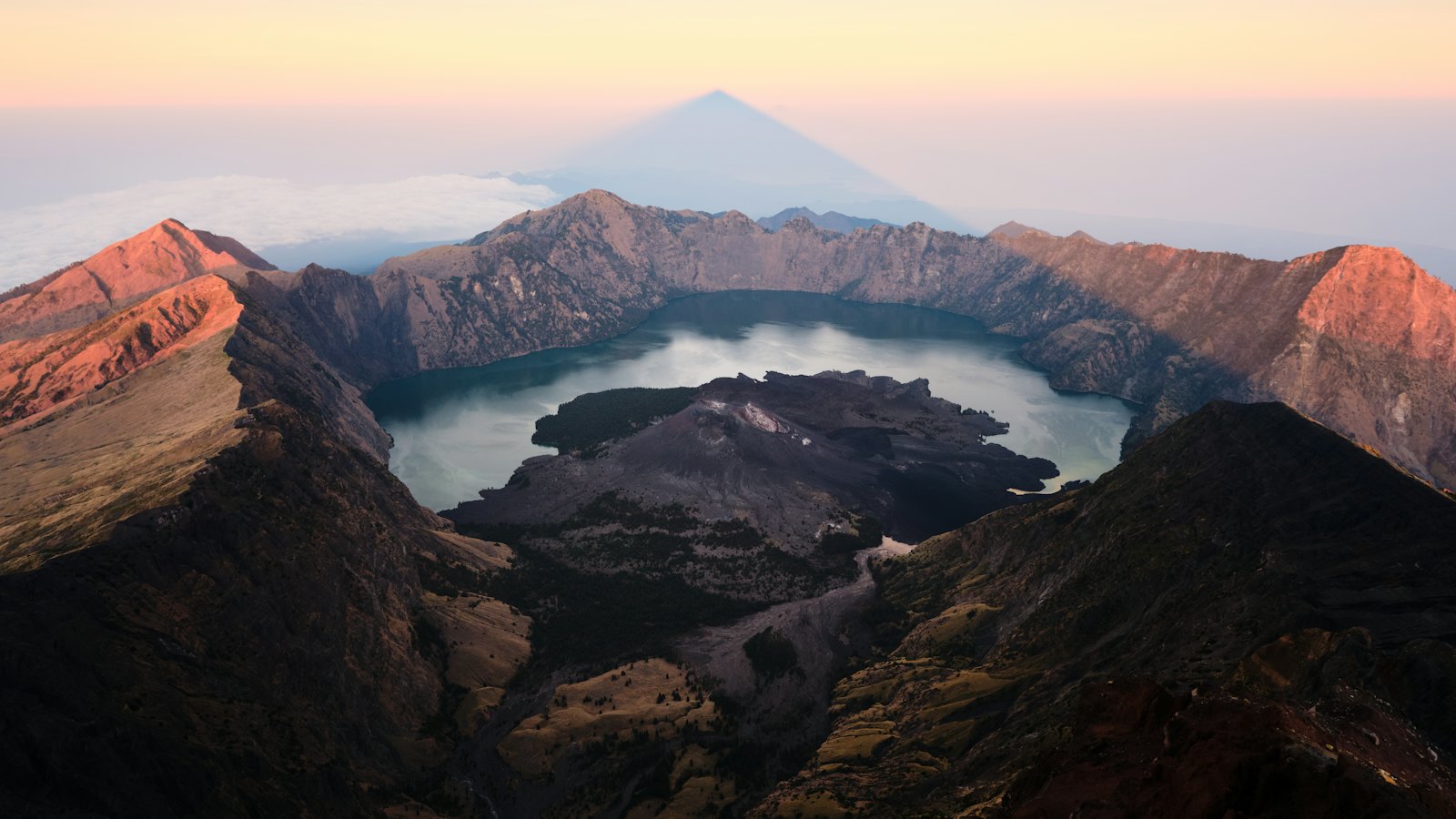
Mount Rinjani draws many Malaysian hiking groups to Lombok. At 3,726 metres it is Indonesia's second-highest volcano, and the classic routes reach a rim overlooking Segara Anak, a blue crater lake about 2,000 metres up. Senaru in the north and Sembalun in the east are the main trailheads, with Torean and Timbanuh as other gateways.
Treat it as an expedition, not a day hike. The summit push is steep, loose and cold, and there have been fatal falls, including a Malaysian climber on the Torean route in May 2025. Use a licensed operator with a certified guide and porters, and train on hills at home first.
Permits go through the national park's official eRinjani app. On 1 September 2026 the park announced only a limited opening, alongside a dry-season fire prevention drive, and on 23 September it temporarily closed the Torean route after a forest fire broke out on the mountain. Routes can also close for weather or volcanic activity, so check the park's announcements just before flying and keep your plans flexible.
Before you go
- Best time to go
- Lombok is at its best in the dry season, roughly April to September, when sunshine is reliable for beaches and trekking. Rain returns from about November to March, with heavy showers and lower room rates. The strait crossing from Bali can turn choppy in July and August and again in January and February. The Bau Nyale sea-worm festival takes over Seger beach near Kuta in February or March (it fell on 7 and 8 February in 2026), and the Indonesian MotoGP at Mandalika is scheduled for 11 October 2026, when south-coast rooms fill and prices climb. December is busy with Malaysian families too: the school break covers 5 to 31 December 2026 in most states and starts a day earlier in Kedah, Kelantan and Terengganu.
- Visa for Malaysians
- Malaysians get 30 days visa-free in Indonesia, Lombok included, as of September 2026, and that stay cannot be extended or converted into another permit. Indonesian immigration expects at least six months left on your passport and a return or onward ticket, and officers may ask for supporting documents. Every arrival must also complete the All Indonesia arrival card, required since 1 October 2025. File it on allindonesia.imigrasi.go.id or the official app up to three days before you land; it covers the immigration, customs and health declarations in one form and gives you a QR code. If you might stay longer than 30 days, buy an e-VOA on evisa.imigrasi.go.id instead: Malaysia is on the official e-VOA list, and unlike visa-free entry it can be extended once inside Indonesia. Check imigrasi.go.id for any change shortly before you travel.
- Honest budget guide
- Budget roughly RM 130 to RM 400 a day per person in Lombok, excluding flights, depending mostly on your room and how often you hire drivers and boats. Flights: our KL fare scan found nonstop one-way fares from about RM 471 at the time of writing, so a return trip could start near RM 950 on the cheapest dates, while two fares at the scan's midpoint of about RM 560 come to roughly RM 1,100. Homestays and simple guesthouses cost about RM 50 to RM 100 a night, and comfortable mid-range hotels or bungalows about RM 150 to RM 350. Food costs about RM 40 to RM 100 daily, less on a warung diet, and a shared driver, taxis and Gili boats add RM 40 to RM 120. A typical mid-range trip of four nights, two people sharing, totals about RM 2,000 to RM 3,000 each with flights. Every figure here is indicative.
Frequently asked questions
Do Malaysians need a visa for Lombok?
No. Lombok follows Indonesia's rule for Malaysians, which as of September 2026 is a visa-free stay of up to 30 days that cannot be extended. Bring a passport with six months' validity and a return or onward ticket, and file the All Indonesia arrival card on the official site up to three days before your flight lands. For longer trips, Malaysians can buy an extendable e-VOA instead. Recheck imigrasi.go.id before travelling.
Is there a direct flight from KL to Lombok?
Yes. AirAsia flies nonstop from KLIA Terminal 2, with an extra daily flight operated by Indonesia AirAsia, and Batik Air Malaysia flies daily from KLIA Terminal 1. Flying time is roughly three hours. At the time of writing our fare scan showed nonstop one-way fares from about RM 471 on AirAsia, with the midpoint near RM 560.
Is Lombok Muslim-friendly?
Very. Most of Lombok's Sasak population is Muslim, mosques are everywhere and everyday warung food is cooked by Muslims. Take care at Balinese Hindu eateries in Mataram and at tourist bars and cafés on Gili Trawangan, in Kuta and in Senggigi, which may serve pork or alcohol. Many hotels and malls have a musholla.
How many days in Lombok is enough?
Four days covers the beaches around Kuta Mandalika, a Sasak village, Mataram and a night on one of the Gili Islands. Give yourself six or seven days to add a multi-day Rinjani trek with a rest day after it, or to linger on the islands.
What is the best month to visit Lombok?
April to September is the dry season, with more sunshine for the beaches and better trekking conditions. May, June and September tend to be good picks outside the busiest holiday weeks. Unless you are going for the race, avoid the MotoGP weekend in October, when Kuta prices rise sharply.
What does a 5-day trip to Lombok cost?
Two people sharing mid-range rooms should expect roughly RM 2,000 to RM 3,000 each, nonstop flights from KL included. Homestays and warung meals bring that down, while resorts and private boat charters push it up. All figures are indicative.
Can I use Grab in Lombok?
Partly. Grab and Gojek work in Mataram, Senggigi and at the airport, but pickups in Kuta Mandalika may not be available because of the local taxi association, and the Gili Islands have no cars at all. On the south coast use a car with driver, a metered taxi or a rented scooter.
How do I get from Lombok to the Gili Islands?
Drive to Bangsal harbour in the north-west and take a public boat, which costs only a few ringgit, or book a speedboat from Teluk Nare. Buy public boat tickets at the official cooperative office rather than from touts. Gili Air is the closest island to the mainland and Gili Trawangan the farthest.
Jom pergi
Ready to go Lombok? Compare available flights and hotels for your dates. Check baggage, cancellation terms and the final total on the booking provider before paying.






