




On this page13 sections
- Overview
- Getting there from KL: non-stop flights and KLIA terminals
- Noi Bai Airport to the Old Quarter
- Where to stay in Hanoi
- Things to do in Hanoi
- What to eat in Hanoi
- Halal food and prayer spaces in Hanoi
- Getting around Hanoi: Grab, taxis and the metro
- Sample itinerary: 4 days in Hanoi
- Money, SIM and practical tips
- Day trips: Ha Long Bay, Ninh Binh and Sapa
- Before you go
- FAQ
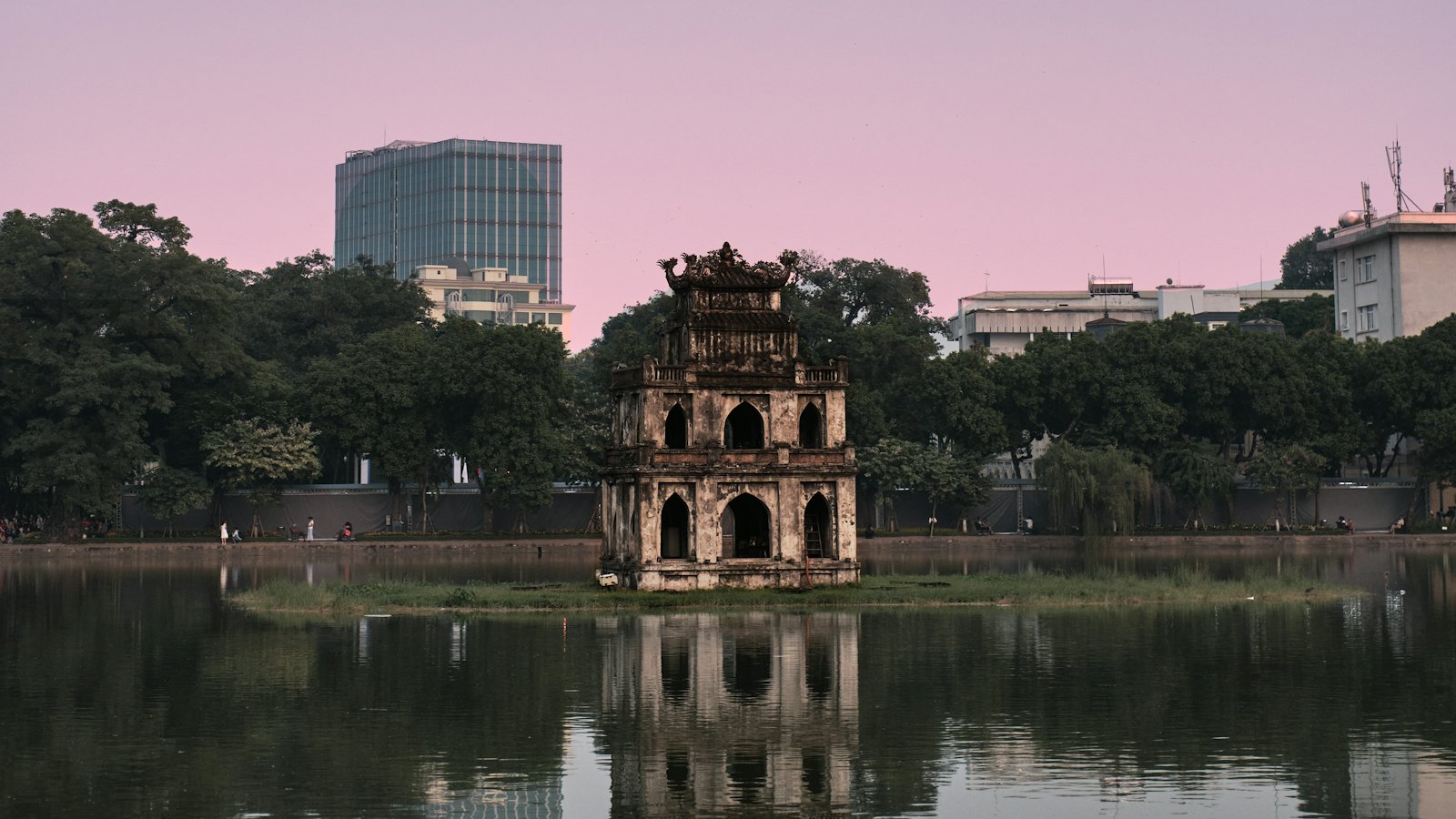
Hanoi is Vietnam's thousand-year-old capital: lakes ringed by temples, French colonial boulevards and an Old Quarter where each lane once had its own trade. For Malaysians it is close, affordable and pleasantly cool for part of the year, with non-stop flights from both KLIA terminals and no visa needed for a month. This guide covers the direct airlines and our fare scan, the ride in from Noi Bai, halal food and the city's only mosque, Grab and the metro, a four-day plan, day trips to Ha Long Bay and Ninh Binh, and costs in ringgit.
Getting there from KL: non-stop flights and KLIA terminals
In the last week of September 2026, flight-tracking data showed five airlines on the non-stop route:
- AirAsia: as many as three flights daily from KLIA Terminal 2, leaving early morning, around noon and early evening.
- Malaysia Airlines: a mid-morning Boeing 737-8 from Terminal 1.
- Vietnam Airlines: an evening flight from Terminal 1.
- Batik Air and Vietjet: late-morning or midday flights on some days of the week, both from Terminal 1.
Scheduled flight times run from about three hours 10 minutes to three hours 40 minutes, and Hanoi is one hour behind Malaysia, so the 06:05 AirAsia departure touches down around 08:25 local time at Noi Bai's international Terminal 2.
At the time of writing, Amaboxly's own KL fare scan (updated 21 September 2026) shows one-way non-stop fares from about RM 317 on AirAsia, on several dates between January and June 2027, with Batik Air non-stops also in the results and a median fare of about RM 347. The dearest, about RM 535, was for 10 March 2027, around Hari Raya Aidilfitri. One-stop routings via Phu Quoc (about RM 446) or Singapore (about RM 529) cost more, so fly direct. Budget fares usually exclude checked bags.
Noi Bai Airport to the Old Quarter
Noi Bai (HAN) lies roughly 30 km north of central Hanoi, across the Red River. Bus fares below are from the airport's public transport page, converted at about 6,350 dong per ringgit, and all prices are indicative.
- Bus 86 (express): the dedicated airport bus to Hanoi Railway Station, via Long Bien at the edge of the Old Quarter. 50,000 dong (about RM 8), every 25 to 30 minutes from 07:00 to 22:05, taking 45 minutes to an hour.
- City buses 07, 17, 90 and 109: 12,000 to 15,000 dong (about RM 2) but slow. Bus 17 ends at Long Bien.
- Hai Van shuttle: 90,000 dong (about RM 14), roughly every 45 minutes.
- Taxi: licensed airport taxis run on the meter, at posted rates of roughly 15,000 to 16,700 dong per kilometre for a standard car. The Old Quarter is about 27 to 30 km by road, so budget very roughly 400,000 to 500,000 dong (RM 63 to RM 79). Use the official rank and ignore touts in arrivals.
- Grab: the fare is fixed in the app before you book, often from around 300,000 dong (about RM 47), usually a little below the meter. Allow 30 to 45 minutes outside rush hour.
Families with big suitcases, or anyone landing after 22:00, will find a Grab car or hotel pickup simplest.
Where to stay in Hanoi
Most first-timers base themselves near Hoan Kiem Lake, but each district feels different.
- Old Quarter: dense trade streets north of the lake, full of street food, narrow shophouse hotels and cheap rooms. Noisy until late, but walkable to most sights and to the Al-Noor Mosque. Lakeside streets close to cars on weekends, so taxis may stop short of your door.
- French Quarter: the tree-lined grid around the Opera House, south and east of the lake, with calmer nights and more upscale hotels. Good for couples and older parents.
- Ba Dinh: the leafy government district by the Ho Chi Minh Mausoleum, Temple of Literature and Imperial Citadel, close to Cat Linh metro station.
- Tay Ho (West Lake): the expat neighbourhood, with lakeside cafes, serviced apartments and at least one Indian restaurant that has advertised halal meat. Better for longer stays, since you will need Grab to reach the Old Quarter.
On a first trip of three or four days, the Old Quarter or French Quarter saves the most time.
Things to do in Hanoi
Most sights sit in two clusters: around Hoan Kiem Lake and in Ba Dinh.
- Hoan Kiem Lake and Ngoc Son Temple: a free lakeside park and a small island temple with a modest entry fee, reached by a footbridge. At weekends the lakeside roads close to traffic and fill with strolling families.
- Temple of Literature: founded in 1070 and later home to Vietnam's first university. Small entry fee.
- Ho Chi Minh Mausoleum and One Pillar Pagoda: free, with a strict dress code (knees and shoulders covered) and silence inside. Go early and check opening days first.
- Imperial Citadel of Thang Long: the UNESCO-listed heart of the old royal city.
- Hoa Lo Prison: a French-built jail turned museum, with a small entry fee.
- Water puppets: the Thang Long theatre by the lake stages folk legends on water.
- Tran Quoc Pagoda: Hanoi's oldest Buddhist temple, on West Lake, lovely at sunset.
- Vietnam Museum of Ethnology: full-size village houses outdoors, good with kids.
- Train Street: police restrict the northern stretch, and trains pass only a few times a day. Follow cafe staff and keep off the tracks.
What to eat in Hanoi
Hanoi cooks several dishes its own way. Plenty of them are pork-based or otherwise not halal, which the next section deals with.
- Pho: Hanoi's signature soup, as pho bo (beef), pho ga (chicken) or pho chay (tofu). In the north it comes with just fried dough sticks and chilli on the side, not the southern herb plate, and a street bowl is one of the cheapest good meals in town.
- Bun cha: grilled pork patties with rice noodles, herbs and a dipping sauce. Pork.
- Cha ca: Hanoi-style fish marinated in turmeric and cooked with dill at your table.
- Egg coffee (ca phe trung): strong coffee under a foam of yolk whipped with sugar and condensed milk. Kopi lovers tend to order a second.
The best eating is on low plastic stools along Old Quarter pavements. Choose stalls with a steady local crowd, ask the price first ("bao nhieu?" means how much), and count your change. Dog and snake meat appear on a few northern menus, so read before you order.
Halal food and prayer spaces in Hanoi
Hanoi's Muslim community is small and certified halal restaurants are few, so look them up before you fly rather than hoping to stumble on one. One Indian restaurant in Tay Ho has been listed as serving only halal meat, but menus and owners change, so confirm before you go.
Many places that look halal are Muslim-owned without a certificate, so ask about the meat supplier and alcohol. Treat "no pork" signs with caution. Street pho is not halal: the beef and chicken are not slaughtered to halal rules, and you cannot check what goes into the stock. Seafood, fruit, egg coffee and Buddhist vegetarian restaurants (signs saying "chay") are handy fallbacks.
- Al-Noor Mosque: 12 Hang Luoc, Old Quarter, the only mosque in Hanoi and northern Vietnam. Indian traders from Bombay built it between 1885 and 1890, and it fits about 200 to 300 people, so come early on Fridays.
- Airport: we could not confirm a prayer room at Noi Bai's Terminal 2, so pray at the KLIA surau before boarding and pack a travel mat.
- Apps: Muslim Pro handles prayer times and qibla direction. On Google Maps, type "halal" and read the newest reviews and any certificate photos before you go.
On Ha Long or Ninh Binh tours, request halal or seafood meals when booking, not on the day.
Getting around Hanoi: Grab, taxis and the metro
Central Hanoi is walkable once you master crossing the road: step out slowly and steadily and the motorbikes flow around you. Never run or step backwards.
- Grab: works in Hanoi for cars and motorbikes, with the fare fixed upfront and payment by card or cash.
- Xanh SM: VinFast electric taxis and bikes with their own app, also on the airport's licensed taxi list, so compare it with Grab on longer rides.
- Metered taxis: Mai Linh (green) and Taxi Group (white) are the dependable names. Insist on the meter and keep small notes.
- Metro: Line 2A runs from Cat Linh to Yen Nghia in Ha Dong, and Line 3's elevated section joins Nhon and Cau Giay. The underground stretch to Hanoi Station is due around 2027, so neither line reaches the Old Quarter yet. Rides cost roughly 9,000 to 19,000 dong, a day pass 40,000 dong, and contactless Visa cards open the gates.
- City buses: cheap, air-conditioned and slow in traffic. The BusMap Ha Noi app shows routes.
Cyclos and street motorbike taxis are fine if you agree the full price in writing first.
Sample itinerary: 4 days in Hanoi
This plan assumes the early AirAsia flight and one long day out of town.
- Day 1: Land, take Bus 86 or a Grab to the Old Quarter and drop your bags. Lunch at a halal restaurant you have checked in advance, then circle Hoan Kiem Lake to Ngoc Son Temple. Evening water puppet show, then egg coffee.
- Day 2: Early start in Ba Dinh at the Mausoleum and One Pillar Pagoda, then the Temple of Literature and the Imperial Citadel. Grab a car to West Lake for sunset at Tran Quoc Pagoda.
- Day 3: Ninh Binh day trip: a rowing boat through limestone caves at Trang An or Tam Coc and a stop at Hoa Lu. Confirm a halal or seafood lunch with the operator, or pack food.
- Day 4: Hoa Lo Prison or the Museum of Ethnology, a last wander along the trade streets, then allow at least an hour to reach Noi Bai.
With a fifth day, swap Ninh Binh for an overnight Ha Long Bay cruise.
Money, SIM and practical tips
- Currency: Vietnamese dong. In late September 2026 one ringgit bought about 6,350 dong, so 100,000 dong is close to RM 16. Prices are often written as "50k".
- Cash: street food, markets and small shops want dong. ATMs are everywhere but many charge a fee. Change money at a bank or licensed counter, never with people on the street, where fake notes are a risk.
- Cards: hotels, malls and chain cafes take Visa and Mastercard. If asked, choose to pay in dong rather than ringgit. The metro gates accept contactless Visa.
- DuitNow QR: no use here. PayNet's overseas QR network does not include Vietnam.
- SIM and eSIM: Viettel, Vinaphone and MobiFone sell tourist SIMs, with a markup at airport counters. An eSIM bought before departure is simplest.
- Plugs: 220 V sockets take two-pin plugs (Types A and C), so bring an adapter for Malaysian three-pin chargers.
- Tipping: not generally expected, though places used to foreign tourists appreciate it.
- Scams: airport touts, cyclo riders who raise the fare at the end, and drivers who unload only some of your bags. Watch your luggage.
- Air: winter smog can be heavy, so check the air index and pack masks.
- Help: the Embassy of Malaysia is at 43-45 Dien Bien Phu Street.
Day trips: Ha Long Bay, Ninh Binh and Sapa
Hanoi is also the springboard for the north's scenery.
- Ha Long Bay: the classic side trip, a UNESCO seascape of limestone islands. Day tours spend a long stretch on the road at each end, so an overnight cruise is more relaxed. Boat standards vary widely, so read recent reviews and order halal or seafood meals when booking.
- Ninh Binh: karst cliffs and rice fields about two hours south by bus. Boats glide through caves at Trang An and Tam Coc, and Hoa Lu was the capital in the 10th century. The easiest day trip for families.
- Sapa: terraced valleys and trekking villages about 320 km north-west. Direct buses take around five and a half hours on the new highway, or ride the overnight train to Lao Cai. Allow two nights, and pack proper warm clothes in the cooler months.
Book through your hotel or a well-reviewed operator rather than street agents, and check what the price includes.
Before you go
- Best time to go
- Hanoi is at its most comfortable from October to early December, when humidity falls, rain eases and warm days give way to cool evenings. March and April are also pleasant, with spring flowers and light drizzle. From May to September it is hot, sticky and stormy, with August usually the wettest month. December to February feels cold to Malaysians (January averages about 14 degrees at night and 20 by day), which many love, but winter also brings the worst smog. Tet, the Lunar New Year, lands on 6 February in 2027, when many shops shut for days and transport fills up, and Vietnamese holidays on 30 April, 1 May and 2 September crowd hotels. Back home, Malaysian school holidays from early December until 31 December 2026, and Hari Raya in March 2027, drive KL fares up, so book those dates early.
- Visa for Malaysians
- No visa is required for Malaysians visiting Vietnam for 30 days or less per trip, as of September 2026. This is confirmed by Malaysia's embassy in Hanoi and by Vietnam's national tourism board, which includes Malaysia on its exemption list. Staying longer needs an e-visa from the official portal evisa.gov.vn, valid for up to 90 days on a single or multiple entry basis and costing about US$25 or US$50 (roughly RM 100 or RM 205) at the time of writing. Skip copycat agent websites that charge extra. We found no arrival card or online pre-registration listed for visa-free visitors. Make sure your passport has plenty of validity left (six months is the safe rule of thumb), and airlines may ask to see an onward or return ticket. Entry rules can change quickly, so check evisa.gov.vn or ask the Vietnamese embassy in KL shortly before you travel.
- Honest budget guide
- A day in Hanoi costs each traveller roughly RM 150 to RM 400, not counting flights, and your hotel accounts for most of that gap. Flights: at the time of writing Amaboxly's KL fare scan starts near RM 317 one-way on a non-stop, with a median of about RM 347, so a similarly priced return comes to roughly RM 650 to RM 750 before checked bags. Guesthouse rooms in the Old Quarter start around US$20 to US$30 (RM 80 to RM 120) a night, while good mid-range hotels ask US$45 to US$100 (RM 180 to RM 400). Food costs RM 40 to RM 100 a day, as halal restaurants cost more than street stalls, and Grab and buses add RM 15 to RM 40 daily. A typical four-day, three-night trip in a shared mid-range room, including flights and one day tour, totals about RM 1,300 to RM 2,300 per person. All figures are indicative.
Frequently asked questions
Do Malaysians need a visa for Hanoi?
No. Malaysian passport holders get up to 30 days in Vietnam per visit without a visa or fee, as of September 2026. Longer trips need an e-visa from evisa.gov.vn, which covers up to 90 days. Check that official site before flying, since rules can change.
Is there a direct flight from KL to Hanoi?
Yes. From KLIA Terminal 2, AirAsia runs up to three non-stop flights a day, and Malaysia Airlines, Vietnam Airlines, Batik Air and Vietjet fly from Terminal 1, the last two on some days only. Expect a little over three hours in the air. At the time of writing, the cheapest one-way fare in our KL fare scan was about RM 317.
Is Hanoi Muslim-friendly?
Welcoming, but not geared to Muslim visitors. There is one mosque, Al-Noor on Hang Luoc in the Old Quarter, and only a small number of halal or Muslim-run restaurants, so look them up before you go. Most street food is not halal and we could not confirm an airport prayer room, so plan meals ahead.
Can I use Grab in Hanoi?
Yes. Grab covers Hanoi for cars and motorbikes, showing the fare before you book and taking card or cash. A car from Noi Bai to the Old Quarter often starts around 300,000 dong (about RM 47), usually a little below a metered taxi. Install Xanh SM too and compare prices.
How many days in Hanoi is enough?
Three full days cover the Old Quarter, Hoan Kiem Lake, the Temple of Literature, the Mausoleum area and West Lake at an easy pace. Add a day for Ninh Binh, or two for an overnight Ha Long Bay cruise. With more time, Sapa rewards a couple of extra nights.
What is the best month to visit Hanoi?
October and November are the safest picks, with drier air, comfortable days and cool evenings, and March and April come next. Summer is wet, with August usually the wettest month. December and January suit anyone chasing cold weather, but check air quality and avoid the Tet closures in early February.
What does a 5-day Hanoi trip cost?
Excluding flights, budget roughly RM 750 to RM 2,000 per person for five days, based on RM 150 to RM 400 a day depending on your hotel. Add about RM 650 to RM 750 for return flights at current scan prices, plus tours such as a Ha Long cruise. These figures are indicative.
How do I get from Noi Bai Airport to the Old Quarter?
Bus 86, the airport express from Terminal 2, runs to Hanoi Railway Station via Long Bien for about 50,000 dong (RM 8), taking 45 minutes to an hour. A Grab car or metered taxi takes 30 to 45 minutes, very roughly 300,000 to 500,000 dong depending on which you choose. Use the app or the official taxi rank, never touts.
Jom pergi
Ready to go Hanoi? Compare available flights and hotels for your dates. Check baggage, cancellation terms and the final total on the booking provider before paying.






