




On this page11 sections
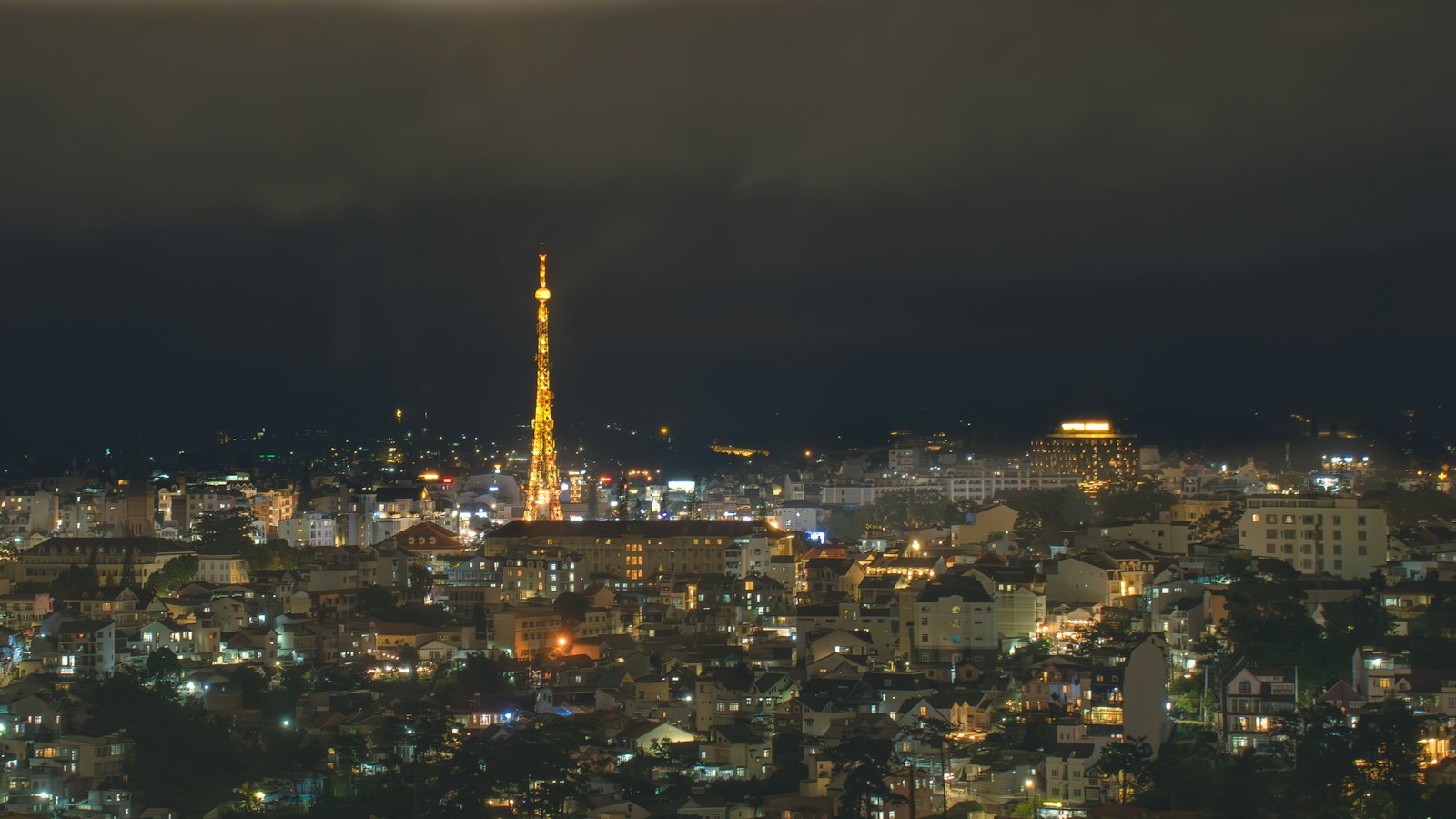
Da Lat offers a striking change from the warm, humid cities familiar to many Southeast Asian travellers. Sitting roughly 1,500 metres above sea level, this former hill station has pine woods, flower farms, misty mornings and pleasantly cool nights. Direct services from KLIA make the city practical for a short Malaysian getaway, especially for couples, families and friends who enjoy cafes, gardens and outdoor views. Here you will find guidance on airport transfers, suitable neighbourhoods, halal limitations, local transport, a flexible itinerary and realistic costs in ringgit. Bring useful layers, save room for local coffee and allow time to appreciate the city's gentle pace.
Flying from KLIA to Da Lat
As of September 2026, AirAsia provides nonstop service between Kuala Lumpur International Airport and Da Lat. Departures use KLIA Terminal 2, so check your booking carefully and avoid going to Terminal 1 by mistake. Flying time is roughly two hours, though storms, fog and air traffic may alter the journey. Service frequency can also change between travel seasons, making it wise to confirm operating dates before reserving a non-refundable room.
No confirmed one way fares are available for this route yet. For planning purposes, a budget-carrier seat in one direction often costs about RM 180 to RM 450 before optional charges. Checked luggage, meals, chosen seats and payment fees increase the final amount. Prices commonly rise during school breaks, weekends and major celebrations. With ordinary extras included, a return booking may reach approximately RM 450 to RM 1,000 for each traveller.
Reach Terminal 2 early when you have luggage to check. Although the highland climate may tempt you to overpack, several light layers usually work better than bulky clothing. Put one warm layer in your hand luggage for the cooler evening after arrival.
Reaching the centre from Lien Khuong Airport
Lien Khuong International Airport lies approximately 30 kilometres south of downtown Da Lat. Vehicles climb through agricultural land and forested slopes, with a normal journey lasting about 35 to 50 minutes. Holiday congestion, heavy rain or thick fog can extend that time. For quick estimates, treat 100,000 Vietnamese dong as approximately RM 17, while remembering that currency values fluctuate.
- Shuttle bus or shared van: Services timed around incoming flights generally charge 50,000 to 80,000 dong, about RM 8 to RM 14. The journey may take 45 to 60 minutes. Ask exactly where the vehicle terminates before paying.
- Official taxi: A ride into the central district normally costs 250,000 to 350,000 dong, approximately RM 42 to RM 58. Use the authorised counter or taxi rank and confirm whether a meter or fixed airport price applies.
- Grab: Cars can be requested through the app, although driver supply and designated collection points are not always consistent at the airport. Compare the quoted fare against the official taxi option.
- Reserved vehicle: Advance-booked transfers often range from 300,000 to 500,000 dong, about RM 50 to RM 83, depending on capacity.
For a group of three or four carrying bags, one taxi or private car is usually convenient and economical.
Choosing an area to stay
Da Lat is built over numerous slopes, meaning a hotel that appears nearby on a map can still require a demanding uphill walk. Select an area according to the surroundings, noise level and transport access you prefer, rather than choosing solely by room price.
- Da Lat Market and Hoa Binh: This central zone suits newcomers who want stalls, shops, cafes and taxis within easy reach. Evenings remain busy, and rooms closest to the market may receive considerable street noise.
- Xuan Huong Lake: Families, couples and early walkers benefit from a recognisable landmark and quick rides to central attractions. Properties offering unobstructed lake scenery tend to charge more.
- Tran Hung Dao and the French Quarter: Historic villas, shaded roads and calmer surroundings appeal to visitors wanting a peaceful base. Evening meals will often require a taxi or Grab journey.
- Tuyen Lam Lake: Resorts here provide forest views, privacy and a romantic atmosphere. The distance from downtown makes spontaneous shopping or late market visits less convenient.
Simple rooms are commonly priced from RM 60 to RM 120 nightly. A comfortable mid-range property generally charges RM 140 to RM 300, with higher prices likely on holidays and popular weekends.
Highland sights and outdoor activities
A rewarding Da Lat visit combines landmarks within town with excursions into the surrounding highlands. Rural attractions are spread across different directions, so arrange each day geographically or book a driver to reduce repeated travel.
- Xuan Huong Lake: Enjoy a morning shoreline walk before traffic builds and the temperature rises.
- Da Lat Market: Browse flowers, fruit, coffee, snacks and clothing by day, then revisit after sunset for the lively street scene.
- Da Lat Flower Garden: View formal displays representing the city's established horticultural industry.
- Crazy House: Wander through imaginative structures, twisting passages, sculpted rooms and narrow staircases.
- Da Lat Railway Station: Appreciate the colourful historic architecture and preserved railway atmosphere.
- Truc Lam Zen Monastery: Explore a tranquil hilltop religious complex near Tuyen Lam Lake, surrounded by wooded scenery.
- Datanla Waterfall: Pair the natural setting with optional commercial adventure activities after checking operating and weather conditions.
- Langbiang Mountain: Seek wide highland panoramas while wearing footwear suitable for rough or exposed surfaces.
- Coffee farms: Discover how local coffee is cultivated and processed, confirming the itinerary and charges before joining a tour.
Wet ground can become slick, and later mist sometimes hides distant scenery. Begin countryside outings in the morning for better flexibility.
Food and coffee to try
The highland climate complements Da Lat's warming broths, grilled street snacks, fresh produce and robust coffee. Streets surrounding the central market provide the greatest concentration of choices, while small neighbourhood restaurants can offer lower prices away from heavily visited blocks.
Banh can consists of small rice cakes prepared in circular moulds, often accompanied by egg, seafood or minced meat. Banh trang nuong is thin rice paper grilled until crisp and covered with combinations such as egg, spring onion and sauce. It is sometimes described by Malaysians as Vietnamese pizza, despite having a much lighter base. On chilly evenings, many residents drink warm soy milk with baked snacks. Farms around Da Lat produce strawberries, artichokes, avocados, persimmons and assorted vegetables, with availability and quality changing across seasons.
For something substantial, consider lau ga la e, a chicken hotpot flavoured with e leaves. These leaves give the soup an aromatic, peppery character. Anyone with dietary requirements should ask about every meat, broth and seasoning. Coffee choices include locally cultivated arabica, traditional drip preparations and rich egg coffee. Ask for prices before buying beans marketed as scarce, unusual or exceptionally premium.
Halal meals and places to pray
Muslim facilities remain limited in Da Lat, and restaurants with dependable halal certification are uncommon. Vegetarian cooking, seafood dishes and notices stating "no pork" do not prove halal suitability. A kitchen might use lard, alcohol, meat stock or equipment shared with non-halal ingredients. Review recent entries on Google Maps, HalalTrip or Zabihah, then contact the restaurant to ask about certification, ownership and preparation methods.
Indian, Middle Eastern and vegetarian establishments operate around central Da Lat, but their status may change. Reconfirm directly on the day you intend to eat. A room with basic cooking equipment provides a useful alternative. Markets and supermarkets sell bread, eggs, produce, packaged foods and instant meals. Inspect ingredient labels and carry familiar snacks when visiting remote attractions.
Da Lat does not have a prominent central mosque or a reliable system of public prayer rooms. Request a private, clean area from your accommodation, bring a small prayer mat and determine the direction with a qibla application. A dedicated surau should not be expected at Lien Khuong Airport. Travellers requiring strict assurance may feel more comfortable using sealed meals or self-catering.
Getting around, money and practical tips
Da Lat has neither a metro system nor an urban railway for daily travel, and visitors do not need a city transport card. Public buses cost little, but their schedules and routes may be awkward for a brief holiday. A practical combination is walking, app-based rides, metered taxis and a chauffeured car for distant countryside stops.
As of September 2026, Grab serves Da Lat. A typical short car journey within the centre costs about 30,000 to 70,000 dong, approximately RM 5 to RM 12, depending on distance and demand. GrabBike can save money for one person, but always wear the provided helmet and avoid travelling during dense fog or heavy rainfall. Taxis wait near major attractions, Xuan Huong Lake and the market. Ensure the meter activates and monitor the journey on your phone.
Scooters usually rent for 120,000 to 200,000 dong daily, around RM 20 to RM 33, excluding petrol. Rent one only when your driving licence and insurance explicitly cover motorcycle use in Vietnam. Sharp slopes, rain-slicked roads and unfamiliar traffic create serious risks for inexperienced riders. A vehicle with a driver is normally the safer, more efficient choice for mountain viewpoints, farms and waterfalls.
A flexible Da Lat itinerary
- Day 1: Travel into central Da Lat, check in and recover from the flight. Take an easy walk beside Xuan Huong Lake and visit the Flower Garden if daylight remains. Continue to Da Lat Market, then have coffee or warm soy milk after carefully confirming your dinner arrangements.
- Day 2: Leave early for attractions south of the centre. Begin at Truc Lam Zen Monastery, enjoy the surroundings of Tuyen Lam Lake and continue towards Datanla Waterfall. Return before nightfall and browse the market streets after a rest. Families and groups with older relatives may prefer a hired car.
- Day 3: Explore Da Lat Railway Station and Crazy House during the morning. After lunch, select Langbiang Mountain, a flower-growing district or a coffee plantation according to visibility and rain. Store a warm jacket in the vehicle because higher locations can cool suddenly.
- Day 4: When flight timing provides an extra day, linger over breakfast at a cafe, purchase sealed coffee or dried fruit and begin the airport transfer with a generous time allowance.
Most newcomers can experience the principal sights in three complete days without rushing from place to place.
Before you go
- Best time to go
- November through March usually provides Da Lat's most comfortable combination of cool temperatures and lower rainfall. Walking is pleasant during the day, although December and January evenings may feel cold enough for a jacket. April and May become warmer as showers grow more frequent. From roughly May through October, heavier rainfall fills the waterfalls but can also bring mist, slippery tracks and disrupted excursions. Floral displays change throughout the calendar, and important holidays attract larger numbers of domestic travellers. Tet, Malaysian school breaks and year-end dates can make rooms and flights more expensive, so early reservations are sensible. Highland conditions can shift rapidly regardless of season. Pack a lightweight waterproof layer and review the forecast each morning.
- Visa for Malaysians
- Malaysians holding ordinary passports may enter Vietnam visa-free for a visit lasting no longer than 30 days, as of September 2026. For a longer visit, travellers can apply through evisa.gov.vn for an electronic visa valid for as many as 90 days on a single or multiple entry basis. The stated charge is US$25 for single entry or US$50 for multiple entries. Foreign passengers landing at a Vietnamese airport must complete an arrival declaration. It may be submitted at prearrival.immigration.gov.vn when arrival is today or falls within the following two days, or completed using a QR code or paper form after landing. Save the generated QR code for inspection. Your passport should retain six months of validity, and you should carry evidence of onward or return travel. Recheck official Vietnamese immigration information and Malaysian embassy advice before departure because entry procedures may change.
- Honest budget guide
- Allow approximately RM 160 to RM 350 for each person on a typical day in Da Lat, without counting flights from Malaysia. No confirmed return fare figures are available for this route yet, so use RM 450 to RM 1,000 as a planning range for a direct return journey from Kuala Lumpur with common extras. Peak dates may cost more. Basic rooms are often RM 60 to RM 120 per night, while comfortable mid-range choices generally fall between RM 140 and RM 300. Daily meals may require RM 40 to RM 100 per person, with local travel adding about RM 20 to RM 70 unless you reserve a countryside vehicle. For three nights, an overall estimate of RM 1,100 to RM 2,300 per traveller is reasonable. Flight timing, activities, room sharing and accommodation standards will determine the actual total.
Frequently asked questions
Do Malaysians need a visa for Da Lat?
Malaysian passport holders receive visa-free entry to Vietnam for visits not exceeding 30 days, as of September 2026. A longer journey requires an electronic visa application through evisa.gov.vn. Passengers arriving by air must also complete Vietnam's required arrival declaration shortly before travel or use an available QR code or paper form after landing. Verify the latest official conditions before leaving Malaysia.
Is there a direct flight from Kuala Lumpur to Da Lat?
AirAsia operates a nonstop route from KLIA Terminal 2 to Da Lat as of September 2026. The flight takes roughly two hours. Flight days and frequency may vary seasonally, so confirm service for your dates before booking a hotel. No confirmed fare figures are available for this route yet.
How many days are enough for Da Lat?
Most first-time visitors will find three full days sufficient. Spend one exploring the lake, market and urban landmarks, another around Tuyen Lam Lake and Datanla Waterfall, and the third visiting Langbiang, a plantation or several cafes. Consider four days when travelling with young children, preferring relaxed mornings or planning additional countryside stops.
Is Da Lat Muslim-friendly?
A Muslim traveller can visit Da Lat with advance preparation, but verified halal dining and established prayer facilities remain scarce. Contact restaurants directly and never assume that seafood, vegetarian or pork-free food meets halal requirements. Bring suitable snacks for rural excursions, carry a compact prayer mat and consider booking a room where simple meals can be prepared.
What is the best month to visit Da Lat?
December, January and February commonly bring cool weather, relatively little rain and agreeable daytime conditions. Malaysians may find the nights distinctly cold, making a warm jacket worthwhile. November and March are also attractive choices. Wetter periods offer lush landscapes and fuller waterfalls, but plans should remain flexible because fog, showers and slippery paths may affect outdoor activities.
How much money should I budget for four days in Da Lat?
Plan on approximately RM 1,100 to RM 2,300 per person for four days and three nights. This estimate covers an indicative return airfare, shared lodging, food, transport and several paid sights. Careful travellers may spend less, while resorts, private vehicles and flights during busy dates can raise costs considerably. Keep some Vietnamese dong available for vendors that do not take cards.
Can I use Grab in Da Lat?
Grab is available in Da Lat and works well for journeys around the market, Xuan Huong Lake and nearby attractions. Central car rides frequently cost about RM 5 to RM 12. Driver availability at Lien Khuong Airport is less predictable, so compare the application price with official taxis. A chauffeured car is generally more practical for farms, waterfalls and remote viewpoints.
What clothes should Malaysians pack for Da Lat?
Choose adaptable layers, including T-shirts, long trousers, a sweater or fleece and a lightweight waterproof jacket. Shoes should have reliable grip for wet paths and sloping streets. Mornings and nights can feel chilly, even after a mild afternoon, while mist or rain may arrive suddenly. Add a warmer garment for Langbiang or a visit between December and February.
Jom pergi
Ready to go Da Lat? Compare available flights and hotels for your dates. Check baggage, cancellation terms and the final total on the booking provider before paying.






