




On this page12 sections
Hue rewards travellers who prefer history, atmosphere and regional food over big-city speed. Once the seat of Vietnam's Nguyen emperors, this central Vietnamese city is shaped by the Perfume River, a vast walled citadel, elaborate royal tombs and pagodas surrounded by greenery. For Malaysians, Hue works well as a three or four-day cultural break, although reaching it from KLIA normally requires a connection. This guide covers sensible flight routes, airport transfers, neighbourhoods, halal considerations, local transport and a practical budget in ringgit. It also explains local dishes carefully because pork, lard, fish sauce and meat stock appear frequently in Hue cooking.
Getting there from Kuala Lumpur
There is no direct flight listed from Kuala Lumpur International Airport to Hue as of September 2026, so plan for at least one stop. Straightforward itineraries usually connect through Ho Chi Minh City or Hanoi before continuing to Phu Bai International Airport, whose code is HUI. Another practical option is to fly to Da Nang and travel overland to Hue. The road journey from Da Nang to central Hue generally takes two to three hours, depending on traffic and the chosen route.
A connecting trip to HUI commonly takes six to ten hours. Separate tickets may cost less, but allow a generous buffer because the second airline is not required to rebook you if the first flight is delayed. Check whether your baggage will be transferred and whether a terminal change is necessary.
Flights can leave from KLIA Terminal 1 or Terminal 2, depending on the carrier. Confirm the terminal before departure. No confirmed fare data is available for this route at the time of writing, so use roughly RM 450 to RM 1,000 one-way as a rough indicative planning range and check live prices when booking.
Phu Bai Airport to central Hue
Phu Bai International Airport is roughly 15 kilometres southeast of central Hue. Driving into the city usually takes 25 to 40 minutes, although traffic and the location of your accommodation affect the journey. For quick conversion, 100,000 Vietnamese dong is approximately RM 16 to RM 17, but exchange rates change.
- Airport shuttle or shared van: When available, expect to pay about 50,000 to 80,000 dong, or RM 8 to RM 13, per person. The drop-off point may not be beside your hotel.
- Taxi: An airport taxi commonly costs 200,000 to 300,000 dong, or RM 33 to RM 50, to the centre. Use the official queue and confirm whether airport charges are included.
- Grab: Grab operates in Hue, but airport availability varies. Compare its quoted price with the taxi counter and follow the meeting instructions shown in the app.
- Private transfer: Pre-booking is convenient for families, late arrivals and groups carrying several bags. Rates generally range from about 250,000 to 350,000 dong, or roughly RM 40 to RM 60.
Save your accommodation's name and address offline to reduce confusion.
Where to stay in Hue
Hue is compact, so your chosen area influences atmosphere more than basic access. Most first-time visitors stay in the modern centre south of the Perfume River or close to the Imperial City.
- South-bank city centre: This convenient area has restaurants, cafes, travel services and easy access to Grab. Some streets become noisy after dark, so light sleepers should request a quiet room.
- Walking street area: Choose this district for an active evening scene and meals within a short walk. It is lively rather than peaceful, especially on busy weekends.
- Near the Imperial City: This area offers a quieter historic setting, local neighbourhoods and early access to the citadel. Evening dining choices are more limited.
- Railway station and western riverfront: These calmer areas suit train passengers and visitors who do not mind using Grab for some meals.
A simple private room can cost around RM 55 to RM 110 per night. Comfortable mid-range accommodation usually falls between RM 130 and RM 280. Prices may rise during Vietnamese holidays, festival periods and other high-demand dates.
Things to do in Hue
Hue's main attractions cover several historical periods and extend from the city into the surrounding countryside. Give each site enough time instead of attempting every royal tomb in a single hurried day.
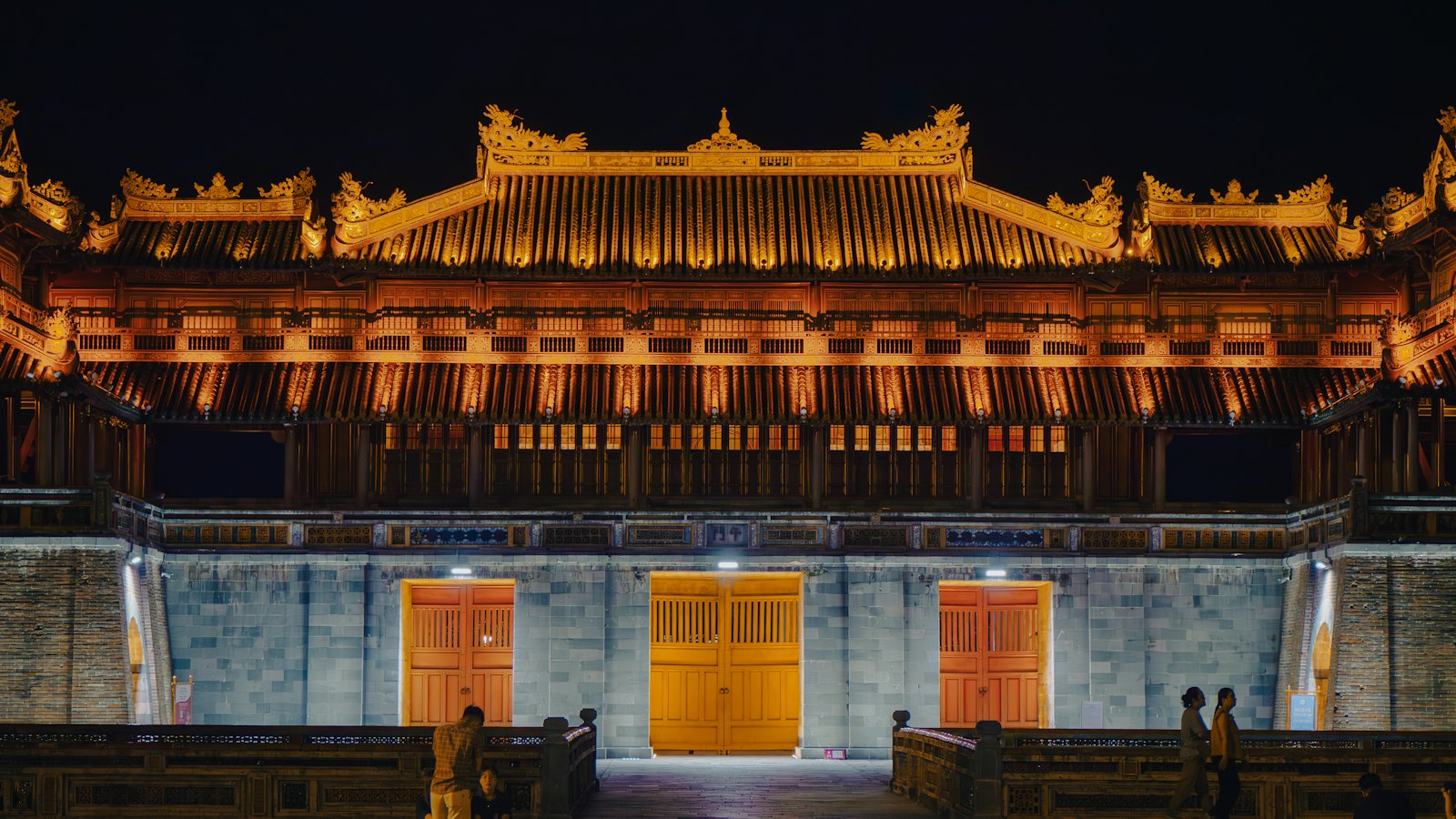
- Imperial City: Explore the fortified former royal compound, including monumental gates, courtyards, temples and restored palace buildings. Allow at least half a day.
- Khai Dinh Tomb: Visit a compact hillside complex celebrated for its richly decorated interior and combination of Vietnamese and European influences.
- Minh Mang Tomb: Walk through formal gardens, lakes, courtyards and buildings arranged along a balanced ceremonial axis.
- Tu Duc Tomb: Discover a wooded royal retreat containing pavilions and water features, with a more residential feeling than some other tombs.
- Thien Mu Pagoda: Visit Hue's landmark riverside pagoda, dress modestly and keep your voice low.
- Perfume River: Walk beside the water or arrange a boat ride after confirming the route and complete price.
- Dong Ba Market: Browse produce, household goods, snacks and local specialities while keeping valuables secure.
- Thuy Xuan incense village: View colourful incense displays while respecting the working shops.
- Thanh Toan Bridge: Combine this historic covered bridge with a relaxed countryside excursion.
What to eat in Hue
Hue is known for small, carefully presented dishes shaped by royal cuisine and everyday street cooking. Many traditional recipes contain pork, lard, shrimp paste or meat stock, so Muslim travellers should check every component instead of relying on appearance.
Bun bo Hue is the city's signature noodle soup and normally combines beef with pork elements in a spicy lemongrass broth. Banh khoai is a crisp savoury pancake commonly filled with shrimp and pork. Banh beo consists of small steamed rice cakes with savoury toppings. Banh nam and banh loc are soft rice or tapioca parcels that also often contain shrimp and pork. Com hen combines rice, tiny clams, herbs and crunchy toppings, although its sauces and stock need checking. Che Hue describes numerous sweet soups and puddings made with ingredients such as beans, lotus seeds, corn or fruit.
Dong Ba Market brings many local foods together, while residential streets around the citadel offer a quieter local eating rhythm. South-bank restaurants generally have clearer menus and more vegetarian choices. For meat-free meals, request no cooking wine and ask whether stock, utensils and frying oil are shared with meat.
Halal food and prayer spaces
Hue has limited halal infrastructure, so Muslim visitors need to plan meals more carefully than they would in Ho Chi Minh City or Hanoi. An Indian, seafood or vegetarian restaurant should not automatically be treated as halal-certified. Claims such as "no pork" or "no lard" do not answer questions about alcohol, meat sourcing, stock, sauces or shared cooking equipment.
Check current listings on Google Maps, HalalTrip or Zabihah, then contact the restaurant directly before crossing town. Recent comments from Muslim customers are more useful than an old halal label. Carry instant meals or snacks for late arrivals and consider accommodation with a kitchenette. Fruit, plain rice, sealed groceries and clearly understood vegetarian food can serve as backups, but still ask about broth, lard and shared oil.
Hue also lacks the extensive network of mosques and public surau familiar to Malaysians. Do not rely on finding a dedicated prayer room at the airport, attractions or shopping centres. Ask staff for a clean, quiet area, carry a compact prayer mat and use a qibla app. Travellers may also combine prayers where their religious guidance permits.
Getting around Hue
Central Hue is suitable for walking, but the royal tombs sit beyond the urban core and require transport. The city has no urban rail network or tourist transit card. Local buses operate, although their routes and stop information can be difficult for a short-term visitor to navigate.
Grab is available and is often convenient for Malaysians. Short GrabBike journeys commonly cost 15,000 to 40,000 dong, or about RM 2.50 to RM 7. Short car trips may cost 40,000 to 100,000 dong, or RM 7 to RM 17. Distance, weather and demand affect the fare. Wear the supplied helmet and avoid motorcycle rides if mixed traffic makes you uncomfortable.
Metered taxis are practical for families and rainy days. Confirm that the meter is active or agree on the full price before leaving. A private car with a driver is comfortable for a tomb circuit, with indicative half-day rates starting around RM 110 to RM 190.
Bicycles work well along the riverfront and in flatter neighbourhoods. Motorbike rental is suitable only for experienced riders with proper licensing and insurance. For river boats, settle the route, waiting time and total charge before boarding.
A four-day Hue itinerary
- Day 1: Arrive, check into accommodation on the south bank and take a gentle walk beside the Perfume River. Cross toward the older districts if daylight remains, then have dinner after checking ingredients and halal suitability.
- Day 2: Enter the Imperial City in the morning before the strongest heat. Spend several hours exploring its gates, courtyards and temples. After lunch, continue to Dong Ba Market and the riverfront. Check whether a combined heritage ticket offers value during your visit.
- Day 3: Hire a driver or use ride-hailing for a royal tomb circuit. Select two or three sites from Minh Mang, Khai Dinh and Tu Duc instead of rushing through every complex. Add Thuy Xuan incense village when it fits the route naturally.
- Day 4: Visit Thien Mu Pagoda early, then choose between a countryside trip to Thanh Toan Bridge and a relaxed morning of cafes and shopping. Travellers continuing to Da Nang can arrange a road transfer. Passengers flying from HUI should allow additional time for traffic and airport procedures.
Three days cover the primary sights, but four days provide a gentler pace and some flexibility during central Vietnam's changeable rain.
Money, connectivity and practical tips
Vietnam uses the dong, abbreviated VND. For rough mental arithmetic, RM 1 is about 6,000 dong, although the live exchange rate will vary. Vietnamese notes contain many zeroes, so examine each denomination before paying. Cash is useful at markets, small eateries and local stalls, while hotels and larger businesses commonly accept cards. Malaysian visitors should not expect DuitNow QR payments to work.
Tourist SIM cards and eSIMs are widely available for Vietnam. Compare validity, data allowances and hotspot access before purchasing. Download offline maps and save your accommodation details before leaving the airport.
Vietnam commonly uses Type A, C and F electrical sockets with a 220V supply. Carrying a universal adapter is the easiest approach. Tipping is optional, although rounding up or leaving a small amount for good service is appreciated.
Use ordinary precautions around the city. Keep phones away from passing traffic, watch for bag snatching near roads and confirm taxi, tour and boat prices beforehand. Count market change carefully. Heavy rain and flooding can affect low-lying streets during wetter months, so protect electronics and maintain flexible plans. Travel insurance should cover healthcare, delays and any intended motorbike activity.
Before you go
- Best time to go
- February to April is generally the easiest period for visiting Hue. Conditions are usually milder during these months, with less oppressive heat. May to August becomes hotter and sunnier, so begin outdoor sightseeing early and carry water. Rain increases from around September, while October and November can bring prolonged downpours, flooding and storms across central Vietnam. December and January are often cooler but remain damp. Hue's major festival programmes and Vietnamese public holidays can increase room prices and crowds at the Imperial City. Tet dates change annually and may affect transport and business hours. Malaysian school holidays can also raise regional airfares, particularly around mid-year and December. For a balance of weather and price, consider late February, March or early April, then review the forecast shortly before departure.
- Visa for Malaysians
- Malaysian passport holders do not need a visa to visit Vietnam as of September 2026 and can stay for up to 30 days. A 90 day multiple entry e-Visa is also available for travellers who want a longer or repeat stay. Every foreign arrival at a Vietnamese airport must file a pre-arrival declaration before landing, either online in advance or by QR code or paper form on arrival, and show the resulting QR code at immigration. Your passport should have at least six months of validity remaining when you enter, and immigration officials may ask for proof of onward travel and accommodation. Entry rules can change, so confirm the latest conditions with an official Vietnamese source before booking. Travellers planning a longer visit, employment or another non-tourist activity must obtain the appropriate permission. Keep digital and paper copies of your passport details, flight itinerary, hotel bookings and travel insurance. Ensure that the immigration stamp shows the correct permitted departure date before leaving the counter.
- Honest budget guide
- A comfortable mid-range Hue visit can be planned at roughly RM 220 to RM 430 per person each day, excluding international flights. A simple private room may cost RM 55 to RM 110, while a comfortable mid-range hotel is commonly RM 130 to RM 280 per night. Allow about RM 50 to RM 120 daily for meals, with halal-friendly or international restaurants potentially costing more than local stalls. Local Grab trips, taxis and occasional bicycle hire may total RM 25 to RM 70 per day. Heritage admission, river trips and a private tomb circuit will increase sightseeing costs. Carry some dong for markets and smaller businesses, but avoid keeping all your cash together. Add a contingency for rain-related transport changes, airport transfers and unexpected meal costs.
Frequently asked questions
How many days should Malaysians spend in Hue?
Three days are enough for the Imperial City, selected royal tombs, Thien Mu Pagoda and the riverfront. Four days provide a more relaxed pace, allow a countryside excursion and create useful flexibility if heavy rain interrupts outdoor plans.
Are there direct flights from Kuala Lumpur to Hue?
No direct Kuala Lumpur to Hue flight is listed as of September 2026. Most journeys connect through Ho Chi Minh City or Hanoi before reaching HUI. Flying to Da Nang and travelling two to three hours overland is another practical option.
Is Hue suitable for Muslim travellers?
Hue is rewarding for Muslim travellers who plan ahead, but its halal infrastructure is limited. Confirm restaurant ingredients and certification directly, bring backup snacks, carry a prayer mat and do not assume that attractions or Phu Bai Airport have dedicated prayer rooms.
Can I use Grab in Hue?
Yes, Grab operates in Hue and offers motorcycle and car rides. Availability can vary at the airport or during busy periods. Check the displayed fare and meeting point, and use a metered taxi or pre-booked transfer when no suitable driver is available.
Which royal tombs should I prioritise?
Khai Dinh is compact and highly decorated, Minh Mang has formal gardens and a balanced ceremonial layout, and Tu Duc feels like a wooded royal retreat. Visiting two or three gives a useful comparison without turning the day into a rushed checklist.
Is Hue easy to explore without renting a motorbike?
Yes. Walk around the centre, use Grab or taxis for shorter journeys and hire a car with a driver for the tombs. A motorbike is unnecessary and should only be considered by properly licensed, insured and experienced riders.
What local foods require extra halal checks?
Bun bo Hue, banh khoai, banh beo, banh nam, banh loc and com hen may contain pork, lard, meat stock, shrimp paste or shared sauces. Ask about every ingredient, cooking oil and utensil rather than requesting only a pork-free dish.
Does Hue experience flooding?
Yes, heavy rain can flood low-lying streets, particularly during the wetter months. October and November can bring prolonged downpours and storms. Monitor forecasts, keep plans flexible, protect electronics and allow extra travel time when conditions deteriorate.
Jom pergi
Ready to go Hue? Compare available flights and hotels for your dates. Check baggage, cancellation terms and the final total on the booking provider before paying.






