




On this page12 sections
- Overview
- Getting There: Kuala Lumpur and Johor to Batam
- Leaving Hang Nadim Airport
- Choosing an Area to Stay
- Things to Do in Batam: Attractions and Experiences
- Local Food Worth Trying
- Halal Dining and Prayer Facilities
- Transport Around the Island
- A Practical Three-Day Plan
- Currency, Connectivity and Useful Advice
- Before you go
- FAQ
Batam offers Malaysians a convenient overseas break filled with seafood, shopping, spa treatments, waterfront resorts and cultural landmarks. Direct services from KLIA place the island within a short flight, while ferries provide another route for travellers starting in Johor. Beyond Nagoya's malls, visitors can explore the Barelang Bridges, unwind in Nongsa, visit major places of worship and follow the island's history south to Galang. This guide covers transport from Malaysia, arrival options at Hang Nadim Airport, suitable neighbourhoods, local dishes, halal considerations, daily costs and a practical three-day plan. It also explains Indonesia's visa exemption and arrival-card requirements for Malaysian passport holders.
Getting There: Kuala Lumpur and Johor to Batam
As of September 2026, AirAsia and Batik Air Malaysia provide nonstop flights between Kuala Lumpur International Airport and Hang Nadim International Airport (BTH). Scheduled flying time is about one hour and 15 minutes. Allow considerably longer for airport check-in, immigration procedures and baggage retrieval. AirAsia generally operates at KLIA Terminal 2, whereas Batik Air Malaysia uses Terminal 1. Confirm the departure terminal in the airline app or reservation details on the day of travel.
Amaboxly's fare check found direct one-way tickets beginning at RM 252 with AirAsia for 24 February 2027. The median one-way price was RM 275. These figures cover basic fares, so checked luggage, food and chosen seats may add to the total. An itinerary connecting through Jakarta starts at approximately RM 583 each way and is rarely worthwhile when an appropriate nonstop service is available.
For travellers starting in southern Malaysia, ferries leave Johor Bahru for terminals including Batam Centre and Harbour Bay. This route can be practical for Johor residents. Review the current sailing timetable, terminal fees and weather notices before setting out.
Leaving Hang Nadim Airport
Hang Nadim International Airport stands on the eastern side of Batam. Batam Centre is the nearer major district, while Nagoya lies about 18 kilometres from the terminal. Roads are commonly manageable, although Friday evenings, Sundays, holiday periods and popular shopping weekends can lengthen transfer times.
- Airport or metered taxi: This is the most convenient arrangement for passengers carrying luggage. Expect 20 to 30 minutes to Batam Centre at about IDR 80,000 to IDR 120,000 (RM 21 to RM 32). Reaching Nagoya normally requires 30 to 45 minutes and about IDR 110,000 to IDR 160,000 (RM 29 to RM 42).
- Grab or Gojek: Both platforms serve Batam, but approved collection zones at the airport may be revised. Use the pickup location displayed by the app. Depending on traffic, demand and destination, a fare may fall between IDR 70,000 and IDR 140,000 (RM 18 to RM 37).
- Public bus: Local services generally charge less than IDR 15,000 (RM 4). They are less convenient with bags because waiting times vary and a second ride may be necessary.
Arrange transport through an authorised desk or mobile app instead of accepting an unsolicited, unmetered offer in arrivals.
Choosing an Area to Stay
Batam covers a wide area, so a well-positioned hotel can reduce daily travel more effectively than simply booking the cheapest room.
- Nagoya and Lubuk Baja: These adjoining commercial districts suit first-time visitors interested in malls, independent shops, massages, nightlife and casual restaurants. Cars booked through ride apps are usually readily available, although the surroundings feel urban rather than picturesque.
- Batam Centre: This convenient district contains government buildings, shopping centres and the principal ferry terminal. It works well for families, short stays and passengers arriving by sea from Johor or Singapore.
- Harbour Bay: Stay here for quick ferry access, waterfront dining and seafood near the sea. Nagoya remains within easy reach, making the district useful for a weekend combining restaurants with spa visits.
- Nongsa: Select this quieter part of the island for beaches, resorts, golf courses and relaxed time as a couple or family. Nongsa is nearer the airport but farther from Nagoya, so include resort transfers or ride-hailing in the budget.
Basic rooms are commonly RM 70 to RM 130 nightly. Comfortable mid-range choices often cost RM 150 to RM 280, while resorts and waterfront hotels command more during busy weekends.
Things to Do in Batam: Attractions and Experiences
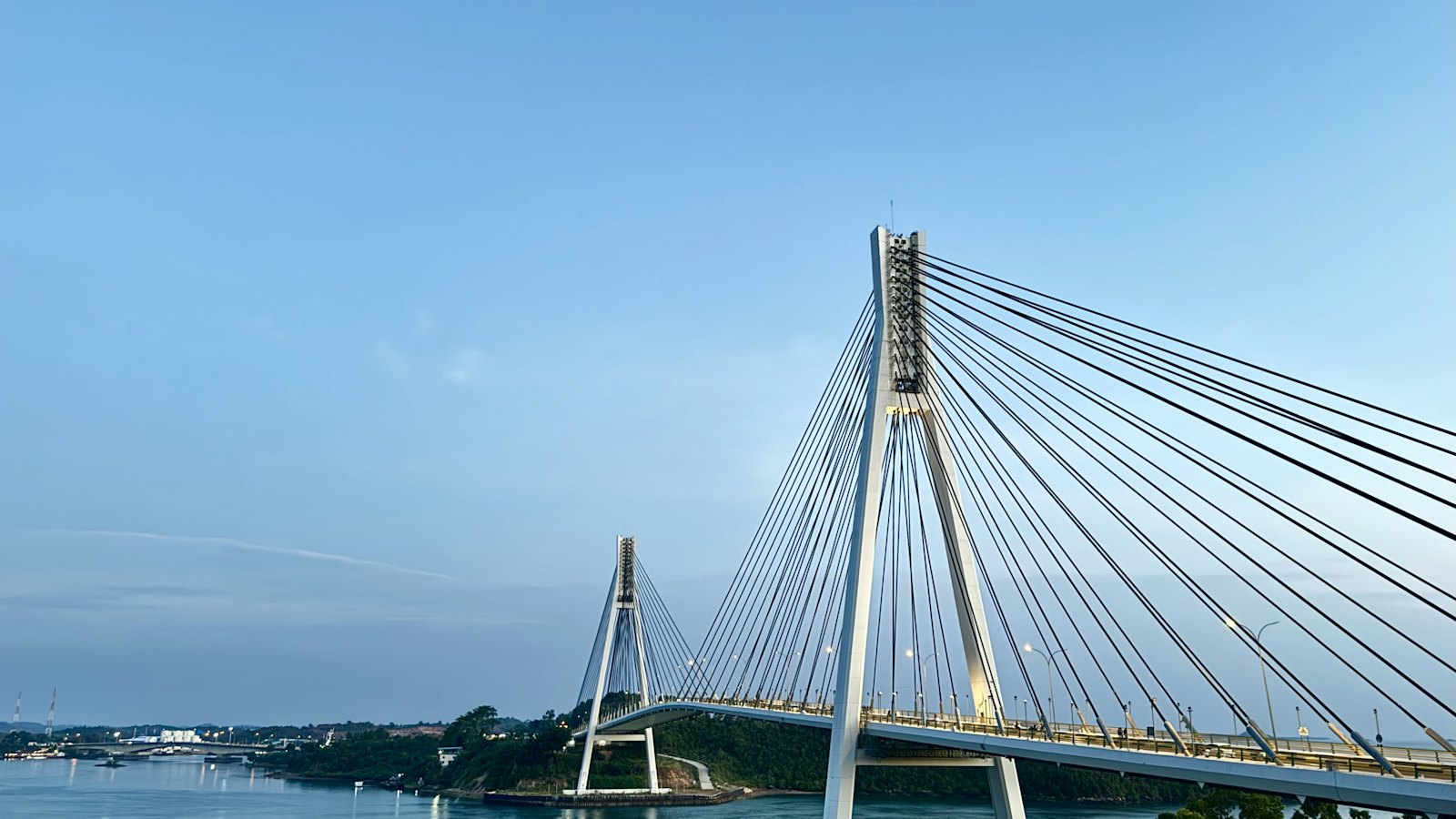
- Follow the Barelang Bridges: This chain connects Batam to islands farther south. The first bridge provides the best-known viewpoint, while travelling the wider route by hired car occupies much of a day.
- Browse Nagoya: Explore shopping centres, snack stalls, fashion stores and beauty businesses. Check Malaysian prices before buying because imported products are not always bargains.
- Enjoy Harbour Bay at dusk: Walk beside the water before choosing a nearby restaurant for a seafood meal.
- Visit Masjid Agung Batam: This prominent mosque in Batam Centre is one of the island's defining landmarks. Wear modest clothing and plan around congregational prayers.
- Enter Maha Vihara Duta Maitreya: The spacious Buddhist complex offers a peaceful change from Batam's commercial neighbourhoods. Visitors should cover their shoulders and knees.
- Reserve a massage: Affordable spa treatments remain a popular reason to visit. Agree on the service length, included treatments and payable amount beforehand.
- Unwind in Nongsa: Coastal scenery, resort amenities and golf make this Batam's principal retreat district.
- Continue to Galang and Kampung Vietnam: The former refugee settlement brings historical context to a southern drive. Its distance from central Batam makes it best paired with the Barelang route.
- Consider water activities: Certain resorts and coastal operators arrange kayaking, banana-boat rides and related recreation when marine and weather conditions permit.
Local Food Worth Trying
Batam's cooking reflects its position between Sumatra, Singapore and the Malay Peninsula. Seafood receives much of the attention. Gonggong, a sea snail associated with the Riau Islands, is commonly boiled and accompanied by a tangy sauce. Grilled fish, prawns, crab, squid and shellfish are also easy to find. When seafood is priced by weight, request both the ingredient price and preparation fee before confirming the order.
Mie tarempa is among the island's most characteristic everyday dishes. Cooks combine noodles with fish, chilli and a sweet, sour sauce, producing either a wetter or drier version. Rice dishes resembling nasi dagang or nasi lemak may come with spicy fish, although their flavour and preparation differ from Malaysian recipes. Otak-otak, fish cakes and colourful layers of kek lapis are convenient snacks or edible souvenirs.
Nagoya and Batam Centre offer the largest selection of Indonesian, Chinese-Indonesian and international establishments. Harbour Bay and other coastal locations specialise in evening seafood meals. For less expensive food, visit a warung serving nasi padang, soto, ayam penyet or fried rice. An everyday meal is about IDR 25,000 to IDR 60,000 (RM 7 to RM 16). Shared seafood may cost each diner IDR 150,000 to IDR 350,000 (RM 39 to RM 92).
Halal Dining and Prayer Facilities
As Batam has a Muslim-majority population, visitors can generally locate halal meals and prayer spaces without difficulty. Nasi padang, soto, satay, ayam penyet and grilled seafood are common choices. Even so, ask questions at Chinese-Indonesian restaurants, hotel buffets and premises that sell alcohol. Indonesia's official halal symbol and confirmation that a restaurant is Muslim-owned provide stronger reassurance than a sign stating only that pork is not served.
Masjid Agung Batam is the island's best-known mosque and occupies a central position in Batam Centre. Mosques also serve most residential areas, while larger malls commonly contain a musolla or designated prayer room. Prayer facilities are available at Hang Nadim Airport; terminal signs or airport employees can direct passengers to the closest one.
Online map listings can assist with initial research, but current diner comments are valuable when business details have changed. Pack a small prayer garment if required, particularly for a Barelang journey where amenities become simpler. In Ramadan, some independent restaurants do not open during daylight, followed by a broader range of food after iftar.
Transport Around the Island
There is no urban railway in Batam, and the distance between districts makes walking unsuitable as the main way to explore. Grab and Gojek are convenient for most Malaysian visitors. Their apps offer cars and motorcycles, but motorcycle rides are impractical with suitcases and require a helmet. A brief urban journey is commonly IDR 15,000 to IDR 40,000 (RM 4 to RM 11). A longer car trip across the city may reach IDR 60,000 to IDR 130,000 (RM 16 to RM 34). Wet weather, peak demand and weekend congestion can increase these amounts.
Regular taxis are still helpful at ferry ports, resorts and the airport. Request use of the meter or settle the entire price before departure. Buses and minibuses cost much less, though sparse visitor information and indirect journeys limit their value during a short break.
A vehicle with a driver is the sensible choice for Galang, Barelang or a schedule containing several distant locations. Indicative full-day hire ranges from IDR 500,000 to IDR 850,000 (RM 132 to RM 224). Hours, route length, vehicle class, fuel and parking affect the quotation. Record all agreed inclusions in the booking conversation.
A Practical Three-Day Plan
- Day 1: Take a nonstop service from KLIA, then continue from Hang Nadim Airport to a hotel in Nagoya or Batam Centre. Eat a regional dish for lunch, explore nearby shopping centres and schedule a massage after settling in. Reach Harbour Bay toward sunset and remain for seafood. A flexible opening day allows for delays during the flight, immigration or ground transfer.
- Day 2: Arrange a driver for the route through Barelang. Pause at the first bridge before travelling across the southern islands. If the timing works, include the historical location on Galang. Choose an uncomplicated lunch along the route and aim to return while daylight remains. End the evening with mie tarempa or nasi padang close to the hotel.
- Day 3: See Masjid Agung Batam and Maha Vihara Duta Maitreya, adjusting the sequence for visiting and prayer times. Shop for kek lapis, otak-otak or packaged treats, have lunch, then leave sufficient time for the journey to Hang Nadim Airport.
Three days allow central Batam and one southern excursion at a comfortable pace. Extend the stay by a day for a complete Nongsa resort experience, golf or additional spa appointments.
Currency, Connectivity and Useful Advice
The local currency is the Indonesian rupiah (IDR). RM 1 is approximately IDR 3,800 for broad budgeting, although the actual rate changes and should be checked before exchanging or withdrawing money. Established restaurants, major hotels and shopping centres usually accept cards. Keep small rupiah denominations available for markets, parking, warung and stops outside central districts. Malaysian banks may impose overseas card or ATM charges.
Indonesian prepaid SIM cards are available at Hang Nadim Airport and stores around Batam. Registration can involve presenting a passport and telephone information. Travellers with compatible devices may find it easier to activate an eSIM before departure. Install Grab and Gojek and save offline maps while a stable connection is available.
Electrical sockets generally accept Type C and Type F round pins at 230 volts. An adapter is required for Malaysian three-pin plugs. Gratuities are voluntary; rounding a bill or leaving a small sum is appropriate when attentive service is not already covered by a service charge.
Exercise routine care with belongings in crowded malls and transport terminals. Establish the price for taxis, spa packages, seafood and private drivers before committing. Use reputable money changers, count rupiah at the counter and retain control of your passport rather than giving it to a salesperson or driver.
Before you go
- Best time to go
- May through September is usually the most comfortable period for a Batam holiday. These months tend to bring relatively drier conditions, although heat, humidity and tropical showers occur all year. Carry breathable clothing, sunscreen and a small umbrella. Rain is generally more frequent from October through April and can occasionally disrupt ferries or outdoor activities. Weekends attract many visitors from Johor and Singapore. Room prices and spa bookings may also rise during Malaysian and Singaporean school breaks, Hari Raya and extended public holidays. Reserve earlier for Harbour Bay or Nongsa on popular dates. A weekday arrival usually means quieter shopping centres and better accommodation value, while Sunday evening departures can be particularly busy.
- Visa for Malaysians
- Malaysian passport holders can enter Indonesia without a visa for as long as 30 days as of September 2026. This exemption has no application charge, but it cannot be extended or converted into another stay permit after entry. The passport must remain valid for at least six months, and officers may ask to see a return or onward booking. During the three days preceding arrival, submit the free All Indonesia Arrival Card through allindonesia.imigrasi.go.id or its official app and save the resulting QR code. Anyone staying longer than 30 days should obtain the correct permission through evisa.imigrasi.go.id before departure. Because rules can be revised quickly, verify them on the Directorate General of Immigration website at imigrasi.go.id.
- Honest budget guide
- A comfortable Batam visit typically requires RM 180 to RM 350 per person each day, excluding air tickets. Amaboxly found nonstop one-way flights from Kuala Lumpur at about RM 252, with a RM 275 median before luggage, seats and other extras. Basic accommodation is commonly RM 70 to RM 130 nightly, and comfortable mid-range rooms are around RM 150 to RM 280. Plan RM 35 to RM 90 daily for ordinary meals, with additional funds for seafood or resort restaurants. Central ride bookings may total RM 20 to RM 50 a day, whereas a dedicated Barelang driver costs more. For two people, a representative three-day total is RM 1,600 to RM 2,600, including return airfare, one shared room, meals, local transport and one massage each. Holidays and weekends can increase every estimate.
Frequently asked questions
Do Malaysians need a visa for Batam?
Malaysian citizens qualify for up to 30 days of visa-free tourism in Indonesia as of September 2026. That period cannot be extended or changed into a different permit after entry. Bring a passport valid for six months or longer and proof of onward travel. The free All Indonesia Arrival Card must be submitted within three days before arrival. Recheck the official rules at imigrasi.go.id.
Is there a direct flight from Kuala Lumpur to Batam?
AirAsia and Batik Air Malaysia operate nonstop KLIA services to Hang Nadim International Airport as of September 2026. Scheduled time in the air is approximately one hour and 15 minutes. AirAsia generally leaves from Terminal 2 and Batik Air Malaysia from Terminal 1. Amaboxly's search found one-way base fares from RM 252, before optional additions.
Is Batam Muslim-friendly?
Batam has a Muslim-majority population, numerous mosques and a broad supply of halal food. Prayer rooms are provided at Hang Nadim Airport and many large shopping centres. Extra checking remains sensible at hotel buffets, Chinese-Indonesian establishments and restaurants selling alcohol. A claim that no pork is served does not by itself confirm halal ingredients, handling or certification.
How many days are enough for Batam?
A three-day, two-night schedule provides time for Nagoya, Batam Centre, shopping, a massage, seafood and a Barelang outing. Stay a fourth day to enjoy Nongsa at an unhurried pace, play golf or use more resort facilities. Two days can work for a quick visit, but airport transfers and heavy Sunday traffic may leave the trip feeling compressed.
What is the best month to visit Batam?
June through September is a useful period for comparatively dry conditions, though showers remain possible throughout the year. Travelling on weekdays avoids much of the weekend influx from Singapore and Johor. Flights, hotels and sought-after spa appointments should be reserved sooner for Hari Raya, school holidays and long public-holiday weekends in Malaysia or Singapore.
How much money should I take for three days in Batam?
Set aside approximately RM 550 to RM 1,050 for one traveller over three days, without airfare. This range can cover a share of a mid-range room, ordinary meals, local app-based transport, modest purchases and a massage. Increase it for resort accommodation, golf, elaborate seafood dinners or private vehicle hire. Keep rupiah on hand because some smaller vendors do not accept cards.
Can I use Grab in Batam?
Grab and Gojek both serve Batam and offer convenient travel among Nagoya, Batam Centre and Harbour Bay. Airports, ports and certain hotels may require customers to meet drivers at a specified collection area, so use the point displayed in the app. Short urban car journeys are often IDR 15,000 to IDR 40,000, with higher pricing during rain or busy periods.
Is Batam better by flight or ferry from Malaysia?
A nonstop flight is generally the easiest route when beginning in Kuala Lumpur, with scheduled flying time near one hour and 15 minutes. From Johor, a ferry to Batam Centre or Harbour Bay may require less overall travel. Compare door-to-door expense rather than the ticket alone, accounting for airport transfers, baggage, port charges, sailing times and weekend availability.
Jom pergi
Ready to go Batam? Compare available flights and hotels for your dates. Check baggage, cancellation terms and the final total on the booking provider before paying.






