




On this page12 sections
- Overview
- Flights from Kuala Lumpur to Nanjing
- Reaching central Nanjing from the airport
- Choosing an area to stay
- Things to do: Historical and scenic highlights
- What to eat: Local dishes worth knowing
- Halal dining and prayer planning
- Transport within Nanjing
- Four days in Nanjing
- Money and practical travel tips
- Before you go
- FAQ
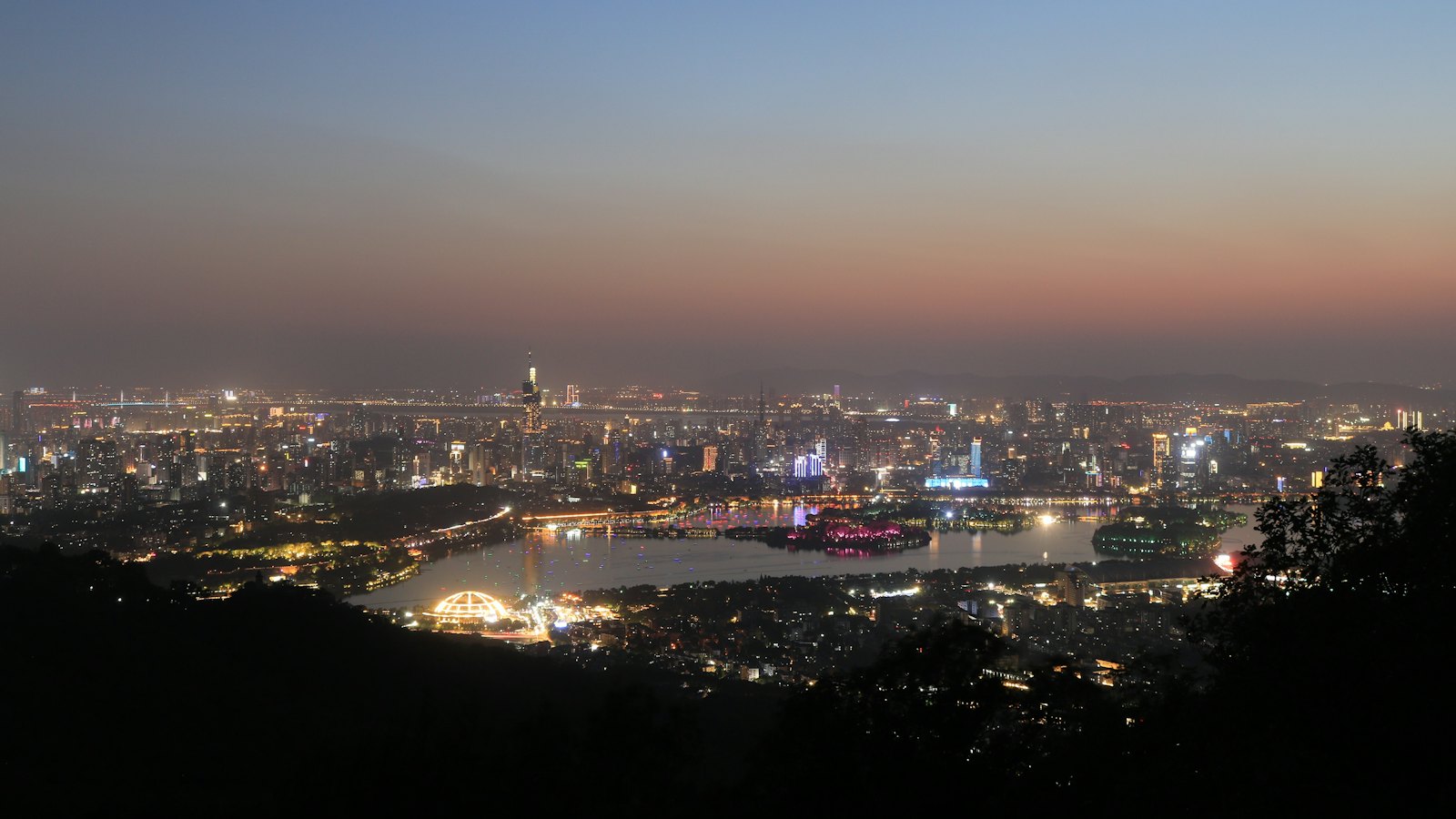
Nanjing blends monumental history with the rhythms of a comfortable modern city. Remnants of its Ming wall, imperial sites and important twentieth-century memorials stand beside leafy boulevards, lakes and an efficient metro network. Malaysian visitors may find it calmer than Shanghai while still enjoying easy high-speed rail connections across eastern China. This guide explains flights from KLIA, transfers from Lukou Airport, convenient districts, halal dining, prayer planning and likely expenses in ringgit. It also outlines the visa-free policy for Malaysian passports, arrival formalities and digital payment preparations that can make a first visit considerably easier.
Flights from Kuala Lumpur to Nanjing
As recorded in September 2026, China Eastern Airlines and XiamenAir provide non-stop flights between Kuala Lumpur International Airport and Nanjing Lukou International Airport, whose code is NKG. Flying time is normally around five to six hours, although winds and the operating route affect the exact duration. These international services generally depart from KLIA Terminal 1. Check both your booking and the airport display before travelling because terminal arrangements can change.
Connecting itineraries are also sold through cities such as Shenzhen, Guangzhou, Haikou and Hong Kong. They may fit certain travel dates better, but compare the total elapsed time rather than looking only at the fare. A lengthy layover can remove most of a sightseeing day.
Amaboxly checked Kuala Lumpur departures on 21 September 2026. The lowest one-way result was RM568 for a Shenzhen Airlines journey on 24 October 2026 with one connection, while the median one-way price was RM726. Search results also included Cathay Pacific, China Southern and Hainan Airlines. Their appearance does not indicate that they fly the route without a stop. Review baggage entitlements, transit requirements and connection length before purchasing.
Reaching central Nanjing from the airport
Lukou Airport is located south of Nanjing's central districts. The metro offers the clearest low-cost route for most independent visitors. The ringgit figures here use an approximate conversion of CNY1 to RM0.60.
- Metro: Take Line S1 towards Nanjing South Railway Station, then transfer to the appropriate urban line. A trip to Xinjiekou commonly needs 60 to 75 minutes and costs about CNY8 to CNY10, or RM5 to RM6. Managing several bags during rush hour can be awkward.
- Taxi: Under ordinary traffic conditions, a licensed metered cab reaches Xinjiekou or the Confucius Temple district in roughly 40 to 60 minutes. A typical charge is CNY120 to CNY170, equivalent to RM72 to RM102, before any applicable toll or late-night supplement.
- Ride-hailing: DiDi normally displays a projected price before you approve the journey. Its assigned collection area may differ from the public taxi rank, so use the pick-up instructions inside the app.
- Private car: An arranged transfer is useful for families, groups with bulky luggage or passengers landing late. Standard vehicles commonly fall near CNY180 to CNY300, or RM108 to RM180.
After the final metro service, choose the regulated taxi line or a verified DiDi reservation. Decline approaches from unofficial drivers in the arrivals hall.
Choosing an area to stay
Because Nanjing covers a broad area, proximity to a metro entrance is usually more valuable than being near its geographic midpoint.
- Xinjiekou: This convenient first-visit base has extensive shopping, food and cross-city transport. Its character is contemporary rather than historic, and weekend or public-holiday demand can raise room rates.
- Qinhuai River and Confucius Temple: Stay here for illuminated waterfront walks, traditional-looking lanes and lively evenings. Light sleepers should select accommodation beyond the busiest pedestrian streets.
- Gulou and Xuanwu Lake: Couples and returning visitors gain access to lake paths, university quarters and reliable transport with less concentrated tourist activity than Qinhuai.
- Nanjing South Railway Station: This functional district works well for brief stays and early high-speed trains towards Shanghai, Hangzhou or other destinations. Line S1 also makes the airport connection simple.
Basic rooms frequently cost about RM100 to RM180 nightly. A comfortable mid-range property often falls between RM220 and RM400. Before committing to a booking that cannot be refunded, ask whether the hotel accepts and registers guests travelling on foreign passports.
Things to do: Historical and scenic highlights
- Walk part of the Ming wall: Large portions of Nanjing's fortifications survive. Zhonghua Gate and the sections near Xuanwu Lake communicate their immense scale especially well, though separate access points may have individual admission charges.
- Explore the Confucius Temple quarter: Restored buildings, Qinhuai River lanes and night lighting make it an accessible introduction to the old district, despite its commercial atmosphere.
- Climb to Dr Sun Yat-sen's Mausoleum: A long staircase on Purple Mountain reaches one of the city's signature monuments. Expect screening procedures and wear supportive footwear.
- Wander through Ming Xiaoling: Forested approaches, ceremonial gates and avenues lined with stone animals define this imperial burial complex.
- Study the Nanjing Museum collections: Displays span archaeology, dynastic art and Jiangsu history. Confirm current passport and advance-booking procedures.
- Enter the Nanjing Massacre memorial hall: The official name is the Memorial Hall of the Victims in Nanjing Massacre by Japanese Invaders. Its subject is distressing and historically significant, so allow sufficient time and maintain respectful conduct.
- Slow down at Xuanwu Lake: Causeways and island paths provide an easy outdoor afternoon beside the wall.
- Tour the Presidential Palace: Its buildings interpret imperial, republican and later political periods.
- Arrive early at Laomendong: This restored neighbourhood contains courtyards, craft shops and snack vendors, with quieter lanes before the daytime crowds gather.
What to eat: Local dishes worth knowing
Duck is central to Nanjing's culinary identity, although the local menu extends well beyond it.
- Salted duck: Specialists gently season and poach this emblematic dish, then serve it cool or at room temperature. Muslim diners should ask about both ingredients and shared preparation surfaces.
- Duck blood vermicelli soup: Fine noodles, offal and duck blood sit in a savoury broth. It is widely eaten for breakfast or a quick midday meal, but is not normally halal.
- Nanjing roast duck: Unlike the crisp presentation associated with Beijing, the local version usually comes with a light and flavourful gravy.
- Soup dumplings: These delicate parcels contain hot broth, and pork fillings are widespread. Verify the filling before ordering.
- Beef potstickers: Crisp bases and juicy fillings connect this snack with Nanjing's Muslim food heritage. Choose a clearly identified Muslim vendor when halal preparation matters.
- Osmanthus desserts: Traditional areas sell scented rice cakes, sweet soups and other small treats flavoured with the flower.
Qinhuai's Confucius Temple streets provide an easy snack circuit, while nearby Laomendong groups many choices into a compact area. Residential roads around Gulou and the universities often offer better everyday value. Photographs and ordering screens reduce language barriers, but a translation tool remains helpful for allergies and ingredient checks.
Halal dining and prayer planning
Muslim visitors can find suitable food in Nanjing, although locating it generally takes advance research. The most useful Chinese term is 清真, pronounced qingzhen, which marks Muslim restaurants and products. Hui eateries, northwestern Chinese cooking and established Muslim beef-noodle shops are stronger options than an outlet advertising only the absence of pork. Such a claim says nothing about meat certification, cooking wine, stock or utensils shared with other dishes.
Jingjue Mosque is Nanjing's principal historic mosque and a practical landmark for travellers. Qingzhen businesses may operate in the surrounding streets, but openings change and older online listings can become inaccurate. Verify each place locally. When visiting Purple Mountain, the city wall or Xuanwu Lake for several hours, carry a compact prayer mat and use a qibla application.
Do not assume that malls or Lukou Airport provide a dedicated prayer room. An information counter may help locate a quiet space, but scheduling prayers at the mosque or your room is more dependable. Searches for 清真餐厅 in a Chinese map app often return better results than English queries. Save restaurant names, hotel addresses and key phrases in Chinese before leaving reliable internet access.
Transport within Nanjing
For journeys between distant districts, Nanjing's broad and orderly metro network is usually the most practical choice. Distance determines the fare, with many ordinary rides costing CNY2 to CNY8, approximately RM1.20 to RM4.80. Machines at major stations may have English controls, and English commonly appears on signs and in announcements. Frequent users can consider a reloadable transport card, while occasional riders can purchase individual tickets.
City buses reach neighbourhoods beyond the most useful metro corridors, but route planning is harder without Chinese-language mapping. Apple Maps can assist iPhone users. Domestic map services usually contain more detailed local directions if you are comfortable navigating their menus.
Grab has no mainland China service. DiDi is the usual ride-hailing platform and may be available through its separate application or a supported mini program. Register and connect a payment option before a time-sensitive journey. Street taxis use meters, but drivers may not speak English, so display the destination in Chinese. A short central ride often costs CNY15 to CNY35, or RM9 to RM21. Longer trips across the city can exceed CNY50.
Walking works well within individual districts, yet Purple Mountain and other major sites involve substantial distances. Bring comfortable shoes. Shared bicycles are plentiful, but foreign registration and payment steps may outweigh their usefulness on a short holiday.
Four days in Nanjing
- Day 1: Settle into a hotel in Xinjiekou or Qinhuai, then explore the Confucius Temple precinct and the Qinhuai waterfront. Walk onwards to Laomendong for restored lanes, snacks and dinner. The riverside looks especially attractive after dark, although crowded areas require normal care with valuables.
- Day 2: Devote the morning and early afternoon to Purple Mountain. Pair Dr Sun Yat-sen's Mausoleum with Ming Xiaoling, leaving enough time for footpaths and any internal shuttle. Keep the evening unhurried instead of adding another large institution.
- Day 3: Begin at the Memorial Hall of the Victims in Nanjing Massacre by Japanese Invaders. Afterwards, choose either Nanjing Museum or the Presidential Palace according to your interests and the reservations available. Have dinner around Xinjiekou.
- Day 4: Enter a surviving portion of the Ming wall before continuing to Xuanwu Lake for broad views and causeway walks. Passengers with an evening departure should allow ample time to retrieve bags and reach the airport south of town.
The principal attractions fit into three complete days, but a fourth reduces fatigue at the extensive historic complexes. For an onward visit to Shanghai or Hangzhou, high-speed services from Nanjing South are convenient. Avoid placing a narrow rail connection immediately before an international departure.
Money and practical travel tips
China's currency is the renminbi, also known as the yuan and labelled CNY or RMB. CNY1 equals about RM0.60 for rough planning, but use a current exchange rate when making financial decisions.
Most daily transactions are digital. Eligible overseas cards can usually be attached to Alipay or WeChat Pay, although identity checks, card restrictions and isolated merchant failures remain possible. Finish registration at home and retain a modest amount of cash. Mainland merchants do not ordinarily use DuitNow QR. If your Malaysian bank routinely flags foreign activity, notify it before departure.
An eSIM is a convenient choice for compatible devices. Certain roaming plans send data outside mainland China's standard internet controls. A domestic SIM normally requires passport registration and may not offer familiar international services without additional technical arrangements. Store offline translations, booking confirmations and addresses written in Chinese.
Wall sockets can accept plug types A, C or I, and the supply is 220V, making a universal adaptor worthwhile. Ordinary restaurant and taxi transactions do not require tips. Independent travel in Nanjing is generally manageable with familiar precautions. Protect passports and phones at packed attractions, reject informal transport solicitations, check the recipient before approving QR payments and do not purchase admission from street resellers. Keep your passport accessible for accommodation registration, intercity rail journeys and attractions that perform identity checks.
Before you go
- Best time to go
- Spring and mid-autumn provide Nanjing's most agreeable conditions. From March through May, temperatures are often comfortable for long walks and parks begin flowering, though showers remain possible. October through early November usually suits visits to Purple Mountain, Xuanwu Lake and the city wall. Summer brings intense heat and humidity that many Malaysians may still find tiring. Winter has limited snowfall but can feel penetratingly cold. If possible, stay away during the National Day holiday at the beginning of October, when accommodation, trains and major sights face heavy demand and higher prices. Flights from Kuala Lumpur may also become more expensive during Malaysian school breaks, particularly near year-end. Dates in late October often combine cooler air with seasonal colour after the national holiday crowds have subsided.
- Visa for Malaysians
- Malaysian citizens receive short visa-free entry to mainland China, as of September 2026. Under the bilateral policy in force from 17 July 2025, an ordinary Malaysian passport permits visits lasting no more than 30 days for tourism, visiting relatives, commercial activities or exchange programmes. Across any rolling 180-day window, qualifying visa-free stays may total at most 90 days. Employment, education, reporting assignments and visits exceeding 30 days need the relevant visa. An arrival card is compulsory. From 20 November 2025, advance submission became available through the National Immigration Administration website, the NIA 12367 application, and mini programs in WeChat or Alipay; completion upon arrival remains possible. There is no entry fee. A passport nearing six months before expiry might be rejected, so renew it early. Before departure, verify the position with nia.gov.cn or the Chinese Embassy in Malaysia.
- Honest budget guide
- Plan on RM220 to RM450 per traveller for each day in Nanjing, before airfare. Simple accommodation is commonly RM100 to RM180 per room each night, compared with about RM220 to RM400 for a comfortable mid-range option. A daily allowance of RM50 to RM100 covers many local meals, while metro rides and short ground journeys may add RM10 to RM30. Set aside separate money for admission charges and DiDi trips. Amaboxly's 21 September 2026 search showed KL departures beginning at RM568 one way, with RM726 as the median; baggage and travel dates can change return totals substantially. For four days, a traveller sharing a room might spend approximately RM1,800 to RM3,400, including estimated return flights, meals, sightseeing and local transport. Treat all amounts as budgeting guidance rather than guaranteed prices.
Frequently asked questions
Do Malaysians need a visa for Nanjing?
For eligible short visits, they do not. As at September 2026, an ordinary Malaysian passport allows up to 30 days in mainland China without a visa, within the overall allowance of 90 days during any 180-day window. An arrival card is compulsory. Employment, study, journalism and longer visits follow separate visa rules. Confirm requirements through official Chinese immigration or embassy channels shortly before travelling.
Is there a direct flight from Kuala Lumpur to Nanjing?
Yes. As of September 2026, both China Eastern Airlines and XiamenAir operate non-stop links from Kuala Lumpur International Airport to Nanjing. Expect roughly five to six hours in the air. These services generally use KLIA Terminal 1, but schedules and airport operations can shift, so consult the latest ticket details before leaving for KLIA.
How many days are enough for Nanjing?
Three complete days can accommodate Purple Mountain, Qinhuai, an important museum and the massacre memorial. Four days provide a more comfortable pace and create room for Xuanwu Lake and a walk on the Ming wall. Consider an additional day if you intend to use Nanjing as the starting point for an excursion elsewhere in the region.
Is Nanjing Muslim-friendly?
The city has the historic Jingjue Mosque, an established Muslim community and a selection of qingzhen restaurants, but halal options are unevenly distributed. Look for the characters 清真 and prioritise visibly Muslim-run businesses. Merely stating that food contains no pork does not establish halal preparation. A portable prayer mat is useful because purpose-built prayer rooms cannot be expected at every attraction or mall.
What is the best month to visit Nanjing?
October is particularly appealing after the National Day travel surge ends, bringing cooler walking conditions and the start of autumn colour. April and May also offer pleasant temperatures, although rain may alter outdoor plans. Travellers sensitive to heat should skip midsummer. Winter requires effective layers because damp cold can make conditions seem harsher than the thermometer indicates.
How much money do I need for four days in Nanjing?
Allow roughly RM1,800 to RM3,400 for each person when two people share accommodation. That estimate combines indicative return flights from Kuala Lumpur with four days of meals, local travel, admissions and lodging. Private airport cars, frequent DiDi use or premium hotels will increase the figure. Keep a small reserve of yuan even when Alipay or WeChat Pay will be your main method.
Can I use Grab in Nanjing?
Grab is unavailable in mainland China. Travellers generally use DiDi through its dedicated application or a compatible mini program. Complete registration, identity verification and payment setup before arriving if possible. Regulated metered taxis provide another option. Showing the driver a saved Chinese version of your destination can prevent confusion when spoken English is limited.
Can I use Malaysian bank cards in Nanjing?
International cards work at many major hotels and selected large retailers, but small merchants often prefer mobile payments. Qualifying foreign cards can generally be connected to Alipay or WeChat Pay, subject to identity checks and transaction restrictions. DuitNow QR is not a routine option. Carry a physical bank card and some yuan so one failed application or payment does not leave you stranded.
Jom pergi
Ready to go Nanjing? Compare available flights and hotels for your dates. Check baggage, cancellation terms and the final total on the booking provider before paying.






