




On this page13 sections
- Overview
- Getting There from Kuala Lumpur
- From Lhasa Gonggar Airport to Central Lhasa
- Where to Stay in Lhasa
- Essential Sights and Sacred Places
- Tibetan Food and Everyday Meals
- Halal Dining and Places to Pray
- Moving Around the City and Beyond
- Four-Day Lhasa Itinerary
- Payments, Internet and Practical Details
- Tibet Permits and Altitude Safety
- Before you go
- FAQ
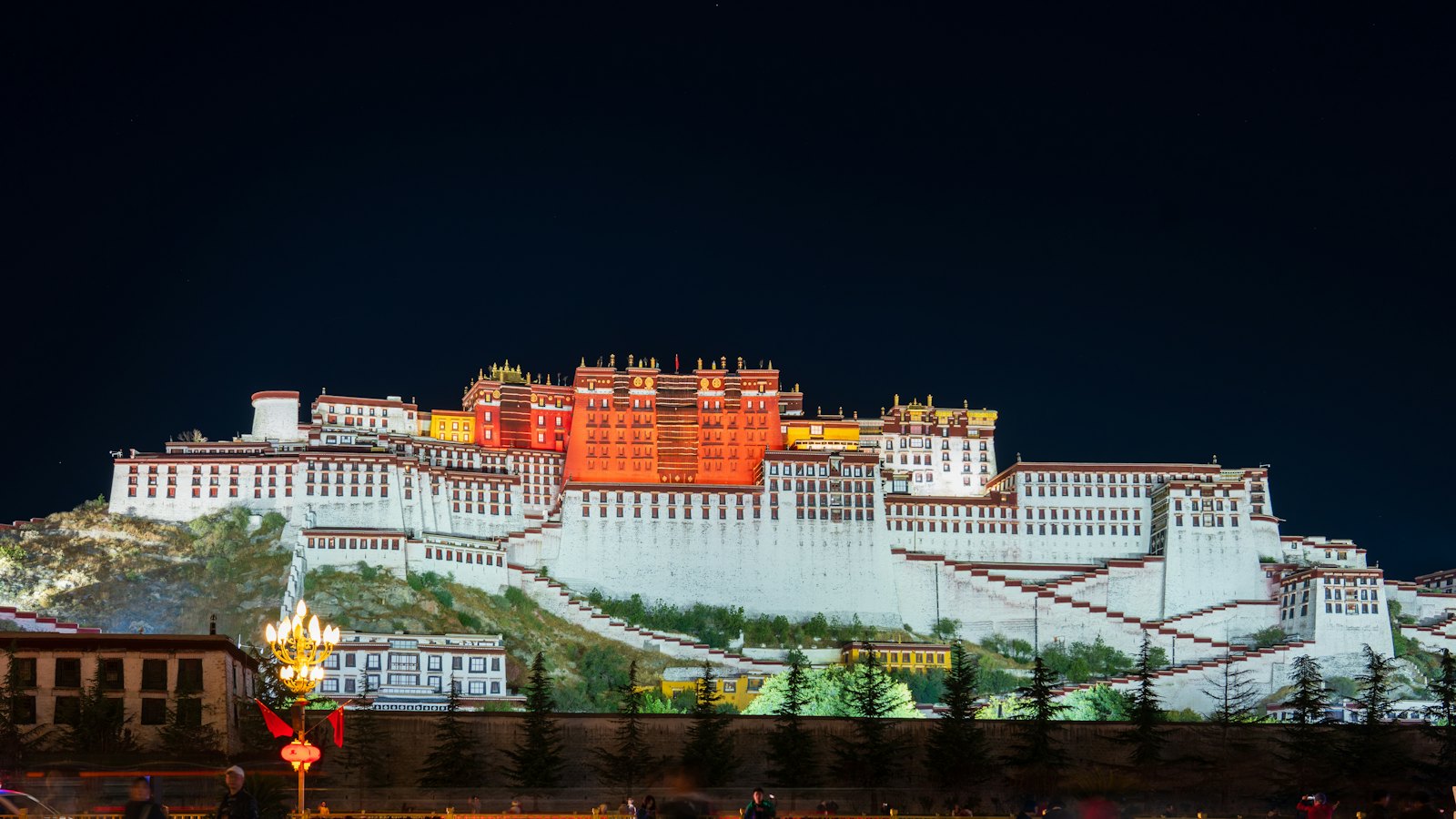
A journey to Lhasa requires more preparation than an ordinary city break. Tibet's capital stands about 3,650 metres above sea level and combines the Potala Palace, sacred monasteries, busy pilgrimage routes and dramatic mountain surroundings. Malaysians may enter mainland China without a visa for an eligible short visit, but Tibet has separate permit and organised-tour requirements. Flights from Kuala Lumpur involve at least one connection within China. Careful scheduling is essential because altitude, permit checks and guided transport affect every itinerary. This guide covers the journey, airport transfers, accommodation, food, prayer needs, local transport, costs and a gradual four-day sightseeing plan.
Getting There from Kuala Lumpur
No nonstop passenger flight currently links Kuala Lumpur International Airport with Lhasa. Travellers usually change planes in a Chinese hub such as Chengdu, Chongqing, Kunming, Xi'an or Guangzhou. Certain combinations require a second stop. A well-timed journey may take approximately 9 to 16 hours, while long or overnight connections extend the trip considerably.
Use the terminal printed on the reservation because KLIA departure points vary by airline. Allow ample time between the international arrival and the domestic flight. Airline or airport personnel may ask to examine your Tibet Travel Permit before allowing you onto the Lhasa sector.
There is no confirmed round-trip fare for this exact route at present. For planning purposes, return economy travel from Kuala Lumpur is commonly estimated at RM1,800 to RM3,500. Summer dates and Chinese public holidays are often dearer. Compare checked baggage, transfer conditions and the entire routing before choosing a fare.
Reaching Tibet by train offers impressive scenery but takes much longer. Rail passengers still need the required permit, and the gradual journey does not guarantee protection from altitude illness.
From Lhasa Gonggar Airport to Central Lhasa
Lhasa Gonggar Airport lies approximately 60 kilometres from the central districts. The drive generally lasts 60 to 90 minutes, depending on road conditions and the location of your hotel. For simple estimates, calculate 1 yuan as roughly RM0.60, while remembering that exchange rates move.
- Agency pickup: The company arranging your Tibetan itinerary will usually provide the simplest transfer. Pickup may already be included in the tour package, and its representative can resolve permit checks before leaving the airport.
- Airport coach: A seat generally costs roughly 25 to 35 yuan, about RM15 to RM21. The trip to a central stop can take 70 to 90 minutes. Confirm the latest stopping point, then arrange a taxi for the remaining distance.
- Official taxi: Expect approximately 180 to 250 yuan, equal to about RM108 to RM150. Join the designated queue and establish whether road tolls are covered.
- Reserved car: A pre-booked vehicle normally costs about 250 to 400 yuan, or RM150 to RM240, according to capacity and waiting time.
Go directly to the hotel after arrival. Your first hours should favour water, light food and rest instead of demanding sightseeing.
Where to Stay in Lhasa
Your accommodation must fit the approved tour arrangements and be able to register an international passport holder. Ask the authorised agency to verify a property before making a non-refundable payment, since some smaller lodgings cannot accept overseas guests.
- Barkhor and the old city: This atmospheric district puts Jokhang Temple, pilgrimage activity and historic lanes within easy walking distance. Daytime crowds and street noise can be considerable. Traditional buildings may lack lifts or dependable heating.
- Beijing East Road: This convenient first-visit base sits between the old quarter and modern commercial streets. Taxis, shops, restaurants and varied room choices are readily available.
- Potala Palace surroundings: Stay here for convenient palace access and landmark views. Broad roads make vehicle pickups easier, although evenings can feel less intimate than those near Barkhor.
- Norbulingka and western Lhasa: The quieter western districts suit families and travellers who value space. Norbulingka and the Tibet Museum are nearby, but evening visits to the old city will usually require a taxi.
Practical comforts deserve priority at high elevation. A lift, effective heating, good sleep conditions and helpful reception staff may prove more valuable than elaborate decoration.
Essential Sights and Sacred Places
Your agency should confirm reservations, guiding rules and permit conditions for every attraction. Procedures may change, and prominent sites can use timed tickets connected to passport details.
- Potala Palace: Ascend at an unhurried pace while viewing ceremonial halls, chapels and tombs within Tibet's best-known landmark.
- Jokhang Temple: See worshippers gather at this deeply revered sanctuary and obey all instructions concerning photographs and restricted spaces.
- Barkhor circuit: Move clockwise alongside pilgrims, leaving room for religious practice while visiting the surrounding market lanes.
- Sera Monastery: Explore the complex and attend the monks' animated philosophical debates when they appear on that day's schedule.
- Drepung Monastery: Discover the extensive hillside institution west of the urban centre, allowing extra time for slopes and steps.
- Norbulingka: Enjoy the former summer residence and its gardens when a less strenuous outing is appropriate.
- Tibet Museum: Use its exhibitions to understand regional history and art before exploring additional religious sites.
- Potala viewpoints: Seek public squares or elevated viewing places for photographs in gentle morning or late-afternoon light.
Do not compress the complete list into two days. The palace stairs and monastery grounds can be exhausting before acclimatisation.
Tibetan Food and Everyday Meals
Local cooking is substantial and warming, reflecting Tibet's cold and dry environment. Appetite and digestion sometimes change at high altitude, so begin with modest portions and familiar ingredients on the arrival day.
Momo are dumplings that may be steamed or fried and filled with meat or vegetables. Thukpa provides a comforting bowl of noodles and broth. Tsampa consists of roasted barley flour and is traditionally combined with butter tea. Shapale is a fried pastry containing meat, while yak may appear in stews, dumplings or stir-fried dishes. Thick Tibetan yoghurt has a pronounced tartness and is frequently served with sugar. Sweet milk tea offers a gentler introduction for visitors who find salty butter tea unfamiliar.
Barkhor's lanes contain Tibetan tea rooms, dumpling counters and modest noodle shops. Central shopping streets broaden the choice with Sichuan dishes, northwestern Chinese cooking and recognised fast-food outlets. Store pictures or Chinese-language dish names on your phone because English menus are not universal.
A meat-free description does not by itself establish that a dish is halal. Broth, cooking wine and shared equipment may still present concerns, so communicate dietary restrictions clearly before ordering.
Halal Dining and Places to Pray
Muslim visitors can find suitable meals in Lhasa, although options are more limited than in China's larger eastern cities. Restaurant signs displaying Qingzhen or 清真 identify the most promising choices. Muslim-operated Lanzhou noodle outlets and northwestern Chinese restaurants commonly prepare hand-pulled noodles, beef, mutton, dumplings and rice plates. If kitchen separation matters, ask about utensils and preparation rather than accepting a simple assurance that a meal contains no pork.
The neighbourhood near Lhasa Great Mosque and the historic Muslim quarter is the most useful starting point for Muslim-owned businesses. Opening hours and individual restaurants can change, so have the local guide confirm choices on each day. Translation functions in Alipay, WeChat or another offline-capable app can help explain detailed requirements.
Public prayer facilities should not be assumed at the airport, malls or attractions. Request a quiet location from staff when necessary, or pray in your room when the schedule permits. Bring a small prayer mat, an offline qibla tool and emergency food. For excursions beyond the city, send meal requirements to the agency in writing beforehand.
Moving Around the City and Beyond
Distances in central Lhasa appear manageable on a map, but reduced oxygen makes walking noticeably harder. During the opening days, divide journeys between brief level walks, ordinary taxis and the vehicle supplied for your organised programme.
Public buses generally charge 1 to 2 yuan, approximately RM0.60 to RM1.20. They are economical, though Chinese route information and stop announcements can be difficult for newcomers. Both cash and Chinese mobile-payment systems are widely encountered. Short taxi journeys often fall between 10 and 30 yuan, or around RM6 to RM18, according to traffic and distance. Ask the hotel or guide to provide the destination in written Chinese.
Grab has no mainland China service. DiDi is the main local ride-booking platform and is available through its application or an Alipay mini program. Overseas card linking and account registration do not always work smoothly, so your guide may need to order a vehicle.
Trips outside urban Lhasa generally depend on an authorised guide, an approved vehicle and any destination-specific permission. Follow the agreed route in controlled areas. Checkpoints, changing roads and necessary rest can cause delays, making unscheduled time valuable.
Four-Day Lhasa Itinerary
Four days provides a reasonable minimum for an introductory stay. Five or six allows a more comfortable rhythm and creates space for an approved trip beyond the city. The arrival afternoon should remain intentionally quiet.
- Day 1: Meet the agency transfer at Lhasa Gonggar Airport, register at the hotel and recover from the journey. If you remain symptom-free, take only a brief walk on level ground nearby.
- Day 2: Enter Jokhang Temple with the guide, complete the Barkhor route clockwise and explore a few adjoining lanes. Pause often, drink normally and finish the evening early.
- Day 3: Visit Potala Palace at the assigned admission time. Carry little and climb its stairs slowly. Continue to Norbulingka or the Tibet Museum only when you still feel comfortable.
- Day 4: Divide the day between Drepung and Sera monasteries, leaving enough time for courtyards, art and any debate session scheduled at Sera.
An additional day can be reserved for more acclimatisation or an excursion organised by the agency. Mountain passes and high lakes stand substantially above Lhasa and are unsuitable as casual activities immediately after arrival.
Payments, Internet and Practical Details
China's currency is the yuan, formally known as renminbi. Using 1 yuan to RM0.60 gives a convenient preliminary estimate, but obtain a current rate when budgeting. Alipay and WeChat Pay handle a large share of daily transactions. Many foreign bank cards can be linked after identity checks. Complete setup in Malaysia and retain yuan notes as backup because a card or mobile transaction can occasionally be declined. DuitNow QR is not a general retail payment option in Lhasa.
Passport registration is normally necessary when buying a mainland Chinese SIM. Malaysian roaming or a travel eSIM may make familiar international services easier to reach, though access and reception differ by provider. Install offline translation material and map data before departure.
Electricity is supplied at 220V, and sockets may accept Type A, C or I plugs. Pack a universal adapter. Routine restaurant and taxi transactions do not ordinarily involve tips. The agency can explain whether gratuities for its guide and driver are expected.
Crowded pilgrimage zones call for normal care with valuables. Avoid informal permit vendors, unlicensed cars and aggressive souvenir sales. Keep copies of agency contacts, insurance information and passport details accessible.
Tibet Permits and Altitude Safety
China's visa exemption and Tibet's travel authorisation are separate matters. A Malaysian tourist must obtain a Tibet Travel Permit through an authorised agency before taking a plane or train into Lhasa. Foreign passport holders generally cannot tour Tibet independently. The accepted programme ordinarily specifies accommodation, transport and guide services, while travel farther afield can require additional approvals. Apply early and carry whichever original or approved copy the organiser instructs you to present.
At roughly 3,650 metres, Lhasa demands a conservative start. During the first 24 to 48 hours, move gently and avoid alcohol, hard exercise and large meals. Drinking enough water supports general comfort but cannot prevent altitude sickness. Anyone with a heart, lung or blood condition, or a pregnancy-related concern, should seek medical advice before booking. Medication should be discussed with a qualified clinician instead of taken without guidance.
Supplemental oxygen can provide short-lived relief but must never be used to conceal worsening illness. Confirm that insurance covers treatment and evacuation at every elevation on the route. Headache that intensifies, breathlessness while resting, confusion or poor coordination needs urgent attention. Tell the guide immediately and descend when medical professionals recommend it.
Before you go
- Best time to go
- May, June and September provide an appealing combination of moderate weather and manageable visitor levels. Days in Lhasa can be brilliantly sunny while nights remain cold, so large temperature swings are normal. July and August tend to be warmer, wetter and busier, with stronger domestic demand and more expensive tours. Spring weather is often dry and windy. Winter brings low temperatures, fewer visitors and many clear days, although tour availability and attraction operations may differ seasonally. Malaysian school breaks can increase airfares, particularly when they coincide with Chinese holidays. Clothing should be layered in every month, accompanied by sunscreen, sunglasses, lip balm and rain protection. September is especially attractive. Travellers considering early October should reserve well in advance because the National Day holiday creates intense demand.
- Visa for Malaysians
- Malaysian citizens qualify for visa-free mainland China visits of up to 30 days per entry. As of September 2026, eligible tourism, business, exchange and family visits are covered, provided total visa-exempt presence does not exceed 90 days across any rolling 180-day span. Employment, academic study, reporting work or a visit longer than 30 days needs the appropriate visa. An arrival card is normally required and may be submitted through the National Immigration Administration website, its NIA 12367 application, a supported mini program or the arrival facilities. Bring a passport valid for at least six months. Tibet applies an additional system: an authorised operator must secure the Tibet Travel Permit and organise the itinerary. Although the Chinese visa exemption has no fee, agency, permit-handling and tour costs remain payable. Recheck details with the Chinese Embassy in Malaysia and nia.gov.cn shortly before travel.
- Honest budget guide
- Plan on approximately RM600 to RM1,100 per traveller for each day spent in Lhasa. That estimate includes lodging and the organised arrangements required of international visitors. As there is no confirmed direct fare for this route yet, set aside roughly RM1,800 to RM3,500 for a Kuala Lumpur return economy ticket. Basic rooms may cost RM120 to RM220 nightly, with comfortable mid-range choices closer to RM250 to RM500. Daily meals can total RM60 to RM140, while simple transport within the city may add RM20 to RM60. The guide, vehicle, permit administration and attraction coordination usually form the largest local expense. Including flights, five days commonly require about RM5,000 to RM8,500 per person. Season, route, hotel standard and the number of travellers sharing tour costs will change the final amount.
Frequently asked questions
Do Malaysians need a visa for Lhasa?
For eligible visits, Malaysians may enter mainland China without a visa for up to 30 days as of September 2026, while remaining within the applicable 90 days across 180 days rule. Tibet is controlled separately. An authorised agency must obtain your Tibet Travel Permit and arrange the approved programme before you travel to Lhasa.
Is there a direct flight from Kuala Lumpur to Lhasa?
There is currently no nonstop scheduled service between KLIA and Lhasa. Common routings change aircraft in Chengdu, Chongqing, Kunming, Xi'an or Guangzhou, and certain tickets include two stops. A practical connection usually produces a journey of about 9 to 16 hours. Verify the departure terminal and leave time for permit inspection.
Can Malaysians travel independently in Tibet?
Foreign passport holders generally cannot explore Tibet as independent tourists. The required agency arranges the permit, guide, vehicle and accepted itinerary. Places outside Lhasa can involve further authorisation. Limited personal time may be possible when local regulations and the agreed schedule permit it, but spontaneous travel between restricted destinations should not be expected.
How many days are enough for Lhasa?
Set aside at least four days and make the arrival day restful. A five or six-day visit gives your body more time to adjust and can accommodate an authorised excursion. Trying to finish Lhasa in two days places stair-heavy sights such as Potala Palace during the period when new arrivals are particularly vulnerable to altitude symptoms.
Is halal food easy to find in Lhasa?
It is available, but the selection is modest. Search for Qingzhen or 清真 signage, especially near Lhasa Great Mosque and at Muslim-run Lanzhou noodle restaurants. Clarify whether preparation areas and utensils are shared, since saying a dish has no pork is insufficient for many diners. Request suitable excursion meals from the agency beforehand.
What is the best month to visit Lhasa?
September is an excellent choice, while May and June also offer relatively mild conditions and less midsummer rain. July and August are warmer but attract more visitors and precipitation. Early October may remain pleasant, yet the National Day travel rush sharply increases demand. Book flights, rooms and agency arrangements early for that period.
How much money is needed for five days in Lhasa?
Allow approximately RM5,000 to RM8,500 per person, including estimated return airfare from Kuala Lumpur, accommodation, meals and compulsory organised services. A private programme costs more because the vehicle and guide are not divided among several guests. Bring some yuan as a backup after preparing Alipay or WeChat Pay before leaving Malaysia.
Does Grab work in Lhasa?
Grab does not provide rides in mainland China. DiDi is the principal app-based alternative and can be opened directly or through Alipay. Account creation and payment with an overseas card may sometimes fail. Ordinary taxis work well for short urban trips, while the tour operator's approved vehicle handles scheduled sightseeing and journeys beyond central Lhasa.
Jom pergi
Ready to go Lhasa? Compare available flights and hotels for your dates. Check baggage, cancellation terms and the final total on the booking provider before paying.






