




On this page12 sections
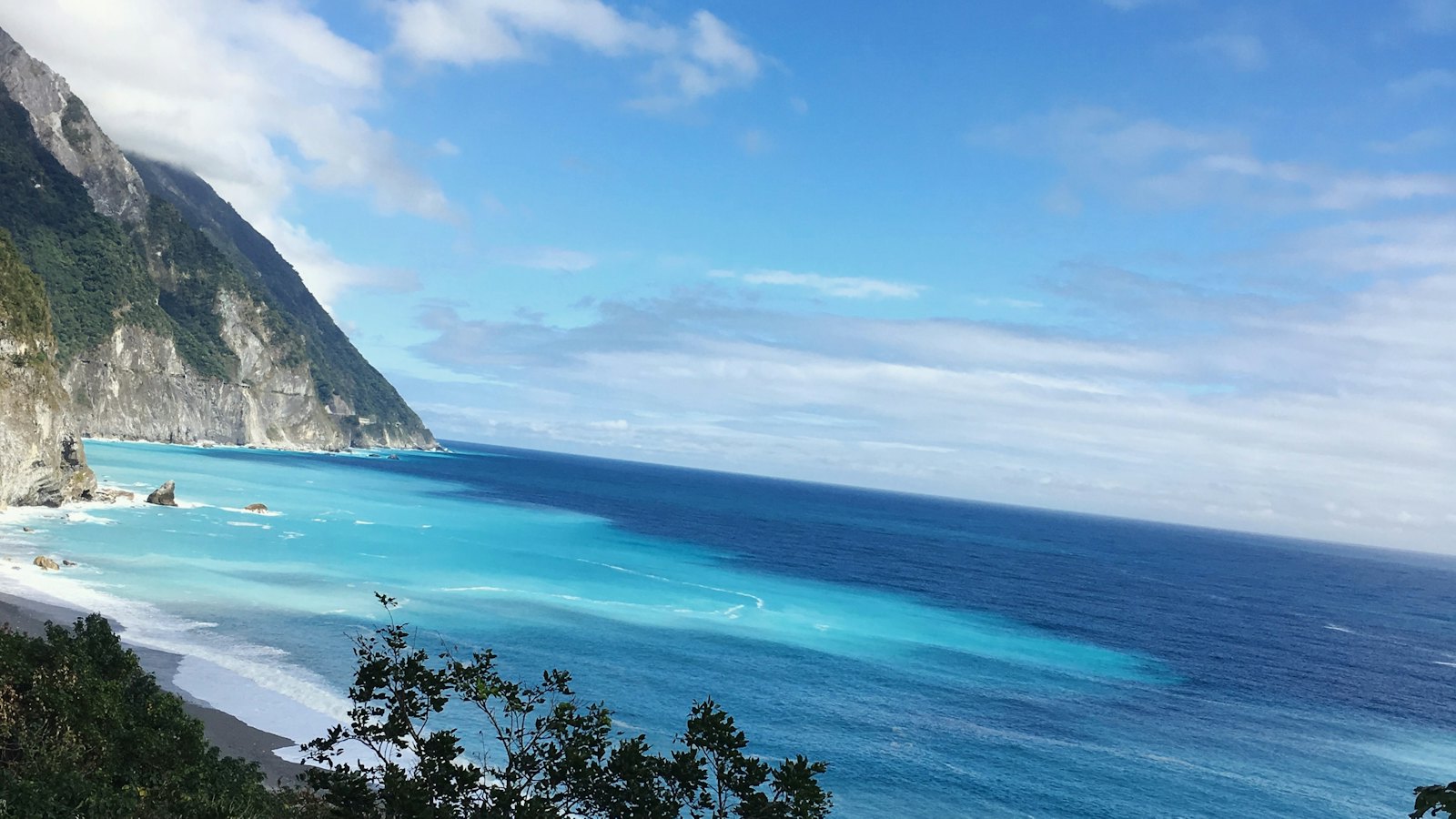
Hualien occupies a spectacular strip of eastern Taiwan between towering mountains and the Pacific Ocean. Its appeal lies in marble ravines, coastal cycling routes, broad pebble beaches and a relaxed city atmosphere quite unlike Taipei. Travelling from Malaysia requires a flight to the Taipei area followed by an eastbound train, since KLIA has no direct Hualien service, and most flights from Kuala Lumpur to Taiwan also involve a stop along the way. The rail journey adds time but also reveals some of Taiwan's finest scenery. This guide explains the most practical route, suitable neighbourhoods, local transport, Muslim travel considerations, expected costs and a manageable four-day plan.
Getting There: Kuala Lumpur to Hualien
KLIA currently has no nonstop service to Hualien Airport, and most itineraries between Kuala Lumpur and Taiwan also require at least one stop, since no airline currently flies nonstop on that route either. The usual approach is to fly with a connection to Taiwan Taoyuan International Airport, enter Taipei or Nangang, and continue east with Taiwan Railways. When flight connections, border formalities, baggage collection, the airport transfer and rail travel are counted, allow approximately 10 to 15 hours for the complete trip.
Most air itineraries involve a change at another Asian airport. Confirm whether the sectors share one booking reference. With separately issued tickets, passengers may need to retrieve and check in their bags again, and the second airline is generally not responsible for a missed connection caused by an earlier delay.
Check the terminal shown in the newest airline confirmation before leaving for KLIA. Many full-service international departures use Terminal 1, while numerous low-cost carriers operate from Terminal 2, but the airline and route determine the actual terminal.
No reliable one-way price to Hualien was available when this guide was prepared. As a planning range, Kuala Lumpur to Taipei may cost about RM 450 to RM 1,100 each way before baggage. School breaks and popular travel dates can be dearer. Add approximately RM 80 for the airport and railway transfers to Hualien, and compare final prices after luggage, meals and connection time are included.
Getting from Taoyuan Airport to Hualien
Almost all Malaysian visitors enter through Taoyuan Airport and finish the journey overland. For quick estimates, treat NT$100 as approximately RM 13 to RM 14, while remembering that currency values fluctuate.
- Via Taipei Main Station: Ride the Airport MRT for about 35 to 55 minutes, depending on whether the train is express or commuter. The fare is near NT$160, or RM 22. From the connected railway complex, a limited-stop train reaches Hualien in roughly two to two and a half hours for about NT$440, or RM 60. Leave extra time to navigate the large station.
- Via Nangang: Change from the Airport MRT to metropolitan rail or metro services across Taipei. Nangang is already east of the city centre and may offer a calmer boarding point for selected Hualien departures.
- Via Yilan or Luodong: If direct railway seats are unavailable, take an airport coach towards northeastern Taiwan and join a train there. This alternative involves more luggage handling and may cost NT$400 to NT$700, or RM 55 to RM 95.
- By private car: The road journey normally needs four to five hours in favourable conditions. Prices often fall between NT$5,000 and NT$8,000, or RM 680 to RM 1,080, which can make sense for a family group.
Purchase eastbound rail tickets promptly for holiday periods, Fridays and weekends.
Choosing an Area to Stay
Although the urban centre is not large, accommodation location affects early departures and evening convenience.
- Hualien Station area: This is the simplest base for newcomers, brief visits and morning trains. Guesthouses, scooter shops and many excursion pickups are nearby. The neighbourhood is functional rather than picturesque, and Dongdamen Night Market requires a longer walk or short taxi ride.
- Downtown and Golden Triangle: Central streets provide restaurants, shops and pleasant evening wandering. The position between the railway station and shore offers a useful compromise for visitors who plan to walk and occasionally take taxis.
- Dongdamen and waterfront: Stay here for easy night-market access, coastal air and family-friendly evenings. Reaching an early train is less convenient, so include a taxi fare in the plan.
- Ji'an: Immediately south of Hualien, Ji'an has a quieter setting, larger rooms and access to cycling or rural scenery. It works best with a car or scooter because bus choices are thinner and northern attractions require extra travel.
Basic double rooms generally begin near NT$1,200 to NT$2,000, approximately RM 160 to RM 270. A comfortable mid-range property commonly charges NT$2,200 to NT$4,000, or RM 300 to RM 540. Expect increases on weekends and Taiwanese holidays.
Things to Do in Hualien
- Taroko Gorge: The region's best-known landscape contains marble walls, river valleys and dramatic road tunnels. Earthquake damage, repairs or falling rocks may shut trails and highways with little notice. Read the latest national park and road announcements, and never enter a barricaded area.
- Qixingtan Beach: Follow the cycling and walking paths beside this wide pebble coastline north of town. The seabed becomes deep very quickly and waves can be powerful, so remain ashore instead of swimming.
- Dongdamen Night Market: Visit after dark for Taiwanese snacks, indigenous dishes and fairground-style stalls. Cash is useful, and sharing portions lets you sample more.
- Pine Garden: This historic compound stands among mature trees above the city and combines local history with elevated views.
- Hualien Cultural and Creative Industries Park: Former industrial structures now contain exhibitions, design outlets and occasional performances close to downtown.
- Liyu Lake: Spend a quiet half-day cycling around the water or hiring a paddle boat. It pairs naturally with other Ji'an stops.
- East Rift Valley: Farmland, rice paddies and mountain-backed settlements extend through Shoufeng, Ruisui and Yuli. An excursion or hired vehicle allows flexible stops.
- Pacific coast southbound: The road towards Shitiping passes cliffs, small fishing communities and unusual rock formations. Set aside an entire day because the distances are too great for a sensible Taroko combination.
Local Food Worth Trying
The local table draws from Taiwanese, Hakka and indigenous traditions, supported by crops grown across the East Rift Valley. Dongdamen provides the greatest variety in one location, while neighbourhood breakfast shops, bakeries and noodle counters tend to be quieter and less expensive.
Hualien is particularly associated with soft, chewy mochi filled with sesame, peanut or red bean. Fresh pieces travel well as short-term gifts but do not keep for long. Another familiar snack is a scallion pancake topped with a softly fried egg. Because some vendors may cook with lard, Muslim customers should ask about ingredients before buying.
Regional menus also feature fragrant rice, sweet potatoes, dumplings, wonton soup and mountain vegetables. Indigenous stalls may prepare millet, wild plants, bamboo rice or grilled meats. Simple presentation does not establish halal status, so meat should still be checked. Coastal restaurants offer squid, prawns and fresh fish, although marinades, cooking wine and shared equipment can remain concerns.
Expect a modest breakfast to cost NT$60 to NT$120, or RM 8 to RM 16. Casual lunches and dinners are often NT$120 to NT$250, or RM 16 to RM 34, with seafood meals costing more. Travellers with strict needs can carry a Chinese translation card covering pork, animal fat, alcohol and gelatin.
Halal Meals and Places to Pray
Muslim visitors can travel comfortably with preparation, but Hualien has considerably fewer certified halal establishments than Taipei. A vegetarian, seafood, beef or no-pork label alone does not confirm that a kitchen meets halal requirements. Animal fat, wine, meat-based broth and shared utensils may still be used. Seek a recognised certificate, and ask whether a business is formally certified, Muslim-owned or simply serving selected pork-free dishes.
Bring dependable snacks on excursions to Taroko, the Pacific coast or the East Rift Valley, where suitable restaurants may be scarce. Vegetarian cooking is a possible backup after checking for alcoholic seasonings and shared pans. Convenience stores carry fruit, eggs, packaged foods and plain rice products, although most ingredient lists are written in Chinese.
Halal Navi and Zabihah may reveal recent community reports, while map photographs and direct messages can help confirm details. Check again upon arrival because operators and kitchen practices sometimes change.
Purpose-built prayer facilities are uncommon around Hualien. Carry a small mat and use a reliable qibla application. Accommodation staff may be able to provide a quiet private room if asked politely. Taoyuan Airport offers designated prayer areas, so using them before the overland journey may be convenient.
Transport Within Hualien County
Walking works well across central Hualien, but the county's headline landscapes are scattered over a considerable north-to-south distance. Select transport for each individual outing instead of expecting a single option to serve every destination.
An EasyCard can be used on numerous buses and local Taiwan Railways services, as well as elsewhere in Taiwan. Cards and top-ups are available from stations and convenience stores. Local fares commonly range from NT$25 to NT$100, approximately RM 3 to RM 14. Services outside the city may run infrequently, so verify the final return departure before leaving.
Taxis gather around the railway station and busy central streets. An urban trip often costs NT$120 to NT$250, or RM 16 to RM 34. Full-day vehicles can cost several thousand Taiwan dollars. Agree on the route and an estimated total with the driver or accommodation beforehand.
Grab does not provide Taiwanese ride-hailing. Uber can appear in Hualien, but vehicle availability is less dependable than in Taipei. Prearrange transport for remote pickups or very early trains.
Bicycles are enjoyable along the waterfront and Qixingtan. Rent a scooter only with a licence accepted under Taiwanese law, adequate insurance and confident riding skills. Wet mountain roads require particular care. For Taroko or a long coastal circuit, many visitors will find a tour or professional driver easier.
Four-Day Hualien Itinerary
- Day 1: Arrive at Hualien Station and settle into accommodation near the station or city centre. Keep the afternoon gentle with a walk through downtown and the Cultural and Creative Industries Park. Finish at Dongdamen Night Market, leaving the mountains for a well-rested morning.
- Day 2: Give the full day to Taroko and the northern shoreline. Construct the exact route only after reviewing current trail and highway access. A guided trip or private car is helpful when public bus schedules do not suit the available openings. If conditions and daylight allow, visit Qixingtan while returning.
- Day 3: Head into the East Rift Valley for Liyu Lake, farming scenery and a settlement such as Shoufeng or Ruisui. Hiring a car with a qualified driver permits unhurried stops. Return to town for an uncomplicated evening meal.
- Day 4: Before an afternoon train, combine Pine Garden, the waterfront and souvenir shopping. Travellers staying another night can instead reserve the day for the Pacific road to Shitiping.
A three-day visit can include the city, Qixingtan and one major rural outing. Four days provide enough room for both coastal and valley landscapes, while also giving some protection against rain, mountain restrictions or timetable changes.
Money and Practical Travel Tips
Taiwan's currency is the New Taiwan dollar, shown as TWD or NT$. For rough budgeting, NT$100 equals about RM 13 to RM 14, but consult the current exchange rate before departure. Night markets, family-run restaurants and countryside businesses frequently prefer cash. Cards are normally accepted by larger stores and hotels, while Malaysian DuitNow QR is not a standard local payment option.
City ATMs are easy to find, although withdrawal charges and conversion margins depend on the banks involved. Retain small notes for stalls and bus fares. Compatible phones can use a travel eSIM, and physical visitor SIM cards are sold at Taiwan's principal international airports. Signals are generally strong in settled districts but may weaken inside tunnels, mountains and isolated coastal areas. Save offline maps and copies of rail reservations.
Electrical outlets use Type A or B plugs and normally supply 110V. Malaysian plugs require an adapter. Equipment designed solely for 220V also needs proper voltage conversion. Tips are not normally expected, though a restaurant or hotel may include a service fee.
Independent travel is usually straightforward. More serious hazards include road traffic, earthquakes, unstable rock faces, powerful waves and sudden mountain weather. Respect every closure, stand back from exposed cliff edges and activate official Taiwanese emergency alerts when available. Insurance should cover cancellations, disruption and any outdoor activities on the itinerary.
Before you go
- Best time to go
- October and November usually provide Hualien's most appealing weather. Temperatures are less oppressive, visibility can be good and outdoor exploration is more comfortable. March through May also brings pleasant periods, though rainfall is possible. From June until September, expect high heat and humidity as well as typhoons that may interrupt flights, railway operations and road access. Winter days are cooler and the eastern shoreline can be cloudy or wet, but sightseeing remains practical with waterproof clothing and layers. Trains and hotels become busier during Taiwanese holidays, weekends and Malaysian school vacations, so reserve early. Before every trip into the countryside, review forecasts alongside earthquake recovery information and official notices concerning highways or trails, since conditions in the mountains may differ greatly from those in Hualien city.
- Visa for Malaysians
- Malaysian ordinary-passport holders can visit Taiwan without a visa for no more than 30 days. This position is current as of September 2026, and the permitted period cannot be extended. A passport must have six months or more remaining on the date of entry. Visitors must also hold a confirmed ticket for onward or return travel with a reserved seat, while final admission remains an immigration decision. Submit Taiwan's free online Arrival Card during the seven-day window that includes the arrival date. Each passenger files a new form for every entry, and the official portal does not charge a fee. Employment, education or a stay beyond the exemption requires the relevant authorisation arranged through Taiwan's representative office in Kuala Lumpur. Recheck boca.gov.tw and the official Arrival Card portal before departure.
- Honest budget guide
- Plan on RM 250 to RM 480 per traveller for each day spent in Hualien, before airfare and major private excursions. Because no dependable Kuala Lumpur to Hualien fare was available when checked, use RM 900 to RM 2,200 as an indicative return airfare to Taipei. Return journeys linking Taoyuan Airport, Taipei and Hualien add roughly RM 150 to RM 180. Basic rooms are commonly RM 160 to RM 270 per night, while comfortable mid-range accommodation may be RM 300 to RM 540. Daily food can fit within RM 50 to RM 100, and ordinary local travel within RM 15 to RM 60. For four days, a person sharing a room might spend about RM 2,300 to RM 4,500 including flights, but without private drivers. Baggage fees, guided trips and holiday pricing can raise the final amount.
Frequently asked questions
Do Malaysians need a visa for Hualien, Taiwan?
As of September 2026, Malaysians using ordinary passports qualify for visa-exempt visits of up to 30 days. They need at least six months of passport validity and a confirmed onward or return ticket with an allocated seat. The free Taiwan Arrival Card must be filed online within the permitted seven-day period. Verify the rules at boca.gov.tw shortly before departure.
Is there a direct flight from Kuala Lumpur to Hualien?
No nonstop KLIA to Hualien flight is currently listed, and most trips from Kuala Lumpur to Taiwan also involve at least one stop along the way. Travellers typically connect into Taiwan Taoyuan Airport, transfer to Taipei Main Station or Nangang, and board an eastbound Taiwan Railways service. Allow about 10 to 15 hours overall after accounting for any air connection, immigration formalities and ground travel.
How do I travel from Taipei Airport to Hualien?
Ride the Taoyuan Airport MRT to Taipei Main Station and change to a Taiwan Railways train bound for Hualien. Depending on the MRT service, the first leg takes around 35 to 55 minutes. The railway portion normally requires another two to two and a half hours. Combined fares are close to NT$600, or about RM 80.
How many days are enough for Hualien?
Three days permit a city visit, Qixingtan and one substantial countryside excursion. Choose four days to include both the Pacific shoreline and East Rift Valley without forcing the schedule. The extra time is also valuable when Taroko access changes because of weather or repair work. Families and bus-dependent visitors may appreciate an additional night.
Is Hualien Muslim-friendly?
A Muslim traveller can enjoy Hualien with advance preparation, although verified halal restaurants and formal prayer rooms are much less numerous than in Taipei. Confirm recognised certification instead of relying on vegetarian or no-pork wording. Bring food for isolated outings, keep a portable prayer mat, and recheck current restaurant information directly or through community listing services.
What is the best month to visit Hualien?
October and November generally offer comfortable temperatures and favourable conditions for the coast. Spring can also be enjoyable, though showers occur more often. Summers are humid, very warm and exposed to typhoon disruption, while winters tend to be cooler and wetter. In every month, consult live road, trail and mountain access reports before an excursion.
How much money should I budget for four days in Hualien?
A reasonable four-day estimate is RM 2,300 to RM 4,500 for one person sharing accommodation, including indicative flights from Kuala Lumpur through Taipei. Staying near the lower figure requires simple lodging, inexpensive meals and public transport. Checked bags, weekend hotel rates, organised activities or a private sightseeing vehicle will increase the cost.
Can I use Grab in Hualien?
Grab does not offer ride-hailing in Taiwan. Regular taxis can be found near Hualien Station and in central neighbourhoods, and Uber may show some cars locally. Availability becomes uncertain outside town or at very early hours, so reserve those journeys beforehand. Use an EasyCard for participating bus and local railway services.
Jom pergi
Ready to go Hualien? Compare available flights and hotels for your dates. Check baggage, cancellation terms and the final total on the booking provider before paying.






