




On this page12 sections
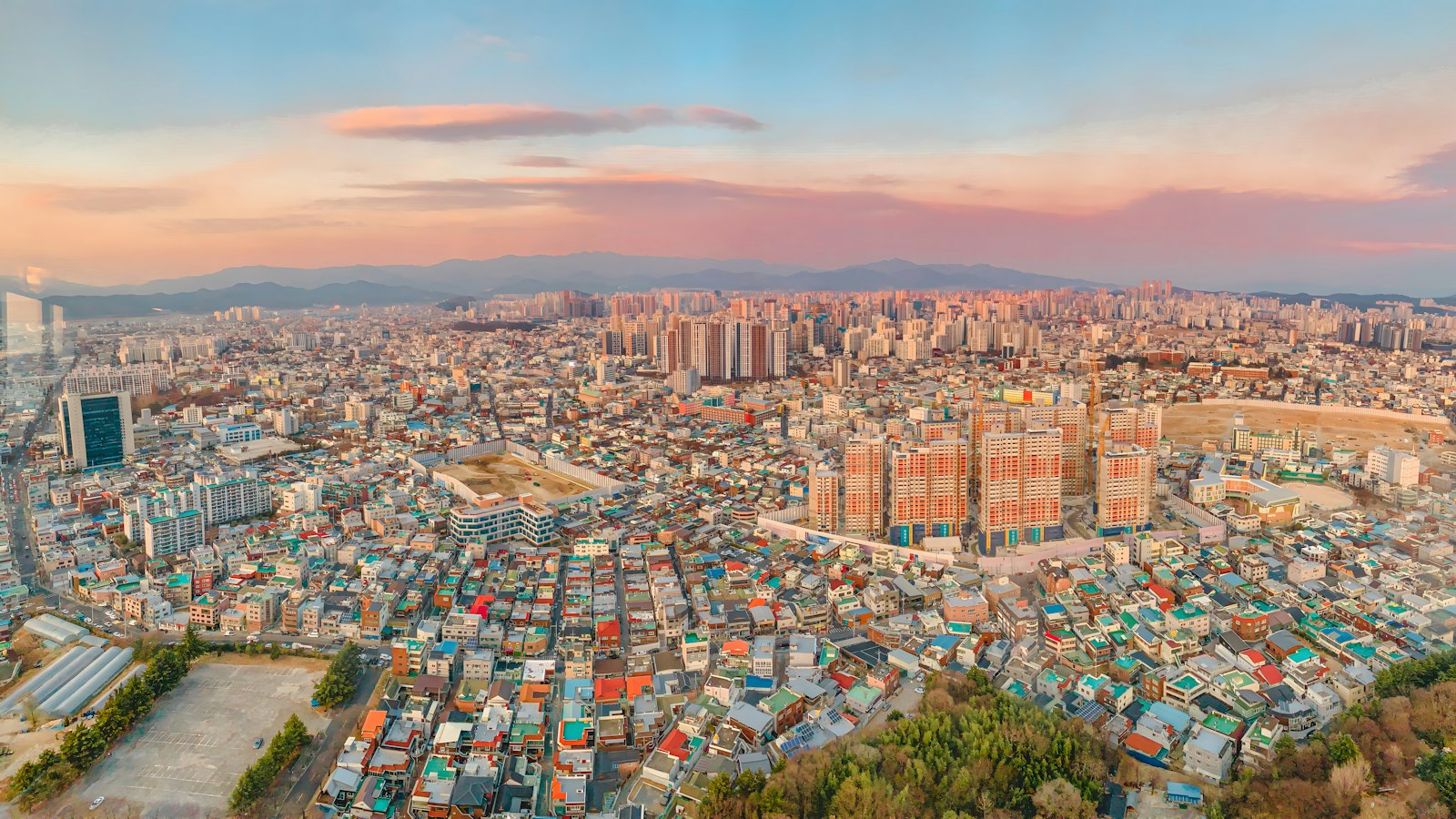
Daegu offers Malaysian travellers a different view of urban South Korea from Seoul or Busan. Its appeal comes from lively markets, herbal medicine streets, fiery regional cooking and mountains within easy reach of the subway. The city also works well as a base for Donghwasa temple and the walking routes around Palgongsan. Planning matters because no nonstop KLIA flight is currently listed, and finding suitable food for Muslim visitors takes more effort than it does in Seoul. This guide explains practical routes, airport transport, entry requirements, halal considerations and likely expenses in Malaysian ringgit.
Getting There: Kuala Lumpur to Daegu
As of September 2026, airlines do not list a nonstop service between Kuala Lumpur International Airport and Daegu International Airport, whose code is TAE. Most trips need at least one stop, and some itineraries involve two connections. Search results may route through Seoul or Hong Kong, sometimes combining flights with a train or requiring separately issued tickets. The quickest workable journeys are often about 8 to 12 hours, but poor connection timing can extend the trip considerably.
Amaboxly checked fares on 21 September 2026. The lowest one-way TAE option found for 24 October cost RM2,138 and involved Cathay Pacific, Korean Air and two stops. The median one-way result was RM2,207. Other searches showed Seoul-linked journeys beginning at RM1,396 and Hong Kong-linked choices from RM2,276, although their baggage terms and connection arrangements were not identical.
Confirm your departure terminal and connection details when booking, since these can vary by airline and date. Before choosing a low fare, establish whether your bags travel through automatically. Separate bookings can mean entering the country, collecting luggage and allowing a substantial connection margin.
Reaching Central Daegu from the Airport
Daegu International Airport sits close to the built-up city, and a road journey to central neighbourhoods usually takes about 20 to 35 minutes in flowing traffic. There is no subway station inside the terminal. Passengers must begin by bus or taxi, or make a brief road connection to the metro. The estimates below use an approximate conversion of 330 won for RM1.
- Local bus: Routes serve Dongdaegu, downtown districts and nearby subway stations. With a transport card, expect a regular fare of approximately 1,500 to 1,800 won, or RM4.50 to RM5.50. Travel normally takes 30 to 60 minutes, depending on the service and traffic.
- Bus plus subway: Ride a bus or take a short taxi trip to a station such as Ayanggyo, then continue by rail. This works best when your hotel is near a subway stop and you are travelling lightly.
- Taxi: A metered ride to Dongseong-ro or another central area commonly costs 12,000 to 22,000 won, approximately RM36 to RM67, and lasts 20 to 35 minutes. Congestion and late-night conditions can increase the amount.
Show the driver your address in Korean, since English proficiency varies.
Choosing an Area to Stay
Daegu occupies a broad basin, so accommodation near a subway station is more useful than a cheaper room on the remote outskirts. A central base keeps markets, nightlife and Dongdaegu Station within manageable reach.
- Dongseong-ro and Jung-gu: Ideal for a first visit, with shopping, cafes, restaurants and the Modern Culture Alley nearby. The streets remain active after dinner.
- Dongdaegu Station: Convenient for KTX journeys and intercity connections. Shopping and transport are concentrated here, although the atmosphere is practical rather than historic.
- Banwoldang: A central interchange served by two subway lines, making it easy to reach downtown, southern Daegu and Seomun Market.
- Suseong-gu: A calmer and more refined district close to Suseongmot Lake. Couples and families may prefer its evening walks to crowded commercial streets.
Basic guesthouses and simple rooms can begin at roughly RM100 to RM180 a night. A comfortable mid-range stay often falls between RM220 and RM380, with higher prices during festivals and busy weekends.
Essential Daegu Sights and Experiences
- Seomun Market: Explore a large traditional market filled with textiles, affordable clothes, dumplings and snack vendors. The evening stalls create a livelier mood after sunset.
- Apsan Park: Hike or use the cable car for an expansive view across the city basin. A clear late afternoon is particularly rewarding.
- Kim Gwangseok-gil Street: See murals celebrating the influential Korean musician, alongside small businesses and occasional performances.
- Modern Culture Alley: Walk between churches, preserved houses and landmarks connected with Daegu's recent history.
- Daegu Yangnyeongsi: Visit the herbal medicine museum and browse nearby traders selling teas, roots and traditional ingredients.
- Palgongsan: Reserve at least half a day for forest paths, cooler temperatures and seasonal scenery outside the centre.
- Donghwasa: Experience a historic Buddhist temple on Palgongsan while following respectful dress and visitor etiquette.
- Suseongmot Lake: Take an uncomplicated evening walk beside the water with local residents.
- E-World and 83 Tower: Choose this area for family rides, entertainment and high-level views of Daegu.
Local Dishes and Food Districts
Daegu's food is often robust, spicy and intended for sharing late into the evening. Makchang, one of its best-known dishes, consists of grilled beef or pork intestines with sauce. Ordering the beef version does not make the meal halal when pork, cooking surfaces or utensils are shared.
Jjimgalbi features beef ribs cooked with garlic, chilli and a salty seasoning in a metal bowl. Diners should ask whether the kitchen uses alcohol, unsuitable stock or common preparation equipment. Ttaro gukbap presents rice separately from beef soup. Napjak mandu are thin, flattened dumplings usually topped with vegetables and chilli. Mungtigi is raw sliced beef and should only be considered at a trusted restaurant after checking halal requirements.
Seomun Market provides an accessible introduction to everyday snacks. Anjirang is famous for its makchang businesses, while Jung-gu offers the widest assortment of Korean and international restaurants. Possible alternatives include plain fish, tofu, meat-free bibimbap and some baked goods. Even with these choices, confirm every broth, dressing, alcoholic ingredient and cross-contact risk.
Halal Meals and Places to Pray
Muslim visitors can travel comfortably in Daegu with advance research, but the city has far fewer clearly certified restaurants than Seoul. Seafood, vegetarian cooking and signs advertising no pork are not proof of halal preparation. Alcohol, meat stock and equipment shared with non-halal dishes may still be involved. A limited number of Muslim-run businesses offer South Asian, Central Asian or Middle Eastern cooking.
Daegu Islamic Center is the principal local contact for communal worship and information about the Muslim community. University neighbourhoods and the central districts are sensible places to investigate dining options. Restaurant details can change, so check recent entries on KakaoMap, Naver Map or Muslim travel applications and speak with the business when certification is important.
Prayer facilities are uncommon at many attractions and shopping centres. Ask staff if a private, clean room can be used, and carry a small prayer mat with a qibla application. Travellers who prepare their own meals can find fruit, eggs, seafood and packaged groceries in larger supermarkets. A translation tool helps with Korean ingredient lists.
Transport Within Daegu
Three subway lines provide dependable access to most central attractions. A typical trip costs about 1,500 to 2,000 won, equivalent to approximately RM4.50 to RM6, with the exact charge affected by distance and payment type. T-money and Cashbee cards are accepted on city buses and the metro. They simplify transfers and remove the need to purchase individual tickets. Convenience stores sell and reload them, although cash is useful when a machine rejects an overseas card.
Buses cover places beyond the rail network and form part of several routes toward the mountains. KakaoMap and Naver Map generally provide clearer Korean transit information than global mapping services. Urban stops and vehicle displays frequently include English, but countryside connections can require closer attention.
Grab is not Daegu's usual taxi platform. Residents commonly use Kakao T, while official taxi queues offer an easy alternative. Overseas card registration can fail, so choose payment inside the vehicle when the application permits it. Many central rides cost 6,000 to 15,000 won, about RM18 to RM45. Walking is enjoyable within each neighbourhood, but the major sights are too dispersed for an entirely pedestrian itinerary.
Four Days in Daegu
- Day 1: Settle into Jung-gu or Banwoldang and explore the Modern Culture Alley. Continue through the herbal medicine quarter, followed by an evening around Dongseong-ro. This light schedule suits travellers recovering from a connecting trip out of Kuala Lumpur.
- Day 2: Visit Seomun Market while its daytime traders are operating. After lunch, walk along Kim Gwangseok-gil Street and circle Suseongmot Lake later in the day. Muslim visitors should select and confirm their dinner venue beforehand.
- Day 3: Allocate most of the day to Palgongsan and Donghwasa. Verify the final return service before undertaking a lengthy trail, take sufficient water and expect autumn crowds to slow the outing.
- Day 4: Head to Apsan Park in the morning, deciding between a trail and the cable car according to fitness and conditions. Use the afternoon for shopping or visit E-World and 83 Tower with children.
For a three-day stay, place the central attractions together on the first day and remove either Suseongmot Lake or the amusement park.
Money, Connectivity and Travel Tips
The local currency is the South Korean won. For rough calculations, 1,000 won is close to RM3, although the exchange rate changes. Cards work at most chains and many restaurants, while notes remain helpful at traditional markets, older ticket machines and small independent shops. DuitNow QR is not routinely supported, so carry both an internationally enabled card and some cash.
An eSIM arranged before departure is a convenient choice for an unlocked handset. Tourist SIM cards and portable Wi-Fi units are sold at major Korean arrival points, but Daegu Airport may offer fewer options. Mobile data is valuable for KakaoMap, Naver Map and instant translation.
Electricity is supplied at 220V through round Type C and Type F sockets. Malaysian three-pin equipment needs a suitable adapter. Tipping is generally unnecessary. Daegu is usually manageable for people travelling alone, provided they take normal care around busy roads, nightlife and packed markets. Decline unofficial taxi approaches and suspicious exchange offers. Confirm the destination before a taxi departs, and store insurance information plus a passport copy separately from the original document.
Before you go
- Best time to go
- April, May, October and early November offer Daegu's most agreeable conditions. Spring generally provides mild temperatures and blossoms, while autumn brings clearer views and colourful hillsides around Palgongsan. Summer feels hot, humid and wet, though visitors interested in fried chicken culture may enjoy the Daegu Chimac Festival. Winters are dry and cold, with occasional sub-zero temperatures, but rooms may cost less away from holiday dates. Korean national holidays, festival periods, popular foliage weekends and Malaysian school breaks can make flights and hotels more expensive. Reserve centrally located accommodation and transport toward the mountains earlier for peak seasonal weekends.
- Visa for Malaysians
- As of September 2026, Malaysian passport holders can make visa-free South Korea visits of up to 90 days. People from age 18 through 64 must secure K-ETA approval before boarding. Submit applications at k-eta.go.kr only. It costs 10,000 won, usually takes no more than 72 hours and remains valid for three years unless the passport is replaced. The Korean Embassy in Malaysia recommends applying a month before travel. Visitors who are no older than 17 or at least 65 do not require K-ETA, but they must complete an arrival card. The free electronic version becomes available during the three days preceding departure. Approved K-ETA passengers do not submit this card. Bring proof of onward or return travel, avoid employment during the visit and use a passport valid throughout the stay. Embassy guidance recommends retaining over six months of validity. Recheck k-eta.go.kr before departure.
- Honest budget guide
- Allow approximately RM250 to RM450 per traveller for each day in Daegu before international airfare. Simple lodging can cost RM100 to RM180 per night, compared with roughly RM220 to RM380 for a comfortable mid-range room. Daily meals may require RM70 to RM140, and urban transport about RM20 to RM50. Budget separately for day excursions, cable cars and amusement rides. Amaboxly's 21 September 2026 check found TAE one-way tickets from RM2,138 and a median price of RM2,207. Some Seoul-linked results began at RM1,396, although their connection formats differed. Including return flights, accommodation, food and local travel, four days will often cost RM5,300 to RM7,500 per person. All amounts are estimates, and two people sharing a room can lower the individual expense.
Frequently asked questions
Do Malaysians need a visa for Daegu?
As of September 2026, Malaysian citizens can visit South Korea without a visa for as long as 90 days. Passengers from 18 through 64 require prior K-ETA approval. Those outside that age range must instead provide an arrival card. Use k-eta.go.kr for applications and verify the conditions again shortly before travelling.
Is there a direct flight from Kuala Lumpur to Daegu?
No nonstop KLIA to Daegu flight appears in schedules as of September 2026. Available journeys normally make at least one connection at a larger Asian hub. Certain results involve two stops or mix air travel with ground transport. For separately ticketed segments, check baggage collection requirements and leave enough time to complete any necessary immigration procedures.
How many days are enough for Daegu?
Three days provide time for central neighbourhoods, Seomun Market, Apsan Park and an evening leisure area. Choose four days if Palgongsan and Donghwasa are priorities, since that excursion is better without a rushed return. An additional day can help when using Daegu for regional train trips or arriving late after a long connection.
Is Daegu Muslim-friendly?
Daegu has an Islamic centre, a resident Muslim community and several Muslim-owned places to eat, but formally certified halal dining remains scarce. Research restaurants before each outing, discuss ingredients with staff and take a portable prayer mat. Neither meat-free nor seafood dishes guarantee suitability because cooking alcohol, stock and equipment may introduce non-halal elements.
What is the best month to visit Daegu?
October stands out for moderate temperatures, relatively clear weather and autumn colours appearing across the surrounding mountains. April and May also suit long outdoor walks. July and August are usually humid and extremely warm. Winter can appeal to visitors who are comfortable in the cold and want a quieter break that may offer lower accommodation prices.
How much money do I need for four days in Daegu?
Plan on roughly RM5,300 to RM7,500 each when indicative return airfare, a room, meals and transport within the city are all included. Without flights, a budget or moderate four-day stay can fit within RM1,000 to RM1,800. Shopping, frequent taxi use, attraction tickets and paying alone for accommodation will raise the final amount.
Can I use Grab in Daegu?
Grab is not the service normally used to summon a taxi in Daegu. Kakao T is the leading local application, although overseas phone registration and card processing do not always work smoothly. If possible, select the option to pay the driver directly. Official taxi stands are dependable, and showing the destination in Korean reduces confusion.
Can I use a T-money card in Daegu?
Yes. Daegu buses and subway gates accept T-money, making it convenient for ordinary fares and transfers. Cashbee provides similar compatibility. Convenience stores usually sell both cards and can add credit to them. Retain a small amount of cash because certain reload machines or counters may not process a foreign bank card.
Jom pergi
Ready to go Daegu? Compare available flights and hotels for your dates. Check baggage, cancellation terms and the final total on the booking provider before paying.






