




On this page13 sections
- Overview
- Getting there from KL: non-stop flights to Kansai
- Kansai Airport to Kyoto: Haruka, bus or taxi
- Where to stay in Kyoto
- Things to do in Kyoto
- What to eat in Kyoto
- Halal food, mosques and prayer spaces
- Getting around Kyoto: buses, subway and taxis
- Sample itinerary: 4 days in Kyoto
- Money, SIM and practical tips
- Day trips: Nara, Uji and Osaka shopping
- Before you go
- FAQ
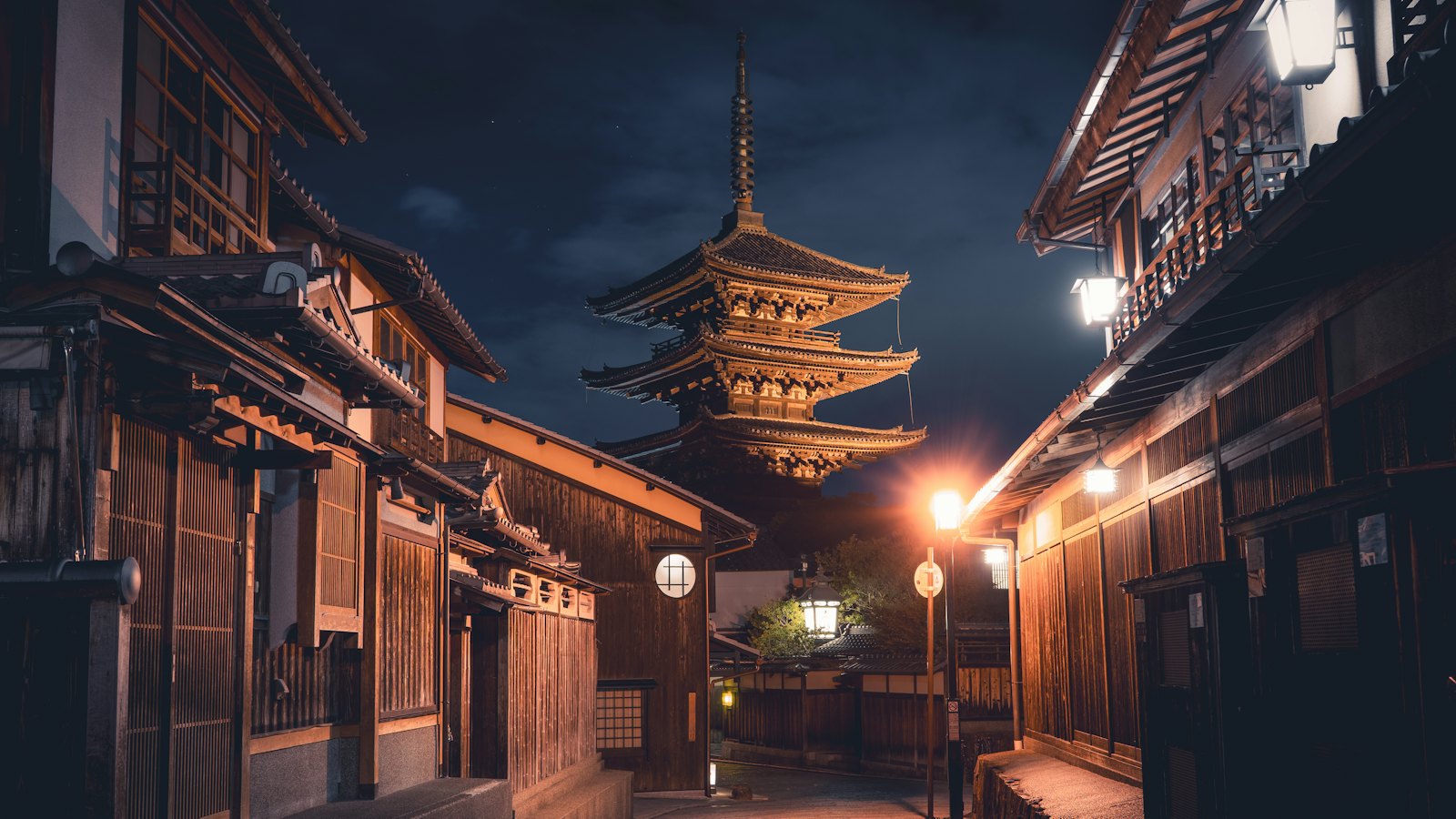
Kyoto was Japan's imperial capital for over a thousand years, and the city still wears it: wooden townhouses, temple gates on almost every street and moss gardens raked into neat lines. Malaysians come for cherry blossoms and red maples, kimono walks in Gion, matcha in every form and day trips to Nara's deer. There is no airport in Kyoto itself, so you fly into Kansai International and ride in by train or bus. Here are the non-stop flights from KLIA, the ride into town, halal food and prayer spaces, buses, and real costs in ringgit, checked in September 2026.
Getting there from KL: non-stop flights to Kansai
Kyoto has no airport, so KLIA flights land at Kansai International Airport (KIX), an island airport in Osaka Bay roughly 75 to 100 minutes from Kyoto Station. Three Malaysian carriers fly there non-stop at the time of writing, taking roughly six to seven hours in the air, and Kyoto clocks run one hour ahead of KL.
- AirAsia X: KLIA Terminal 2, normally daily, with extra rotations on some days until 23 October 2026. Its 2am departure lands before 10am.
- Malaysia Airlines: KLIA Terminal 1, a daily overnight service. From 15 January 2027 it moves to the newer A330-900neo, leaving KL around 10:40pm and landing before 6am.
- Batik Air Malaysia: KLIA Terminal 1, a few overnight flights a week, with one more weekly flight planned from February 2027.
AirAsia also flies to Kansai with a stop in Taiwan, mainly via Taipei.
At the time of writing, our fare scan of KL departures (28 September 2026) shows one-way fares to Kansai from about RM 650 on Vietjet, changing in Ho Chi Minh City or Hanoi, with the middle of the pack near RM 740 one-way. The scan picked up no non-stop fares, so check the three carriers' own sites and sales too, and confirm which KLIA terminal your ticket names.
Kansai Airport to Kyoto: Haruka, bus or taxi
Kansai Airport station links directly to the second floor of Terminal 1. Fares below are indicative, converted at about 38.5 yen per ringgit.
- JR Haruka: the quickest ride, straight to Kyoto Station in around 75 to 90 minutes. Foreign visitors can buy the HARUKA One-way Ticket for 2,200 yen (about RM 57), or 1,100 yen per child, instead of the regular fare of roughly 3,000 yen or more. It is only sold outside Japan, so reserve on JR-West's online site or through an overseas agent and collect it with your passport.
- JR rapid trains via Osaka: roughly 1,900 yen (RM 50), at least one change, around 95 to 110 minutes.
- Airport Limousine Bus: 2,800 yen (about RM 73), children half price, 85 to 90 minutes to the Hachijo side of Kyoto Station. The first bus leaves Terminal 1 around 6:45am and the last around 11:20pm. Seats from Kyoto back to the airport must be reserved.
- Shared shuttle vans: door to door, booked ahead, about 4,300 to 6,000 yen per person.
- Taxi: the airport's own estimate is about 43,000 yen (RM 1,120) including tolls, plus 20 percent between 10pm and 5am. Uber, DiDi and GO pick up from a marked stand on the arrivals floor.
Travelling light, take the Haruka; with a mountain of luggage, consider the van.
Where to stay in Kyoto
Kyoto's sights spread east, west and south of the centre, so choose a base by how you will move. Rooms can jump 50 to 100 percent during blossom and maple weeks, so lock in those dates early.
- Kyoto Station: the practical first-timer pick. The Haruka, the airport bus, JR lines to Fushimi Inari, Uji and Nara, and the main bus terminal are all here, with plenty of hostels and business hotels.
- Shijo-Karasuma and Kawaramachi: downtown, near Nishiki Market and the department stores, served by the subway, Hankyu and Keihan. Several halal-certified restaurants are close by, so Muslim families can walk to dinner.
- Gion and Higashiyama: teahouses, Yasaka Shrine and the stone slopes up to Kiyomizu-dera. Mostly ryokan and upscale hotels, ideal for honeymooners.
- Okazaki and Sakyo: museums, Heian Shrine and Nanzen-ji in a residential setting, near the prayer room at Kyoto International Community House and in the same ward as Kyoto Central Masjid.
Hotels also add Kyoto's accommodation tax per guest per night: 200 yen below 6,000 yen, 400 yen up to 19,999 yen and 1,000 yen from 20,000 yen, climbing higher for luxury stays.
Things to do in Kyoto
Crowds are the main challenge, so start early and save the headline sights for weekday mornings.
- Fushimi Inari Taisha: thousands of vermilion torii gates climbing Mount Inari, two stops from Kyoto Station on the JR Nara Line.
- Kiyomizu-dera: a wooden temple on tall pillars above the city, reached via the shop-lined slopes of Kiyomizu-zaka and Ninen-zaka.
- Gion and Hanamikoji: the geiko quarter, best at dusk. Keep out of lanes marked private and never trail geiko for photos.
- Arashiyama: the bamboo grove, Tenryu-ji's garden and Togetsukyo Bridge. Arrive before 8am to beat the crowds.
- Kinkaku-ji: the gold-leaf pavilion reflected in its pond.
- Nijo Castle: a shogun's palace whose wooden floors chirp underfoot, with a room for Muslim prayer on request (entry ticket needed).
- Nishiki Market: a covered lane of pickles, sweets and snacks. Ask about pork, alcohol and fish stock before buying.
- Philosopher's Path: a canal walk to Ginkaku-ji, prettiest in spring and autumn.
- Kimono rental: hugely popular with Malaysians, and two Yumeyakata branches even offer a small prayer room (book ahead).
- Rainy days or kids: the Kyoto International Manga Museum, Kyoto Aquarium and Kyoto Railway Museum.
What to eat in Kyoto
Kyoto cooking is gentler and more seasonal than Osaka's, leaning on tofu, vegetables, pickles and clear broths.
- Yudofu: tofu warmed in kelp broth, a speciality near Nanzen-ji and in Arashiyama.
- Shojin ryori: Buddhist temple cuisine with no meat or fish, served in beautiful lacquer sets.
- Obanzai: Kyoto home cooking, a spread of small seasonal side dishes.
- Kaiseki: the many-course seasonal dinner, the big splurge in Gion.
- Matcha: parfaits, soft serve, noodles and cakes, much of it made with tea from Uji.
- Nama yatsuhashi: soft rice-flour parcels around red bean paste, the souvenir box every office expects.
- Tsukemono: Kyoto pickles, sold from barrels in Nishiki Market.
- Nishin soba: buckwheat noodles crowned with sweet simmered herring.
In summer, restaurants beside the Kamo River open raised terraces called noryo yuka for dining over the water.
Muslim travellers should know that meat-free is not the same as halal. Mirin and cooking sake contain alcohol, dashi normally uses bonito flakes, and matcha desserts can hide pork gelatin, so read the next section before ordering.
Halal food, mosques and prayer spaces
Halal dining in Kyoto needs planning, but it works. Certification comes from private Japanese bodies rather than JAKIM, and places fall into three tiers: halal-certified, Muslim-friendly (no pork or alcohol on the menu, shared kitchen) and vegetarian spots where you still ask about mirin. The Kyoto Muslim Association and a local Sharia and halal council vet listings on the Muslim Friendly Kyoto website.
- Downtown: the biggest cluster. NAVITIME's July 2026 guide lists Mabrur Halal Dining (Indian) near Nishiki Market, La Baraka (Moroccan) in the same area and Ayam-Ya halal ramen at Shijo-Karasuma, all as certified.
- Gion and Sanjo: Honolu Premier Kyoto Gion (halal wagyu bowls) and Naritaya near Sanjo Keihan (ramen and udon), both certified.
- Kyoto Station: several Muslim-friendly Indian and Pakistani restaurants.
- Arashiyama and Fushimi Inari: almost nothing, so eat first.
Kyoto Mosque, near the Imperial Palace, opens Tuesday to Saturday from 12pm to 6pm, and its Friday prayers run at 12:30, 1pm and 1:30pm for men. Kyoto Central Masjid in Sakyo ward holds daily prayers (times set by regular attendees) and two Jumu'ah sessions, at about 12:15pm and 12:55pm at the time of writing. Free prayer spots include Kyoto International Community House (closed Mondays), Kyoto Handicraft Center and Nijo Castle (ask staff; the castle needs an entry ticket), and a restaurant prayer room in Arashiyama for its diners. Kansai Airport has prayer rooms in Terminal 1, on the third floor and by the international gates. Handy apps: Halal Gourmet Japan, Halal Navi and Muslim Pro.
Getting around Kyoto: buses, subway and taxis
Buses reach almost everything but crawl and fill up in peak season, so pair them with trains.
- City buses: 230 yen (about RM 6) flat in the central zone, paid as you exit with cash or an IC card; credit cards and the Japan Rail Pass are refused. The EX100 and EX101 sightseeing expresses charge 500 yen, paid on boarding.
- Subway: two lines, Karasuma running north to south and Tozai east to west, costing 220 to 360 yen.
- Day passes: the Subway and Bus 1-Day Pass (1,100 yen, about RM 29) covers city buses, the subway and most Kyoto Bus and Keihan Bus routes, worthwhile from about five rides.
- ICOCA card: 2,000 yen from JR ticket machines, including at Kansai Airport station, of which 500 yen is a refundable deposit. iPhone users can add ICOCA to Apple Wallet instead.
- Trains: JR for Fushimi Inari and Arashiyama, Keihan for Gion, Hankyu for Kawaramachi.
- Taxis: Kyoto meters begin around 500 yen. The GO and Uber apps both hail licensed cabs in Kyoto. Grab has no drivers of its own in Japan; its Ride Abroad feature books partner cars there for some Southeast Asian accounts, paid from a GrabPay wallet, but Grab's Malaysian help pages do not list it, so do not count on it.
City officials plan to charge non-residents about 350 to 400 yen per central bus ride from fiscal 2027, so expect bus costs to rise.
Sample itinerary: 4 days in Kyoto
This four-day plan suits first-timers and keeps each day in one part of the city.
- Day 1: Ride the Haruka from Kansai to Kyoto Station and check in. At sunset, walk the Kamo River banks and the lantern-lit alley of Pontocho, then eat at a halal restaurant around Sanjo or Gion.
- Day 2: Be at Fushimi Inari by 7am and climb until the crowds thin. Then head to Kiyomizu-dera and walk down Sannen-zaka and Ninen-zaka towards Yasaka Shrine. Halal lunch in Gion, and Hanamikoji at dusk.
- Day 3: Catch an early train to Saga-Arashiyama for the bamboo grove, Tenryu-ji and Togetsukyo Bridge, with snacks in your bag. Continue to Kinkaku-ji after lunch and return downtown for dinner near Shijo-Kawaramachi.
- Day 4: Nijo Castle at opening time, then Nishiki Market and the Teramachi arcade for matcha and yatsuhashi. On a Friday, men can pray Jumu'ah at Kyoto Mosque. Take an afternoon Haruka to Kansai, leaving time for the new tax refund check.
Staying longer? Add Nara or Uji from the final section.
Money, SIM and practical tips
- Currency: the Japanese yen. At the time of writing RM 10 buys roughly 385 yen, and a 10,000 yen note is worth about RM 260.
- Paying: Visa and Mastercard work in hotels, department stores, chains and convenience stores, but buses take only cash or IC cards and many small temples and stalls want cash. Keep 10,000 to 20,000 yen on you.
- Touch 'n Go eWallet: works at Japanese merchants displaying the Alipay+ logo, including big convenience store chains.
- New tax-free rules from 1 November 2026: shops charge the full price with consumption tax, and the shop refunds it after a customs check (kiosk or Visit Japan Web) in the departure lobby before check-in at Kansai. Spend must reach 5,000 yen before tax per shop per day, and every item on the receipt must leave Japan with you, with food and cosmetics unused.
- Departure tax: Japan's International Tourist Tax rose to 3,000 yen on 1 July 2026 and is normally added to your fare.
- Data: set up a Japan eSIM at home for maps, halal apps and bus arrivals.
- Power: Japan uses two-flat-pin Type A sockets on 100 volts, so pack a converter plug.
- Tipping: never expected.
- Safety: Kyoto is very safe; the real risk is summer heat above 35 degrees Celsius, so keep drinking water.
Day trips: Nara, Uji and Osaka shopping
Kyoto sits at the heart of the Kansai rail network. JR-West's Kansai Area Pass allows unlimited JR travel around Kyoto, Osaka, Nara and Kobe plus the Haruka, so compare it with single tickets if you plan several outings.
- Nara: about 45 minutes on the JR Miyakoji Rapid for 720 yen (around RM 19). Bowing deer in Nara Park and the giant Buddha of Todai-ji delight children. Hide deer crackers until you are ready, as the deer are pushy.
- Uji: a short hop down the JR Nara Line to the home of Kyoto's matcha. Tea shops crowd the approach to Byodo-in, the temple on the 10 yen coin.
- Osaka: 30 to 50 minutes by JR. Dotonbori's neon, the Shinsaibashi arcade and Umeda's department stores make a lively last night before flying out of Kansai.
- Rinku Premium Outlets: about six minutes' walk from Rinku Town station, one stop from Kansai Airport, for last-minute shopping before an evening flight.
Halal food is thin near most of these sights, so eat before setting out or pack lunch.
Before you go
- Best time to go
- Late March to early April (cherry blossoms) and late November to early December (autumn maples) are Kyoto's finest weeks, but also its most crowded and expensive. For 2026 the Japan Meteorological Corporation predicts ginkgo colour peaking near 27 November and maples near 11 December, around normal to slightly late. Tsuyu, the rainy spell, lasts from early June into mid-July, and summer afternoons can top 35 degrees Celsius, although July brings the Gion Matsuri float parades on the 17th and 24th. The Jidai Matsuri procession is on 22 October 2026. Mid-January to February is chilly, seldom snowy and cheapest for rooms. Malaysia's year-end school break (4 or 5 December to 31 December 2026, by state) coincides with the late foliage, so book early.
- Visa for Malaysians
- As of September 2026, Malaysian citizens with a chip-enabled ePassport may visit Japan without a visa for stays of up to 90 days, provided they do not take paid work. The foreign ministry in Tokyo limits the waiver to ePassports meeting ICAO standards and advises anyone without one to get a visa first. No fee or online approval is needed yet; an electronic authorisation called JESTA is planned by fiscal 2028. Filling in Visit Japan Web before departure produces QR codes for immigration and customs, so you skip the paper cards. Your passport should cover the whole trip. Check the current position on mofa.go.jp, or with the Japanese Embassy in Kuala Lumpur, shortly before you travel.
- Honest budget guide
- Expect to spend around RM 270 to RM 700 per person per day on the ground in Kyoto, sharing a room, mostly depending on your hotel. Flights: at the time of writing our fare scan shows connecting one-way fares from about RM 650, so a return runs roughly RM 1,300 to RM 1,500. Rooms per night: hostels about RM 100 to RM 205, budget business hotels RM 285 to RM 490, mid-range RM 530 to RM 940, more in peak weeks. Allow RM 80 to RM 180 a day for halal meals. Local transport adds RM 20 to RM 35 a day, plus about RM 115 for the Haruka both ways. Five days and four nights, mid-range for two sharing, works out near RM 3,400 to RM 4,800 each with flights. All figures are indicative.
Frequently asked questions
Do Malaysians need a visa to visit Kyoto?
No visa is required. Malaysians with an ICAO-compliant ePassport get up to 90 days visa-free in Japan as of September 2026, with no fee or pre-registration. Filling in Visit Japan Web before you fly gives QR codes that speed up immigration and customs at Kansai Airport.
Can I fly direct from KL to Kyoto?
Not to Kyoto itself, which has no airport. AirAsia X (KLIA Terminal 2), Malaysia Airlines and Batik Air Malaysia (both Terminal 1) fly non-stop to Kansai International near Osaka in roughly six to seven hours, and the Haruka then reaches Kyoto Station in roughly 75 to 90 minutes.
Which is the best way to reach Kyoto from Kansai Airport?
For most visitors, the JR Haruka with the discounted one-way ticket for foreign tourists: 2,200 yen (about RM 57), direct to Kyoto Station, bought online before arrival. The limousine bus costs 2,800 yen, and JR rapid trains via Osaka save a few hundred yen but need a change.
Is Kyoto Muslim-friendly?
Reasonably, if you plan ahead. Kyoto Mosque and Kyoto Central Masjid host Friday prayers, and places such as Kyoto International Community House offer free prayer space. Certified halal restaurants gather downtown and in Gion, while Arashiyama and Fushimi Inari have almost none, so carry snacks and use Halal Gourmet Japan.
How many days in Kyoto is enough?
Four days covers Fushimi Inari, Kiyomizu-dera, Gion, Arashiyama, Kinkaku-ji, Nijo Castle and Nishiki Market without rushing. Add a day for Nara or Uji, and another if you want an Osaka night before flying home. In blossom or maple season, allow extra time for crowds.
What is the best month to visit Kyoto?
Late March to early April for cherry blossoms and late November to early December for maples are the favourites, though hotel prices can double. In 2026 the maples are forecast to peak a little late. For quieter streets and lower prices, go between mid-January and February.
What does a 5-day Kyoto trip cost from Malaysia?
Roughly RM 3,400 to RM 4,800 per person for five days and four nights, mid-range and sharing, including connecting flights from about RM 650 one-way. Day-to-day spending runs RM 270 to RM 700 depending on your hotel. All numbers are indicative.
Can I use Grab in Kyoto?
Not in any way you should rely on. Grab has no drivers of its own in Japan, and its Ride Abroad partner service is not listed for Malaysian accounts, so set up GO or Uber before you fly. Both apps call licensed Kyoto taxis and take overseas cards, or you can simply hail a cab on the street or join a taxi rank.
Jom pergi
Ready to go Kyoto? Compare available flights and hotels for your dates. Check baggage, cancellation terms and the final total on the booking provider before paying.






