




On this page12 sections
- Overview
- Getting there from KL: flights, terminals and fares
- Pudong Airport to the city: maglev, metro or Didi
- Where to stay in Shanghai
- Things to do in Shanghai
- What to eat in Shanghai
- Halal food and prayer spaces in Shanghai
- Getting around Shanghai: metro, Didi and taxis
- Sample itinerary: 4 days in Shanghai
- Money, SIM and practical tips
- Before you go
- FAQ
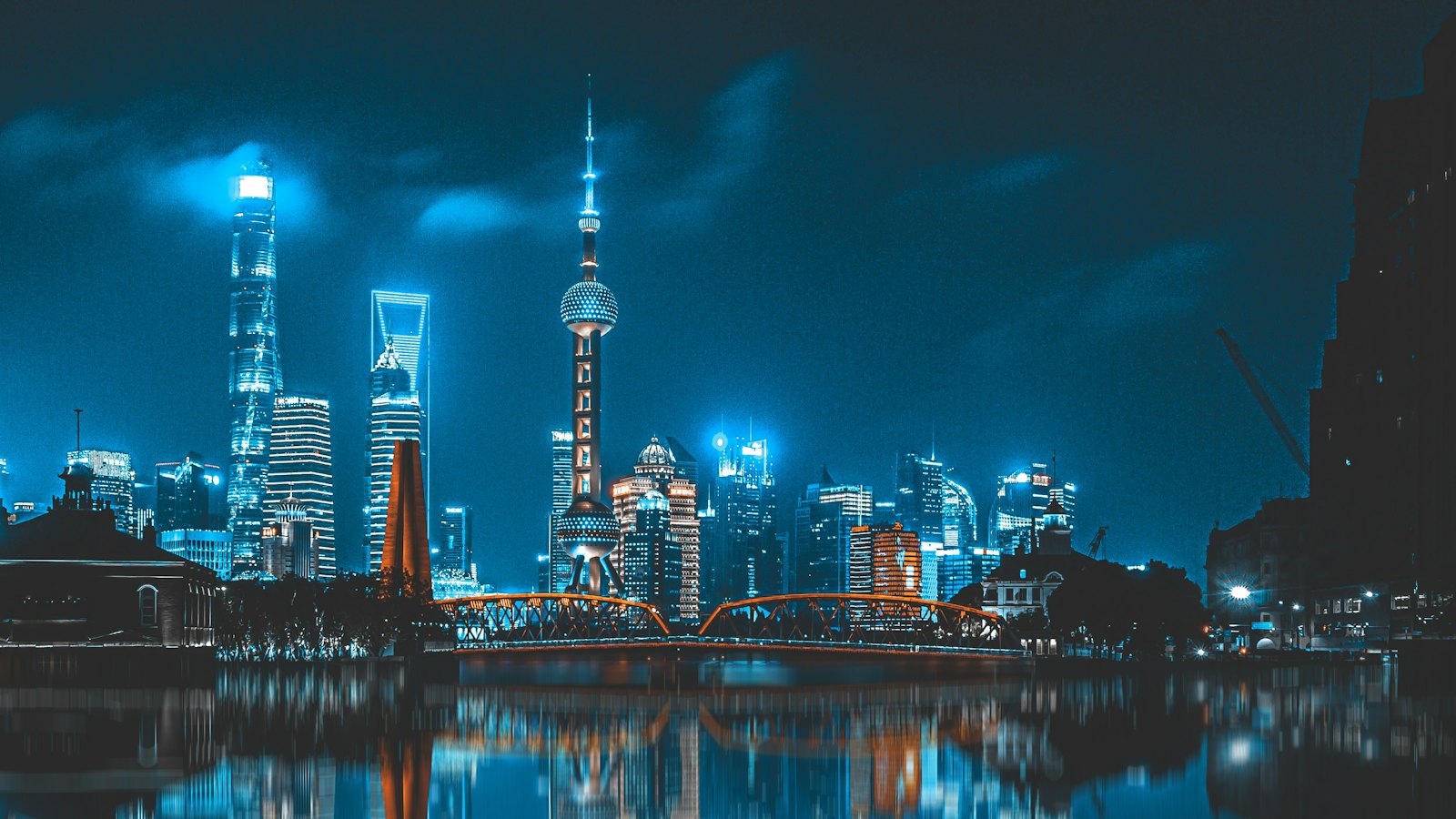
Shanghai is China's largest and most international city: 1920s banks line the Bund, the Lujiazui towers glow across the Huangpu River, and a maglev covers the first 30 km from the airport in about eight minutes. For Malaysians it has rarely been simpler. Ordinary passports get up to 30 days visa-free, six airlines fly non-stop from KLIA and the flight takes around five and a half hours. Below is what a KL traveller actually needs: the right terminal, the RM 5 metro ride into town, where the Muslim-run qingzhen restaurants and mosques are, how to pay in a city that runs on Alipay, and what a trip really costs in ringgit.
Getting there from KL: flights, terminals and fares
Few big Chinese cities are as well served from Malaysia. At the time of writing, six airlines link KLIA and Shanghai Pudong (PVG) non-stop: Malaysia Airlines, AirAsia X, Batik Air, Shanghai Airlines, Juneyao Air and Spring Airlines. Batik Air added a daily flight in late June 2026. Flights take roughly 5 to 6 hours, and there is no time difference.
Terminals matter at KLIA. AirAsia X leaves from Terminal 2, while Malaysia Airlines, Batik Air and Shanghai Airlines use Terminal 1. For Juneyao Air and Spring Airlines, check the terminal on your booking before you set off. Compare departure times too: an evening flight from KL lands in the small hours, which suits some travellers and not others.
In Amaboxly's KL fare scan (data from 14 September 2026), the cheapest one-way seat was about RM 476, non-stop on Spring Airlines, with a median near RM 545 and the priciest results around RM 855. When non-stop seats are dear, one-stop fares via Hanoi started near RM 498 and via Shenzhen near RM 567. Budget airlines charge extra for bags and meals, and prices move daily, so read them as indicative.
Pudong Airport to the city: maglev, metro or Didi
Flights from KLIA arrive at Pudong Terminal 1 or Terminal 2 depending on the airline. The airport sits about 30 km east of the centre, with the maglev and metro station between the two terminals. Prices are indicative, at about ¥1 to RM 0.61.
- Maglev plus metro: the maglev reaches Longyang Road in about 8 minutes for ¥50 (about RM 30), or ¥40 (about RM 24) with a same-day air ticket. From the airport it runs from about 7am to roughly 9:40pm, every 15 to 20 minutes. At Longyang Road, walk roughly 300 metres to Metro Line 2 and clear security again. Allow about 50 minutes in total to People's Square.
- Metro Line 2 only: about ¥7 to ¥8 (around RM 5) but 75 to 90 minutes, and some trips need a change at Guanglan Road. Last trains leave around 10pm.
- Airport bus: Line 2 runs to the City Air Terminal near Jing'an Temple in about 90 minutes for roughly ¥22 to ¥24 (RM 13 to RM 15), and a few routes run late at night.
- Taxi: about ¥160 to ¥250 (RM 100 to RM 150), 45 minutes off-peak and 70 or more at rush hour. Use the official rank.
- Didi: around ¥150 to ¥230 (RM 90 to RM 140), fare shown upfront.
- Airport Link Line: about ¥26 (RM 16) and under 40 minutes to the Hongqiao hub, for fast trains to Suzhou or Hangzhou.
Where to stay in Shanghai
Shanghai sprawls, so stay near Metro Line 2, which links the airport, Pudong and the old centre.
- People's Square and East Nanjing Road: the most practical first-timer base. Lines 1, 2 and 8 meet here, the Bund is walkable and the Muslim-run restaurants of Zhejiang Middle Road are close. Expect crowds at night.
- The Bund and the Old City: heritage facades, river views and an easy walk to Xiaotaoyuan Mosque and Yu Garden. Bund-view rooms cost more, back streets less.
- Jing'an: calmer and polished, with Jing'an Temple and the West Nanjing Road malls. Good for couples and shoppers, and airport bus Line 2 ends nearby.
- Lujiazui in Pudong: towers, business hotels, Line 2 to the airport and Pudong Mosque nearby, but most halal dining is across the river.
Rough nightly rates: hostel beds ¥80 to ¥250 (RM 50 to RM 150), three-star hotels ¥400 to ¥800 (RM 245 to RM 490), four-star ¥800 to ¥1,500 (RM 490 to RM 915), higher in Golden Week and at Chinese New Year. For very cheap guesthouses, check that the listing confirms it takes foreign passport holders.
Things to do in Shanghai
Most visits swing between the old west bank of the Huangpu and the skyscrapers of Pudong opposite.
- The Bund: walk the river promenade at dusk as the Lujiazui towers switch on. Free, and the defining Shanghai view.
- Shanghai Tower: the floor 118 deck is about 546 metres up, around ¥180 (about RM 110). Go an hour before sunset.
- Yu Garden and the Old City: rockeries, pavilions and ponds for about ¥30 to ¥40 (RM 18 to RM 24), wrapped in a lively souvenir bazaar.
- Nanjing Road: neon and department stores at the East end, luxury malls at the West.
- Former French Concession: plane-tree avenues such as Wukang Road, cafes and the lanes of Tianzifang.
- Huangpu River: take the ferry across or an evening cruise.
- Zhujiajiao water town: canals and stone bridges in the western suburbs, on Metro Line 17.
- Shanghai Disneyland: tickets are date-priced, from about ¥475 (about RM 290) midweek and more at weekends and holidays. Do not assume anything on the standard menus is halal, so plan meals ahead.
- Gucun Park cherry blossoms: the 2026 festival ran 9 March to 9 April, with day entry at ¥20.
- Suzhou or Hangzhou: fast trains from Hongqiao reach Suzhou in around half an hour and Hangzhou in roughly 45 minutes to an hour. Carry your passport, since tickets are linked to it.
What to eat in Shanghai
Local cooking is sweet and savoury, built on soy sauce, sugar and rice wine. The headline dishes are xiaolongbao (soup dumplings), shengjianbao (pan-fried buns with crisp bottoms), hongshao rou (red-braised pork belly), scallion oil noodles and, in autumn, hairy crab. Non-Muslim readers will find dumpling houses throughout the Old City around Yu Garden and near People's Square, with snacks at about ¥15 to ¥40 (RM 9 to RM 25).
Muslim travellers should know that these classics usually involve pork, lard or Shaoxing wine, so skip Shanghainese specialities unless a qingzhen (Muslim) kitchen makes its own version.
Chinese Muslim food fills the gap. Order Lanzhou hand-pulled beef noodles, Xinjiang lamb skewers, dapanji (chicken and potato stewed with chilli over wide noodles), shou zhua fan (lamb pilaf from a shared platter), Ningxia lamb or a steaming mutton hotpot. Lamb is what these kitchens do best. A casual sit-down meal costs roughly ¥60 to ¥150 (RM 37 to RM 90) a head. Flavours can feel mild to Malaysian palates, so pack a jar of sambal.
Halal food and prayer spaces in Shanghai
Mainland China has no JAKIM-style halal certification system, so halal dining here rests on the 清真 (qingzhen) sign, meaning Muslim or halal, and on who runs the kitchen. Most qingzhen restaurants in Shanghai are run by Chinese Muslims, often Hui or Uyghur families. They serve no pork and many skip alcohol, but ask if that matters. A "no pork" note at an ordinary restaurant is not the same. Search 清真 in Amap or Dianping.
- Zhejiang Middle Road, near People's Square and East Nanjing Road, has several Muslim-run places serving Xinjiang and Chinese Muslim food.
- Lanzhou noodle shops, in nearly every district, are the quickest halal meal.
Mosques: - Xiaotaoyuan Mosque (52 Xiaotaoyuan Street, Old City): the largest in Shanghai and busy at Friday prayers, so come early. A separate women's mosque stands at 24 Xiaotaoyuan Street. - Fuyou Road Mosque: a working mosque dating from 1870, a short walk from Yuyuan Garden station. - Huxi Mosque (Changde Road, Putuo): with its own butcher shop. - Pudong Mosque: near Yuanshen Sports Center station, handy for Lujiazui, with a women's prayer section. - Songjiang Mosque: the oldest in the city, founded in the Yuan dynasty and rebuilt in 1391, near Zuibaichi Park station on Line 9.
Do not count on a public prayer room at Pudong Airport, as traveller reports conflict, so pray before leaving your hotel and pack a travel mat. Disneyland has no prayer room, and Muslim travel guides advise calling the resort a few days ahead to ask about a halal meal.
Getting around Shanghai: metro, Didi and taxis
The metro is the fastest and cheapest way around. Fares start at ¥3 for 6 km and add ¥1 for each further 10 km, so central hops cost ¥3 to ¥6 (about RM 2 to RM 4). Signs are bilingual.
Ways to pay: - Tap and ride: contactless Visa and Mastercard cards work at the gates, the simplest option. - QR codes: link Alipay or WeChat Pay to the Shanghai Metro (Metro Daduhui) ride code and scan at the gates. - Passes: ¥18 (about RM 11) for one day or ¥45 (about RM 27) for three days of unlimited metro rides. - Shanghai Public Transportation Card: usually ¥100 upfront including a ¥20 deposit. It works on buses too, and switching from bus to metro within two hours takes ¥1 off.
Grab does not operate in China. Use Didi: the DiDi app has an English interface and translates chat messages for the driver, though many visitors find the Didi mini-program inside Alipay less fiddly. Rides within the centre, by Didi or taxi, typically cost ¥30 to ¥60 (RM 18 to RM 37).
Metered taxis are everywhere, but few drivers speak English, so save your hotel address in Chinese and ignore touts. Google Maps is unreliable in China; Amap (Gaode) now has an English version and accurate transit routes.
Sample itinerary: 4 days in Shanghai
Four days covers the essentials at an easy pace. This plan assumes a hotel near People's Square.
- Day 1: Land at Pudong, take the maglev and Line 2 into town and check in. Walk East Nanjing Road to the Bund for the evening lights, then eat on Zhejiang Middle Road.
- Day 2: Yu Garden and the Old City lanes in the morning, with Friday prayers at Xiaotaoyuan Mosque if the day lines up. Cross the river to Lujiazui and ride up Shanghai Tower before sunset.
- Day 3: Former French Concession in the morning (Wukang Road, then Tianzifang), Jing'an Temple and the West Nanjing Road malls after lunch, and a night river cruise.
- Day 4: Pick one: Shanghai Disneyland for the full day, a half day in Zhujiajiao, or a fast train to Suzhou's gardens. Leave for the airport in good time, remembering the last maglev is at about 9:40pm.
A fifth day fits Hangzhou and West Lake nicely. If rain hits your Bund evening, swap days: the skyline is half the reason to come.
Money, SIM and practical tips
China pays by phone, so set things up in Malaysia before you fly.
- Currency: the yuan (CNY or RMB). At the time of writing RM 1 buys about ¥1.64, so ¥100 is roughly RM 61.
- Alipay and WeChat Pay: both take linked Visa and Mastercard cards after passport checks. Alipay adds no fee on payments up to ¥200 and 3% on the whole amount above that.
- Touch 'n Go eWallet: accepted by Alipay+ merchants in mainland China, with the rate shown before you confirm. PayNet's DuitNow cross-border QR covers places such as Singapore, Indonesia and Thailand, not China, so it will not help here.
- Backup: carry some yuan in notes in case a phone payment fails.
- Internet: on a Chinese SIM or hotel wifi you lose Google, WhatsApp, Instagram and Facebook. Malaysian roaming and most travel eSIMs send data abroad, so those apps usually work. Install Amap, Didi and Alipay first.
- Power: 220V, and the sockets (types A, C and I) will not take a Malaysian three-pin plug without an adapter.
- Tipping: nobody expects it.
- Scams: Shanghai is generally safe, but around Nanjing Road and the Bund, friendly "students" still lure visitors to teahouses where the bill runs into thousands of yuan. Walk on.
- Passport: carry it daily, as hotels, trains and some sights ask for it.
Before you go
- Best time to go
- Spring (April to May) and autumn (mid-September to November) are Shanghai's sweet spots, with mild, mostly dry days made for walking. October usually sits around 17 to 24°C, and the 2026 Shanghai Tourism Festival runs from 1 September to 6 October. Steer clear of National Day Golden Week (the first week of October), when domestic crowds and room rates spike, and expect a similar squeeze around Chinese New Year. The plum rains soak June and early July, and midsummer brings 35°C-plus heat and the odd typhoon storm. Winter (December to February) is damp and cold at roughly 3 to 11°C, which catches out Malaysian families using the December school holidays. Pack real jackets, though rooms are often cheaper then. Cherry blossoms peak at Gucun Park from late March into early April.
- Visa for Malaysians
- Malaysian ordinary passport holders can visit China without a visa for stays of up to 30 days each time, and no more than 90 days in total within any 180 days, as of September 2026. The rule comes from a mutual visa exemption agreement that took effect on 17 July 2025, covering holidays, family visits, business, exchanges and medical treatment. Work, study, media jobs or longer stays need a visa. Your passport needs at least six months left on it, and it helps to carry your return flight and hotel details. Most foreigners must also file an arrival card, online before departure via the National Immigration Administration (s.nia.gov.cn), its NIA 12367 app or Alipay and WeChat mini-programs, or on arrival. Hotels register guests for you; in a private home, register with police within 24 hours. Rules can change, so re-check them on my.china-embassy.gov.cn, the site of China's embassy in Kuala Lumpur, before you book.
- Honest budget guide
- A lean Shanghai trip costs roughly RM 250 to RM 400 per person per day, and a mid-range one about RM 600 to RM 1,000, before flights. At the time of writing the cheapest one-way seat in our KL fare scan was about RM 476, with a median near RM 545, so a return ticket usually lands near RM 1,000 to RM 1,200 outside peak weeks. Beds: hostels about ¥80 to ¥250 (RM 50 to RM 150), three-star hotels about ¥400 to ¥800 (RM 245 to RM 490) a night. Food: RM 60 to RM 120 a day. Transport: metro rides of ¥3 to ¥10 cost RM 10 to RM 25 a day, plus RM 30 per maglev ride. Shanghai Tower is near RM 110 and Disneyland from roughly RM 290. Five days for one person, flights included, comes to roughly RM 2,500 to RM 3,200 lean or RM 4,200 to RM 6,000 mid-range. Treat every figure as indicative.
Frequently asked questions
Do Malaysians need a visa for Shanghai?
Not for a holiday. As of September 2026, Malaysians on ordinary passports can spend up to 30 days per trip in mainland China without a visa, within 90 days in any 180. You need six months of passport validity and an arrival card, which can be filed online before the flight. Work and study still need a visa.
Is there a direct flight from KL to Shanghai?
Yes, several. Malaysia Airlines, AirAsia X, Batik Air, Shanghai Airlines, Juneyao Air and Spring Airlines all fly KLIA to Pudong non-stop at the time of writing, in roughly 5 to 6 hours. AirAsia X uses Terminal 2, while Malaysia Airlines, Batik Air and Shanghai Airlines use Terminal 1. The lowest one-way fare in our KL scan was about RM 476.
Is Shanghai Muslim-friendly?
Yes, with some planning. Restaurants are not formally halal certified, but Muslim-run qingzhen places serving Lanzhou noodles and Xinjiang lamb are easy to find, especially around People's Square. Xiaotaoyuan Mosque in the Old City holds Friday prayers. Prayer rooms are scarce at the airport and Disneyland, so plan prayers around your hotel.
Can I use Grab in Shanghai?
No. Grab works only in Southeast Asia. In Shanghai, use Didi, either through the DiDi app with its English interface or through the Didi mini-program inside Alipay, which many visitors find simpler. Metered taxis are plentiful too, and the metro is the cheapest option, with central trips of ¥3 to ¥6.
How many days in Shanghai is enough?
Four days is right for a first visit: the Bund, Lujiazui, Yu Garden, the Former French Concession and one extra such as Disneyland or Zhujiajiao. Add a day or two for Suzhou or Hangzhou, each about an hour or less away by fast train, and a week-long trip needs no domestic flights at all.
What is the best month to visit Shanghai?
October, as long as you avoid National Day Golden Week in the first week of the month. Days are usually 17 to 24°C with little rain. April and May are also lovely. June has the plum rains, July and August are sticky and hot, and December to February is cold, something Malaysian families on year-end school holidays should pack for.
What does a 5-day Shanghai trip cost from Malaysia?
Roughly RM 2,500 to RM 3,200 per person on a budget, or RM 4,200 to RM 6,000 mid-range, return flight included. Without flights, a lean day runs roughly RM 250 to RM 400. Hotels and paid sights take most of the money, since metro rides cost only a few ringgit. These figures are indicative.
Can I use Touch 'n Go eWallet or my Malaysian card in Shanghai?
Yes, with limits. Touch 'n Go eWallet pays at Alipay+ merchants in mainland China, and a Malaysian Visa or Mastercard can be linked to Alipay or WeChat Pay (fee-free up to ¥200, then 3%). Contactless cards also open metro gates. DuitNow QR does not work in China, so keep some cash.
Jom pergi
Ready to go Shanghai? Compare available flights and hotels for your dates. Check baggage, cancellation terms and the final total on the booking provider before paying.






