




On this page13 sections
- Overview
- Getting there from KL: flights and connections
- Chubu Centrair Airport to the city
- Where to stay in Nagoya
- Things to do in Nagoya
- What to eat: Nagoya meshi explained
- Halal food, mosques and prayer spaces
- Getting around: subway, passes and taxis
- Sample itinerary: 4 days in Nagoya
- Money, SIM and practical tips
- Day trips: Ghibli Park, Inuyama and Takayama
- Before you go
- FAQ
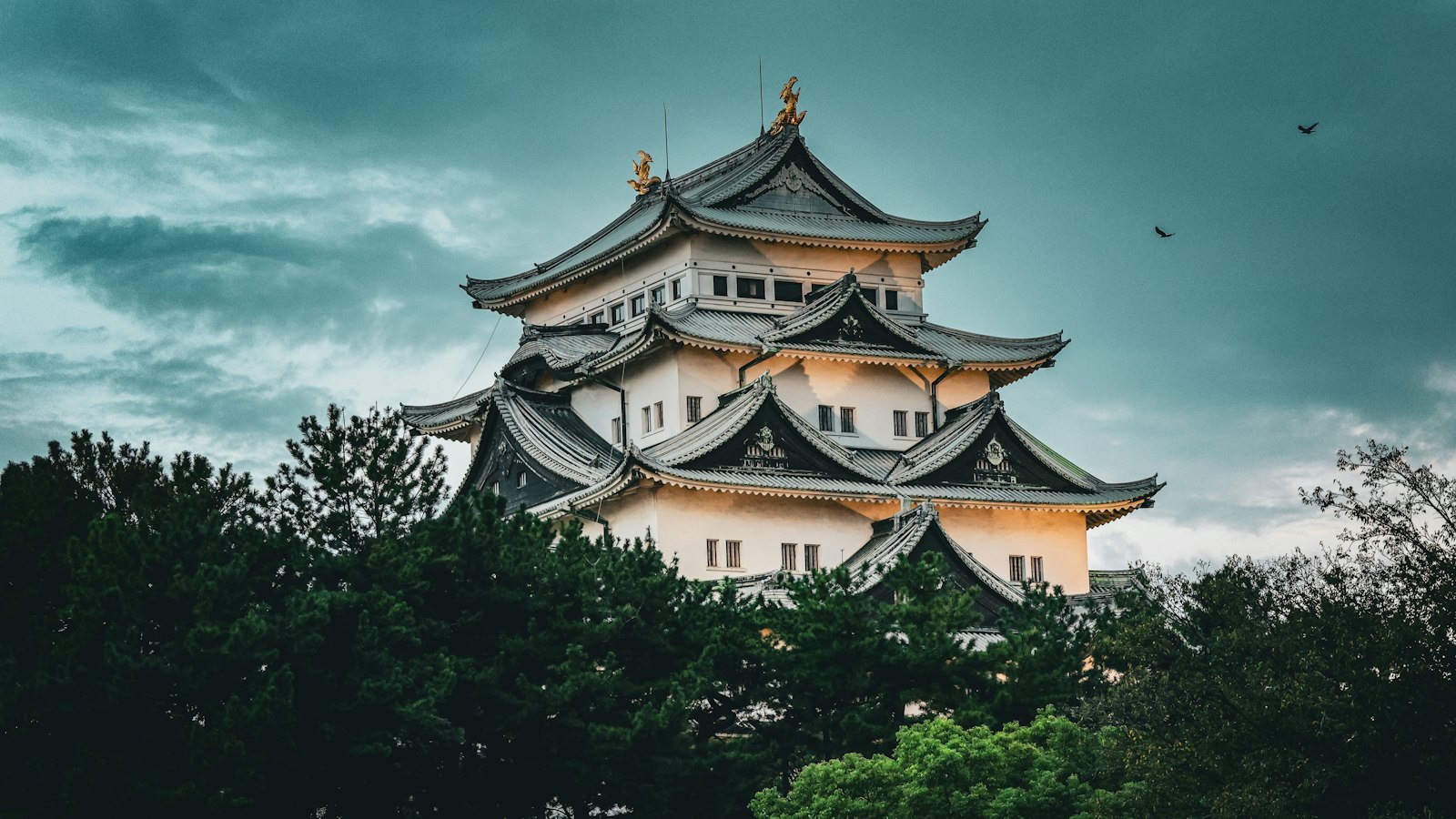
Nagoya is Japan's fourth-largest city and the gateway to central Japan, yet many Malaysians only glimpse it from a Shinkansen window. It deserves a stop: a golden-roofed castle, one of the country's great shrines, train and car museums that thrill kids, Ghibli Park on the edge of town and a food culture found nowhere else in Japan. This guide covers what KLIA travellers need: why every route currently involves a connection, visa-free entry on a Malaysian passport, the 29-minute train from Centrair, halal food and mosques, day trips and a realistic ringgit budget.
Getting there from KL: flights and connections
No airline flies non-stop between KLIA and Nagoya's Chubu Centrair International Airport (NGO) at the time of writing. Centrair's own timetable for September and October 2026 shows no Kuala Lumpur departures, so every trip from Malaysia needs one change. Japan is one hour ahead of Malaysia.
Connections on Centrair's current schedule: - Bangkok: Thai Airways from Suvarnabhumi, plus Thai AirAsia X from Don Mueang, which appears on the timetable from late September 2026. - Hanoi: Vietjet and Vietnam Airlines. Ho Chi Minh City: Vietnam Airlines. - Manila, Singapore, Taipei and Hong Kong: Philippine Airlines, Cebu Pacific, Singapore Airlines, China Airlines, Starlux and Cathay Pacific among others.
Amaboxly's KL fare scan (updated 22 September 2026) turned up one-way tickets starting near RM 650 on Vietjet through Hanoi. AirAsia with Thai AirAsia X, or THAI, via Bangkok began around RM 1,000, and China Airlines via Taipei around RM 1,660.
At KLIA, AirAsia and AirAsia X use Terminal 2, while Malaysia Airlines, Vietjet, Thai Airways and China Airlines use Terminal 1, so check your e-ticket.
The other popular option: fly non-stop to Osaka (Kansai) or Tokyo and ride the Shinkansen. The fastest Nozomi needs 49 minutes from Shin-Osaka and about 1 hour 35 minutes from Tokyo.
Chubu Centrair Airport to the city
Centrair sits on an island south of Nagoya, and the Meitetsu railway does most of the work. Prices are indicative, at roughly 38.5 yen to RM 1.
- Meitetsu to Meitetsu Nagoya: 980 yen (about RM 25). The all-reserved μSKY takes 29 minutes and needs a 450 yen μticket on top, about RM 37 in total; the ordinary Limited Express takes 38 minutes with no supplement.
- Meitetsu to Kanayama or Jingu-mae: 910 yen (24 minutes on μSKY) and 830 yen (21 minutes), the second being the stop for Atsuta Jingu.
- Paying: airport gates accept contactless Visa, Mastercard, JCB, Amex and UnionPay at adult fares, one card per person. Manaca, Suica and other IC cards work too.
- Airport bus: Centrair's 2025 listing showed buses to Sakae and Fushimi for about 2,000 yen (RM 52, roughly 55 minutes), plus an early and late-night run to Nagoya Station's west side for about 1,500 yen. Check the current timetable before relying on them.
- Taxi: Centrair estimates 16,000 yen (about RM 415) and 50 minutes to Nagoya Station, plus tolls. Pre-booked shared shuttles start from 3,980 yen per person.
Centrair also offers same-day baggage delivery to hotels around Nagoya Station and Sakae if you hand bags in at Terminal 1 by late morning.
Where to stay in Nagoya
- Nagoya Station (Meieki): the best all-rounder. Airport trains, the Shinkansen and highway buses leave from here, and Masjid Nagoya is a short ride west at Honjin. Ideal for first-timers, families and day-trippers.
- Sakae: the shopping and dining heart around Oasis 21 and Mirai Tower, with department stores and late dinners. Airport buses stop here. Good for shoppers and couples.
- Fushimi: one stop from both Nagoya Station and Sakae, lined with business hotels that often cost a little less. Practical for short stays.
- Kanayama and Osu: Kanayama is 24 minutes from the airport and near Atsuta Jingu; Osu, a short hop north, has the arcades and a halal-certified kebab counter. Suits budget travellers and Muslim visitors who want easy food.
Rooms get scarce and pricey during big events such as the Asian Games (19 September to 4 October 2026) and July's sumo tournament, so book those dates early.
Things to do in Nagoya
- Nagoya Castle: walk the grounds and the rebuilt Hommaru Palace. The tower keep is closed while it is rebuilt in wood, and adult admission rises from 500 yen to 1,000 yen on 1 October 2026.
- Atsuta Jingu: one of Japan's most important shrines, said to date back around 1,900 years and home to the sacred Kusanagi sword.
- Osu Kannon and the Osu arcades: an old temple beside covered streets of secondhand fashion, electronics, snacks and anime shops.
- Oasis 21 and Mirai Tower: Sakae's glass-roofed park and bus terminal and the old TV Tower beside it, best after dark.
- SCMAGLEV and Railway Park: JR Central's museum of Shinkansen and maglev trains at Kinjo-futo, on the Aonami Line from Nagoya Station, with LEGOLAND Japan next door.
- Toyota Commemorative Museum of Industry and Technology: looms to motorcars, near Nagoya Station, with a prayer space.
- Port of Nagoya Public Aquarium: a big day out for kids.
- Sumo: the Nagoya Grand Sumo Tournament runs every July.
- Castle illumination: the "Be GOLD" night event lights up Nagoya Castle from 19 September to 4 October and again from 18 to 24 October 2026.
What to eat: Nagoya meshi explained
Locals call their cooking Nagoya meshi: rich, sweet and heavy on miso.
- Hitsumabushi: grilled eel over rice, eaten three ways (plain, with condiments, then with broth).
- Tebasaki: peppery glazed fried chicken wings, an izakaya staple.
- Miso katsu: fried pork cutlet under thick red miso sauce.
- Kishimen: wide, flat wheat noodles in a light broth.
- Miso nikomi udon: firm udon simmered in miso in a clay pot.
- Tenmusu: small rice balls hiding a prawn tempura.
- Taiwan ramen: an extra-spicy bowl invented in Nagoya, not Taiwan.
- Ankake spaghetti: thick pasta in a peppery, starchy sauce.
- Ogura toast and "morning": cafés add toast or an egg free with morning coffee, and ogura toast comes spread with sweet red bean.
The station area, Sakae and Osu have the most choice. A frank note for Muslim readers: miso katsu and Taiwan ramen are pork dishes, tebasaki uses ordinary chicken, and eel sauces usually contain mirin, a sweet rice wine. Even seafood dishes can hide mirin, sake or pork stock, so ask. Ogura toast is usually the easy win.
Halal food, mosques and prayer spaces
Masjid Nagoya, at 2-26-7 Honjin-dori in Nakamura-ku, is about six minutes on foot from Exit 3 of Honjin Station on the Higashiyama Line. It has an ablution area at street level, a women's prayer hall one floor up and men's halls above that. A second mosque, Nagoya Port Masjid, is near Inaei Station on the Aonami Line.
Aichi's official tourism site lists, at the time of writing: - Halal-certified: Mega Kebab in the Centrair Terminal 1 food court (4th floor) and in Osu; Karaage 178 in Kita-ku for fried chicken; and the Toyota Commemorative Museum, whose listing asks you to reserve ahead. - Muslim-friendly policy: Yamamotoya's Okute branch, for miso nikomi udon, with a prayer space. Muslim-friendly is a step below certification, so ask how the kitchen is run. - Prayer spaces: Centrair (Terminal 1 arrivals lobby, plus one airside in the international departure area), AEON Mall Nagoyachaya, the Port of Nagoya aquarium and the Toyota museum.
Places that simply say "no pork", including several hotel restaurants on Aichi's list, are not the same as halal-certified, so ask about alcohol and shared kitchens, and check whether JAKIM recognises any certificate you see. Handy tools: Halal Gourmet Japan, Aichi's free dining guide for Nagoya and Centrair, and Muslim Pro for prayer times and qibla.
Getting around: subway, passes and taxis
Six subway lines cover almost everything. The Higashiyama Line links Nagoya Station, Fushimi and Sakae, and the Meijo Line loops through Sakae and Kanayama.
- Fares: 210 to 340 yen (about RM 5.50 to RM 8.80) per subway ride; city buses charge a flat 210 yen.
- Donichi Eco Kippu: 620 yen (RM 16) for unlimited subway and city bus travel on weekends, public holidays and the 8th of each month, with discounts at some attractions.
- Any-day passes: the Bus and Subway 1-Day Ticket costs 870 yen, the Subway 24-Hour Ticket 760 yen.
- Me~guru: a sightseeing loop bus past the castle and museums, 500 yen for a day pass, with no Monday service.
- IC cards: manaca is sold from 1,000 yen, which includes a 500 yen deposit, and Suica or ICOCA work as well.
- Ride-hailing: Grab only operates in Southeast Asia, so it is no use here. GO, which says it is Japan's most-used taxi app, covers all 47 prefectures and takes international credit cards and Apple Pay.
- Taxis: metered and reliable but pricey, worth it mainly for three or four people with luggage.
Day-trip trains leave from the Nagoya Station complex.
Sample itinerary: 4 days in Nagoya
Assuming a morning arrival, which suits most connections:
- Day 1: μSKY to Meitetsu Nagoya and drop your bags. Afternoon at the Toyota Commemorative Museum, then dinner near the station and the night view from one of its towers.
- Day 2: Nagoya Castle in the morning, then Osu for a kebab lunch and the Osu Kannon arcades, ending at Oasis 21 and Mirai Tower in Sakae. On a Friday, start with Jumaat prayers at Masjid Nagoya.
- Day 3: Ghibli Park, booked two months ahead, via the Higashiyama Line and the Linimo. Families can swap in SCMAGLEV and Railway Park plus LEGOLAND Japan.
- Day 4: Atsuta Jingu in the morning, then the μSKY from Jingu-mae to the airport in 21 minutes, with a halal kebab in Terminal 1 before you fly.
A weekend Donichi Eco Kippu covers the subway on days 2 and 3 if the dates fit. With a fifth day, add Inuyama or Takayama.
Money, SIM and practical tips
- Currency: Japanese yen. At the time of writing (late September 2026), RM 1 buys about 38.5 yen, making a 1,000 yen note worth around RM 26.
- Cards and cash: cards and IC cards are widely taken (Nagoya Castle accepts Visa, Mastercard, JCB and UnionPay), but carry cash for small eateries and shrines.
- E-wallets: PayNet's cross-border DuitNow QR network does not reach Japan yet. Touch 'n Go eWallet pays at Alipay+ merchants in Japan, so it is a handy backup, not a replacement for a card.
- Tax-free shopping: from 1 November 2026 Japan switches to a refund method. You pay consumption tax in store and get it back once Customs confirms at departure that the goods are leaving. That check happens in the departure lobby before check-in, and every item on the receipt must be with you, so arrive early.
- Departure tax: the International Tourist Tax is now 3,000 yen per person, so check that your fare includes it.
- SIM: buy a Japan eSIM before flying. Meitetsu's airport trains have free Wi-Fi.
- Power: 100 volts, 60 hertz and two flat pins; Malaysian three-pin chargers need an adapter.
- Tips: not customary in restaurants, taxis or hotels.
- Safety: very safe. Watch for summer heat, typhoons and earthquakes, and install the official Safety tips app for alerts. Buy Ghibli Park tickets only from official sellers.
Day trips: Ghibli Park, Inuyama and Takayama
- Ghibli Park: in the Expo 2005 Aichi Commemorative Park at Nagakute, with five areas including Ghibli's Grand Warehouse. Reservations are compulsory and no tickets are sold at the park. Sales open two months ahead on the 10th at 2 pm Japan time (December 2026 goes on sale 10 October), through Lawson Ticket or Klook for overseas buyers. Take the Higashiyama Line to Fujigaoka, then the Linimo.
- Inuyama: a riverside castle town on the Meitetsu network, roughly half an hour beyond Meitetsu Nagoya and 57 minutes from the airport on the μSKY. Its castle keep is a national treasure.
- Takayama and Shirakawa-go: the Hida limited express reaches Takayama in about 2 hours 30 minutes, and Shirakawa-go's thatched farmhouses are a further bus ride away. Winter brings the snow many Malaysians come for.
- Korankei: a maple valley in Toyota City whose Momiji Festival falls in November, at peak autumn colour.
Before you go
- Best time to go
- Nagoya is at its best in the cherry blossom weeks around the turn of March into April and again in October and November, when daytime highs settle around 17 to 23°C. Summer is hot and humid, with August highs averaging about 33°C, and September is the wettest month, with typhoons possible. Winter is cool and mostly dry, with January highs near 9°C and little snow in the city, though Takayama turns white. Dates worth planning around: the Nagoya Grand Sumo Tournament in July, the Nagoya Festival in autumn, Korankei's maples in November and the castle's night illumination (19 September to 4 October and 18 to 24 October 2026). The Asian Games fill hotels from 19 September to 4 October 2026. Most Malaysian states close schools from 5 December until the year ends, so December fares climb.
- Visa for Malaysians
- As of September 2026, Malaysians can stay in Japan without a visa for a maximum of 90 days, provided they hold an ICAO-standard ePassport, which every current Malaysian passport is. According to Japan's foreign ministry, Malaysians without such a passport should obtain a visa first or face strict checks and possible refusal. There is nothing to apply for or pay online today; Japan has announced a future pre-screening system called JESTA, but it is not yet running. Register your immigration and customs details on Visit Japan Web, the Digital Agency's free service, and show its QR codes on arrival. Expect fingerprints and a photo at the counter, and have your onward flight and accommodation details ready. Six months of passport validity is a sensible buffer. Confirm the rules on mofa.go.jp, or check with Japan's embassy in KL, a week or two before departure.
- Honest budget guide
- Budget roughly RM 250 to RM 550 a day for each traveller in Nagoya, excluding flights, with the hotel making most of the difference. Flights: at the time of writing, Amaboxly's KL scan showed one-way tickets from about RM 650 (Vietjet via Hanoi) and a middle fare of about RM 1,000, so two one-way legs come to roughly RM 1,300 to RM 2,000. A plain business hotel room runs about 8,000 to 14,000 yen (RM 210 to RM 360) a night, and a comfortable mid-range hotel 15,000 to 25,000 yen (RM 390 to RM 650). Allow RM 80 to RM 150 a day for food, RM 20 to RM 40 for local transport, and about RM 37 each way for the μSKY airport train. Put together, five days with flights and a shared mid-range room comes to about RM 2,700 to RM 4,300 per traveller. All figures are indicative.
Frequently asked questions
Do Malaysians need a visa to visit Nagoya?
No. As of September 2026, holders of a Malaysian ePassport, which covers all current passports, get visa-free tourist stays of up to 90 days in Japan. Nothing needs to be paid or applied for online yet, although Japan plans a system called JESTA. Filling in Visit Japan Web beforehand is optional but speeds up arrival.
Is there a direct flight from KL to Nagoya?
Not at the time of writing. Centrair's September and October 2026 timetable has no Kuala Lumpur flights, so you connect once, usually in Bangkok, Hanoi, Manila, Singapore or Taipei. Our scan found one-way tickets from about RM 650 with Vietjet via Hanoi. Some travellers fly non-stop to Osaka or Tokyo and continue by Shinkansen.
How do I get from Centrair Airport to Nagoya Station?
Take Meitetsu. The μSKY reaches Meitetsu Nagoya in 29 minutes for 980 yen plus a 450 yen μticket, about RM 37 altogether, while the ordinary Limited Express takes 38 minutes without the supplement. Contactless Visa, Mastercard and JCB cards work at the gates. A taxi costs around 16,000 yen (about RM 415) plus tolls.
Is Nagoya Muslim-friendly?
Reasonably, with planning. Masjid Nagoya near Honjin Station has separate halls for men and women, and there is a second mosque near Nagoya Port. Aichi's tourism site lists halal-certified kebab counters at Centrair and in Osu, and prayer spaces at the airport, a large AEON mall, the port aquarium and the Toyota museum. Most local dishes contain pork or mirin.
Can I use Grab in Nagoya?
No. Grab works only in Southeast Asia. Download GO, a leading Japanese taxi app that covers every prefecture and accepts international credit cards and Apple Pay. The subway is usually quicker and far cheaper, at 210 to 340 yen a ride, and the weekend Donichi Eco Kippu day pass costs just 620 yen.
How many days in Nagoya is enough?
Three to four days covers the castle, Atsuta Jingu, Osu, Sakae and one big outing such as Ghibli Park or the SCMAGLEV and Railway Park. A fifth day allows Inuyama or the 2 hour 30 minute train to Takayama. Many Malaysians pair a few nights here with Osaka, under an hour away by Shinkansen, or Tokyo.
What does a 5-day Nagoya trip cost from Malaysia?
Expect about RM 2,700 to RM 4,300 each, flights included, for a mid-range stay sharing a room. That assumes RM 1,300 to RM 2,000 for two one-way fares, a room at RM 390 to RM 650 a night split two ways, and RM 100 to RM 190 a day for meals and transport. Backpackers can spend much less. Treat these numbers as a rough guide.
What is the best month to visit Nagoya?
April and November are the sweet spots. Early April brings cherry blossoms at Nagoya Castle, with April highs averaging about 20°C, while November has maples at Korankei and highs near 17°C. Skip August if you dislike heat, with highs averaging about 33°C, and remember September is the rainiest month. December is cold, dry and busy with Malaysian school holidays.
Jom pergi
Ready to go Nagoya? Compare available flights and hotels for your dates. Check baggage, cancellation terms and the final total on the booking provider before paying.






