




On this page12 sections
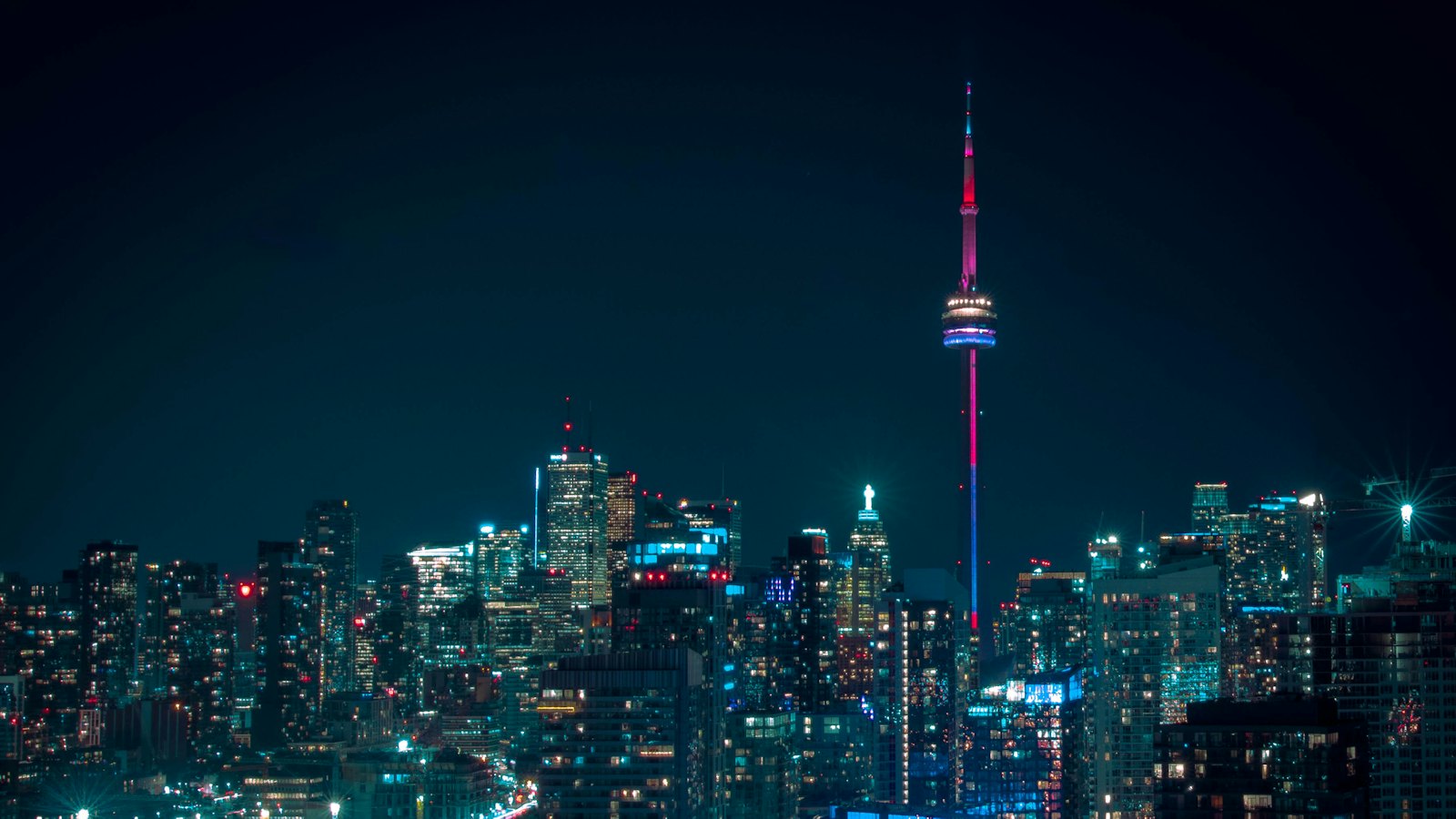
Toronto is Canada's biggest city, shaped by neighbourhoods, lakefront parks, major museums and food from almost every corner of the world. For Malaysians, it is an easy city to navigate once the long journey from KL is behind you: public transport covers the main sights, card payments are standard, halal meals are widely available and Niagara Falls works well as a day trip. This guide explains the current one-stop flight options, airport transfers, visa or eTA rules, realistic costs in ringgit, seasonal weather and where to base yourself. Pack for Toronto's changeable climate, even if the forecast looks straightforward.
Getting There from Kuala Lumpur
There is no direct flight listed between Kuala Lumpur International Airport and Toronto Pearson International Airport (YYZ) as of September 2026. Most journeys require at least one stop and take roughly 20 to 26 hours in total, although a long connection can push the trip beyond 30 hours.
Common one-stop combinations seen from Kuala Lumpur include Etihad via Abu Dhabi, Qatar Airways or Malaysia Airlines with Qatar Airways via Doha, EVA Air or Malaysia Airlines with EVA Air via Taipei, Philippine Airlines via Manila, and Emirates with Air Canada via Dubai. Schedules change, so check that both sectors appear on one ticket and confirm baggage transfer arrangements before paying.
At the time of writing, the lowest one-way fare found is RM 2,235 with Etihad via Abu Dhabi for travel on 24 October 2026. The median one-way fare is RM 2,845. Other lowest observed routings include about RM 2,332 via Doha, RM 3,169 via Taipei and RM 3,265 via Manila. These are snapshots, not guaranteed prices.
Long-haul full-service flights generally use KLIA Terminal 1, but always follow the terminal shown on your booking. Arrive at least three hours before departure, especially if you must complete document checks at the counter.
Toronto Pearson Airport to the city
Toronto Pearson lies northwest of central Toronto. For rough conversion, CAD 1 is about RM 3.10, although card issuers and money changers use different rates.
- UP Express: The simplest public option runs between Pearson and Union Station in about 25 minutes. An adult one-way fare is around CAD 12 to CAD 13 (RM 37 to RM 40). It suits travellers staying near Union Station, the Financial District or the waterfront.
- TTC bus and subway: Take the airport bus to Kipling Station and continue by subway. A standard fare is roughly CAD 3 to CAD 4 (RM 9 to RM 12), with the transfer included when made within the permitted time. Allow about 60 to 90 minutes for downtown, depending on traffic and your final stop.
- Public bus connections: Other local buses link Pearson with transit points around the western suburbs. They are useful for accommodation outside downtown but less convenient with luggage.
- Taxi: Licensed airport taxis use regulated zone pricing. A downtown journey commonly costs around CAD 60 to CAD 80 (RM 186 to RM 248), before tip, and takes 30 to 60 minutes.
- Ride-hailing: Uber and Lyft serve designated pickup areas. Prices vary with demand and can be similar to or higher than a taxi during busy periods.
If you arrive after a very long KL journey with several bags, compare the live ride-hailing quote with the airport taxi rate before choosing.
Where to stay in Toronto
Downtown is convenient but spread out, so choose your area according to the places you expect to visit rather than treating the centre as one compact district.
- Downtown and the Financial District: Best for a first visit, short business trip or easy access to Union Station, the CN Tower and waterfront. Weekday rooms can be expensive, and some streets become quiet after office hours.
- Entertainment District: A practical base for restaurants, theatres, sporting events and nightlife. Most central attractions are walkable, but expect noise around busy venues and higher weekend rates.
- Yorkville and the Annex: Yorkville suits travellers interested in designer shopping and polished dining. The neighbouring Annex has a more relaxed feel, older streets and straightforward subway access to downtown.
- Kensington Market and Chinatown: Good for independent shops, casual food and travellers who prefer neighbourhood character over corporate towers. Check the exact distance from a streetcar or subway stop before booking.
Budget rooms or hostel beds can start around CAD 60 to CAD 110 (RM 186 to RM 341), while a comfortable mid-range private room often costs CAD 180 to CAD 300 (RM 558 to RM 930) before taxes. Summer, major events and autumn weekends can be considerably dearer.
Things to do in Toronto
- CN Tower: Go for the high city and Lake Ontario views. Visibility matters, so save it for a clear day rather than booking around a hazy forecast.
- Toronto Islands: Take the ferry from the waterfront for skyline photographs, paths and beaches. Allow half a day and bring an extra layer because the lake breeze feels cooler.
- Royal Ontario Museum: Explore major natural history and world culture collections, particularly useful on a wet or cold day.
- Art Gallery of Ontario: See Canadian and international art in a striking central building, close to Chinatown and the downtown core.
- St Lawrence Market: Browse produce, baked goods and prepared food in one of the city's best-known historic market settings.
- Distillery Historic District: Walk through preserved brick industrial buildings now occupied by galleries, shops and dining venues.
- Kensington Market: Spend a few hours among vintage shops, small grocers, murals and casual eateries, then continue into Chinatown.
- Harbourfront: Walk or cycle beside Lake Ontario, with ferries, cultural spaces and seasonal activity along the water.
- Casa Loma: Visit the grand early 20th-century mansion and gardens north of downtown.
- High Park: Choose this large green space for walking, picnics and autumn colour, especially if you need a slower day between museums.
What to eat in Toronto
Toronto's defining food experience is its range rather than a single local cuisine. Neighbourhood dining can take you from Caribbean patties and Jamaican jerk chicken to Cantonese noodles, Korean barbecue, Indian chaat, Middle Eastern grills and Ethiopian platters within a few subway stops.
Try poutine, made with fries, cheese curds and gravy, but ask about the gravy because it may contain meat stock that is not halal. Peameal bacon sandwiches are associated with Toronto but contain pork, so Muslim travellers should skip them. Butter tarts and Canadian maple desserts make easier sweet choices, though it remains sensible to check for alcohol-based flavouring.
Kensington Market is good for casual international food, Chinatown for Chinese dishes and bakeries, and Scarborough for a particularly broad range of South Asian, Chinese, Middle Eastern and Southeast Asian meals. Greektown along the Danforth and Little Italy are useful evening areas, while St Lawrence Market works well for browsing and snacks.
A quick meal commonly costs CAD 12 to CAD 20 (RM 37 to RM 62). Allow CAD 25 to CAD 45 (RM 78 to RM 140) per person for a sit-down meal before tax and tip. Menu prices normally exclude both.
Halal food and prayer spaces
Toronto is one of Canada's easier cities for Muslim travellers, but halal claims still need checking. Many restaurants are halal-certified or Muslim-owned, particularly in Scarborough, North York and parts of Mississauga near the airport. Downtown also has halal Middle Eastern, Turkish, South Asian and burger options, although choices become thinner late at night.
Look for a recognised halal certificate or ask whether all meat is halal, whether pork is handled in the kitchen and whether shared grills or fryers are used. A sign saying "no pork" does not confirm that chicken or beef is halal. Seafood and vegetarian food are useful fallbacks, but sauces can contain alcohol or animal-derived ingredients. Zabihah and Google Maps can help with discovery, followed by a direct check with the restaurant.
The Toronto Mosque in the downtown area and the Islamic Foundation of Toronto in Scarborough are established places of worship. Several other mosques and Islamic centres serve suburban neighbourhoods. Toronto Pearson provides interfaith prayer or quiet spaces within the terminals, though the nearest room may be outside your immediate gate area. Carry a compact prayer mat and use a qibla app when a dedicated facility is unavailable.
Getting around Toronto
The Toronto Transit Commission operates the subway, streetcars and buses. A single adult fare is roughly CAD 3 to CAD 4 (about RM 9 to RM 12), with time-limited transfers across eligible TTC services. Contactless bank cards and mobile wallets are widely accepted at fare readers, while a PRESTO card is useful if you expect repeated journeys or travel on regional systems.
The subway is generally the fastest way to cross central Toronto, but many attractions still require a walk or streetcar connection. Streetcars are useful along major east-west corridors, though road traffic can slow them. Use a journey-planning app and allow extra time during maintenance or major events.
GO Transit serves regional destinations and suburbs from hubs including Union Station. It can also form part of a Niagara Falls journey, depending on the day's schedule. Fares depend on distance, and tapping the same payment method at the start and end is important where the system requires it.
Grab does not operate in Toronto. Uber and Lyft are the familiar ride-hailing choices, while licensed taxis can be hailed or found at ranks. Cycling works well along sections of the waterfront and on protected lanes, but central traffic demands confidence. Downtown is walkable by area rather than end to end, so group nearby sights on the same day.
A four-day Toronto itinerary
- Day 1: Begin at Union Station and the waterfront, then walk around Harbourfront. Visit the CN Tower when skies are clear and continue through the Entertainment District. Finish with dinner in Chinatown or Kensington Market, checking halal status directly.
- Day 2: Spend the morning at the Royal Ontario Museum, then explore Yorkville and the Annex. Continue to Casa Loma if you enjoy architecture and historic interiors, or take a slower afternoon in Queen's Park and nearby streets.
- Day 3: Browse St Lawrence Market before walking to the Distillery Historic District. In suitable weather, take a ferry to the Toronto Islands for paths, lake views and the classic skyline perspective. Keep the evening relaxed around the waterfront.
- Day 4: Make a day trip to Niagara Falls. Organised coaches are simplest, while regional train and bus combinations provide more independence but require closer schedule planning. Allow around two hours each way depending on the service and traffic. Return to Toronto in the evening.
If Niagara Falls is not a priority, use the fourth day for the Art Gallery of Ontario, High Park and a meal-focused trip to Scarborough. Three full city days are enough for highlights, but four days feels less rushed.
Money, SIM and practical tips
Canada uses the Canadian dollar (CAD). A planning rate of CAD 1 to roughly RM 3.10 is reasonable, but check the live exchange rate before departure. Credit cards and contactless payments are standard, including for small purchases. Keep a little cash for markets or unexpected card problems. DuitNow QR is not a normal payment method in Canada.
Malaysian travellers can buy a Canadian eSIM before departure or choose a physical SIM after arrival. Compare the data allowance and tethering rules because short-term mobile plans can be relatively expensive. Free Wi-Fi is common at airports, hotels, cafes and major public facilities.
Canada uses Type A and Type B plugs with 120V electricity. Malaysian three-pin plugs need an adapter, and appliances marked only for 240V should not be used without suitable voltage support.
Restaurant menu prices usually exclude sales tax. For table service, tipping around 15 to 20 per cent of the pre-tax amount is customary. Tips are also common for taxis and personal services.
Toronto is generally manageable for visitors, but normal city precautions apply. Watch phones and wallets in crowds, ignore anyone pressuring you into a transaction, and verify accommodation before transferring money. Winters can be icy, while summer heat and sudden storms require flexible clothing.
Before you go
- Best time to go
- May to June and September to early October offer the best balance of comfortable weather, outdoor time and manageable crowds. Summer from late June through August is warm and lively, but accommodation prices rise and popular waterfront areas become busy. Malaysian school holiday periods can add demand to already expensive summer dates. Autumn brings cooler evenings and changing leaves, with September usually easier for walking than late October. Winter from December to March is cold, with snow, ice and short daylight hours, but museums and indoor attractions remain accessible. Spring weather changes quickly, so pack layers and a rainproof outer shell. Major festivals, concerts and sporting events can raise room rates at any time.
- Visa for Malaysians
- Malaysian passport holders generally need a visitor visa to enter Canada as of September 2026. Travellers who have held a Canadian visitor visa within the past 10 years, or currently hold a valid United States non-immigrant visa, can instead apply online for an Electronic Travel Authorization when arriving by air. The eTA costs CAD 7 and is usually approved within minutes to a few days, but it does not cover entry by land or sea. Other travellers must obtain a visitor visa in advance and normally provide biometrics. A typical visit can be allowed for up to six months, although the border officer decides the actual period on arrival. Ensure your passport covers the journey and use the official Immigration, Refugees and Citizenship Canada website. Confirm the requirements on the official site before you fly.
- Honest budget guide
- Budget around RM 450 to RM 850 per person per day in Toronto, excluding international flights and major shopping. At the time of writing, one-way fares from Kuala Lumpur start at about RM 2,235 with one stop via Abu Dhabi, while the observed median is RM 2,845. Budget accommodation can cost roughly RM 186 to RM 341 per night, and a mid-range room around RM 558 to RM 930 before taxes. Allow RM 100 to RM 220 a day for food and RM 25 to RM 70 for local transport, more if using taxis. A five-day trip for one person typically totals around RM 5,500 to RM 9,000 including return flights, accommodation, meals and basic sightseeing. These figures are indicative and can rise sharply in summer or during major events.
Frequently asked questions
Do Malaysians need a visa for Toronto?
Yes, Malaysian passport holders generally need a Canadian visitor visa as of September 2026. If you held a Canadian visitor visa in the past 10 years or currently hold a valid US non-immigrant visa, you can apply for a CAD 7 eTA when flying to Canada. The exception does not apply to land or sea arrival. Confirm your eligibility through the official Canadian immigration website.
Is there a direct flight from Kuala Lumpur to Toronto?
No direct KUL to Toronto flight is listed as of September 2026, so plan for at least one stop. Routings seen include Abu Dhabi, Doha, Taipei, Manila and Dubai. Total travel time is commonly around 20 to 26 hours, but connection length matters. At the time of writing, the lowest observed one-way fare is RM 2,235 via Abu Dhabi.
Is Toronto Muslim-friendly?
Yes, Toronto is relatively Muslim-friendly, with mosques and many halal-certified or Muslim-owned restaurants. Scarborough, North York and Mississauga have especially broad choices, while central Toronto also offers halal Middle Eastern and South Asian food. Check certification and shared cooking facilities rather than relying only on a "no pork" sign.
How many days are enough for Toronto?
Three full days cover central highlights such as the CN Tower, waterfront, major museums, St Lawrence Market and nearby neighbourhoods. Allow four or five days if you want a Niagara Falls day trip, Toronto Islands and a slower visit to areas outside downtown. Group attractions by neighbourhood because Toronto covers a large area.
What is the best month to visit Toronto?
June and September are strong choices for Malaysians because temperatures are generally comfortable for walking and daylight is useful for sightseeing. June has a summery atmosphere, while September is often slightly calmer after the main holiday peak. Room prices still vary around festivals, concerts and sporting events, so compare dates before booking.
How much money do I need for five days in Toronto?
Plan roughly RM 5,500 to RM 9,000 per person for five days, including return economy flights from KL, accommodation, meals, public transport and basic attractions. Sharing a room can reduce the total. Summer stays, taxis, premium attractions and a paid Niagara Falls tour can push costs higher. Treat all estimates as indicative.
Can I use Grab in Toronto?
No, Grab does not operate in Toronto. Uber and Lyft are the main app-based alternatives, and licensed taxis are widely available. Public transport is usually cheaper for sightseeing, with the subway, buses and streetcars using an integrated TTC fare. Compare airport taxi and ride-hailing prices because surge pricing can make the app option more expensive.
Can I visit Niagara Falls from Toronto in one day?
Yes, Niagara Falls is a practical full-day trip from Toronto. Organised coaches offer the least complicated journey, while regional train and bus options provide more flexibility when schedules align. Allow roughly two hours in each direction, depending on traffic and connections. Leave early so you have enough time around the falls before returning.
Jom pergi
Ready to go Toronto? Compare available flights and hotels for your dates. Check baggage, cancellation terms and the final total on the booking provider before paying.






