




On this page12 sections
- Overview
- Flights from Kuala Lumpur to Vancouver
- Reaching central Vancouver from the airport
- Choosing an area to stay
- Main sights and outdoor experiences
- Food worth trying
- Halal dining and places to pray
- Using public transport and other local travel
- Four days in Vancouver
- Money, tipping and practical travel tips
- Before you go
- FAQ
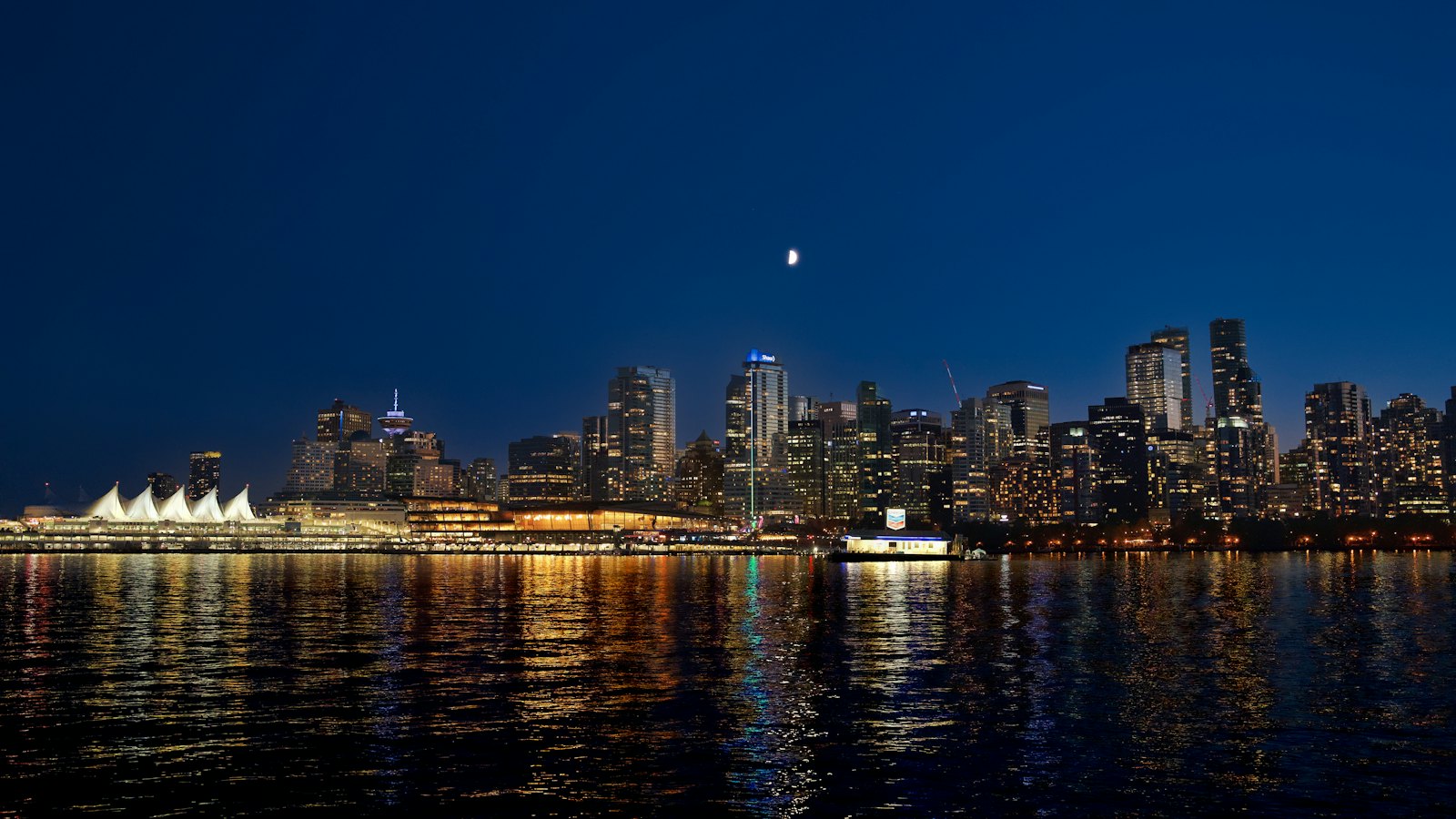
Vancouver combines a modern waterfront, sandy beaches, vast parks and mountain scenery within one compact destination. Malaysian visitors will find familiar Asian flavours, pleasantly cool conditions and reliable public transport that removes the need for a rental car. Costs are considerably higher than in Malaysia, however, making sensible choices about accommodation, food and attractions important. This guide explains flight connections from KLIA, Canadian entry documents, airport transfers, suitable neighbourhoods, halal dining, prayer facilities and daily expenses. It also provides a four-day route covering central Vancouver, Richmond and the North Shore without making the schedule exhausting.
Flights from Kuala Lumpur to Vancouver
No nonstop Kuala Lumpur to Vancouver flight is listed in September 2026. Travellers should therefore expect one connection at minimum. Routes found during the fare review included China Southern through Guangzhou, ANA through Tokyo, and services using China Airlines or EVA Air through Taipei. Certain itineraries pair ANA flights with United. Search results may also show transfers in Manila, Hong Kong or Singapore.
Typical journeys take approximately 17 to 24 hours from departure to arrival. Connection length can change that figure greatly, while an itinerary involving separate tickets or an airport transfer may require much longer. Before paying, inspect the transit conditions, baggage allowance and whether the airline will send checked luggage through to Canada.
Amaboxly's September 2026 fare scan found a China Southern ticket through Guangzhou for RM 1,495 one way on 24 October 2026. Across the fares examined, the median value was approximately RM 2,316 for a single journey. Both figures are temporary search results rather than promised rates.
The departure terminal at KLIA can vary by airline and may change, so verify the latest details on your reservation before travelling to the airport.
Reaching central Vancouver from the airport
Vancouver International Airport sits in Richmond, below the city on the map. Ringgit estimates here use CAD 1 as RM 3.10, with the understanding that actual conversion rates vary.
- Canada Line: This rail service runs to stations such as Vancouver City Centre and Waterfront. Downtown is normally 25 to 30 minutes away. Including the extra airport charge, expect approximately CAD 10 to CAD 12, equivalent to RM 31 to RM 37. Purchase a machine ticket or tap an eligible contactless payment card.
- Public bus: Overnight routes provide a link when trains have stopped or are running less frequently. They cost less, although travel is slower and a change may be necessary. Consult TransLink's journey planner when you arrive.
- Taxi: Fixed airport zones cover numerous destinations within Vancouver. A central drop-off generally works out to CAD 40 to CAD 55, or RM 124 to RM 171, excluding the tip. Road conditions can stretch a 25-minute ride to about 45 minutes.
- Ride-hailing: Both Lyft and Uber serve Metro Vancouver. A downtown fare often ranges from CAD 35 to CAD 60, approximately RM 109 to RM 186, but demand influences the final price.
For most passengers carrying manageable luggage, the train offers the simplest combination of speed and value.
Choosing an area to stay
- Downtown and Coal Harbour: Pick this area for a first trip, a brief visit or direct access to Canada Place, waterfront paths, Stanley Park and major transit connections. Convenience is excellent, but accommodation is usually priced near the top of the market.
- West End: This leafy residential district borders English Bay and Stanley Park. Beaches, coffee shops and evening strolls are close at hand. There is no rail station inside the neighbourhood, although frequent buses connect it with the rest of the city.
- Yaletown: Former warehouses, fashionable restaurants and a nearby Canada Line station make this district appealing to couples and keen diners. Some streets become noisy on weekends, and bargains are uncommon.
- Richmond: Staying here helps with early flights and provides easy access to a broad selection of Asian restaurants. From areas near the Canada Line, central Vancouver can be reached in about 25 to 35 minutes. The setting feels less oriented toward traditional sightseeing, but rates may be kinder.
A basic room frequently falls between CAD 120 and CAD 190 per night, which converts to RM 372 to RM 589. Comfortable mid-range properties are often closer to CAD 220 to CAD 350, or RM 682 to RM 1,085. Check the complete booking total because taxes can add a noticeable amount.
Main sights and outdoor experiences
- Stanley Park: Follow a portion of the seawall by bicycle or on foot, then explore wooded paths and viewpoints over Burrard Inlet. Completing the whole waterfront circuit requires several hours.
- Granville Island: Wander through its public market, studios and waterside spaces. An early visit generally means lighter crowds.
- Canada Place: Use the harbour promenade to watch seaplanes, cruise vessels and the mountains beyond the inlet.
- Gastown: Admire old buildings, cobbled streets and the well-known steam clock. Pay closer attention to your surroundings if walking east beyond the busiest visitor blocks.
- English Bay: Enjoy the beach and waterfront at any hour, with sunset particularly attractive in warmer weather.
- Museum of Anthropology: View Indigenous artworks and cultural material at the University of British Columbia. Review opening information before making the cross-city journey.
- Capilano Suspension Bridge: This ticketed North Shore site combines its signature bridge with elevated woodland paths. The scenery is impressive, but admission is relatively costly.
- Lynn Canyon: For a free alternative, use this public park's suspension bridge and forest trails. Surfaces can remain slippery after rain.
- Grouse Mountain: Travel uphill for broad city views, seasonal hiking and winter snow activities. Conditions at elevation may be entirely different from those beside the harbour.
Food worth trying
The city's cooking draws equally from its Pacific location and its many migrant communities. Local seafood may include wild salmon, oysters, fish and chips, rich chowder and spot prawns during their brief season. Premium catches are sometimes sold at market price, so ask what they cost before placing an order.
Japanese restaurants range from inexpensive sushi counters to refined dining rooms. Richmond is particularly rewarding for Cantonese dishes, dim sum, noodles and Chinese pastries. Italian heritage remains visible around Commercial Drive, while the Punjabi Market area near Main Street reflects South Asian settlement, even though its historic retail strip is now quieter.
Granville Island Public Market makes an easy stop for pastries, snacks and picnic ingredients, but tables fill quickly at busy times. For cheaper Asian dishes, investigate Richmond's food courts, where meals can be about CAD 12 to CAD 20, equal to RM 37 to RM 62. A main dish in a casual table-service restaurant is more commonly CAD 20 to CAD 35, or RM 62 to RM 109, before taxes and gratuity.
Poutine is a classic Canadian snack of chips, cheese curds and gravy. Muslim diners should ask how the gravy is made because it may contain meat stock.
Halal dining and places to pray
Muslim travellers can navigate Vancouver comfortably with some advance research, although halal restaurants are unevenly distributed. South Vancouver, Burnaby, Richmond and Surrey tend to provide broader Middle Eastern and South Asian choices than the central tourist district. Downtown still has suitable restaurants, but prices can be higher and halal claims should be checked with the business.
Seek recognised certification, an explicit halal policy or reliable confirmation that Muslim owners operate the restaurant. A sign saying no pork or no lard does not establish that the meat, utensils and sauces meet halal requirements. Vegetarian meals and seafood can help, but ask whether broth, cooking wine or a shared fryer is involved. Online directories and map searches are helpful starting points, while recent reviews and a direct conversation offer better assurance.
Al Jamia Masjid Vancouver is an established mosque and a useful central reference for visitors. Further mosques and Islamic centres serve communities in Richmond, Burnaby and Surrey. Quiet rooms at Vancouver airport may be used for prayer or reflection; airport personnel can direct you to the nearest available space. A small prayer mat and qibla application are useful when a day's plans include beaches, parks or the North Shore.
Using public transport and other local travel
TransLink operates the region's buses, SkyTrain lines, Canada Line and SeaBus. Rail charges depend on fare zones, whereas every bus ride is treated as one zone. Longer rail trips can become cheaper under evening and weekend policies, so consult the latest fare table before departure.
For repeated travel, load credit onto a Compass Card. Its stored-value price is normally below the cost of separate paper tickets. Eligible contactless bank cards provide another straightforward way to pay. Keep one card or device throughout a journey, and tap out when leaving SkyTrain, Canada Line or SeaBus services.
Depending on how many zones are crossed, an adult single journey is approximately CAD 3 to CAD 7, which is about RM 9 to RM 22. Expect a DayPass to be close to CAD 12 to CAD 13, equivalent to roughly RM 37 to RM 40.
Vancouver has Uber, Lyft and regulated taxis, but Grab is unavailable. Much of downtown can be covered on foot. Cycling is attractive beside the seawall, although hills and rainfall affect the experience. Small passenger ferries cross False Creek for scenic local trips, but their tickets are not part of TransLink. To reach the North Shore efficiently, take the SeaBus from Waterfront Station.
Four days in Vancouver
- Day 1: Ride the Canada Line into town and follow the waterfront from Canada Place toward Coal Harbour. Spend several hours walking or cycling in Stanley Park, then watch sunset at English Bay. Afterward, choose a confirmed halal restaurant in the West End or central district.
- Day 2: Arrive at Granville Island during the morning before moving through Yaletown and beside False Creek. Visit Gastown later in the afternoon for architecture and harbour scenery. Remain along familiar visitor streets if you do not know the eastern side of downtown.
- Day 3: Dedicate the day to the North Shore. Select either Capilano's ticketed bridge complex or the free paths of Lynn Canyon so the schedule does not become rushed. Grouse Mountain can be added when visibility, time and funds permit. Check the forecast and bring rain protection.
- Day 4: Use the Canada Line for a Richmond excursion centred on Asian food and shopping. Another option is the University of British Columbia, including the Museum of Anthropology and a nearby beach or garden.
Three complete days can cover Vancouver's signature attractions. A fourth provides breathing room when cloud or rain forces a mountain visit to be moved.
Money, tipping and practical travel tips
Canadian dollars are used throughout Vancouver. A planning conversion of CAD 1 to approximately RM 3.10 is applied here, but card issuers and money changers will use their own rates and fees. Electronic payments are widespread, yet carrying a modest amount of cash remains sensible. Malaysian DuitNow QR payments are not generally supported.
Shelf and menu prices often exclude sales tax, which appears when the bill is calculated. At a full-service restaurant, customers commonly leave 15 to 20 percent when service has been satisfactory. Taxi drivers and some personal-service workers are also usually tipped, so displayed prices should not be treated as the final expense.
Local prepaid mobile service may seem expensive beside Malaysian packages. Compare your provider's roaming deal with travel eSIM choices before flying. Confirm network compatibility and activate an eSIM according to its instructions. Canadian sockets use Type A or B plugs and supply 120V. Bring an adapter and check that each charger is rated for an input spanning 100V to 240V.
Visitors generally find the city easy to manage, but theft from vehicles, bicycle theft and missing unattended bags are genuine concerns. Never leave belongings visible inside a parked car. In the Downtown Eastside, secure valuables, behave respectfully and do not photograph people in vulnerable situations. Waterproof shoes and layered clothes are practical throughout the year.
Before you go
- Best time to go
- May, June and September provide the most balanced conditions for a Vancouver holiday. Temperatures are usually comfortable in those months, while visitor pressure is often below the July and August peak. Midsummer delivers longer daylight, the driest conditions and the warmest beach weather, but airfares and hotel prices commonly rise. Spring combines blossoms with cool, unpredictable rain. Early autumn can remain pleasant before wetter weather settles in. Winter in central Vancouver is comparatively mild for Canada and frequently rainy, while surrounding mountains receive more snow. Malaysian mid-year and year-end school breaks may increase demand on routes across Asia and the Pacific. Choose winter if snow sports matter most, or summer for park visits, cycling and extended outdoor time. Whatever the season, pack several layers and dependable rain protection.
- Visa for Malaysians
- Malaysian passport holders generally need a visitor visa to enter Canada, as of September 2026. One exception applies: travellers who have held a Canadian visitor visa within the previous 10 years, or who currently hold a valid United States non-immigrant visa, can instead apply online for an Electronic Travel Authorization (eTA) when entering by air. Land and sea entry still require a full visitor visa. The eTA costs CAD 7, with decisions typically arriving within minutes to a few days. Travellers outside these categories apply for a visitor visa in advance through the official immigration website, a process that takes longer and requires biometrics. Typical stays run up to six months, with the exact length set by the border officer on arrival. Confirm the current requirements before you fly.
- Honest budget guide
- Plan on spending approximately RM 450 to RM 750 per traveller each day, without international airfare. Amaboxly's September 2026 fare scan identified a one-way Kuala Lumpur fare of RM 1,495 through Guangzhou, while the median among reviewed results was around RM 2,316 for one direction. Basic rooms generally range from RM 372 to RM 589 nightly. A comfortable mid-range room is more likely to be RM 682 to RM 1,085 before tax. Set aside roughly RM 125 to RM 250 per person each day for meals and RM 30 to RM 70 for public transport. Ride-hailing and mountain admission will increase those amounts. For one person sharing accommodation, five days may require about RM 5,000 to RM 8,000 in total, covering return airfare, lodging, food, local journeys and several activities. Season, booking date, taxes and currency movement can all alter the final cost.
Frequently asked questions
Do Malaysians need a visa for Vancouver?
As of September 2026, most Malaysian citizens need a visitor visa for Canada. Those with a valid US non-immigrant visa, or a Canadian visitor visa issued within the previous 10 years, can apply for a CAD 7 eTA when arriving by air. Land and sea arrivals still require the appropriate visa. Confirm your category through Canada's official immigration website.
Is there a direct flight from Kuala Lumpur to Vancouver?
A nonstop service is not listed in September 2026. Kuala Lumpur departures generally connect once or more, with Guangzhou, Tokyo and Taipei among the common transfer points found during the fare review. Overall travel often lasts 17 to 24 hours. Before buying, review transit rules, terminal information and whether checked baggage will be transferred automatically.
How many days are enough for Vancouver?
Allow three full days for central waterfront sights, Stanley Park, Granville Island and a North Shore excursion. Four days provide a more relaxed visit and flexibility when rain or mountain cloud changes plans. Stay longer if Richmond, Whistler, Vancouver Island or the Canadian Rockies will form part of the same holiday.
What is the best month to visit Vancouver?
June and September are strong choices for comfortable temperatures, outdoor activities and somewhat lighter demand than high summer. July and August are generally warmer and less rainy, but rooms become dearer and popular places busier. Winter brings frequent downtown rain alongside mountain snow. Waterproof clothing and adaptable layers remain useful in every month.
Is Vancouver Muslim-friendly?
The metropolitan area has mosques, halal restaurants and substantial Muslim communities, making a visit quite manageable. Suitable businesses are more dispersed than they are in Kuala Lumpur, especially outside Middle Eastern and South Asian districts. Ask about certification or Muslim ownership because avoiding pork alone does not ensure halal preparation. Check seafood and vegetarian dishes for alcohol, broth and shared equipment.
Can I use Grab in Vancouver?
Grab is not available in Vancouver. Travellers can order Uber or Lyft, hail a licensed taxi, or use TransLink services. For ordinary sightseeing, trains, buses and SeaBus usually cost less and cover the important areas efficiently. Pay with a Compass Card or tap an accepted contactless bank card at the appropriate reader.
How much money should I budget for five days in Vancouver?
When two people share a room, each traveller might spend about RM 5,000 to RM 8,000 for five days. That estimate includes return flights, lodging, meals, urban transport and a selection of attractions. A solo trip can cost more because accommodation is expensive. Retain extra funds for sales taxes, restaurant gratuities and exchange-rate changes.
Is Vancouver easy to visit without a car?
Yes. Canada Line trains connect the airport, Richmond and central Vancouver, while the wider SkyTrain, bus and SeaBus network reaches major urban districts. Central attractions are also close enough for walking. Renting a vehicle is mainly helpful for remote natural areas or complex regional routes, and city parking costs plus break-in concerns can outweigh its convenience.
Jom pergi
Ready to go Vancouver? Compare available flights and hotels for your dates. Check baggage, cancellation terms and the final total on the booking provider before paying.






