




On this page12 sections
- Overview
- Getting there from Kuala Lumpur to Chicago
- Airport transfer from O'Hare to central Chicago
- Choosing a neighbourhood for your stay
- Things to do in Chicago
- Local dishes to sample
- Finding halal food and places to pray
- Transport within Chicago
- Four days in Chicago
- Money and practical tips for Chicago
- Before you go
- FAQ
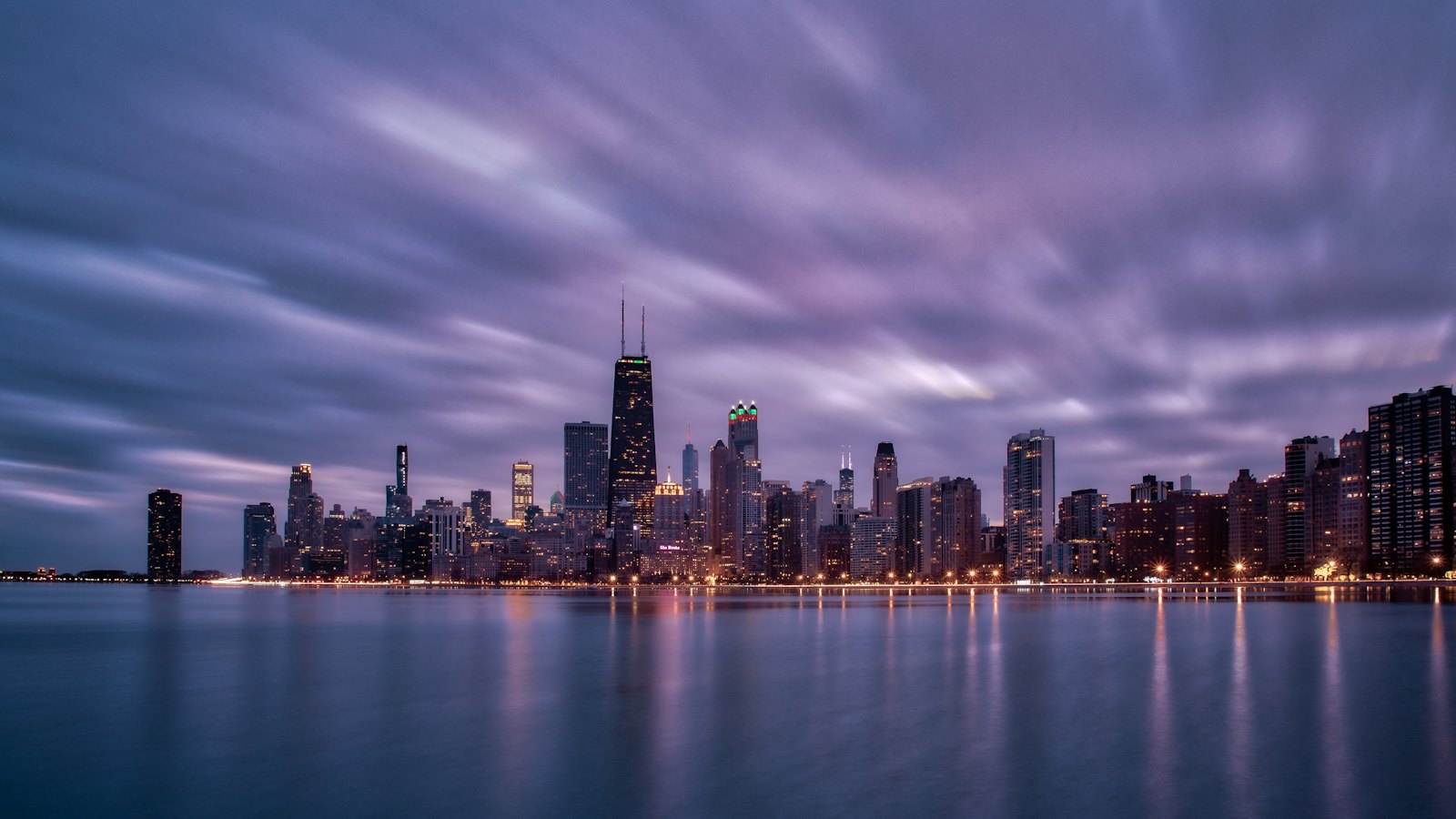
Chicago combines soaring architecture, waterfront recreation, major cultural collections and distinctive neighbourhood cooking. For Malaysian visitors, it offers the variety of a large American city within a central district that is relatively straightforward to explore. Use this guide to plan flights from KLIA, reach the city from O'Hare, select a convenient base, locate halal meals and estimate spending in ringgit. Conditions near Lake Michigan can shift rapidly, so clothing choices should follow the latest forecast. Humid summer afternoons, powerful winter winds and sudden temperature drops can all change a day's sightseeing plans.
Getting there from Kuala Lumpur to Chicago
Kuala Lumpur currently has no nonstop passenger service to Chicago O'Hare. Every practical itinerary therefore includes one or more connections. Possible transfer points include Abu Dhabi, Doha, Dubai, Istanbul, Seoul, Tokyo and Taipei. An efficient itinerary may take about 20 to 26 hours from departure to arrival, while inconvenient layovers can extend the journey beyond 30 hours.
Many full-service international flights leave from KLIA Terminal 1. Nevertheless, verify the terminal printed on your booking because airline operations sometimes move. When comparing tickets, examine the complete travel duration, checked baggage entitlement and whether luggage will be labelled through to O'Hare. Chicago is a busy transfer airport, so allow sufficient time if another flight follows your arrival.
Amaboxly checked fares on 20 September 2026. The lowest observed one-way option for 24 October 2026 was RM 2,440 on Etihad, connecting once in Abu Dhabi. The median one-way price in that search was RM 3,027. Starting prices for other observed routes were approximately RM 2,497 through Doha, RM 3,098 through Seoul and RM 3,105 through Tokyo. Airfares can move within hours, making the final return price and connection quality more useful than any single advertised figure.
Airport transfer from O'Hare to central Chicago
International arrivals generally use Terminal 5 at O'Hare, approximately 27 kilometres northwest of the Loop, Chicago's central business district. The following conversions use USD 1 as about RM 4.10, but your card provider may apply a different rate.
- CTA Blue Line: Trains operate throughout the day and night, normally reaching the Loop within 40 to 50 minutes. The O'Hare fare is roughly USD 5 to USD 6, or about RM 20 to RM 25. Rail travel is inexpensive and unaffected by motorway congestion.
- Metered taxi: Depending on traffic and destination, allow 35 to 70 minutes. A typical downtown fare is USD 55 to USD 75, equivalent to about RM 225 to RM 310, excluding the tip.
- Uber or Lyft: Both services collect passengers from specified airport areas. Prices often range from USD 45 to USD 90, or RM 185 to RM 370, but demand and poor weather can raise them considerably.
- Reserved transfer: Pre-arranged transport can simplify arrival for families and travellers carrying several bags. Shared places may start from around USD 40 to USD 55, roughly RM 165 to RM 225, while exclusive vehicles are substantially dearer.
Travellers with light luggage will usually find the Blue Line most practical. After a very late arrival, paying for a direct vehicle may feel more comfortable.
Choosing a neighbourhood for your stay
Base your accommodation decision on where you expect to spend both days and evenings. Chicago covers a wide area, and saving money on a distant hotel may mean losing hours to repeated transfers.
- The Loop: A sensible first-visit base close to Millennium Park, the Art Institute, theatres and numerous train routes. Business streets can become subdued once offices close.
- River North: Convenient for river cruises, restaurants, shopping and nightlife. Many attractions are reachable on foot, although weekend noise and higher room prices are common.
- Streeterville: Well placed for Navy Pier, Lake Michigan walks and family activities. The neighbourhood feels polished and central, but some properties sit farther from an L station.
- West Loop: Appealing to restaurant enthusiasts and repeat visitors. Converted industrial buildings now house popular dining rooms and bars. Convenient blocks have rail access, while sought-after weekends can be costly.
The Loop and River North reduce travel time during a three-night or four-night introductory stay. Before paying, inspect the final booking amount rather than the headline room rate. Chicago lodging taxes can produce a noticeable difference, and some properties add destination or facility charges.
Things to do in Chicago
A rewarding Chicago schedule balances museums with open-air time along the river and Lake Michigan. Summer weekends are busy, so secure admission slots for high-demand attractions before arriving.
- Millennium Park: View Cloud Gate, widely nicknamed The Bean, and continue through nearby gardens toward the waterfront.
- Chicago Riverwalk: Wander beside the river for close perspectives on bridges, towers, historic facades and public artworks.
- Architectural boat tour: Guides explain how fires, engineering and design shaped the skyline. Sunset departures are particularly atmospheric.
- Art Institute of Chicago: Reserve several hours for prominent American, European and Asian works rather than attempting a hurried visit.
- Museum Campus: Select one or two among the Field Museum, Shedd Aquarium and Adler Planetarium. Covering all three properly requires more than a day.
- Lakefront Trail: Walk or rent a bicycle for a manageable section featuring beaches, parkland and broad skyline views.
- Elevated viewpoint: Willis Tower and 875 North Michigan Avenue both reveal the city's street pattern most clearly in good visibility.
- Navy Pier: Families will find rides, cruises and evening lake views, although the surroundings are deliberately commercial.
- Local districts: Chinatown, Pilsen and Wicker Park offer murals, smaller businesses and experiences distinct from downtown.
Keep a wind-resistant layer in your day bag because lakeside conditions can cool suddenly.
Local dishes to sample
Chicago's signature foods tend to be generous, so splitting an order lets you taste more without wasting a meal. Deep-dish pizza features a high-edged crust filled with cheese and finished with tomato sauce. Preparation takes longer than for ordinary pizza, and even one slice can be substantial. Locals also eat tavern-style pizza, which has a thin base and arrives cut into small squares.
Italian beef consists of finely sliced meat served in a roll with cooking juices and sweet or spicy peppers. Anyone requiring halal food should question the restaurant about the beef, broth and preparation equipment. The classic Chicago hot dog includes mustard, relish, onion, tomato, pickle and peppers. Conventional versions may use pork or meat without halal certification, so seek an explicitly verified alternative.
Other specialities include the jibarito, which replaces sandwich bread with fried plantain, and bags combining cheese popcorn with caramel popcorn. Chinatown provides dumplings, noodles and hotpot, while Pilsen is known for Mexican kitchens and bakeries. Devon Avenue is valuable for familiar South Asian flavours. A simple meal generally costs USD 12 to USD 20, approximately RM 50 to RM 82, before sales tax and gratuity. Central full-service dining will usually cost more.
Finding halal food and places to pray
Chicago supports sizeable Muslim communities, though halal businesses are clustered outside many downtown sightseeing blocks. West Ridge, particularly the Devon Avenue corridor, is the most convenient destination for Pakistani, Indian and Middle Eastern restaurants advertising halal meat or Muslim ownership. Bridgeview has another important Muslim community southwest of central Chicago, but reaching it is considerably easier by car.
A meat-free dish, seafood order or no-pork label does not automatically satisfy halal requirements. Ask where the meat comes from, whether sauces contain alcohol and whether cooking oil, grills or utensils are shared. Community listings on Zabihah can identify possibilities, while recent map reviews help reveal closures or altered hours. Confirm details with the business because online records may lag behind current practice.
For prayer, the Downtown Islamic Center can fit selected weekday itineraries. The Mosque Foundation in Bridgeview is among the region's prominent Islamic institutions. O'Hare provides an interfaith chapel, although terminal access and room arrangements should be checked with airport personnel. Carrying a foldable prayer mat and qibla application makes sightseeing days easier. Public washrooms rarely provide dedicated ablution facilities, so a small refillable water container can be useful.
Transport within Chicago
The Chicago Transit Authority operates the L rail network and a broad system of city buses. O'Hare connects with central Chicago on the Blue Line. The Red Line is helpful for journeys through the Loop, River North and districts farther north. During commuting periods, rail can beat road transport by a wide margin.
One CTA journey costs roughly USD 2.50 to USD 3, close to RM 10 to RM 12. Visitors making frequent trips should compare that price with unlimited short-duration passes. Fares can be paid using a Ventra card or a compatible contactless card or phone. Where individual taps are required, every passenger should carry a separate payment option. Metra trains reach suburban communities and certain city stops, but Metra tickets are separate from CTA fares.
Grab has no Chicago service. Licensed cabs, Lyft and Uber are readily available, yet traffic, gratuities and demand-based pricing make them poor everyday value. Divvy supplies conventional and electric shared bicycles. Review unlock, time and docking charges before beginning a rental.
Many central landmarks lie within walking distance, although Chicago blocks can feel longer than their appearance on a phone screen suggests. After dark, remain on active, illuminated streets. Confirm a booked vehicle's number plate before getting inside. Engineering work and harsh winter conditions may also cause temporary timetable changes.
Four days in Chicago
A four-day visit provides enough variety without forcing every major attraction into an exhausting schedule.
- Day 1: Check in around the Loop or River North. Visit Millennium Park and the Art Institute before following the Riverwalk. If timing and conditions cooperate, finish with a late-afternoon architecture cruise.
- Day 2: Pick two Museum Campus institutions and give each adequate attention. Afterwards, spend time beside Lake Michigan. Chinatown makes a convenient dinner stop with Red Line access back toward downtown.
- Day 3: Choose a clear part of the day for an observation deck, then browse the Magnificent Mile and continue to Navy Pier. Travel to Devon Avenue for a confirmed halal dinner, remembering that the journey from central Chicago takes additional time.
- Day 4: Concentrate on one district. Pilsen offers public art and Mexican cooking, whereas Wicker Park has independent retailers and cafes. Use the remaining hours for shopping, a missed museum or another waterfront walk.
Three complete sightseeing days can cover the leading landmarks, but a fourth provides protection against rain, strong wind or timetable changes. Keep some indoor visits movable instead of assigning every hour in advance. If a Chicago sports fixture matches your dates and budget, substitute it for one evening activity.
Money and practical tips for Chicago
Chicago uses US dollars. For simple estimates, converting USD 1 at RM 4.10 makes USD 10 approximately RM 41. Check the actual exchange rate and overseas card charges before departure. Contactless payment is widespread, but carry modest cash for markets or small independent vendors. Malaysia's DuitNow QR system is not a routine American payment method.
An American eSIM can be activated before the flight, while prepaid physical SIMs are sold after arrival. Ensure the handset is unlocked and supports the provider's network. Power outlets accept Type A and Type B plugs and supply 120V. A Malaysian traveller therefore needs a plug adaptor, and every appliance should state support for an input range covering 120V.
Shelf and menu figures typically appear without sales tax. In a restaurant with table service, allow roughly 18 to 20 percent for gratuity unless the bill already contains it. Taxi drivers and certain personal-service workers also customarily receive tips.
Busy visitor districts generally have a visible public presence, but conditions may differ sharply between nearby blocks. Protect phones and wallets on crowded services, avoid deserted train cars and skip unfamiliar late-night shortcuts. Be sceptical of strangers proposing unofficial ticket deals, money exchanges or transport assistance. During winter, use insulated clothing and shoes that grip icy surfaces.
Before you go
- Best time to go
- Late May through June and September into early October usually provide Chicago's most agreeable combination of active waterfront areas and comfortable sightseeing conditions. July and August deliver festivals, extended daylight and beach opportunities, alongside humidity, heat, larger crowds and higher prices. Malaysian school breaks can intensify demand for family accommodation, making early reservations worthwhile. Spring temperatures fluctuate and may bring chilly rain or forceful winds from Lake Michigan. Early autumn is often pleasant for walking, although cold weather can arrive quickly. December through February brings freezing air, snow and short days. It can also produce better hotel value outside major events, while indoor museums remain rewarding. Whatever the month, bring adaptable layers and review the local forecast shortly before flying.
- Visa for Malaysians
- Malaysian citizens must secure a visitor visa before travelling to Chicago. As of September 2026, Malaysia does not participate in the American Visa Waiver Program, meaning ESTA cannot be used. Applicants for a B1/B2 visa submit form DS-160, pay a non-refundable fee of US$185, about RM 755, then book through the US Embassy's authorised appointment platform. An interview in Kuala Lumpur is normally required for a first application, although eligible renewals may receive an interview exemption. No separate reciprocity issuance charge applies to Malaysians. The resulting visa may permit multiple entries for up to 10 years, but it does not decide the length of an individual visit. A border official sets that period and records it in the electronic I-94, often granting tourists no more than six months. For caution, keep the passport valid for at least six months after the intended visit. Recheck travel.state.gov and my.usembassy.gov before committing to non-refundable arrangements.
- Honest budget guide
- A sensible daily allowance is RM 500 to RM 900 for each traveller, with overseas flights and substantial shopping excluded. Amaboxly's fare review found Kuala Lumpur departures starting at RM 2,440 one way, with a one-way median of RM 3,027 at the time checked. Hostel beds and basic rooms may run from RM 180 to RM 450 nightly. After accounting for taxes, a comfortable middle-tier room often reaches RM 650 to RM 1,100. Allocate approximately RM 150 to RM 300 each day for meals and RM 40 to RM 100 for city transport plus occasional short car journeys. Museums, cruises and viewing decks may add RM 150 to RM 500 on an activity-heavy day. An indicative five-day total is RM 6,500 to RM 10,500 per person, covering return airfare, shared lodging, food, transport and several ticketed sights. Summer dates, large conventions and popular central weekends can raise that estimate.
Frequently asked questions
Do Malaysian travellers require a visa for Chicago?
Yes. Malaysian passports are not eligible for ESTA as of September 2026, so visitors must obtain an appropriate US visa, normally the B1/B2 category. The process includes a DS-160 submission, a US$185 payment and the embassy's appointment procedure. Admission and visit duration remain decisions for border officials, who document the authorised period through the electronic I-94. Verify details with official American government websites before purchasing restrictive tickets.
Can I fly nonstop from Kuala Lumpur to Chicago?
No nonstop route between KUL and Chicago is listed at the time covered by this guide. Travellers must connect in a city such as Abu Dhabi, Doha, Dubai, Seoul, Tokyo or Taipei. In Amaboxly's search dated 20 September 2026, the lowest one-way result was RM 2,440 with Etihad through Abu Dhabi. Assess luggage conditions, transit formalities and elapsed journey time alongside price.
How long should I spend in Chicago?
Three complete days are sufficient for Millennium Park, a river architecture tour, one leading museum and either the lakeshore or a neighbourhood excursion. Four days creates a more relaxed visit with room for Museum Campus, Navy Pier, Chinatown, Pilsen or Devon Avenue. Consider a fifth day when sports, extensive retail browsing or weather flexibility matters to your plans.
Does Chicago work well for Muslim visitors?
Yes. The metropolitan area contains established Islamic organisations, prayer facilities and numerous halal restaurants. Devon Avenue and Bridgeview have the greatest concentration of relevant businesses, while choices near downtown landmarks are more scattered. Plan dining locations before setting out and verify meat sourcing plus shared equipment directly. O'Hare has an interfaith chapel, and the Downtown Islamic Center can suit some weekday schedules.
Which month is most suitable for Chicago?
June and September generally offer an appealing mixture of mild conditions, active outdoor areas and useful daylight. July and August bring celebrations and warm lakefront weather, together with greater humidity, crowds and accommodation costs. Early October may still be comfortable but becomes cooler. Winter suits visitors who accept possible snow delays, freezing winds and fewer daylight hours in exchange for indoor cultural attractions.
What should one person budget for five days?
An approximate five-day allowance of RM 6,500 to RM 10,500 can cover return flights from Kuala Lumpur, shared lodging, meals, local travel and several admission charges. Hostel use and free attractions can reduce the figure. Downtown hotels, repeated app-based car rides and regular full-service meals increase it. Remember that advertised hotel and restaurant prices may omit taxes, service charges or gratuities.
Is Grab available in Chicago?
Grab does not provide rides in Chicago. The CTA rail and bus system handles most visitor journeys, while Uber, Lyft and regulated taxis cover situations where transit is impractical. For O'Hare, the Blue Line is usually the easiest low-cost route downtown. App fares can rise rapidly when demand peaks, so compare providers and match the registration plate with the booking before boarding.
How safe is Chicago for tourists from Malaysia?
Visitors commonly experience the busy central districts without trouble, but risk can change according to neighbourhood, street and hour. Walk on active, well-lit routes, protect belongings aboard public transport and avoid empty platforms or carriages late at night. Research accommodation surroundings instead of selecting a remote room for price alone. When a return walk feels questionable, arrange a licensed taxi or verified app ride.
Jom pergi
Ready to go Chicago? Compare available flights and hotels for your dates. Check baggage, cancellation terms and the final total on the booking provider before paying.






