




On this page12 sections
Honolulu combines an energetic Pacific capital with the beaches, volcanic ridges and warm water that make Oahu so appealing. Travelling from Malaysia involves a long journey with a connection, but Waikiki is easy to explore without driving and the city's outdoor sights can fill several rewarding days. Visitors should prepare for higher costs than in most Asian beach destinations, customary tipping and the US visa application process. This guide explains flight routes from KLIA, airport transfers, suitable neighbourhoods, local food, halal choices, transport and a practical four-day itinerary.
Flights from Kuala Lumpur to Honolulu
No airline is scheduled to fly nonstop between Kuala Lumpur International Airport and Honolulu as of September 2026. Travellers usually connect through Tokyo, Osaka, Manila or Seoul. Airlines seen on these routes include ANA paired with Alaska Airlines, JAL paired with Alaska Airlines, Korean Air, Malaysia Airlines paired with Alaska Airlines and Philippine Airlines. Each option involves a connection.
A fare check completed on 21 September 2026 showed a one-way price of about RM 1,963 for departure on 10 January 2027 with ANA and Alaska Airlines through Tokyo. Across the results, the median one-way price was RM 3,033. The least expensive examples for individual transit points were approximately RM 1,963 through Tokyo, RM 2,672 through Osaka, RM 3,237 through Manila and RM 4,200 through Seoul. Prices, luggage allowances and ticket conditions may move without notice.
Total travel commonly lasts 17 to 25 hours, depending on the layover. These airlines generally operate from KLIA Terminal 1 on the relevant routes, although passengers should verify terminals and operating carriers on their reservation. Whenever possible, place every flight on one through-ticket. This gives better protection if a delay causes a missed connection and usually makes checked-baggage handling simpler.
Getting from Honolulu Airport to Waikiki
Daniel K. Inouye International Airport, identified by the code HNL, lies about 15 kilometres from Waikiki. For approximate conversions, calculate US$1 as RM 4.10. Transport prices below are planning figures rather than guaranteed quotes.
- Public bus: TheBus charges roughly US$2 to US$3, or about RM 8 to RM 12, for one ride. Reaching central Honolulu or Waikiki generally requires 50 to 75 minutes, with road congestion and the chosen service affecting the duration. Drivers may refuse large or obstructive luggage, making this option more suitable for passengers carrying a cabin-sized bag.
- Shared shuttle: A seat to Waikiki commonly costs US$20 to US$30, or RM 82 to RM 123. Multiple hotel drop-offs can extend the journey to between 30 and 60 minutes.
- Taxi: A ride to Waikiki is normally about US$45 to US$60, or RM 185 to RM 245, before the tip. Travel time is often 25 to 40 minutes.
- Ride-hailing: Uber and Lyft collect passengers from designated zones. Waikiki trips frequently range from US$35 to US$55, or RM 145 to RM 225, with higher prices during busy periods.
Congestion is most noticeable around commuting hours. For two or three people sharing the fare and carrying luggage, a taxi or ride-hailing vehicle can cost less than separate shuttle seats.
Where to stay in Honolulu
Waikiki is the most convenient base for an initial visit. Travellers can choose from numerous hotels, reach the beach on foot and use frequent buses for longer trips. Its disadvantages include crowds, elevated waterfront food prices and compulsory resort charges at certain properties. Rooms several blocks back from the ocean are often cheaper.
Ala Moana works well for visitors interested in shopping, useful transport connections and surroundings that feel less like a resort district. The neighbourhood borders Ala Moana Center and Ala Moana Beach Park, while buses provide simple access to Waikiki and downtown.
Downtown Honolulu and Chinatown are close to Iolani Palace, historic government buildings and local markets. They are rewarding for daytime exploration and dining but become quieter when offices close. Select accommodation with consistently strong reviews and remain aware of your surroundings at night.
Kapahulu, east of central Waikiki, offers convenient access to Diamond Head and a good collection of casual local restaurants. Repeat visitors may appreciate its more residential atmosphere. Before reserving any room, examine the complete payable total. Taxes, parking charges and mandatory resort fees can make the final cost considerably higher than the advertised nightly figure.
Things to do in Honolulu
Honolulu offers beaches, royal history, museums and accessible outdoor adventures. Book attractions with limited capacity well in advance, use reef-conscious sun protection and never leave phones, wallets or bags unattended beside the water.
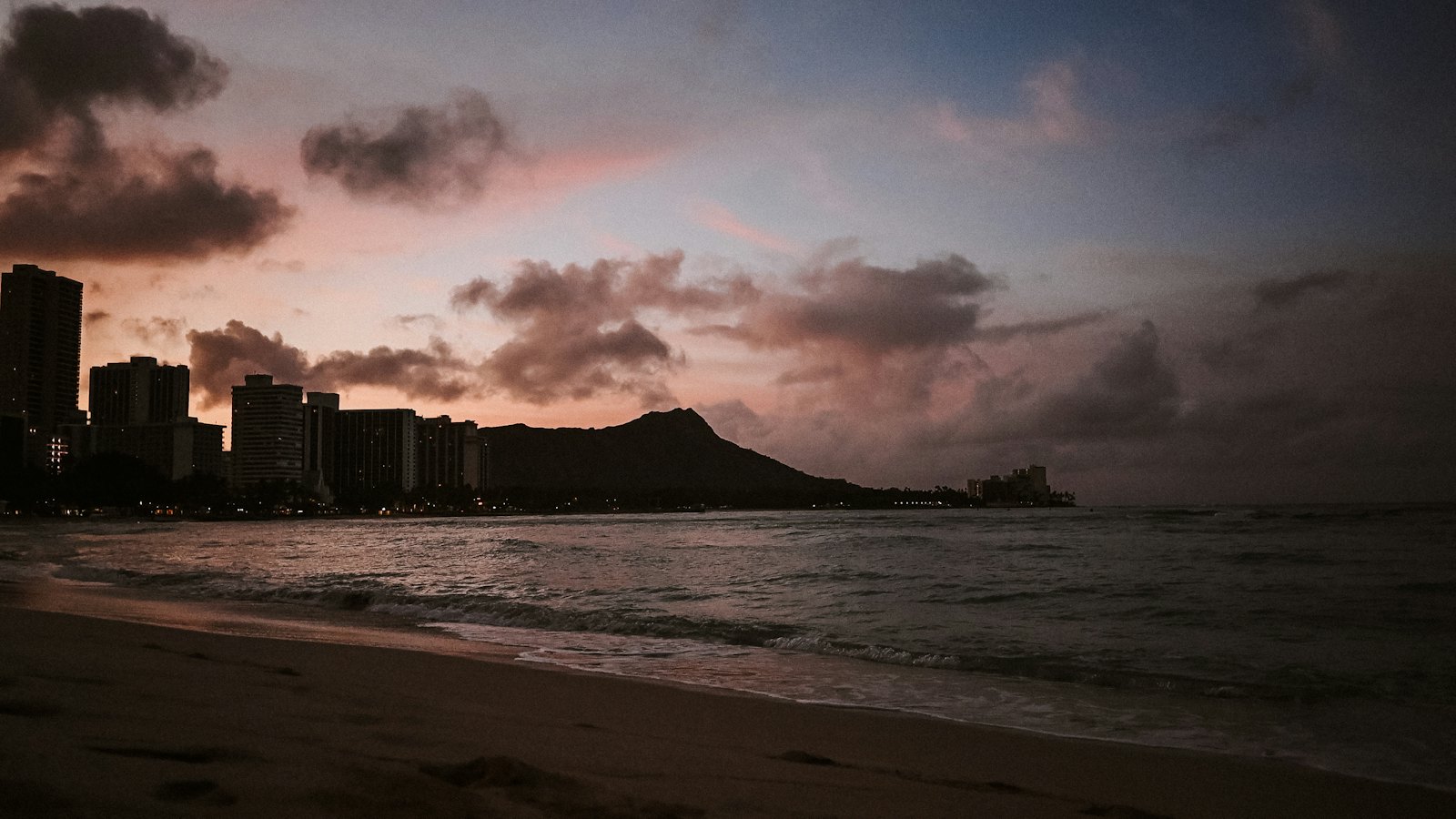
- Waikiki Beach: Swim in protected areas, observe surfers and follow the waterfront as the sun sets.
- Diamond Head: Climb the crater trail for an expansive Waikiki view. Visitor reservations or entry arrangements may be required.
- Pearl Harbor: Explore the memorial area and historic sites in respectful clothing while carrying as little baggage as possible.
- Iolani Palace: Discover the Hawaiian monarchy inside the only official royal residence located on United States soil.
- Bishop Museum: Learn about Hawaiian history, Pacific navigation, cultural traditions and the wider region.
- Ala Moana Beach Park: Relax on a roomy local beach that is often gentler than central Waikiki.
- Chinatown and downtown: Visit markets, galleries and heritage streets during daylight hours.
- Hanauma Bay: Snorkel in a protected marine environment when admission is available. Booking systems and closure days may apply.
- Manoa Falls: Walk through humid forest on a path that becomes muddy after rainfall.
Keep away from wildlife and avoid touching or standing on coral. Water conditions can shift rapidly, so obey lifeguard instructions even if the sea looks safe.
Local food to try
Honolulu's cooking draws from Native Hawaiian, Japanese, Chinese, Filipino, Korean, Portuguese and mainland American traditions. Poke is a natural first choice and normally consists of seasoned cubes of raw fish. Choose a busy seafood counter with good turnover, and enquire about soy sauce or other components if you have allergies.
The familiar plate lunch combines rice and macaroni salad with fish, fried chicken, grilled meat or another protein. Loco moco places a hamburger patty, gravy and an egg over rice, producing a substantial breakfast or lunch. Saimin, a light noodle soup, reflects Hawaii's plantation-era culinary history. Garlic shrimp, spam musubi, kalua-style pork, tropical fruit, shave ice and Portuguese-influenced malasadas are also widely enjoyed.
Look beyond resort dining by exploring Kapahulu, Ala Moana, Chinatown and different parts of Waikiki. Supermarkets and food courts can reduce meal costs, while farmers' markets provide fruit and portable snacks. Muslim visitors should ask whether dishes contain pork, cooking alcohol or non-halal stock and whether equipment is shared. Seafood and vegetarian orders can be useful alternatives, but their ingredients and preparation still require checking before they can be considered halal.
Halal meals and prayer facilities
Honolulu's Muslim community is relatively small, and halal dining choices are fewer than Malaysians may expect. Look for recent listings around Waikiki, Ala Moana and central Honolulu, then contact each restaurant to verify certification, meat suppliers and preparation methods. Zabihah and HalalTrip may identify possibilities, but opening details and user-applied labels should be independently confirmed.
Terms such as vegan, vegetarian, seafood and no pork are not guarantees of halal preparation. Ask if the meat is halal, whether sauces or marinades contain alcohol and whether grills or fryers are shared. Some Japanese, Mediterranean and seafood kitchens can accommodate requests when staff clearly understand them. Packaged supermarket food provides another reliable fallback if travellers examine labels for gelatin, alcohol and animal-derived flavouring.
The Muslim Association of Hawaii operates a mosque in the Honolulu area and is a useful contact for congregational prayer information. Do not assume that attractions, shopping centres or the airport provide dedicated prayer rooms. A compact prayer mat and qibla application are helpful, and staff may be able to suggest a clean, quiet place when asked politely. Save several suitable food options offline before taking a longer Oahu excursion.
Transport around Honolulu
Most of Waikiki can be covered comfortably on foot, although sturdy footwear helps with warm weather, sudden rain and broad road crossings. TheBus serves Waikiki, downtown, Ala Moana and destinations throughout Oahu. One standard journey costs roughly US$2 to US$3, or about RM 8 to RM 12. With a HOLO card, the daily fare cap is roughly US$7 to US$8, or about RM 29 to RM 33. Check the official fare before departure.
HOLO cards can be purchased and topped up through participating shops and transit outlets. Tap the card when entering the bus and maintain enough value for planned journeys. Services to the North Shore and distant beaches are affordable but time-consuming, so avoid scheduling several remote locations on the same day.
Grab is unavailable in Honolulu. The principal app-based services are Uber and Lyft, while metered taxis wait near resorts, shopping areas and the airport. A short ride-hailing journey may cost US$12 to US$25, or RM 49 to RM 103, subject to demand.
Visitors concentrating on Waikiki do not require a rental car. Hiring one for an island excursion adds flexibility, but parking is costly and traffic can be slow. Keep possessions out of sight, obey stopping restrictions when taking photographs and return the vehicle with the fuel level specified in the agreement.
Four-day Honolulu itinerary
- Day 1: Check in and follow an easy schedule after the lengthy flight. Explore Waikiki's waterfront, walk towards Kapiolani Park and finish with an early meal featuring local food.
- Day 2: Hike Diamond Head during the cooler morning after arranging any necessary booking. Eat lunch in Kapahulu, then return to Waikiki for swimming, rest and a beach sunset.
- Day 3: Begin at Pearl Harbor and allow enough time to appreciate the historic area properly. Continue to Iolani Palace and nearby civic landmarks, then explore Chinatown while it is active during the day. Stop near Ala Moana for dinner on the return journey.
- Day 4: Pick either a Hanauma Bay visit, subject to its admission arrangements, or a walk to Manoa Falls. Spend the remaining hours at Ala Moana Beach Park, Bishop Museum or the shops.
A fifth day allows room for the North Shore or an unhurried drive around eastern Oahu. Avoid squeezing Pearl Harbor, Diamond Head and a complete island circuit into a single day. Reservation schedules, parking and Honolulu congestion would turn that combination into an exhausting outing.
Money, connectivity and practical advice
The local currency is the US dollar. A useful estimate is US$10 to RM 41, although the actual conversion depends on the payment network and card issuer. Cards and mobile wallets work in most businesses. Carrying a little cash remains useful for tips, markets and occasional small purchases. DuitNow QR is not commonly accepted.
An eSIM is convenient for compatible phones. Physical prepaid SIM cards are another option, but travellers should compare activation requirements and network coverage. Save offline maps because reception may weaken on remote coasts and hiking trails. Hawaii uses Type A and B flat-pin sockets at approximately 120 volts. Malaysian visitors need a plug adapter and must confirm that each appliance supports this voltage.
Tipping forms part of normal service culture. Plan for about 18 to 20 percent in table-service restaurants, approximately 10 to 15 percent in taxis or ride-hailing cars and a few dollars for suitable hotel or shuttle help. Retail shelf labels generally exclude the sales tax charged at payment.
Ordinary city precautions are usually sufficient in Honolulu. Guard possessions at the beach, leave nothing visible inside a parked vehicle, cross at marked locations and maintain a safe distance from cliff edges. Strong currents, sun exposure, heat and dehydration are more frequent visitor problems than sophisticated scams.
Before you go
- Best time to go
- April to early June and September to October provide an appealing combination of warm weather, lighter crowds and relatively reasonable prices. Honolulu remains suitable for beach visits throughout the year. Conditions are usually wetter from November through March, although rainfall differs across Oahu, and winter brings larger surf to exposed northern shores. June through August attracts families and produces busier sights and warmer afternoons. Christmas, New Year, United States holidays and Malaysian school breaks can increase flight and hotel costs. Reserve early when a major holiday or surfing competition overlaps your trip. Sun protection and a light rain layer are useful in every season. Review daily ocean warnings instead of assessing safety only from the hotel.
- Visa for Malaysians
- Malaysian passport holders need a B1/B2 visa to visit Honolulu as of September 2026. Malaysia is outside the US Visa Waiver Program, so travellers cannot use ESTA. Applicants complete Form DS-160, pay a non-refundable US$185 fee, about RM 755, and book through the embassy's official service. Most first-time applicants attend an interview in Kuala Lumpur. Adults renewing a full-validity B1/B2 visa that is valid or expired within the past 12 months may qualify for an interview waiver. Malaysians pay no reciprocity issuance fee, and an approved visa normally allows multiple entries for up to 10 years. A US$250 visa integrity fee exists in US law but is absent from the Malaysia fee page, so confirm the amount before paying. Border officers determine the permitted stay, commonly up to six months, and record it electronically on Form I-94. Passports generally need to cover the visit, though six extra months is prudent. Check travel.state.gov and my.usembassy.gov before purchasing flights.
- Honest budget guide
- Plan on RM 650 to RM 1,150 per person for each day in Honolulu, excluding airfare and assuming two travellers share a room. The September 2026 fare scan shows a one-way minimum near RM 1,963 on ANA and Alaska Airlines through Tokyo, with RM 3,033 as the median. Basic private accommodation may be RM 410 to RM 700 nightly before supplements, while a mid-range room often falls between RM 740 and RM 1,230. Set aside RM 150 to RM 300 per person daily for meals and RM 30 to RM 120 for transport, with extra funds for ride-hailing. Attractions and resort charges can add significantly. For five days, approximately RM 7,500 to RM 11,500 per person may cover connecting flights, shared lodging, meals, local travel and several paid sights. Treat every figure as an estimate and compare totals that include taxes and compulsory fees.
Frequently asked questions
Do Malaysians need a visa for Honolulu?
Yes. Malaysian citizens travelling on Malaysian passports need a US B1/B2 visitor visa as of September 2026 and cannot use ESTA. The process includes submitting Form DS-160, paying US$185 and normally attending an interview. An immigration officer sets the authorised visit length at entry. Verify the latest rules through travel.state.gov and my.usembassy.gov before buying non-refundable tickets.
Is there a direct flight from Kuala Lumpur to Honolulu?
No nonstop KLIA to Honolulu service is scheduled as of September 2026. Available journeys generally connect through cities such as Tokyo, Osaka, Manila or Seoul and take about 17 to 25 hours. The least expensive result in the September fare scan was approximately RM 1,963 one way, combining ANA and Alaska Airlines through Tokyo.
How many days are enough for Honolulu?
Four complete days allow time for Waikiki, Diamond Head, Pearl Harbor, central Honolulu and one nature excursion at a comfortable pace. Five or six days are preferable if you want to see the North Shore, spend longer at the beach or drive around Oahu. A longer visit also makes the substantial journey from Malaysia feel more worthwhile.
Is Honolulu Muslim-friendly?
Muslim travellers can visit comfortably with advance preparation, although halal restaurants and dedicated prayer areas are limited. Review recent listings, question restaurants about meat sources and shared equipment, and retain seafood or verified vegetarian choices as alternatives. The Muslim Association of Hawaii can provide mosque information. Carrying a small prayer mat is useful during full sightseeing days.
What is the best month to visit Honolulu?
May and September are strong choices because beach conditions remain warm while visitor numbers are often below the busiest peaks. April, early June and October are attractive alternatives. Rain is more frequent from December through March, while summer and major holiday dates usually bring greater demand and higher costs. Brief showers remain possible anywhere on Oahu throughout the year.
How much money should I budget for five days?
Estimate RM 7,500 to RM 11,500 per person for five days, including connecting airfare, shared lodging, meals, local transport and several attractions. Accommodation taxes, mandatory resort fees and tips make Honolulu an expensive destination. Travellers can aim for the lower portion of the range by choosing inland rooms, preparing some meals and using TheBus instead of frequent ride-hailing.
Can I use Grab in Honolulu?
No. Grab does not provide service in Honolulu, so visitors use Uber, Lyft, metered taxis or TheBus. Ride-hailing can simplify an airport transfer or a journey involving inconvenient bus connections, though busy-period pricing becomes expensive. Walking and buses meet most needs within Waikiki, which means a rental car is unnecessary for many first visits.
Can I visit Honolulu without renting a car?
Yes. Waikiki is easy to navigate on foot, and TheBus reaches Ala Moana, downtown, Pearl Harbor and numerous places elsewhere on Oahu. Uber, Lyft and taxis can cover occasional gaps. Consider hiring a vehicle only for several remote beaches or a broader island circuit, while allowing for congestion, parking fees and theft risks when belongings are left inside.
Jom pergi
Ready to go Honolulu? Compare available flights and hotels for your dates. Check baggage, cancellation terms and the final total on the booking provider before paying.






