




On this page12 sections
Cusco is the historic gateway to Machu Picchu, but the former Inca capital deserves more than a quick overnight stop. Its stone lanes, Spanish colonial churches, lively markets and surrounding archaeological sites sit about 3,400 metres above sea level, making altitude part of every itinerary. For Malaysians, reaching Cusco is a long multi-stop journey, so careful pacing pays off. This guide covers realistic flights from KLIA, airport transfers, suitable neighbourhoods, halal considerations, transport and a sensible route through the Sacred Valley. It also explains what to budget in ringgit and how to arrange the first few days without exhausting yourself.
Getting there from Kuala Lumpur
There is no direct flight from Kuala Lumpur International Airport to Cusco as of September 2026. Expect at least one stop, and commonly two or three, because most long-haul itineraries first reach a major European, Middle Eastern or American hub before connecting through Lima, Bogotá or another regional gateway. Total travel time is often around 30 to 45 hours, depending on connections and whether the journey is issued on one ticket.
At the time of writing, Amaboxly’s fare scan shows the cheapest one-way journey at RM9,109 for 24 October 2026, involving Singapore Airlines, SWISS, Edelweiss Air and Avianca with three stops. The median one-way fare is RM10,651. Malaysia Airlines, Qatar Airways and LATAM also appear among the combinations found. These are connecting fares, not direct services, and schedules can change.
Check every segment and terminal on your booking, particularly if separate tickets are involved. Leave generous connection time, and consider spending a night in Lima before flying to Cusco. Separate tickets carry extra risk because a delayed incoming airline may not protect the next flight.
Cusco Airport to the city
Cusco’s airport sits only a few kilometres from central Cusco. Traffic and narrow streets matter more than distance: the drive to the historic centre generally takes about 15 to 30 minutes, while journeys towards San Blas can take longer because some lanes are difficult for cars. Using an indicative conversion of S/1 to roughly RM1.20 helps with quick estimates.
- Official airport taxi: Counters inside the terminal arrange fixed-price rides. Expect roughly S/30 to S/50 (RM36 to RM60) for central areas, depending on the operator, destination and traffic. This is the simplest choice after a long journey.
- Street taxi: Taxis found outside may quote around S/15 to S/30 (RM18 to RM36). Confirm the total price before entering because meters are generally not used.
- Pre-arranged transfer: Guesthouses and tour companies commonly organise pickups for around S/35 to S/70 (RM42 to RM84). It is useful for late arrivals or accommodation on a restricted-access lane.
- Local bus or colectivo: Very cheap, usually only a few soles, but crowded and awkward with luggage. Routes and stops are not especially intuitive for first-time visitors.
Keep your accommodation address downloaded offline. Avoid accepting vague offers from unmarked drivers inside or outside the terminal.
Where to stay in Cusco
Cusco’s historic centre is compact, but steep gradients make the choice of neighbourhood important during altitude adjustment.
- Plaza de Armas and the historic centre: Best for first visits, short stays and easy access to churches, museums, restaurants and tour pickups. It is convenient but can be noisy, crowded and more expensive around the main square.
- San Blas: A photogenic hillside quarter with craft workshops, small restaurants and views across tiled roofs. It suits couples and travellers who enjoy walking, but its steep lanes and steps feel demanding during the first days at altitude.
- San Pedro: Close to the market and railway area, with simpler eateries and relatively affordable rooms. It suits budget travellers who want local activity nearby. Choose a well-reviewed property and use a taxi after dark on quieter streets.
- Wanchaq: Flatter, more residential and practical for longer stays. It has supermarkets, everyday restaurants and easier vehicle access, though less colonial atmosphere than the old centre.
For the first two nights, prioritise heating, reliable hot water, luggage assistance and a quiet room over a dramatic hillside view. Cusco nights can feel cold even when afternoons are sunny.
Things to do in and around Cusco
- Plaza de Armas: Begin at Cusco’s grand central square, framed by arcades, the cathedral and the Church of the Society of Jesus.
- Qorikancha: See how Spanish colonial construction was placed over the carefully fitted stone foundations of an important Inca temple.
- San Blas: Walk its lanes slowly, browse traditional craft workshops and stop at viewpoints when the altitude demands a rest.
- San Pedro Market: Visit for fruit, bread, cheese, textiles and a grounded look at daily life. Ask before photographing vendors.
- Sacsayhuamán: Examine immense stone walls on the heights above Cusco. A taxi uphill followed by a downhill walk saves energy.
- Q’enqo, Puka Pukara and Tambomachay: Combine these nearby archaeological sites with Sacsayhuamán using a tour, taxi or tourist bus.
- Sacred Valley: Allow a full day for Pisac, Ollantaytambo and Andean scenery, or stay overnight instead of racing back to Cusco.
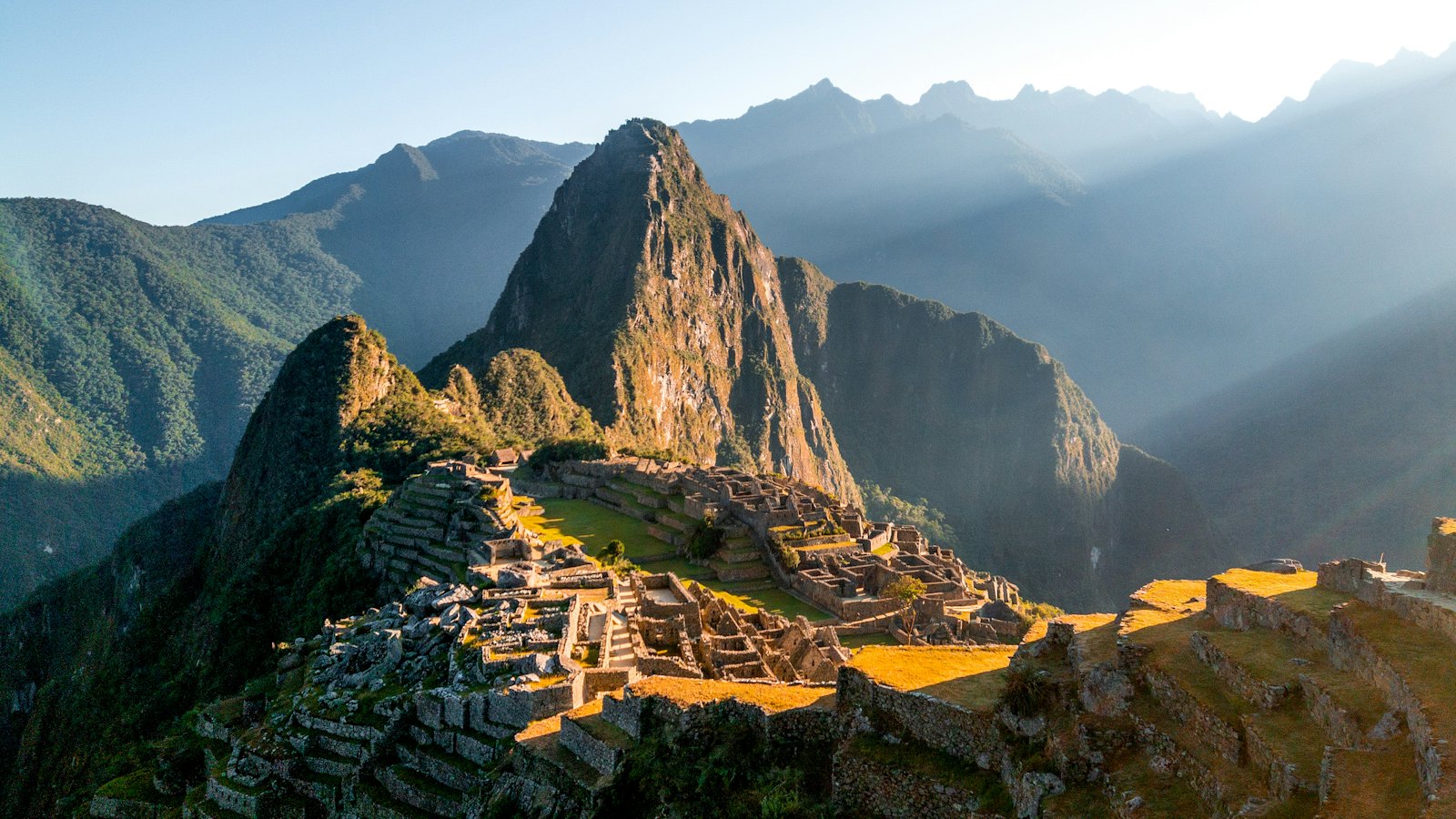
- Machu Picchu: Reserve the train, entry circuit and any required bus well ahead, especially during the drier months.
- Maras and Moray: Visit the circular agricultural terraces at Moray and the striking salt pans near Maras on a separate day trip.
Several major sites use a combined tourist ticket. Check which circuit matches your itinerary before buying.
What to eat in Cusco
Cusco cooking reflects the cold Andean climate, with potatoes, maize, quinoa, herbs and slow-cooked meats appearing frequently. Portions can be substantial, although eating lightly on the first day may help while adjusting to altitude.
Try sopa de quinua, a warming quinoa soup that is often one of the easiest local dishes to order without meat if you confirm the stock. Choclo con queso pairs large-kernel Andean corn with fresh cheese. Papa a la huancaína consists of potatoes with a creamy yellow-pepper sauce, while causa layers seasoned potato with fillings that may include chicken, tuna or avocado. Lomo saltado is stir-fried beef with onions, tomatoes, chips and rice. Chiri uchu, associated with Cusco celebrations, combines several meats and should not be assumed halal. Cuy, or guinea pig, is a regional speciality but may not appeal to every visitor.
San Pedro Market is useful for fruit, breads and inexpensive cooked meals, while the streets around the historic centre offer polished versions of Peruvian classics. Vegetarians should still ask whether soups, beans and sauces contain meat stock. Coca tea is widely offered for altitude discomfort, but it is not a substitute for medical care or proper acclimatisation.
Halal food and prayer spaces
Cusco is not an easy halal-food destination, and formal certification is uncommon. Do not assume that a restaurant serving Middle Eastern, Indian or vegetarian food uses halal meat. Ask directly about the meat source, alcohol in sauces, shared grills and pork products. Spanish phrases such as “sin cerdo” (without pork), “sin manteca de cerdo” (without lard) and “solo pescado o vegetariano” (fish or vegetarian only) are useful.
Seafood, egg and vegetarian meals are the most practical fallbacks. Choose plainly grilled trout, quinoa dishes, vegetable soups made without meat stock, corn, potatoes and avocado. Pack a few shelf-stable meals or snacks from Malaysia if strict halal assurance is essential, especially for Sacred Valley excursions and the Machu Picchu route. Zabihah and HappyCow can help identify possibilities, but confirm recent reviews and certification yourself.
Dedicated public prayer rooms are not common in Cusco, including at the airport. Ask accommodation staff for a clean private space, carry a compact prayer mat and use a qibla app. A local Muslim community or Islamic centre may be able to advise on prayers, but facilities and access can change, so contact them before visiting rather than relying on walk-in availability.
Getting around Cusco
The historic centre is best explored on foot, but cobbles, steep streets and thin air make short distances feel longer. Plan fewer stops than you would at sea level and use taxis for uphill journeys.
Street taxis are plentiful and usually operate without meters. Agree on the fare before getting in. Short central rides commonly cost around S/6 to S/15 (RM7 to RM18), with higher quotes at night, during rain or for distant neighbourhoods. Ask your accommodation to call a known driver when possible. App-based ride services operate inconsistently and availability can change. Grab does not operate in Peru, so do not expect your Malaysian Grab account to provide rides.
Local buses and colectivos are inexpensive, generally costing only a few soles, but signage and route information can be confusing. There is no tourist transit card comparable with Touch ’n Go; payment is normally in cash. Tourist buses and organised vans are convenient for archaeological sites outside the centre, while a hired driver gives families more flexibility.
For the Sacred Valley, trains to Machu Picchu commonly depart from Ollantaytambo, with some seasonal or limited services using stations closer to Cusco. Confirm the actual departure station printed on the ticket and allow extra time for road transfers.
A practical four-day Cusco itinerary
- Day 1: Arrive, check in and keep the schedule deliberately light. Walk gently around Plaza de Armas and nearby streets, eat a simple meal and rest. Avoid alcohol, hard exercise and a steep San Blas climb while your body adjusts.
- Day 2: Visit Qorikancha in the morning, then explore the cathedral area and San Pedro Market. Take a taxi uphill to Sacsayhuamán later in the day and return gradually, stopping whenever needed.
- Day 3: Join a Sacred Valley trip covering Pisac and Ollantaytambo, or arrange a slower private transfer. Stay overnight in Ollantaytambo if Machu Picchu is next, reducing backtracking and giving the valley proper time.
- Day 4: Travel to Machu Picchu using pre-booked train, bus and timed entry arrangements. If returning to Cusco the same evening, expect a long day and keep the following morning flexible.
This sequence gives Cusco itself two gentler days before the most complicated excursion. Travellers planning high-altitude hikes should add more acclimatisation time. Machu Picchu tickets use designated circuits, so ensure everyone in your group books the same circuit and entry period.
Money, SIMs and practical advice
Peru uses the sol, written S/. For rough planning, S/1 is about RM1.20, but exchange rates move, so check before departure. Carry small notes and coins for markets, taxis, buses and tips. Cards are widely accepted by established hotels, restaurants and tour operators, sometimes with a surcharge, while DuitNow QR does not work as a general payment method in Peru. Use bank ATMs in secure indoor locations and decline dynamic currency conversion if your own bank offers a better rate.
An eSIM bought before departure is convenient, while local prepaid SIMs are available with passport registration. Coverage can weaken in mountain valleys and along railway sections, so save tickets, maps and accommodation details offline. Peru commonly uses Type A and Type C sockets, with 220V electricity; Malaysians need an adapter, and should check that chargers accept 220V.
A tip is appreciated rather than universally compulsory, with a modest amount reasonable when restaurant service is not included, and small tips for guides and drivers. Watch for pickpocketing in crowded markets, unofficial taxis, distraction theft and inflated currency-exchange offers. Drink bottled or properly filtered water, use strong sun protection and seek medical attention for severe headache, breathlessness at rest, confusion or worsening altitude symptoms.
Before you go
- Best time to go
- May to September is generally the best period for dry weather, clearer mountain views and easier outdoor planning. Days can be sunny, but nights in Cusco are cold, especially from June to August, so pack layers and a warm jacket. These are also the busiest months, with higher accommodation, train and tour prices. June brings major local festivities and particularly strong demand. October to April is wetter, with January and February typically among the rainiest periods; landslides or transport disruption can affect mountain plans. Malaysian school holidays can overlap with peak-season demand in June and December, so reserve Machu Picchu entry and trains early. The shoulder months of April, May, September and October often balance manageable weather with lighter crowds.
- Visa for Malaysians
- As of September 2026, Malaysian passport holders can visit Peru without a visa for short tourist stays, with up to 90 days commonly granted on arrival. No e-visa or online arrival form is required for visa-exempt tourists. Your passport is expected to remain valid for the length of the stay, and immigration may ask to see a return or onward ticket. The permitted period is decided at entry, so check the record or stamp rather than assuming the full allowance. Travellers who need longer can request an extension from Peru’s National Superintendence of Migration, known as Migraciones, after entering the country. Entry procedures can change. Confirm on the official Migraciones site before you fly.
- Honest budget guide
- Budget around RM220 to RM500 per person per day in Cusco, excluding international flights and major Machu Picchu costs. At the time of writing, one-way fares from Kuala Lumpur start at about RM9,109, while the median found is RM10,651, so flights dominate the total. A budget room or hostel can cost roughly RM70 to RM180 a night, while a comfortable mid-range room is commonly around RM220 to RM450. Allow RM50 to RM120 a day for food and RM20 to RM60 for ordinary local transport. Archaeological tickets, Sacred Valley tours, trains and Machu Picchu arrangements add several hundred to more than RM1,500 per person, depending on comfort and routing. A typical six-day trip may therefore total roughly RM12,000 to RM18,000 per person. All figures are indicative.
Frequently asked questions
Do Malaysians need a visa for Peru?
No. As of September 2026, Malaysian passport holders can enter Peru visa-free for short tourist visits, with up to 90 days commonly granted on arrival. No e-visa or online arrival form is required. Carry a passport valid for the stay and proof of onward or return travel, and confirm current requirements on Peru’s official Migraciones site before flying.
Is there a direct flight from Kuala Lumpur to Cusco?
No direct flight operates from KLIA to Cusco as of September 2026. Most journeys require two or three connections, often including a regional transfer through Lima, Bogotá or another gateway. Allow roughly 30 to 45 hours in total and favour one protected ticket where possible.
How many days are enough for Cusco?
Four days is a workable minimum for Cusco, nearby archaeological sites, the Sacred Valley and Machu Picchu, but five to seven days is more comfortable. Extra time improves acclimatisation and provides a buffer for weather or transport delays. Add further days before attempting a demanding high-altitude trek.
What is the best month to visit Cusco?
May and September are strong choices because they sit near the edges of the dry season and may be less pressured than June to August. Dry-season travel generally offers clearer mountain conditions, but nights are cold and popular trains and Machu Picchu slots still require advance booking.
Is Cusco Muslim-friendly?
Cusco can be visited comfortably with preparation, but halal-certified food and dedicated prayer facilities are limited. Use seafood, egg and vegetarian dishes as fallbacks, ask whether stock or sauces contain pork, lard or alcohol, and carry snacks for excursions. A travel prayer mat and qibla app are particularly useful.
Can I use Grab in Cusco?
No, Grab does not operate in Peru. Cusco has plentiful street taxis, but they generally do not use meters, so agree on the total fare before entering. Ask your accommodation to arrange a known driver at night, and do not rely on an app being available for every journey.
How much money do I need for six days in Cusco?
A typical six-day trip may cost roughly RM12,000 to RM18,000 per person, including return flights from Kuala Lumpur, accommodation, meals, local transport and key excursions. The Machu Picchu train and entry arrangements can shift the total considerably. Budget travellers sharing rooms may spend less, while private transfers and premium trains cost more.
How should I handle altitude sickness in Cusco?
Rest on arrival, hydrate, eat lightly and avoid alcohol or intense exercise for the first day or two. Do not force a packed itinerary simply because attractions look close on a map. Severe headache, confusion, chest tightness or breathlessness at rest needs urgent medical attention. Travellers with health concerns should seek medical advice before the trip.
Jom pergi
Ready to go Cusco? Compare available flights and hotels for your dates. Check baggage, cancellation terms and the final total on the booking provider before paying.






