




On this page12 sections
Buenos Aires feels distinctly European at street level but moves to a Latin American rhythm. Belle Epoque buildings face leafy plazas, football loyalties run deep, tango halls fill after dark and dinner often starts when Malaysians are thinking about supper. The city rewards unhurried exploration, from San Telmo's old lanes to Palermo's parks and the vivid facades of La Boca. For travellers from Malaysia, the long journey and limited halal choices require some preparation, but entry is straightforward and daily costs can be manageable. This guide covers flights from KLIA, Ezeiza Airport transfers, neighbourhoods, public transport, Muslim facilities and realistic spending in ringgit.
Flying from Kuala Lumpur to Buenos Aires
There is no direct flight from Kuala Lumpur International Airport to Buenos Aires as of September 2026. Every practical itinerary requires at least one stop, and many involve two. Total journey times commonly run from about 28 to 36 hours, depending on the connection and whether the ticket uses Ezeiza Airport throughout or includes a change elsewhere.
At the time of writing, Amaboxly's KL fare scan shows the cheapest one-way fare at about RM 4,465 for travel on 24 November 2026 with Turkish Airlines and two stops. The median one-way fare in the scan is around RM 4,960. Other combinations seen include Ethiopian, Qatar Airways with GOL, and Qatar Airways with Iberia. These are connecting itineraries, not direct services, and schedules can change.
Check the terminal printed on your booking, since KLIA has multiple terminals and a connecting carrier or separate ticket can alter the arrangement. Leave generous connection time, especially if baggage must be collected and checked again. For Buenos Aires, a protected through-ticket is usually worth paying more for because missed connections on separate bookings can become expensive.
Ezeiza Airport to central Buenos Aires
Ministro Pistarini International Airport, commonly called Ezeiza or EZE, lies roughly 30 kilometres southwest of central Buenos Aires. Traffic is unpredictable, so the trip can take about 40 minutes early in the day or well over 90 minutes during busy periods. Argentina's inflation and exchange-rate changes make fixed peso estimates age quickly; the ranges below are indicative and should be checked upon arrival.
- Airport coach: Scheduled coaches such as Manuel Tienda Leon connect Ezeiza with central Buenos Aires. Allow around 50 to 90 minutes. A fare can fall around ARS 20,000 to ARS 40,000, roughly RM 50 to RM 100 depending on the exchange rate.
- Public bus: Bus 8 is the cheapest option, costing only a small urban fare, generally below ARS 2,000 or roughly RM 5. It can take two hours or longer and requires a SUBE card, so it is awkward after a long flight with luggage.
- Official taxi or remis: Use an authorised counter or the official taxi rank. Expect roughly ARS 60,000 to ARS 100,000, about RM 150 to RM 250, to central districts, with the final price affected by traffic and the day's rate.
- Ride-hailing: Uber, Cabify and DiDi operate in Buenos Aires. App quotes may be around ARS 45,000 to ARS 90,000, approximately RM 110 to RM 225. Follow the app's pickup directions and never accept an unsolicited driver inside arrivals.
Best areas to stay
Buenos Aires is enormous, so choosing the right neighbourhood saves time and late-night taxi fares. Stay near a Subte station if this is your first visit.
- Palermo: Best for cafes, restaurants, nightlife and younger travellers. Palermo Soho has boutiques and evening activity, while Palermo Chico and the areas near the parks feel quieter. It is farther from many historic sights but well connected.
- Recoleta: A polished, central base for first-time visitors, couples and families. Its broad avenues, museums and famous cemetery are easy to explore on foot. Accommodation generally costs more than in San Telmo or Congreso.
- San Telmo: Good for old architecture, tango atmosphere, antiques and travellers who prefer character over modern polish. Choose a busy, well-lit street and take normal precautions around quieter blocks after dark.
- Microcentro or Retiro: Convenient for Plaza de Mayo, Teatro Colon and transport links. The commercial centre becomes subdued once offices close, while the edges of Retiro vary sharply from block to block.
Puerto Madero is modern and comfortable but usually expensive, with less neighbourhood life and fewer convenient Subte connections.
Essential things to do
- Plaza de Mayo: Begin at Argentina's political heart, framed by the Casa Rosada, cathedral and historic civic buildings.
- San Telmo: Walk its cobbled streets, browse the covered market and visit on Sunday when the antiques fair fills Defensa, while watching your belongings in the crowd.
- La Boca: See the painted buildings of Caminito and the exterior of La Bombonera. Visit during daylight and use a taxi or ride-hailing car rather than wandering beyond the tourist streets.
- Recoleta Cemetery: Explore elaborate mausoleums and look for the tomb of Eva Peron. Entry arrangements and charges can change, so check before visiting.
- Teatro Colon: Join a tour or attend a performance inside one of South America's celebrated opera houses.
- Palermo parks: Slow down around the rose garden, lakes and green spaces, especially in spring.
- MALBA: See major modern and contemporary Latin American art in a manageable museum setting.
- El Ateneo Grand Splendid: Browse books beneath the balconies and painted ceiling of a converted theatre.
- Tango: Watch a formal stage show or visit a milonga for the social-dance tradition. At a milonga, observe the floor etiquette before joining in.
- Football: A stadium tour is simpler than securing a match ticket. For matches, buy only through official channels or a reputable authorised provider.
What to eat and where to find it
Buenos Aires dining revolves around beef, Italian influence and long, social meals. A parrilla is the classic grill, but portions can be large enough to share. Order bife de chorizo for sirloin, ojo de bife for ribeye or entraña for a thinner, strongly flavoured cut. Chimichurri, a herb and garlic sauce, usually accompanies grilled meat.
Empanadas make an easy lunch, with fillings such as beef, chicken, cheese or humita, a creamy corn mixture. Ask about lard and alcohol if dietary restrictions matter. Porteños also eat milanesa, a breaded cutlet, and pizza with a thick base and generous mozzarella. Fugazzeta adds onions and cheese. For sweets, try alfajores filled with dulce de leche, medialunas at breakfast and helado from an ice-cream shop.
San Telmo and Palermo contain the broadest choice of casual restaurants, while neighbourhood parrillas appear across the city. Puerto Madero tends to charge more for its waterfront setting. Dinner commonly begins after 9pm, although cafes and tourist-oriented restaurants serve earlier. Service can be leisurely, so request the bill when ready rather than waiting for it to appear automatically.
Halal food and prayer spaces
Buenos Aires is manageable for Muslim travellers, but certified halal food is limited and cannot be assumed even at a beef restaurant. The city has an established Muslim community, and the King Fahd Islamic Cultural Center in Palermo is the principal mosque and a useful reference point for prayer and community information. Opening access outside congregational prayer times can vary, so confirm locally before making a special journey.
A small number of Middle Eastern and South Asian restaurants advertise halal meat, especially around Palermo and central districts. Ask clearly whether the whole menu is halal, whether certification is current and whether alcohol or pork is handled in the same kitchen. The phrases sin cerdo and sin grasa de cerdo mean without pork and without pork fat, but they do not establish halal status.
Seafood, vegetarian pasta, cheese pizza and egg-based meals are practical fallbacks. Confirm that sauces contain no wine and that empanada pastry is not made with lard. At Ezeiza Airport and shopping centres, do not rely on a dedicated prayer room unless current signs or staff confirm one. Carry a travel prayer mat and use Qibla Finder, Muslim Pro or another familiar prayer app.
Getting around Buenos Aires
The Subte metro is usually the fastest way around central Buenos Aires, supported by an extensive bus network. Both use the rechargeable SUBE card. Buy or top one up at an authorised kiosk or station where stock is available, and keep a little cash because foreign-card acceptance at small outlets can be inconsistent. Urban fares are inexpensive by Malaysian standards but change frequently with inflation.
The Subte is useful for Recoleta's edges, Palermo, Plaza de Mayo and the theatre district. It becomes crowded at commuting times, so keep phones and wallets away from doors and avoid displaying an open bag. Buses run widely and often through the night, although routes are less intuitive for newcomers. Google Maps and the city's transport-planning tools help with stop locations.
Grab does not operate in Argentina. Uber, Cabify and DiDi are common alternatives, while black-and-yellow metered taxis can be hailed on the street or arranged through an app. Check that the meter starts correctly, follow the route on your phone and avoid drivers soliciting inside transport terminals. Central rides often cost roughly ARS 5,000 to ARS 15,000, about RM 12 to RM 38, but traffic, demand and currency movements can shift that range quickly.
A four-day Buenos Aires itinerary
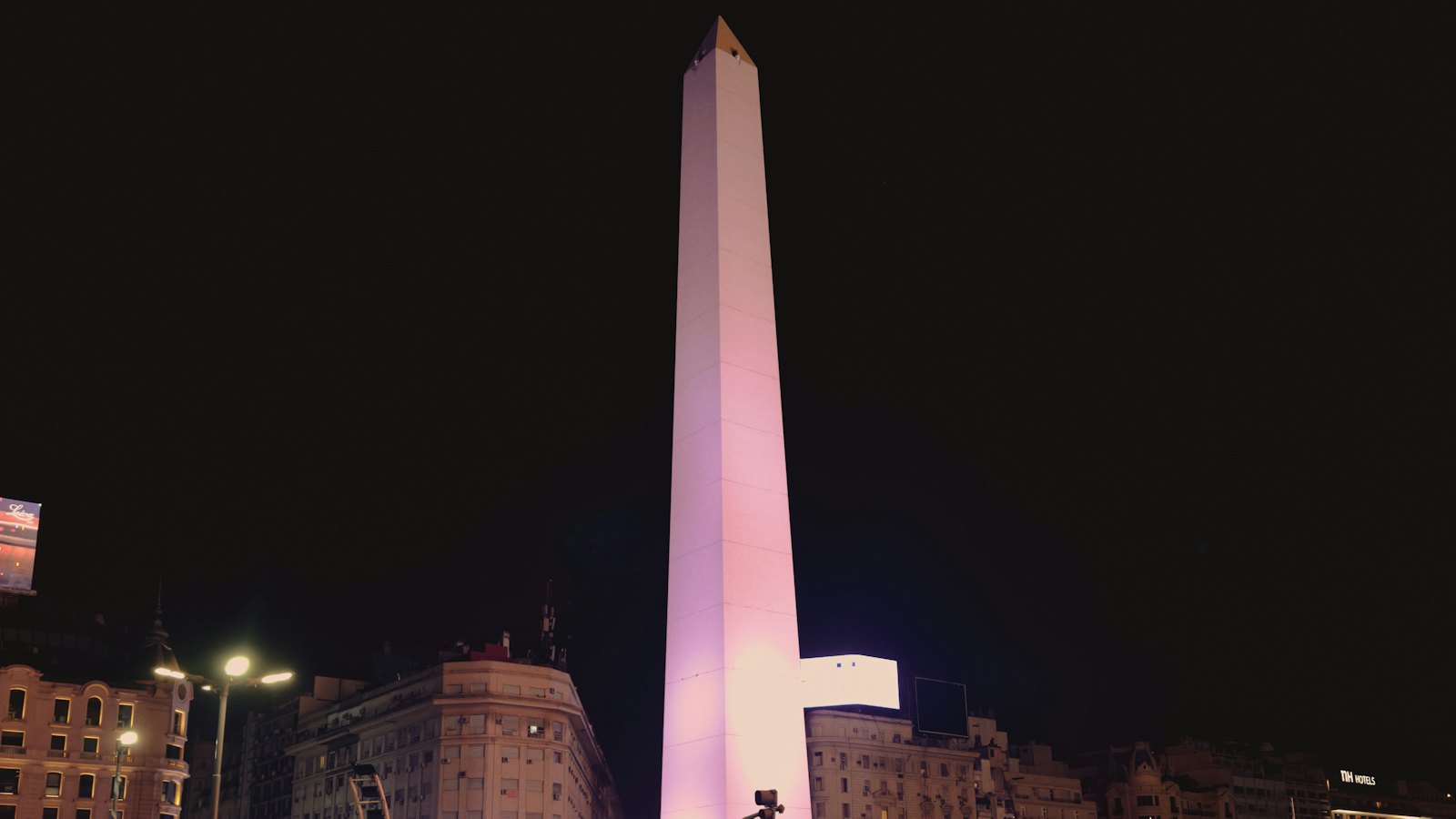
- Day 1: Start at Plaza de Mayo, view the Casa Rosada and cathedral, then walk Avenida de Mayo towards the Palacio Barolo area. Continue to the Obelisco and tour Teatro Colon if reservations are available. Finish with dinner at a traditional grill, allowing time for the city's late dining rhythm.
- Day 2: Visit Recoleta Cemetery, explore the surrounding streets and continue to MALBA. Spend the late afternoon among Palermo's parks, then eat in Palermo Soho or attend a carefully chosen tango show.
- Day 3: Explore San Telmo and its market in the morning. If it is Sunday, allow extra time for the antiques fair. Take a taxi or ride-hailing car to Caminito in La Boca, stay within the well-visited area, then return before evening. Consider a milonga at night for a less theatrical view of tango.
- Day 4: Browse El Ateneo Grand Splendid, revisit Palermo for shopping and cafes, or take a ferry day trip to Colonia del Sacramento in Uruguay. The international ferry involves border formalities, so carry your passport and verify Uruguay's current entry requirements before booking.
Money, SIMs and practical advice
Argentina uses the Argentine peso, written ARS. Exchange rates and prices can move quickly, so check a current rate rather than relying on an old ringgit conversion. Cards work at many hotels, supermarkets and established restaurants, but carry modest peso cash for kiosks, tips, small purchases and occasions when a foreign card fails. DuitNow QR does not work as a general payment method in Argentina. Decline dynamic currency conversion and choose payment in pesos when a terminal offers the choice.
Local prepaid SIM rules and packages change, making a travel eSIM arranged before departure the easiest option for many Malaysians. Download offline maps and save accommodation details before landing. Argentina commonly uses Type C and Type I sockets, with 220V electricity, so pack a universal adapter.
A restaurant tip of about 10 percent is customary when service is not included, preferably in cash. Buenos Aires is generally straightforward in busy visitor districts, but phone snatching, pickpocketing and distraction theft occur. Keep phones away from the road edge, avoid hanging bags over chair backs and use official transport at night. Ignore strangers offering unrequested currency exchanges or help at an ATM. Carry a photocopy of your passport and leave the original secured when it is not required.
Before you go
- Best time to go
- October to November and March to April offer the best balance of mild weather, long walking days and manageable crowds. Spring brings flowering parks and temperatures that are comfortable after Malaysia's humidity, while autumn is pleasant for neighbourhood walks and outdoor dining. December to February can be hot and humid, with quieter residential streets during the main summer holiday period. June to August is cool rather than severely cold, but damp, windy days require layers. Prices rise around major festivals, football fixtures and the year-end holiday season. Malaysian school holidays can also increase long-haul airfares even when Buenos Aires itself is not at peak demand, so compare dates several months ahead.
- Visa for Malaysians
- As of September 2026, Malaysian passport holders can visit Argentina visa-free for tourism and are normally granted up to 90 days on arrival. The stay can generally be extended once for a similar period through a Direccion Nacional de Migraciones office inside Argentina. No e-visa or online arrival form is required before departure for an ordinary tourist visit. Your passport should remain valid for the length of the stay. Immigration may ask for onward or return travel details and evidence of sufficient funds, so keep these accessible. Entry decisions remain with the border authorities. Confirm the latest requirements with Argentina's Direccion Nacional de Migraciones official site before you fly.
- Honest budget guide
- Budget around RM 250 to RM 500 per person per day in Buenos Aires, excluding international flights. At the time of writing, Amaboxly's fare scan shows one-way travel from Kuala Lumpur from about RM 4,465, with a median near RM 4,960. A budget private room or simple hotel can cost roughly RM 140 to RM 250 a night, while a comfortable mid-range stay may be RM 280 to RM 500. Allow RM 70 to RM 160 daily for food and RM 15 to RM 50 for routine local transport, adding more for airport transfers, tango shows or football experiences. A typical four-night trip can therefore total around RM 6,800 to RM 9,500 per person including return flights, shared accommodation and moderate sightseeing. All figures are indicative because Argentine prices and exchange rates change rapidly.
Frequently asked questions
Do Malaysians need a visa for Buenos Aires?
No. As of September 2026, Malaysian passport holders can enter Argentina visa-free for tourism and are normally granted up to 90 days on arrival. No e-visa or online tourist arrival form is required before departure. Carry onward travel and funds evidence, and confirm the latest conditions on the official Direccion Nacional de Migraciones site before flying.
Is there a direct flight from Kuala Lumpur to Buenos Aires?
No direct Kuala Lumpur to Buenos Aires service is listed as of September 2026. Expect at least one stop, with many affordable itineraries requiring two. Overall travel commonly takes about 28 to 36 hours. A through-ticket with protected connections is preferable to separate bookings on such a long route.
How many days are enough for Buenos Aires?
Four full days provide a comfortable first visit. That allows separate time for the historic centre, Recoleta, Palermo, San Telmo and La Boca, plus a tango evening or museum. Add a fifth day for a football experience or a ferry excursion to Colonia del Sacramento, subject to Uruguay's current entry rules.
Is Buenos Aires Muslim-friendly?
The city has a Muslim community and a major mosque, the King Fahd Islamic Cultural Center, but halal-certified dining remains limited. Verify meat and kitchen practices directly instead of assuming all Argentine beef is halal. Seafood and vegetarian food are widely available, and carrying a prayer mat is useful because public prayer rooms are uncommon.
What is the best month to visit Buenos Aires?
October and November are excellent for spring weather, green parks and comfortable walking. March and April are similarly pleasant in autumn. Summer from December to February can feel hot and humid, while winter is cooler and occasionally damp. Flight prices may still rise during Malaysian school holidays, regardless of the local season.
How much money should I budget for five days?
Allow roughly RM 1,250 to RM 2,500 per person for five days on the ground, excluding flights and assuming accommodation is shared. Including return flights from Kuala Lumpur, a realistic total is approximately RM 7,000 to RM 10,000 per person. Tango shows, premium steak dinners and private transfers can push the total higher.
Can I use Grab in Buenos Aires?
No, Grab does not operate in Argentina. Uber, Cabify and DiDi are commonly used in Buenos Aires, alongside black-and-yellow metered taxis. Compare the app quote before confirming and follow the stated pickup point at Ezeiza Airport. Avoid unsolicited drivers approaching passengers inside the terminal.
Is Buenos Aires safe for Malaysian tourists?
Most visits are trouble-free with normal big-city precautions. Pickpocketing, distraction theft and phone snatching are the main concerns in crowded transport and visitor areas. Keep valuables out of sight, use a car after dark in unfamiliar districts and visit Caminito during daylight without wandering far beyond its tourist zone.
Jom pergi
Ready to go Buenos Aires? Compare available flights and hotels for your dates. Check baggage, cancellation terms and the final total on the booking provider before paying.






