




On this page12 sections
- Overview
- Flights from Kuala Lumpur to San Francisco
- Airport transfer from SFO to central San Francisco
- Choosing where to stay
- Essential San Francisco sights
- What to eat and local dining costs
- Halal dining and places to pray
- Public transport and ride-hailing
- Four-day San Francisco itinerary
- Money, payments and tipping tips
- Before you go
- FAQ
San Francisco brings waterfront scenery, dramatic hills, characterful districts and excellent food together on one compact peninsula. Malaysian visitors need to prepare for the US visa application, a lengthy connecting flight from KLIA, costly accommodation and a tipping culture. Careful planning makes the city much easier to explore. BART provides a practical airport connection, numerous famous sights are free, and grouping nearby attractions limits unnecessary transport costs. This guide explains flight options, suitable areas to stay, halal dining, local transit, seasonal weather, realistic expenses and a four-day itinerary, with estimated prices also shown in ringgit.
Flights from Kuala Lumpur to San Francisco
No nonstop KUL to SFO flight is listed as of September 2026. Travellers therefore need at least one stop, commonly through Manila, Seoul, Tokyo, Taipei, Singapore or Hong Kong. Search results include options from ANA, Korean Air and Philippine Airlines, although operating days and departure times depend on the travel date. Efficient routings generally take 17 to 24 hours from departure to arrival. Less convenient layovers may extend the journey beyond 24 hours.
Amaboxly's fare check found a lowest sampled one-way price of RM 2,332 with Philippine Airlines through Manila for 24 October 2026. The median one-way result was RM 2,367. Other route minimums in the sample were approximately RM 2,367 through Seoul, RM 2,381 through Tokyo, RM 2,573 through Taipei City, RM 2,645 through Singapore and RM 3,274 through Hong Kong. Treat every amount as a dated snapshot rather than a guaranteed fare.
These connecting carriers usually depart from KLIA Terminal 1, but the booking confirmation and boarding pass are the final references. Allow extra transfer time when separate tickets are involved because baggage may require collection and another check-in. If the connection occurs in the United States, immigration and customs formalities take place at the first US airport.
Airport transfer from SFO to central San Francisco
San Francisco International Airport lies roughly 21 kilometres south of the city centre. The conversions below use a planning rate of US$1 to RM 4.10. Your bank, card provider or money changer may apply a different rate or additional charges.
- BART: Board at the International Terminal for direct rail service to Civic Center, Powell Street, Montgomery Street and Embarcadero. Downtown travel takes close to 30 minutes and is usually US$11 to US$12, or RM 45 to RM 49. A Clipper card or an accepted contactless payment method can be used.
- SamTrans bus: Bus services generally cost US$2.25 to US$5, or RM 9 to RM 21. They are economical but may need 50 to 90 minutes to reach central districts.
- Taxi: Depending on congestion and the final address, a metered downtown trip is commonly US$45 to US$65, or RM 185 to RM 267, before gratuity. Airport surcharges may be added.
- Uber or Lyft: Typical app estimates range from US$35 to US$60, or RM 144 to RM 246, although demand pricing can raise the total substantially. Use the signed pickup zone.
BART suits most daytime arrivals. A taxi or app car may be easier late at night, with bulky luggage or when the hotel is far from a station.
Choosing where to stay
Lodging will probably consume the largest portion of a San Francisco ground budget. Read recent comments about the immediate street as well as the property, since the atmosphere can differ considerably from one block to another.
- Union Square and lower Nob Hill: These areas provide convenient access to shops, cable cars and several public transport routes. Lower Nob Hill is usually quieter but hillier. Streets to the west and south of Union Square may feel less comfortable after dark.
- Fisherman's Wharf and the Marina: Families benefit from bay scenery, flatter walking routes and proximity to Alcatraz ferries. Restaurants are aimed heavily at visitors, and reaching neighbourhood dining areas takes longer.
- Embarcadero and Financial District: Choose this zone for BART access, waterfront walks and peaceful nights. Some blocks become very quiet on weekends, while conventions can cause sharp price increases.
- Mission District and Castro: These districts appeal to visitors interested in murals, nightlife, small businesses and local restaurants. Select accommodation beside an active transit route and remain aware of the surroundings at night.
Hostel beds often run from US$45 to US$80, equal to RM 185 to RM 328. Basic private rooms are commonly US$120 to US$190, or RM 492 to RM 779. Comfortable mid-range rooms frequently reach US$180 to US$300, or RM 738 to RM 1,230, before taxes and any facility charges.
Essential San Francisco sights
San Francisco rewards visitors who combine major landmarks with nearby neighbourhoods. Weather can change rapidly between the sheltered centre and the exposed coast, so keep an extra layer available even on a bright morning.
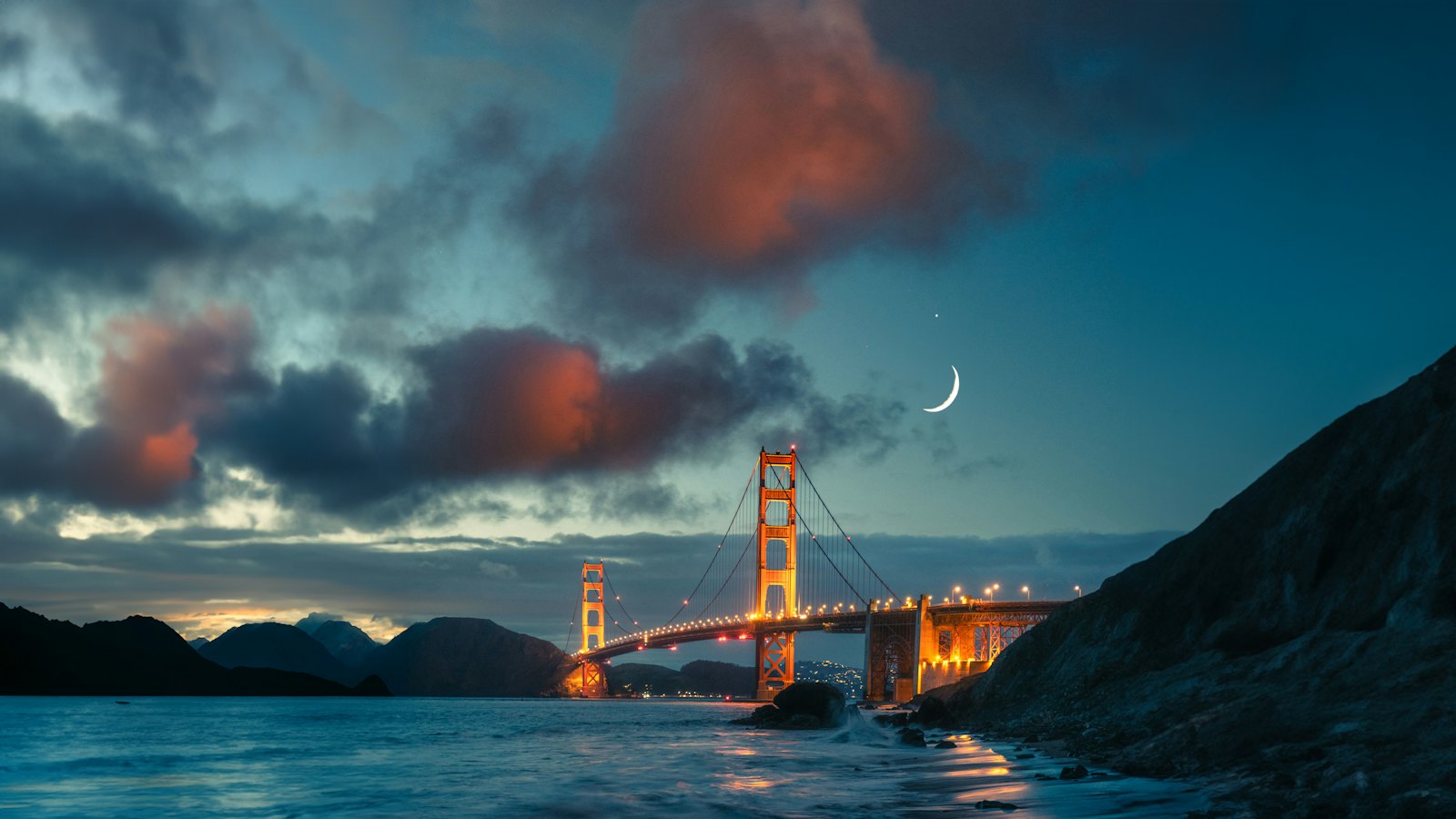
- Golden Gate Bridge: Walk along part of the eastern side for views across the bay and towards the skyline. Expect strong wind or sudden fog.
- Alcatraz Island: Depart from Pier 33 for the official ferry and former prison tour. Buy from the authorised operator well ahead because popular departures sell out.
- Golden Gate Park: The extensive grounds contain museums, gardens, lakes and lengthy walking paths. Select a few priorities instead of attempting everything.
- Ferry Building and Embarcadero: Sample food vendors, enjoy Bay Bridge views and follow the waterfront towards the piers.
- Chinatown: Compare tourist-focused Grant Avenue with Stockton Street's produce shops, bakeries and everyday markets.
- North Beach: Explore Italian-American heritage, cafes and bookshops before continuing towards Telegraph Hill and Coit Tower.
- Mission District: View the art in Balmy Alley and Clarion Alley, then try the neighbourhood's famous burrito style.
- Alamo Square: See the Painted Ladies without disturbing residents of these privately occupied Victorian houses.
- Lands End: Follow the coastal trail in shoes with reliable grip and remain well away from exposed cliff edges.
- Twin Peaks: Go during clear conditions because fog can obscure the panorama very quickly.
What to eat and local dining costs
The city's cooking reflects immigrant communities, Pacific seafood and produce grown across northern California. A Mission-style burrito is a substantial starting point, usually wrapped in foil and packed with beans, rice, salsa and a selected protein. Chinatown offers dim sum, pulled noodles and Cantonese roast dishes. Anyone avoiding pork or alcohol should ask what goes into fillings, broths and sauces.
Seasonal Dungeness crab, oysters and cioppino represent the local seafood tradition. Cioppino is a tomato-based fish stew linked to San Francisco's Italian fishing community. Sourdough filled with clam chowder remains a waterfront classic, though prices in the busiest visitor areas can be steep. North Beach has Italian-American pasta, focaccia and coffee, while the Richmond and Sunset districts provide noteworthy Chinese, Vietnamese, Japanese and other Asian meals.
The Ferry Building gathers local bread, cheese, confectionery and seasonal produce under one roof. Neighbourhood bakeries and farmers' markets are useful for less expensive snacks during the day. A casual lunch generally costs US$15 to US$25, approximately RM 62 to RM 103. Dinner at a table-service restaurant commonly reaches US$25 to US$50, or RM 103 to RM 205, for each diner before sales tax and gratuity.
Halal dining and places to pray
Muslim visitors can navigate San Francisco comfortably with advance research, although verified halal choices are not as widespread as they are in Kuala Lumpur. Middle Eastern, Turkish, Pakistani, Indian and Afghan restaurants provide many of the most promising options. Concentrations can be found around the Tenderloin, SoMa and nearby central areas. Ask the restaurant directly about its meat supplier and kitchen practices. A pork-free menu alone is not proof that food is halal, and alcohol may appear in sauces, marinades or desserts.
Vegetarian, clearly labelled vegan and seafood meals can offer practical alternatives. It is still sensible to ask about cooking wine, animal-derived ingredients and fryers shared with non-halal food. Community reports about halal businesses can be checked online, while current menus and vegetarian alternatives can be checked through Google Maps and HappyCow. Verify recent information because suppliers and ownership may change.
The Islamic Society of San Francisco maintains a recognised city mosque that may accommodate daily prayers when facilities are open. SFO has quiet reflection spaces, but they are not dedicated Islamic prayer rooms. Bring a small prayer mat and use a qibla application. Arrange prayer around the neighbourhood plan for each day because attractions and shopping areas rarely provide a surau.
Public transport and ride-hailing
Muni operates the city's buses, light rail, heritage streetcars and cable cars. Paying with a digital or physical Clipper card simplifies transfers between Muni, BART and several other Bay Area systems. A normal Muni journey generally costs roughly US$3 to US$4, or about RM 12 to RM 16. Cable cars use a separate fare of roughly US$8 to US$9, or about RM 33 to RM 37. Check official prices shortly before visiting because tariffs can change.
BART connects SFO with downtown and the Mission, and it also runs beneath the bay. It does not reach every sightseeing district, and fares vary by distance. Muni is generally more useful for Fisherman's Wharf, Golden Gate Park and residential neighbourhoods. Route-planning applications help compare choices, but estimates for walking can understate the effort required on steep streets.
Grab has no San Francisco service. Visitors can instead book Uber or Lyft, hail a conventional taxi or use public transport. A short app journey often costs US$12 to US$25, about RM 49 to RM 103. Rain, large events and rush periods can increase the price.
Most city-only holidays do not justify renting a vehicle. Parking costs are high, car break-ins occur, and belongings must never remain visible inside. A rental becomes more useful for independent journeys along the coast or into wine country.
Four-day San Francisco itinerary
This four-day itinerary groups attractions geographically, reducing repeated journeys across the peninsula while leaving some flexibility for fog and changing weather.
- Day 1: Start at the Ferry Building and follow the Embarcadero north. Turn inland for Chinatown and North Beach, explore the area around Coit Tower, then conclude near Fisherman's Wharf. The route introduces the waterfront and several central neighbourhoods with limited backtracking.
- Day 2: Take a reserved morning ferry to Alcatraz. On returning, continue through the Marina to Crissy Field. If visibility is good, walk part of the Golden Gate Bridge. Carry a light windproof jacket even when the city centre feels warm.
- Day 3: Devote the morning to Golden Gate Park and select one principal museum or garden. Afterwards, travel west to Ocean Beach or Lands End. Use only established viewpoints if remaining for sunset.
- Day 4: See the Mission District murals and stop for a burrito with a halal, seafood or vegetarian filling as required. Continue through the Castro to Alamo Square. Finish with a cable car or historic streetcar journey and dinner near the hotel.
Three complete days can cover the best-known attractions, but four provide a calmer pace for hills, transit and neighbourhood exploration. Use an additional day for Sausalito, Muir Woods or another destination elsewhere in the Bay Area.
Money, payments and tipping tips
San Francisco uses the US dollar. For advance calculations, US$1 to RM 4.10 is a convenient estimate, but obtain the current exchange rate before leaving Malaysia. Credit cards and mobile wallets work in most places. Retain a little cash for gratuities or shops that impose a minimum card purchase. DuitNow QR is not a general payment option in the United States.
An eSIM provides an easy connection when used with an unlocked phone. Physical prepaid SIM cards are another choice, although short-term plans may appear expensive beside Malaysian packages. Save offline maps before the flight. American electricity is approximately 120 volts and sockets accept Type A or Type B plugs. Bring an adapter and verify that every device supports the voltage.
Displayed restaurant prices normally omit sales tax. At a full-service restaurant, leaving 18 to 20 percent is customary unless the bill already contains a service charge. Taxi and app drivers generally receive 15 to 20 percent.
Ordinary urban awareness is appropriate throughout the city. Street distress and public drug use are visible in parts of the Tenderloin and surrounding blocks. Secure phones while riding transit, avoid deserted streets with poor lighting and leave no property inside a parked vehicle. Do not buy admission from unsolicited sellers. Official attraction websites and authorised ticket offices are the safest sources.
Before you go
- Best time to go
- Early autumn usually provides the most reliable conditions. September and October tend to bring San Francisco's mildest, clearest weather, although wind and fog can still appear. Spring is another comfortable period, with lighter peak-season crowds and green scenery following winter rainfall. June, July and August are often cooler and mistier than Malaysians expect, especially near the Golden Gate, while holidays and major events can lift hotel rates. Winter receives more rain but is seldom bitterly cold, and accommodation bargains become easier to find away from festive dates. Pack several light layers regardless of the month because temperatures vary across neighbourhoods and drop after sunset. Malaysian school breaks can raise flight prices and family demand, so compare travel dates early instead of assuming the northern summer is automatically ideal.
- Visa for Malaysians
- Malaysian citizens must obtain a US visitor visa before this trip. As of September 2026, holders of Malaysian passports cannot travel through ESTA and need a B1/B2 visa. Applicants complete Form DS-160, pay the non-refundable US$185 fee, approximately RM 755, and schedule through the US Embassy's official system. A first application normally involves an interview. Some renewals of full-validity B1/B2 visas may qualify for an interview waiver. Malaysia currently has no additional reciprocity issuance charge, and an approved multiple-entry visa is normally valid for up to 10 years. That validity does not guarantee the duration of an individual visit. A CBP officer decides the authorised stay at entry, often allowing up to six months, and records it electronically on Form I-94. Although US law establishes a US$250 visa integrity fee, it was not displayed on the Malaysia fee page when this guide was prepared. Recheck travel.state.gov and my.usembassy.gov before paying or reserving flights.
- Honest budget guide
- A practical daily target is RM 450 to RM 800 per traveller before international airfare. That range supports a careful but reasonably comfortable San Francisco stay. Amaboxly's dated search found one-way Kuala Lumpur fares from RM 2,332 through Manila and a median result of RM 2,367. Nightly hostel beds are generally RM 185 to RM 328, basic private rooms RM 492 to RM 779, and mid-range rooms RM 738 to RM 1,230 before taxes or property fees. Set aside approximately RM 160 to RM 300 each day for meals and RM 40 to RM 100 for urban transport. Cable cars and frequent ride-hailing will increase the latter amount. For five days, one person might spend about RM 5,500 to RM 9,500 including return flights, a share of mid-range lodging and admission to several paid attractions. These estimates fluctuate with exchange rates, events, availability and the booking date.
Frequently asked questions
Do Malaysians need a visa for San Francisco?
Yes. Malaysian passport holders require a US B1/B2 visitor visa as of September 2026 because Malaysia does not participate in the Visa Waiver Program. ESTA therefore cannot be used. Complete Form DS-160 and prepare for an interview when making a first application. Always verify the latest instructions through travel.state.gov and my.usembassy.gov.
Is there a direct flight from Kuala Lumpur to San Francisco?
No nonstop service between KUL and SFO is listed as of September 2026. Available journeys normally connect in cities such as Manila, Seoul, Tokyo, Taipei, Singapore or Hong Kong. A well-timed trip usually lasts around 17 to 24 hours, while an extended layover can take the overall journey beyond one day.
What is the cheapest fare from KL to San Francisco?
Amaboxly's fare snapshot recorded RM 2,332 as the lowest one-way result, flying Philippine Airlines through Manila on 24 October 2026. The sampled one-way median was RM 2,367. Airfares move frequently and may differ according to demand, travel date, booking class, baggage entitlement and connection length.
Is San Francisco Muslim-friendly?
The city is manageable for Muslim travellers who research ahead. Middle Eastern, South Asian, Turkish and other Muslim-owned or halal restaurants operate in several central districts, but formal certification is inconsistent. Ask about meat sourcing, alcohol and shared equipment. Dedicated prayer facilities are uncommon outside mosques, so bringing a compact prayer mat is helpful.
How many days are enough for San Francisco?
Three complete days are sufficient for Alcatraz, the waterfront, Golden Gate Bridge, Chinatown and a small selection of neighbourhoods. Four days provides a more relaxed experience because hills, public transport and sudden fog can slow progress. Add a fifth day when planning an excursion to Sausalito, Muir Woods or another location beyond the city.
What is the best month to visit San Francisco?
September is often the most appealing month because afternoons are commonly mild and clearer, with October offering similar advantages. Summer may feel unexpectedly cool, windy and foggy. Spring brings comfortable walking conditions and less intense visitor pressure. Winter is rainier, though travellers can sometimes secure better accommodation prices.
How much money is needed for five days in San Francisco?
Plan on approximately RM 5,500 to RM 9,500 for each person. This estimate covers return airfare, shared mid-range lodging, food, urban transport and several ticketed attractions. Booking a private room alone, travelling at short notice or relying heavily on app cars will raise the amount. Include additional room for taxes, gratuities and currency fluctuations.
Can I use Grab in San Francisco?
No. Grab does not provide rides in San Francisco. Uber, Lyft and standard taxis are the comparable car options. Most daily sightseeing can instead be handled with Clipper and the Muni network, while BART serves the airport, downtown and selected districts. App fares may rise noticeably when demand is high.
Jom pergi
Ready to go San Francisco? Compare available flights and hotels for your dates. Check baggage, cancellation terms and the final total on the booking provider before paying.






