




On this page12 sections
- Overview
- Getting There: Kuala Lumpur to Venice
- Reaching Venice from Marco Polo Airport
- Choosing a Neighbourhood to Stay
- Essential Venice Sights and Lagoon Islands
- Venetian Food Worth Trying
- Halal Meals and Prayer Planning
- Walking, Vaporetti and Local Transport
- A Practical Three-Day Venice Itinerary
- Money, Connectivity and Everyday Advice
- Before you go
- FAQ
Venice is best experienced without rushing. Famous palaces and gondolas provide the first impression, but the city's quieter pleasures include bakery stops, residential canals, lagoon islands and accidental detours through narrow lanes. Malaysian visitors need to prepare for a connecting flight from KLIA, relatively costly rooms and limited clearly identified halal dining. This guide sets out practical flight choices, airport connections, vaporetto travel, suitable neighbourhoods and a manageable three-day plan. It also explains entry conditions, prayer options and likely expenses in ringgit so that the unusual layout of Venice feels easier to navigate.
Getting There: Kuala Lumpur to Venice
As of September 2026, travellers cannot book a listed nonstop service between Kuala Lumpur International Airport and Venice Marco Polo Airport (VCE). At least one connection is therefore required. Dubai and Istanbul commonly provide convenient transfer points. An Amaboxly fare check found Emirates tickets through Dubai beginning near RM 1,657 for a single journey, with 24 October 2026 producing the lowest observed price. Routes through Istanbul appeared from approximately RM 2,003 each way. These figures can move rapidly when European summer demand or Malaysian school breaks increase bookings.
A sensibly timed trip normally occupies about 15 to 20 hours, counting the transit period. Long airport waits can make cheaper combinations much slower. Before paying, confirm that every flight sits on the same reservation and that checked baggage will continue to Venice without collection during transit.
Check which KLIA terminal your airline uses before travelling, since long-distance carriers can depart from different buildings and confirming through the carrier's app avoids last-minute confusion. Reaching the airport around three hours early leaves time for check-in and security. Place medication, travel documents, chargers and one set of clothing in your hand luggage in case the checked bag arrives late.
Reaching Venice from Marco Polo Airport
Marco Polo Airport stands on the mainland side of the lagoon, and trains do not depart from its terminal. The appropriate transfer depends on your hotel location, luggage and arrival time. The conversions below use an easy planning rate of about RM 5 for €1.
- Express or public bus: ATVO and ACTV buses travel to Piazzale Roma, where road traffic stops at the entrance to historic Venice. Expect approximately 20 to 30 minutes and a fare near €10 to €12, equivalent to RM 50 to RM 60. Continue on foot or board a vaporetto.
- Alilaguna boat: Airport water buses call at several Venetian stops and selected islands. The ride generally lasts 45 to 90 minutes, according to the line and destination. Tickets are approximately €15 to €18, or RM 75 to RM 90. The lagoon arrival is memorable, although it may feel lengthy after flying overnight.
- Private water taxi: Direct boat transfers to central areas commonly cost €120 to €160, approximately RM 600 to RM 800. Establish the complete charge before departure, including possible supplements for baggage or late service.
- Road taxi: This works well for Mestre hotels. A car bound for the historic centre must finish at Piazzale Roma.
Find the nearest vaporetto landing to your accommodation before selecting a route. A short distance on a map can still involve multiple stepped bridges, making large suitcases awkward.
Choosing a Neighbourhood to Stay
Venetian addresses and walking routes are rarely intuitive. Compare accommodation by district, bridge count and nearby vaporetto landing instead of relying only on the map's straight-line distance.
- San Marco: This central district places first-time visitors close to St Mark's Square, the basilica and principal landmarks. Early mornings are especially convenient, but accommodation and restaurants tend to be expensive, and popular lanes become congested.
- Cannaregio: Convenient for Santa Lucia railway station, this area provides pleasant canals, local restaurants and a calmer residential mood after dark. The historic Jewish Ghetto and several useful boat stops are nearby.
- Dorsoduro: Galleries, peaceful campi and the Zattere promenade make this a strong option for couples, art enthusiasts and returning visitors. Central sights remain reachable on foot.
- Mestre: Mainland rooms often offer better value and more space for families. Regular buses and trains provide access to Venice, although commuting reduces flexibility and makes midday hotel breaks inconvenient.
Check the complete arrival route before reserving. Older properties frequently lack lifts, and reaching a room can require stairs or bridge crossings. The advertised price may also exclude the local accommodation tax collected by the property.
Essential Venice Sights and Lagoon Islands
- St Mark's Square: Visit near the start of the day, when the arcades and open square are easier to appreciate without dense excursion groups.
- St Mark's Basilica: Admire the mosaics and richly decorated interior after checking current booking procedures and clothing requirements.
- Doge's Palace: Tour the ceremonial apartments, government rooms and enclosed corridor crossing the Bridge of Sighs.
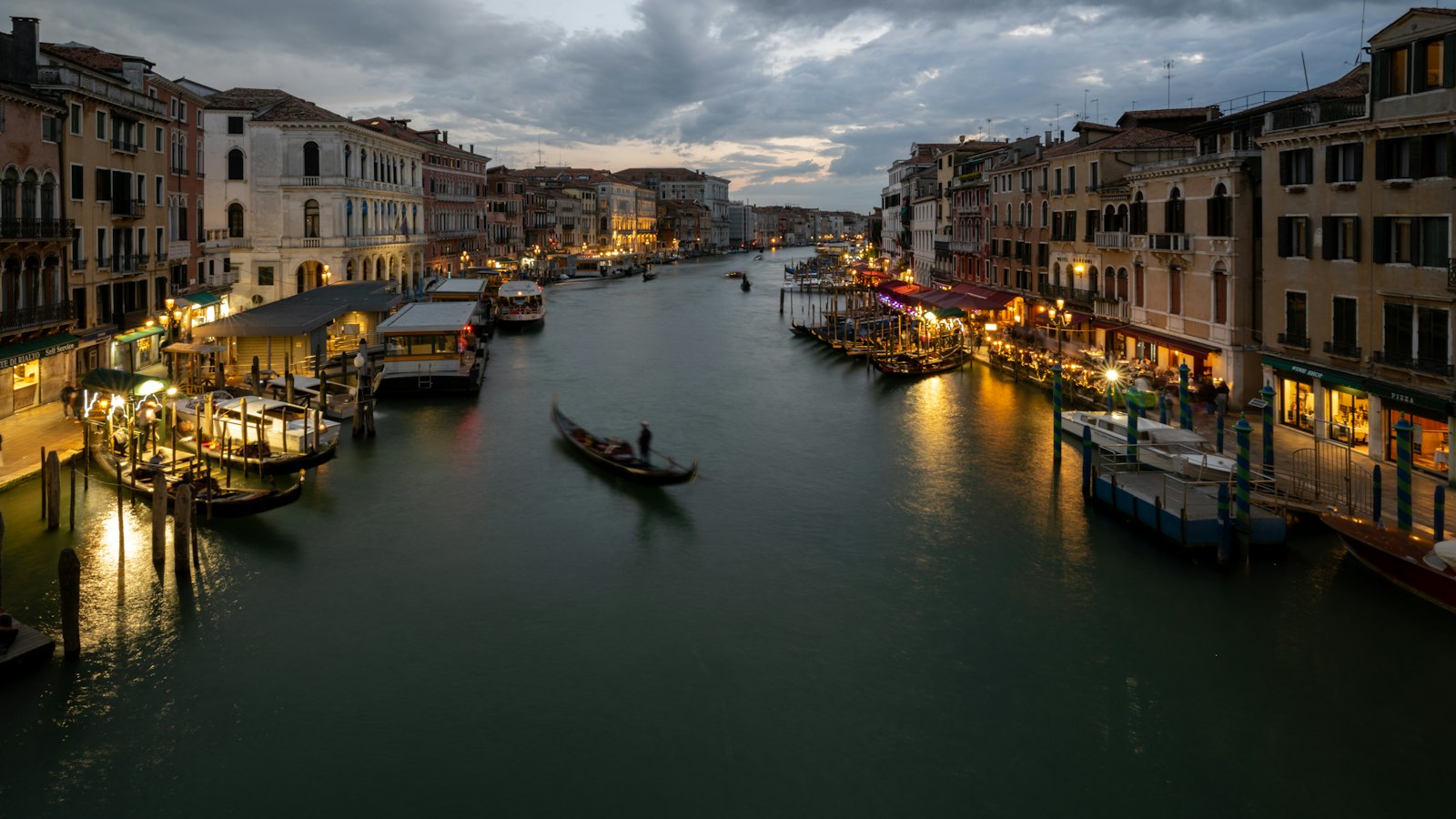
- Grand Canal: Use an ordinary vaporetto to watch palaces, delivery craft and landing stages unfold along Venice's main waterway.
- Rialto: See the bridge and morning market, then continue through San Polo's smaller passages instead of leaving after one photograph.
- Dorsoduro: Combine galleries or churches with a gentle walk beside the Zattere and through quieter public squares.
- Cannaregio: Explore the Jewish Ghetto before wandering farther into residential streets alongside narrow canals.
- Murano and Burano: Begin early to pair Murano's glassmaking heritage with Burano's brightly painted homes. Boat connections consume a substantial part of the day.
Gondolas provide atmosphere rather than useful transport and command a high price. Before boarding, agree on the displayed official tariff, trip length and intended course. Visitors watching their spending will obtain considerably more time afloat by putting the same funds toward vaporetto journeys.
Venetian Food Worth Trying
The lagoon strongly influences Venice's cooking, with fish, shellfish, polenta and counter snacks appearing throughout local menus. Cicchetti are small portions traditionally served in wine bars and commonly eaten while standing. Toppings may include salt cod, anchovy, vegetables or meat. Since pork, alcoholic ingredients and shared work surfaces are widespread, ask about each selection separately.
Notable dishes include sarde in saor, which combines sardines, onion, vinegar and raisins, and baccalà mantecato, a whipped salt-cod preparation. Risotto al nero di seppia receives its dark colour from cuttlefish ink, while bigoli is a thick regional pasta. Fritto misto usually contains assorted fried seafood, often accompanied by polenta. Sweet choices include Burano's bussolai and the cornmeal biscuits called zaeti. Tiramisu belongs to the broader Veneto tradition, but individual recipes sometimes include alcohol.
Visit the Rialto market area during the morning to view the produce and seafood trade. Cannaregio, Castello and Dorsoduro usually provide better-value dining than the most photographed squares. A coveted waterside table can increase the bill. Review prices before sitting down, look for any coperto or service charge, and compare the final bill with what you ordered.
Halal Meals and Prayer Planning
Muslim visitors can manage Venice comfortably with advance research, although the historic centre has fewer clearly marked halal businesses than Kuala Lumpur. Mestre generally provides a wider range of Muslim-operated kebab shops and Middle Eastern or South Asian restaurants. On the islands, useful search areas include Cannaregio, Santa Lucia station and the walking corridors extending from Piazzale Roma. Speak directly with staff about halal meat and whether pork or alcohol enters the same preparation space.
Vegetarian plates and seafood can solve some meal-planning problems, but their labels alone do not establish halal suitability. Wine may be used in risotto, stock can contain meat, frying oil may be shared and sweets sometimes include liqueur or animal gelatine. Saying only "no pork, no lard" does not address meat sourcing or cross-contact, so ask short, precise questions.
Established Islamic community facilities are easier to locate in mainland Mestre. Purpose-built public prayer rooms are unusual within historic Venice. Carry a small prayer mat and request a private, quiet place from your accommodation when necessary. Qibla Finder, Muslim Pro and HalalTrip may help identify directions or nearby facilities. At Marco Polo Airport, ask the information counter whether a multifaith room or quiet space is currently available and where it is located.
Walking, Vaporetti and Local Transport
Most movement within historic Venice happens on foot. Routes frequently cross stepped bridges, pass over uneven paving and follow alleys that unexpectedly terminate beside water. Save an offline map, build spare time into each journey and use a vaporetto when carrying luggage or when another long walk would be uncomfortable.
ACTV operates the public water-bus network across the Grand Canal, peripheral districts and lagoon islands. Individual rides cost roughly €8 to €10, approximately RM 40 to RM 50, which makes a timed pass worthwhile for travellers planning several trips. Depending on validity length, passes are approximately €25 to €45, or RM 125 to RM 225. Touch or validate the ticket as required before boarding, including when travelling with a pass. Certain mainland airport buses and airport boat routes are priced separately.
Cars, standard taxis and Malaysian-style Grab services cannot enter the pedestrian island streets. Road vehicles remain useful on the mainland and between the airport and Piazzale Roma. Licensed water taxis offer speed and convenience at a substantial cost. Gondolas are designed for sightseeing, not everyday journeys.
Accessibility requires detailed preparation. Some main paths and vaporetto landings accommodate travellers with reduced mobility, but bridges can obstruct the final approach to a hotel. Seasonal high water may also change which routes are practical. Ask the property to describe an accessible arrival path rather than assuming the nearest stop guarantees step-free access.
A Practical Three-Day Venice Itinerary
- Day 1: Reach St Mark's Square before the main crowds, then tour the basilica and Doge's Palace. Continue into Castello for a change of pace. Later, ride a vaporetto along the Grand Canal and arrive around Rialto after many daytime visitors have left.
- Day 2: Start at the Rialto market, cross into San Polo and gradually make your way toward Dorsoduro. Choose one gallery or church, stroll along the Zattere and enjoy small cicchetti-style portions after checking every ingredient. A boat ride after sunset reveals illuminated palaces and quieter canals.
- Day 3: Take an early vaporetto to Murano and continue onward to Burano. Avoid adding another distant island unless the sailing timetable leaves ample room. After returning to Venice, spend the evening around Cannaregio and the historic Jewish Ghetto.
Travellers interested in art collections, unhurried neighbourhood exploration or protection against rainy weather will appreciate a fourth day. Families can limit each day to one major indoor visit, followed by boat rides and time in open squares. Although Venice appears small, indirect lanes, queues and repeated bridge crossings slow progress. Keeping the schedule light creates space for the unexpected corners that often become the trip's strongest memories.
Money, Connectivity and Everyday Advice
Italy's currency is the euro. Using €1 as approximately RM 5 makes quick estimates simple, although the actual card or exchange rate should be checked before spending. Most businesses accept cards, but keeping a modest amount of cash is sensible for small transactions or technical failures. DuitNow QR is not a standard payment system in Venice. When a payment terminal offers conversion, select euros instead of ringgit and use a card with low overseas charges.
A European or Italian eSIM provides convenient access to navigation, messages and transport updates. Local prepaid SIMs are another option after reviewing identification, activation and allowance conditions. Existing European Union roaming may cover Venice when it forms part of a longer regional journey. Italian sockets include Types C, F and L at 230V, so Malaysian plugs require an adapter.
Tips are optional and restrained. Before ordering, inspect the menu for a coperto and any additional service fee. Venice is broadly safe, but crowded bridges, stations, vaporetto platforms and St Mark's Square attract opportunistic theft. Secure phones and wallets, decline unofficial baggage assistance and establish charges before accepting restaurant extras, gondolas or private boats.
During high-water periods, temporary raised paths may be installed. Shoes with reliable grip are helpful. Pack lightly when possible, and do not sit on bridge steps or block the city's narrow thoroughfares.
Before you go
- Best time to go
- Late spring and early autumn suit most Venice trips. April through June and September through October generally combine comfortable conditions with easier sightseeing. Spring temperatures are mild, though showers remain possible, while the lagoon often stays pleasant during early autumn. July and August usually mean humidity, heat, expensive rooms and heavy visitor numbers, especially when European summer holidays coincide with Malaysian school breaks. Winter offers quieter streets, cooler temperatures and shorter daylight hours. Mist and high water are more likely, but lodging may become cheaper outside Carnival dates. Carnival supplies memorable costumes and street activity while sharply increasing demand, so early reservations are important. For a conventional sightseeing holiday, consider late April, May, the second half of September or early October.
- Visa for Malaysians
- Malaysians currently receive short visa-free access to Italy. As of September 2026, holders of Malaysian passports may spend a maximum of 90 days during any moving 180-day window across the combined Schengen Area. The passport should be no more than 10 years old, contain two unused pages and remain valid for three months beyond the intended Schengen departure. At the first participating border, the Entry/Exit System can collect a facial image and fingerprints, although implementation at Italian airports is still being phased. ETIAS is neither operational nor accepting applications; its proposed charge after launch is €20. Keep evidence of lodging, sufficient funds and return or onward travel. Recheck the Italian Ministry of Foreign Affairs website at esteri.it and the European Union's official travel portal shortly before departure.
- Honest budget guide
- Venice requires a higher budget than many nearby cities. Set aside approximately RM 450 to RM 850 per traveller each day before international airfare and significant shopping. The observed single-flight price from Kuala Lumpur began around RM 1,657, but current search results should determine the return cost instead of a simple multiplication. Mainland or basic rooms may run from RM 300 to RM 550 nightly. Mid-range accommodation within historic Venice often falls between RM 650 and RM 1,200. Daily meals may require RM 120 to RM 250, with local travel adding about RM 50 to RM 150 according to pass usage. For one traveller sharing accommodation, an illustrative four-day, three-night total is RM 4,000 to RM 6,500. That amount covers round-trip air travel, lodging, meals, local journeys and several admission tickets.
Frequently asked questions
Do Malaysians need a visa for Venice?
For tourism, Malaysian passport holders may enter Italy without a visa for no more than 90 days in a moving 180-day period as of September 2026. Days spent elsewhere in Schengen count toward the same allowance. Review passport validity conditions and consult esteri.it plus the official European Union travel portal before flying.
Is there a direct flight from Kuala Lumpur to Venice?
No listed nonstop route connects KLIA with Venice as of September 2026. Typical journeys change aircraft in Dubai or Istanbul. Amaboxly's search recorded Dubai connections from about RM 1,657 for one direction. Before purchasing, verify the departure terminal, total transit time, reservation structure and checked-baggage procedure.
How many days are enough for Venice?
Three complete days provide a comfortable introduction. Use one for St Mark's Square and Rialto, another for Dorsoduro and Cannaregio, and the third for Murano and Burano. Four days are preferable for families, keen museum visitors or anyone who wants relaxed walks with protection against queues or wet weather.
Is Venice Muslim-friendly?
Venice is workable for Muslim visitors who prepare ahead. Halal restaurants are more plentiful in Mestre than in the historic centre, and direct confirmation of meat sourcing and kitchen practices is advisable. Seafood and vegetarian food can still include wine or shared cooking equipment. Mainland prayer facilities are generally easier to find.
What is the best month to visit Venice?
May is a strong choice because days are long and temperatures are usually mild, although crowds are still present. Late September and early October provide another agreeable window. July and August suit neither heat-sensitive visitors nor tight budgets. Carnival is visually impressive but brings strong demand and requires earlier booking.
How much money should I budget for four days in Venice?
A useful estimate for four days with three overnight stays is RM 4,000 to RM 6,500 per person. It assumes return airfare, a shared room, meals, ordinary local transport and several attractions. Choosing Mestre, walking frequently and reducing restaurant visits can lower spending. Central hotels and private water taxis increase it quickly.
Can I use Grab in Venice?
Grab does not provide the familiar Malaysian service within Venice. The historic islands have no normal road traffic, leaving walking, public vaporetti and licensed water taxis as the practical choices. Cars and conventional taxis operate on the mainland and may travel as far as Piazzale Roma, where Venetian roads end.
Should I stay in Venice or Mestre?
Historic Venice is better for canal atmosphere, dawn sightseeing and evening walks without commuting. Mestre generally offers lower prices, larger rooms and simpler access by road. Its disadvantage is the daily bus or train journey. Travellers carrying bulky bags may prefer Mestre, while first-time visitors often value an island stay.
Jom pergi
Ready to go Venice? Compare available flights and hotels for your dates. Check baggage, cancellation terms and the final total on the booking provider before paying.






