




On this page12 sections
- Overview
- Getting There: Kuala Lumpur to Athens
- Reaching Central Athens from the Airport
- Where to Stay in Athens
- Essential Sights and City Experiences
- Greek Food and Dining Areas
- Halal Meals and Places to Pray
- Transport Within Athens
- Four Days in Athens
- Payments, Connectivity and Practical Advice
- Before you go
- FAQ
Athens offers much more than a quick photograph of the Parthenon. Ancient monuments overlook modern apartment blocks, family-run tavernas fill after sunset, and Piraeus ferries open the way to nearby islands. Malaysian visitors should prepare for an indirect flight, powerful summer heat and a halal dining scene that requires advance checking. In return, the Greek capital provides an efficient metro, compact historic districts and plenty of inexpensive street life. This guide explains flight connections from Kuala Lumpur, arrival transport, suitable places to stay, Muslim-friendly facilities, expected costs and an achievable four-day programme.
Getting There: Kuala Lumpur to Athens
No airline operates a nonstop Kuala Lumpur to Athens service as of September 2026. Travellers therefore need at least one connection, commonly in Singapore, Abu Dhabi, Doha, Dubai or Istanbul. Airlines appearing in current searches include Scoot, Emirates, Etihad, Gulf Air and Qatar Airways, alongside itineraries combining Malaysia Airlines with Royal Jordanian. If separate tickets are involved, confirm whether you must collect and recheck your luggage.
Total travel time depends heavily on the layover chosen, so compare a few connection options before booking. Greek summer time places Athens five hours behind Malaysia, while the winter difference is six hours.
Our September 2026 fare scan found a lowest one-way price of RM 1,082 with Scoot through Singapore for 10 October 2026. The observed one-way median was RM 1,345. The cheapest examples through other hubs were RM 1,345 through Abu Dhabi, RM 1,352 through Doha, RM 1,467 through Dubai and RM 1,533 through Istanbul. These are snapshots rather than guaranteed prices.
Airline arrangements and terminals at KLIA can vary, including for codeshare flights, so check the terminal shown on your issued itinerary before travelling.
Reaching Central Athens from the Airport
Athens International Airport lies approximately 30 kilometres east of the central districts. The conversions here use an indicative rate of €1 to RM 4.70, although your bank may apply a different rate.
- Metro: Airport trains on Line 3 serve Syntagma and Monastiraki. The ride to Syntagma is about 40 minutes, and the special airport ticket costs roughly €8 to €10, or about RM 38 to RM 47. It is not the same as an ordinary urban ticket, so keep it until you have passed the exit gates.
- Suburban railway: Rail services travel towards Athens Railway Station and Piraeus. They are helpful for passengers continuing by intercity train or ferry. Expect about 45 minutes to central Athens and a fare of roughly €8 to €10, or about RM 38 to RM 47. Check the display carefully because metro and railway services use part of the same route.
- Express bus: The X95 terminates at Syntagma. Other airport routes serve Piraeus and additional parts of the metropolitan area. Tickets cost roughly €5 to €6, or about RM 23 to RM 28, and the X95 usually needs 45 to 70 minutes depending on road conditions.
- Taxi: A regulated journey to the designated central zone costs roughly €35 to €45, or about RM 165 to RM 210, during daytime hours and roughly €50 to €60, or about RM 235 to RM 280, overnight. Ask whether your accommodation falls inside that zone.
The metro is usually easiest for one person staying near Line 3. A regulated taxi may offer better value for two or three people carrying several bags.
Where to Stay in Athens
- Plaka and Makrygianni: These districts suit first-time visitors, families and anyone wanting the Acropolis and its museum nearby. Their historic surroundings are appealing, but rooms and restaurants often command higher prices. Expect inclines, stairs and irregular paving beneath the Acropolis.
- Monastiraki and Psyrri: Stay here for markets, restaurants, nightlife and convenient airport metro access. Activity continues late, so light sleepers should request a room away from the busiest squares. Secure bags carefully in crowded streets.
- Syntagma and Kolonaki: Syntagma provides excellent transport, including the X95 airport bus, while elevated Kolonaki has refined cafes and a more residential mood. Both work well for couples and shoppers, although rates are commonly mid-range or expensive.
- Koukaki: This is a calmer base with bakeries, relaxed restaurants and a manageable walk to the principal archaeological area. It works particularly well for a longer visit.
Omonia offers inexpensive accommodation and strong transport links, but conditions differ noticeably between adjoining streets after dark. Read recent guest reports and inspect the precise location before reserving a budget room. In most cases, being close to any useful metro station matters more than staying beside Syntagma itself.
Essential Sights and City Experiences
- Acropolis: Arrive near opening time to see the Parthenon and Erechtheion before the exposed summit becomes intensely hot. Shoes with reliable grip help on the polished stone.
- Acropolis Museum: Its galleries explain the sculptures and discoveries associated with the hill. Excavated remains can also be viewed beneath the glass entrance area.
- Ancient Agora: Walk through the former civic heart of classical Athens and examine the remarkably intact Temple of Hephaestus.
- Plaka and Anafiotika: Explore the older lanes below the Acropolis, then carefully climb into the tiny whitewashed quarter created by builders with island roots.
- Syntagma guard ceremony: See the ceremonial unit outside the Parliament building. Sunday traditionally features a longer and more formal presentation.
- National Archaeological Museum: Reserve at least two hours for collections covering prehistoric Greece, sculpture and later antiquity.
- Lycabettus Hill: Visit close to sunset for an expansive panorama. A funicular provides an alternative to walking, and descending before dark is sensible.
- Panathenaic Stadium: Step inside the marble arena connected with the inaugural modern Olympic Games.
- Central Market: Visit during business hours for produce, spices, fish and meat stalls. Floors in the food halls may be wet.
- Stavros Niarchos Foundation Cultural Center: Combine its landscaped park and waterfront outlook with time along the Athenian Riviera.
Greek Food and Dining Areas
Athens makes casual meals easy. A bakery breakfast might include koulouri, the local sesame-covered bread ring, or spanakopita filled with spinach and cheese. Thick Greek yoghurt served with honey is another simple option.
Souvlaki consists of grilled pieces of meat, while gyros usually arrives inside pita with vegetables and sauce. Muslim diners should identify both the meat and its supplier instead of treating poultry as automatically halal. Moussaka combines aubergine, minced meat and béchamel. Pastitsio uses pasta, mince and a creamy baked topping.
Traditional vegetable cooking provides useful alternatives. Look for gemista, which are stuffed vegetables, gigantes beans baked in sauce, smooth fava made from split peas, briam roasted vegetables and horiatiki salad. Ask whether broth, animal fat or meat appears in the preparation.
Around the Central Market, diners can find traditional kitchens and affordable counters. Plaka is convenient but largely aimed at tourists. Psyrri, Koukaki and the residential roads of Pangrati provide a wider selection of neighbourhood tavernas and bakeries. Coastal restaurants specialise in grilled fish, octopus and calamari. Muslim travellers should still enquire about wine-based sauces and equipment shared with unsuitable ingredients.
For dessert, order loukoumades. These small pieces of fried dough are commonly finished with honey or syrup.
Halal Meals and Places to Pray
Muslim visitors can manage comfortably in Athens with some preparation, although the selection is smaller than in Istanbul or large British cities. Omonia, Victoria Square and surrounding central roads contain the most noticeable cluster of Middle Eastern and South Asian restaurants, halal grocers and butchers.
Do not rely solely on a halal sign or a claim that no pork is served. Ask staff about the meat supplier, certification, alcohol in marinades and sauces, and whether pork products use the same fryer or grill. Restaurant practices can change, so confirmation at the venue is more dependable than an old online review.
When suitable meat is unavailable, consider seafood restaurants, vegan kitchens or Greek dishes based on beans and vegetables. Soups, pastries and stuffed vegetables still merit an ingredient check because cooks may use meat broth or animal fat. HappyCow, Zabihah and recent map reviews can help identify possibilities, but call ahead where practical.
Athens Mosque, located in Votanikos, is the capital's main purpose-built Islamic place of worship. Smaller community prayer rooms exist in several central areas, though opening arrangements differ. The airport also provides a quiet worship room, and staff can direct passengers to its current location. A lightweight prayer mat and a qibla application are useful during long sightseeing days, since archaeological attractions rarely provide dedicated prayer facilities.
Transport Within Athens
Many central attractions can be reached on foot, but steep streets, summer temperatures and smooth ancient paving can make a short map distance tiring. Athens combines metro trains, buses, trolleybuses and trams within one urban system. A normal city ticket costs roughly €1 to €1.50, or about RM 5 to RM 7, and permits transfers during its stated validity window. Airport journeys are excluded. Passengers must obtain or load the correct ticket and validate it as required, since inspectors conduct checks.
For most short visits, the metro is the clearest option. Line 2 serves the Acropolis vicinity. Line 3 passes through Syntagma and Monastiraki and continues along the airport corridor. Line 1 links central stations with Piraeus. Trams take longer but can be helpful for selected coastal destinations. Verify operating hours and the final departure through the official journey planner, particularly late at night.
Grab is unavailable in Athens. Free Now is commonly used for licensed taxi bookings. Uber also operates differently from the familiar Malaysian private-car service, generally matching customers with authorised taxi drivers. Metered trips within the centre often cost about €6 to €15, equivalent to roughly RM 28 to RM 71, before any applicable supplements. Book through an app or use an official rank, check that the meter has started and retain the receipt if the amount appears questionable.
Crowded public transport is a common setting for pickpocketing. Keep phones, passports and wallets secured, especially on airport trains and around Monastiraki or Syntagma.
Four Days in Athens
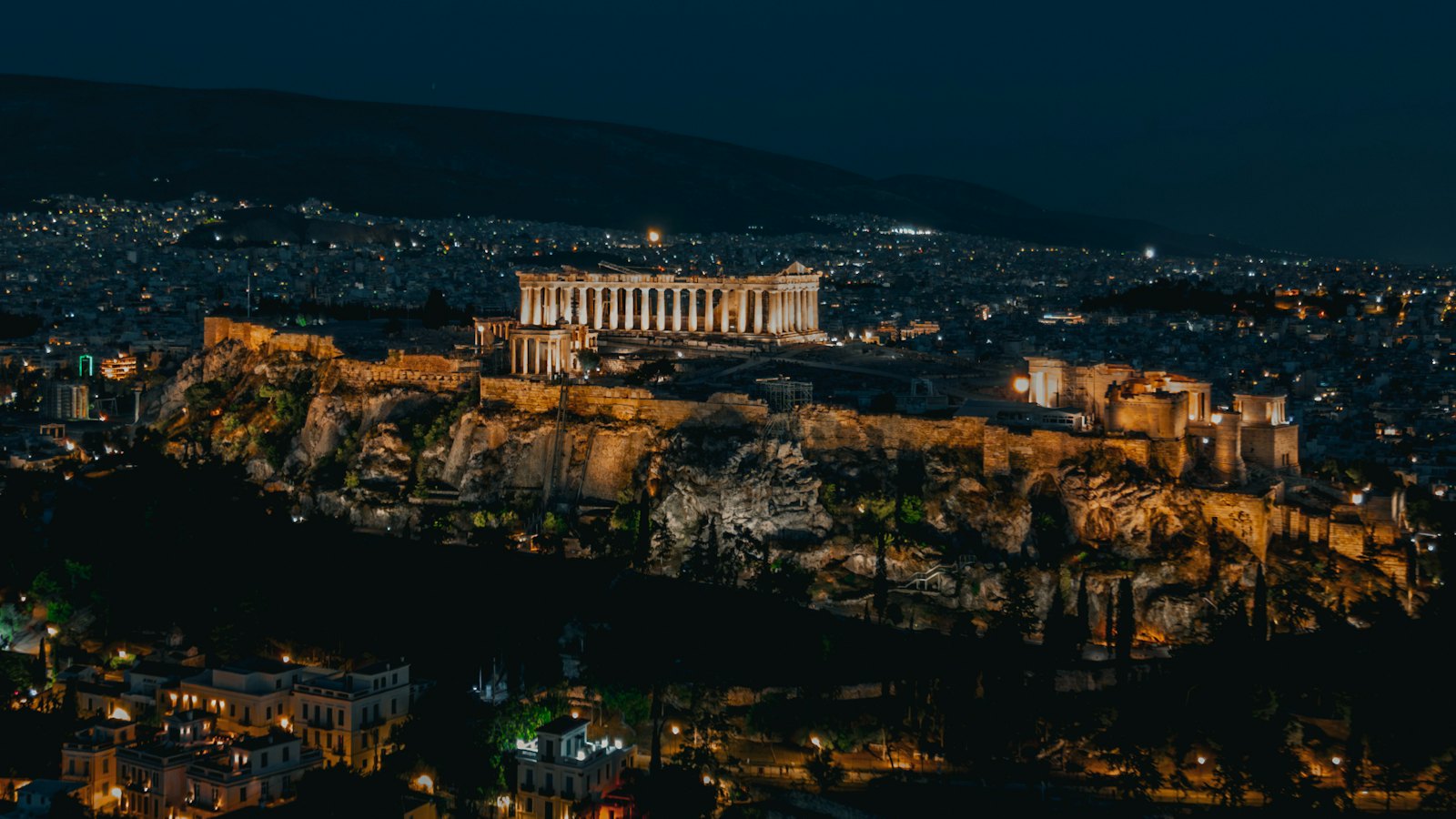
- Day 1: After checking in, cross Syntagma Square and stroll through the National Garden. Continue to the Panathenaic Stadium and spend the evening among Plaka's lanes. Finish near Monastiraki, where the illuminated Acropolis dominates the skyline.
- Day 2: Start at the Acropolis before the strongest heat. Follow it with the Acropolis Museum and lunch in Koukaki. Visit the Ancient Agora later, then walk into Psyrri. Carry drinking water and build shaded breaks and prayer time into this physically demanding day.
- Day 3: Explore the National Archaeological Museum before browsing the Central Market district. Return towards Syntagma for the guards, then ascend Lycabettus Hill around sunset if visibility is good.
- Day 4: Select a relaxed outing along the Athenian Riviera and visit the Stavros Niarchos complex. Alternatively, travel to Cape Sounion for the coastal scenery and Temple of Poseidon. Aegina is another possibility, reached by ferry from Piraeus. Leave generous time to find the correct port gate and board.
Three complete days can cover the most important ruins, museums and historic neighbourhoods. A fourth produces a gentler pace and creates room for the shoreline or an island. Keep the Acropolis and any ferry excursion on separate days to avoid an exhausting schedule.
Payments, Connectivity and Practical Advice
The euro is Greece's currency. Using €1 as approximately RM 4.70 makes €10 about RM 47 for preliminary budgeting. Hotels, museums, supermarkets and established restaurants usually accept cards. Keep a modest amount of cash for kiosks, traditional markets, small bakeries and low-value purchases. DuitNow QR is not an everyday Greek payment option. If a terminal offers conversion into ringgit, reject it and request a charge in euros instead.
Greek mobile companies sell prepaid SIM cards locally. Travellers who want navigation immediately after landing may prefer to arrange an eSIM before leaving Malaysia. Compare data limits, expiry periods and tethering conditions. Wall sockets accept Type C and Type F plugs at 230V, requiring an adaptor for Malaysia's three-pin plug.
Service tips are appreciated but not obligatory. Customers often round up taxi and cafe payments. For attentive table service, 5 to 10 percent is reasonable when the bill contains no service fee. Athens tap water is commonly consumed, although bottled water is convenient while walking in hot weather.
Use standard precautions against crowded-train theft, distraction schemes near tourist squares, unclear menu pricing and unauthorised taxi offers. Heat emergencies or wildfires can disrupt excursions outside the urban centre during summer, so consult local warnings. Insurance should include overseas medical treatment, travel delays and ferry connections missed because of disruption.
Before you go
- Best time to go
- Spring and early autumn are the most agreeable periods for Athens. April, May, late September and October usually combine comfortable walking conditions with less pressure at major sights. Spring colours the surrounding hills, while the sea often remains pleasantly warm in early autumn. July and August bring the largest visitor numbers, expensive rooms and punishing midday temperatures at exposed ruins. During a summer trip, reserve outdoor monuments for the morning and spend the hottest hours inside. Winter has more rain and cooler days, but accommodation may be cheaper and archaeological areas quieter. Ferry frequency to smaller islands can decline. Greek Easter sometimes changes shop and transport hours. Airfares from Kuala Lumpur may rise around Malaysian school breaks, particularly in June and December, so test several departure dates.
- Visa for Malaysians
- As of September 2026, Malaysians do not need a visa for short stays in Greece. A Malaysian passport allows visits totalling no more than 90 days during a rolling 180-day window across all Schengen countries combined. Days used in France, Italy, Germany or another member state count towards the same total. Greece uses the operational EU Entry/Exit System, under which a first arrival includes facial imaging and fingerprints rather than a conventional passport stamp. ETIAS is expected to launch in the final quarter of 2026 with a €20 fee, about RM 93, though it is not yet open for applications, and an initial transition period of at least six months is planned before it becomes compulsory. The passport's issue date must be less than 10 years before entry, and its validity must extend three months beyond the intended Schengen departure. Confirm the latest rules on the official travel-europe.europa.eu portal before travelling.
- Honest budget guide
- A practical Athens allowance is RM 350 to RM 650 per person for each day, before international airfare. Our September 2026 fare scan identified one-way Kuala Lumpur fares beginning at RM 1,082 and a median of RM 1,345. Return costs depend on travel dates and included baggage. Expect approximately RM 120 to RM 250 nightly for a hostel bed or basic room. A comfortable mid-range double commonly falls between RM 350 and RM 650. Daily food spending of RM 80 to RM 160 can cover a bakery breakfast, an informal lunch and a taverna dinner. Set aside RM 25 to RM 60 for travel within the city, plus a separate amount for admission tickets. With two people sharing accommodation, an illustrative four-night total is RM 3,500 to RM 5,800 each, covering return flights, lodging, meals, local journeys and principal attractions.
Frequently asked questions
Do Malaysians need a visa for Athens?
As of September 2026, Malaysian citizens do not require a visa for a short Greek visit. Their combined presence throughout Schengen cannot exceed 90 days in a rolling 180-day calculation. Carry proof of lodging, sufficient funds and onward departure in case border officials ask for it. Passport age and remaining-validity rules also apply, so consult travel-europe.europa.eu shortly before departure.
Is there a direct flight from Kuala Lumpur to Athens?
There is no scheduled nonstop service between KUL and Athens as of September 2026. Travellers normally change aircraft once in a hub such as Singapore, Doha, Abu Dhabi, Dubai or Istanbul. Total flight time varies considerably depending on the layover chosen. Our fare scan found results starting at RM 1,082 one way with Scoot through Singapore.
Is Athens Muslim-friendly?
Athens is manageable for Muslims who research meals and prayer stops in advance. Omonia and Victoria Square have the broadest concentration of halal businesses, but diners should verify meat sources, alcohol use and shared equipment. Votanikos is home to Athens Mosque, and the airport offers a quiet worship space. Seafood, vegan cooking and Greek bean dishes widen the dining choices.
How many days are enough for Athens?
Allow three complete days for the Acropolis, Acropolis Museum, Ancient Agora, central districts and another major museum. Four days feels less rushed and leaves room for the Riviera, Cape Sounion or an Aegina ferry trip. Families, slower walkers and summer visitors who plan an indoor afternoon break may benefit from adding a fifth day.
What is the best month to visit Athens?
May and October are excellent choices because walking temperatures are generally gentler and crowds are lighter than during the July and August peak. April and the latter part of September also work well. High summer is convenient for pairing the capital with islands but can be extremely hot. Winter brings quieter monuments and lower rates, alongside more rain and reduced ferry services.
How much money is needed for five days in Athens?
An indicative five-day amount is RM 3,700 to RM 6,300 per traveller. That estimate includes return air travel, four nights in a room shared by two people, meals, local transportation and major admission charges. Hostels and bakery food can lower spending. A central upscale hotel, frequent taxi rides, shopping or excursions will raise it, so retain a contingency fund.
Can I use Grab in Athens?
Grab has no Athens service. Free Now provides a familiar way to summon a licensed taxi, while Uber generally dispatches authorised taxis rather than private motorists. Yellow cabs are also available at official ranks and on the street. Unless the regulated airport price applies, check that the driver uses the meter. Choose payment in euros if offered a ringgit conversion.
Is Athens safe for Malaysian travellers?
Most visitors explore Athens without serious difficulty when applying ordinary urban precautions. Opportunistic theft is the leading concern on busy trains and near Syntagma, Monastiraki and prominent monuments. Place valuables in a fastened bag held in front, use authorised transport and avoid showing large amounts of cash. Solo guests should favour well-reviewed lodging with a well-lit approach at night.
Jom pergi
Ready to go Athens? Compare available flights and hotels for your dates. Check baggage, cancellation terms and the final total on the booking provider before paying.






