




On this page12 sections
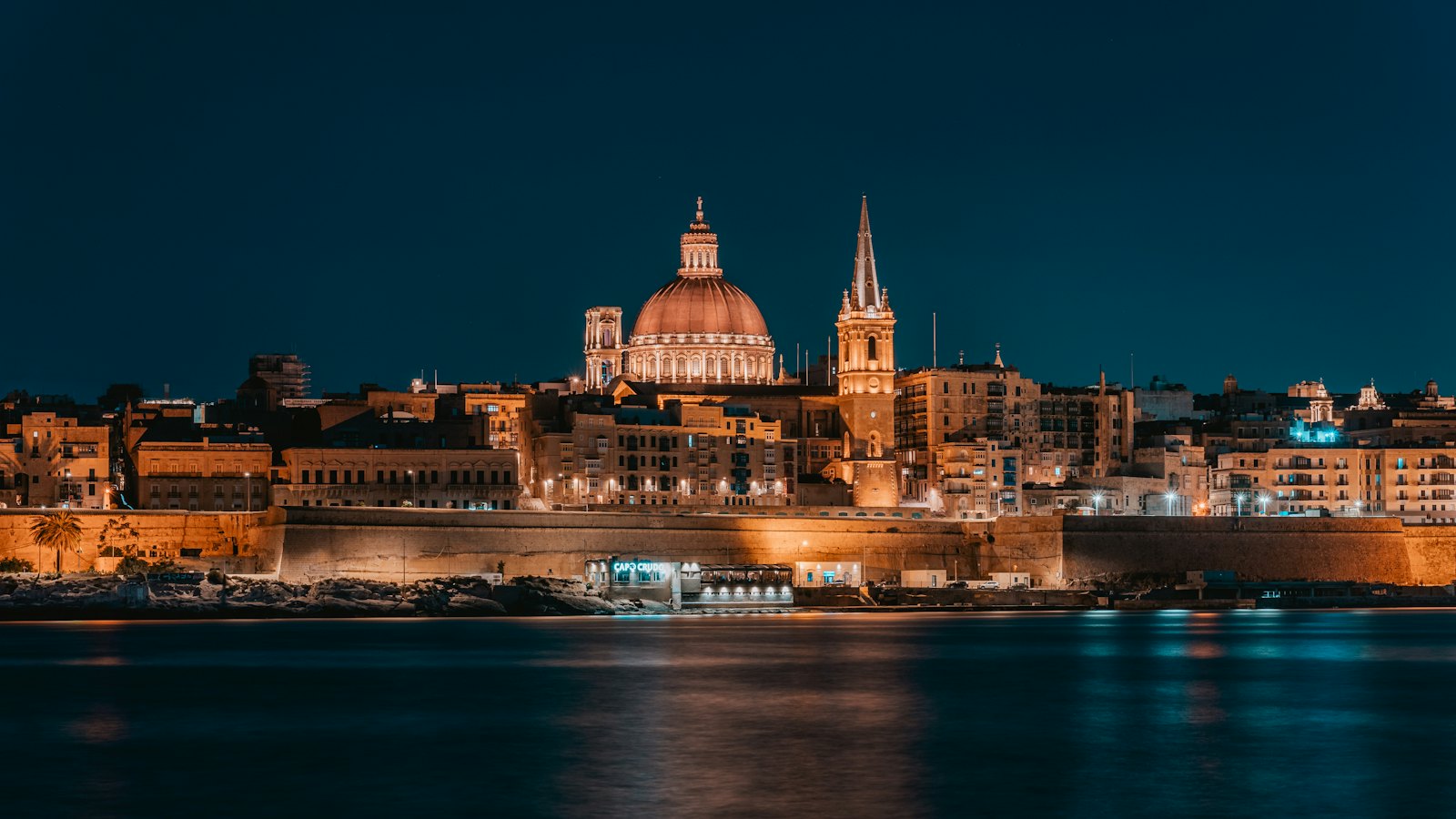
Malta brings together layered history, inviting swimming places and honey-coloured towns in a compact Mediterranean setting. From Valletta, Malaysian visitors can reach Mdina's hushed lanes, prehistoric temples, fishing harbours and scenic coves without travelling enormous distances. English is widely understood, public buses cover most tourist areas and vehicles use the left side of the road. Halal restaurants and dedicated prayer spaces require more preparation than they would in Malaysia. This guide covers routes from Kuala Lumpur, airport transfers, suitable accommodation districts, expected spending in ringgit, Muslim-friendly planning and a balanced four-day itinerary.
Getting There from Kuala Lumpur
Reaching Malta from Kuala Lumpur requires a connection because the route has no nonstop service. Common transfer points include Istanbul, Frankfurt, Amsterdam and other major hubs in Europe or the Middle East. Journeys with efficient connections usually last between 15 and 22 hours. Choosing a cheaper itinerary with a lengthy layover can add several hours to the trip.
An Amaboxly fare check for departure on 10 November 2026 found a Turkish Airlines one-way ticket via Istanbul at RM 2,315. Across the reviewed options, the median one-way price was RM 2,390. Lufthansa routes through Frankfurt started near RM 3,292, while an Amsterdam connection appeared at about RM 4,016. Airfares fluctuate, and low-priced fare classes might exclude checked luggage, preferred seats or flexible changes.
International full-service flights generally use KLIA Terminal 1, but travellers should follow the terminal printed on their confirmed booking. Allow a generous connection if the journey combines separate reservations. When tickets are unrelated, the second airline may have no obligation to accommodate a passenger delayed on the first flight.
Getting from Malta Airport to Your Hotel
Malta International Airport stands in Luqa, around 8 km from the centre of Valletta. The journey is geographically short, though weekday traffic and busy summer periods may extend travel times. The ringgit estimates here apply a planning rate of €1 to about RM 4.65.
- Bus: Direct airport services connect with Valletta, Sliema, St Julian's, northern communities and the area used for Gozo ferry departures. Expect roughly 25 to 40 minutes to Valletta and 40 to 60 minutes to St Julian's. One ride normally costs €2 to €3, or around RM 9 to RM 14, depending on the season. Tickets are available at the airport and from drivers.
- Taxi: Official prepaid or zoned taxis work well for passengers carrying several bags. Valletta or Sliema usually costs €18 to €25, approximately RM 84 to RM 116. Reaching St Julian's may cost €22 to €30, equivalent to about RM 102 to RM 140.
- Ride app: Bolt, Uber and eCabs provide airport pickups. Depending on traffic and demand, a journey into popular eastern districts generally costs €15 to €30, or RM 70 to RM 140.
- Hire car: Renting a vehicle helps with remote villages and coves, but limited parking and narrow streets reduce its usefulness during a short city-based stay.
Where to Stay in Malta
Valletta is an excellent base for a first visit. Museums, fortifications and Grand Harbour viewpoints sit within a walkable area, while ferries and bus connections make day trips manageable. Nights are generally quieter than in Malta's principal resort zones. Many hotels occupy atmospheric limestone properties, although steep streets and numerous steps can challenge travellers using wheelchairs, pushing strollers or carrying heavy bags.
Sliema offers seaside promenades, shopping, apartments and frequent transport. A passenger ferry crosses directly to Valletta, and buses connect the district with the airport and St Julian's. It is convenient and modern, but certain roads experience traffic noise or construction.
St Julian's provides the widest nightlife and restaurant choice. Paceville remains active until late, so visitors who value sleep should consider Balluta Bay or a property away from the club streets.
Mellieħa is better for sandy beaches, quieter evenings and access to northern ferry terminals, although Valletta is farther away. Mdina and Rabat provide serene historical surroundings. Limited late transport means those locations work best for motorists or visitors already familiar with Malta.
Things to Do in Malta
- Valletta: Wander along warm limestone streets, examine the defensive walls and pause at elevated harbour viewpoints. Upper Barrakka Gardens provides a memorable outlook across Grand Harbour and the Three Cities.
- St John's Co-Cathedral: Discover an elaborately decorated interior that contrasts with Valletta's military architecture, including important art connected with Caravaggio.
- Three Cities: Cross the harbour by ferry or traditional boat, view Valletta from the water and explore historic Vittoriosa.
- Mdina: Visit near opening time or toward late afternoon, when the enclosed former capital's lanes are usually more peaceful.
- Rabat: Combine it with Mdina to see religious landmarks, Roman heritage and underground catacombs.
- Ħaġar Qim and Mnajdra: Explore prehistoric temple complexes in a dramatic southern coastal setting. Book ahead when possible and carry drinking water and sun protection.
- Blue Grotto: Take a small boat into the caves if conditions are safe, or admire the shoreline from the roadside viewpoint.
- Marsaxlokk: See brightly painted fishing boats in a functioning harbour. Sunday market hours attract the largest crowds.
- Gozo: Set aside a complete day for Victoria's Citadel, rural settlements, salt pans and coastal bathing spots.
- Comino: Experience the exceptionally clear Blue Lagoon early in the day or beyond midsummer to encounter fewer visitors.
What to Eat in Malta
Malta's food draws from Mediterranean, Italian, Arabic and British traditions. Pastizzi are inexpensive crisp pastries commonly stuffed with ricotta or peas. Muslim diners who need firm dietary assurance should ask what fat was used and how the pastries were prepared. Ftira is a round Maltese bread served alone or made into a sandwich with tomatoes, olives, capers, tuna and other ingredients.
Stuffat tal-fenek is Malta's well-known slow-braised rabbit dish, though wine appears in some recipes. Lampuki pie contains seasonal fish, vegetables and pastry, while aljotta is a strongly flavoured fish soup with garlic. Caponata, baked pasta, local ġbejna cheese and fresh seafood offer further choices. Imqaret are date-filled fried pastries reflecting North African influence. Ask about shared cooking oil and individual ingredients whenever necessary.
Valletta, Sliema and St Julian's present the broadest dining range, covering neighbourhood bakeries and polished waterfront restaurants. Marsaxlokk is famous for seafood establishments, but review displayed menus and prices before ordering. Breakfast or a light snack often costs €4 to €8, about RM 19 to RM 37. A casual restaurant meal is usually €12 to €25, approximately RM 56 to RM 116.
Halal Dining and Places to Pray
Muslim visitors can enjoy Malta with some preparation, although verified halal outlets are relatively scarce compared with Kuala Lumpur and larger European capitals. Valletta, Sliema, Gżira, Msida and St Julian's provide the strongest prospects, particularly among Turkish, Middle Eastern, North African and South Asian establishments. Ask whether the restaurant buys certified halal meat from a recognised supplier. Labelling a meal pork-free does not confirm that its meat, sauces, grill or other ingredients meet halal requirements.
Seafood, vegetarian pizza, salads and meat-free pasta are convenient alternatives. Diners may also wish to ask whether sauces include wine, cheeses use animal rennet or unsuitable foods share frying oil. Zabihah and HalalTrip can provide leads, but verify every listing directly because ownership, menus and suppliers can change.
Paola's Mariam Al-Batool Mosque is Malta's principal established mosque and the most reliable location for congregational worship. Since it lies beyond the central tourist districts, check entry arrangements and prayer times before setting out. Purpose-built prayer rooms are uncommon at attractions and shopping centres. Pack a small prayer mat, use a qibla application and politely ask hotel or attraction employees about private space. At the airport, enquire about a quiet room rather than expecting a designated surau.
Getting Around Malta
Malta's bus network serves almost every important visitor destination, but summer passenger volumes and road congestion can disrupt schedules. Valletta functions as the central interchange. Consequently, even a journey between nearby places might require changing there. A standard fare commonly falls between €2 and €3, about RM 9 to RM 14, with seasonal pricing and a time-limited transfer allowance. Explore cards may save money for travellers making frequent journeys. Review the latest Tallinja visitor products because ticket choices can be revised.
Use the Tallinja application for live arrival information and journey planning, while building extra time into important trips. Harbour ferries linking Valletta with Sliema and the Three Cities often avoid traffic and provide attractive views for a modest fare. Northern Malta has the main ferry departure for Gozo, while a quicker passenger service usually operates between Valletta and Gozo.
Malta has no Grab service. Alternatives include Bolt, Uber, eCabs and licensed white taxis. Before surge pricing, a short city ride commonly costs €8 to €15, equal to roughly RM 37 to RM 70. Road traffic travels on the left, familiar to Malaysians, but confined village streets and difficult parking can still make driving stressful for newcomers.
Suggested Four-Day Malta Itinerary
- Day 1: Begin among Valletta's central lanes, then visit St John's Co-Cathedral and Upper Barrakka Gardens. Cross Grand Harbour afterward to explore Vittoriosa and return by ferry. Keeping the first day concentrated in one area is helpful after arrival.
- Day 2: Reach Mdina early, ahead of the busiest period in its narrow streets. Walk onward to Rabat for old neighbourhoods, Roman sites and underground attractions. Add the Dingli Cliffs if the schedule allows, but check the return transport first.
- Day 3: Cover southern Malta by combining Ħaġar Qim, Mnajdra, the Blue Grotto viewpoint and Marsaxlokk harbour. Public transport between these places can be awkward. A hired car, organised tour or app-booked vehicle may produce a smoother day.
- Day 4: Select Gozo for Victoria's Citadel, villages and varied coastal scenery. Those chiefly interested in transparent water may prefer a seasonal Comino excursion. Depart early during peak months and choose an established operator. In cool or changeable conditions, Gozo is generally the safer plan because strong wind and waves may suspend exposed boat excursions.
Money and Practical Travel Tips
The euro is Malta's currency. For advance calculations, €1 to around RM 4.65 is a useful assumption, though banks and card companies apply their own exchange rates. Contactless and card payments are common at hotels, larger retailers and established restaurants. Carry a modest cash reserve for kiosks, bakeries, small ferry purchases and onboard transactions. Malaysian DuitNow QR payment is generally unavailable.
Travellers with compatible devices can arrange an eSIM before arrival. Local mobile companies also offer prepaid physical SIM cards, and reception is usually reliable across Malta and Gozo. Malta's Type G sockets use the same familiar three-pin design as Malaysia, while most Malaysian chargers are compatible with the electrical supply.
Gratuities are appreciated rather than compulsory. If the bill has no service charge, rounding up or adding 5 to 10 percent recognises good service. Independent travel is generally straightforward, but protect belongings aboard crowded buses and around busy promenades or nightlife areas. Employ licensed excursion companies and settle the full boat or taxi charge before leaving. Follow coastal safety notices and stay out of rough water near open rocks. Use sunscreen and seek shade in summer. After rain, limestone pavements can become unexpectedly slippery.
Before you go
- Best time to go
- Late spring and early autumn usually provide Malta's most appealing combination of climate, prices and manageable visitor numbers. From April through June, and again from September into October, days are often warm enough for outdoor sightseeing and sometimes swimming without the height of the summer rush. July and August deliver powerful sunshine, expensive accommodation and heavily used buses. European winter temperatures are comparatively gentle, but wind, rain and rough water may interrupt cruises or small-boat excursions. Spring is particularly comfortable for exploring historical sites on foot, whereas September often retains warmer seawater. Easter celebrations and village festas add local character while increasing demand in particular areas. Kuala Lumpur airfares can also rise around Malaysian school breaks, regardless of Malta's local season. Book well ahead for travel from June through September.
- Visa for Malaysians
- Malaysians travelling on ordinary passports may enter Malta without obtaining a visitor visa in advance as of September 2026. The permitted short stay totals 90 days during a rolling 180-day window, counting time in every Schengen member country rather than Malta separately. After the Entry/Exit System completed its rollout on 10 April 2026, first-time registration involved fingerprints and a facial image in place of relying solely on passport stamps. ETIAS is projected to begin in the final quarter of 2026. The online authorisation is expected to cost about €20, or RM 93, and last three years, but applications remained unavailable in September 2026. Its introduction is due to include an initial grace stage lasting no less than half a year before mandatory enforcement. A passport must have been issued within the previous 10 years and retain three months of validity beyond the planned Schengen exit. Recheck official Travel Europe information before departure.
- Honest budget guide
- A practical daily allowance is RM 350 to RM 650 per traveller, with international airfare calculated separately. For the Kuala Lumpur departure examined in this guide, the least expensive reviewed one-way ticket was RM 2,315 via Istanbul, and the sample's median was RM 2,390. Hostel beds and basic private rooms can range from RM 140 to RM 300 per night. Mid-range accommodation often costs RM 350 to RM 650, rising during the summer season. Set aside around RM 100 to RM 180 daily for meals, plus RM 35 to RM 80 for buses, ferries and occasional app-booked cars. A five-day trip with four nights can reasonably total RM 5,000 to RM 7,500 for each person. That estimate combines return flights, shared mid-range lodging, meals, transport within Malta and several admission fees. Actual expenditure depends heavily on season and booking lead time.
Frequently asked questions
Do Malaysians need a visa to visit Malta?
As of September 2026, an ordinary Malaysian passport permits a short Malta visit without a visa obtained beforehand. The allowance covers no more than 90 days during a rolling 180-day span across all Schengen countries combined. Passport age and post-departure validity conditions still apply. Travellers also encounter EES biometric registration. ETIAS had not begun accepting applications by September 2026, so consult the official Travel Europe portal shortly before flying.
Is there a direct flight from Kuala Lumpur to Malta?
There is no nonstop air connection from KLIA to Malta. A typical itinerary changes aircraft once at a European or Middle Eastern hub, though some options involve two transfers. Amaboxly's reviewed fares included a Turkish Airlines journey through Istanbul for RM 2,315 one way. With a sensible connection, total travel time is approximately 15 to 22 hours. Long layovers can make the trip considerably longer.
How many days are enough for Malta?
With four full days, visitors can cover Valletta, Mdina, major attractions in southern Malta and either Gozo or Comino. Extending the visit to five or seven days allows both main islands, more archaeological places and relaxed beach time. Distances look short, but congestion and bus routes that require transfers may consume more of the day than expected.
Is Malta Muslim-friendly?
A Muslim-friendly Malta holiday is achievable when arrangements are checked beforehand, but certified halal food and formal prayer facilities are not abundant. The most useful dining areas include Valletta, Sliema, Gżira, Msida and St Julian's. Confirm meat certification directly instead of treating pork-free labelling as sufficient. Mariam Al-Batool Mosque in Paola is the main established mosque. Vegetarian meals and seafood provide convenient alternatives.
What is the best month to visit Malta?
May, June, September and the beginning of October are especially attractive for comfortably warm weather without the harshest summer conditions. April and May favour long walks and visits to exposed archaeological sites. September commonly offers warmer seawater for swimming. Beach travellers still favour July and August, although those months bring fiercer sun, costlier rooms, fuller attractions and increased demand on public buses.
How much money do I need for five days in Malta?
Plan on approximately RM 5,000 to RM 7,500 for one person spending five days and four nights in Malta. The range includes Kuala Lumpur return flights, a share of mid-range lodging, meals, local journeys and several attraction tickets. Hostel accommodation, bakery meals and regular bus use can lower expenditure. Checked baggage, peak-season hotels, repeated ride-app bookings and private boat trips will move the total upward.
Can I use Grab in Malta?
Grab is unavailable in Malta. Visitors can instead arrange journeys through Bolt, Uber or eCabs, hail licensed white taxis or use the island-wide bus system. App-booked transport is particularly helpful after bus services become less frequent and for attractions connected by inconvenient routes. Review the quoted amount before booking because airport crowds, summer traffic and weekend nightlife may trigger higher prices.
Should I stay in Valletta or Sliema?
Choose Valletta for historical character, walkable landmarks and proximity to Malta's primary bus interchange. Choose Sliema for waterfront apartments, extensive shopping and a convenient harbour ferry into the capital. Valletta has more slopes and steps but usually quieter nights. Sliema is flatter in parts, livelier and more modern. Culture-focused first visits often suit Valletta, while families seeking a larger apartment selection may find Sliema preferable.
Jom pergi
Ready to go Malta? Compare available flights and hotels for your dates. Check baggage, cancellation terms and the final total on the booking provider before paying.






