




On this page12 sections
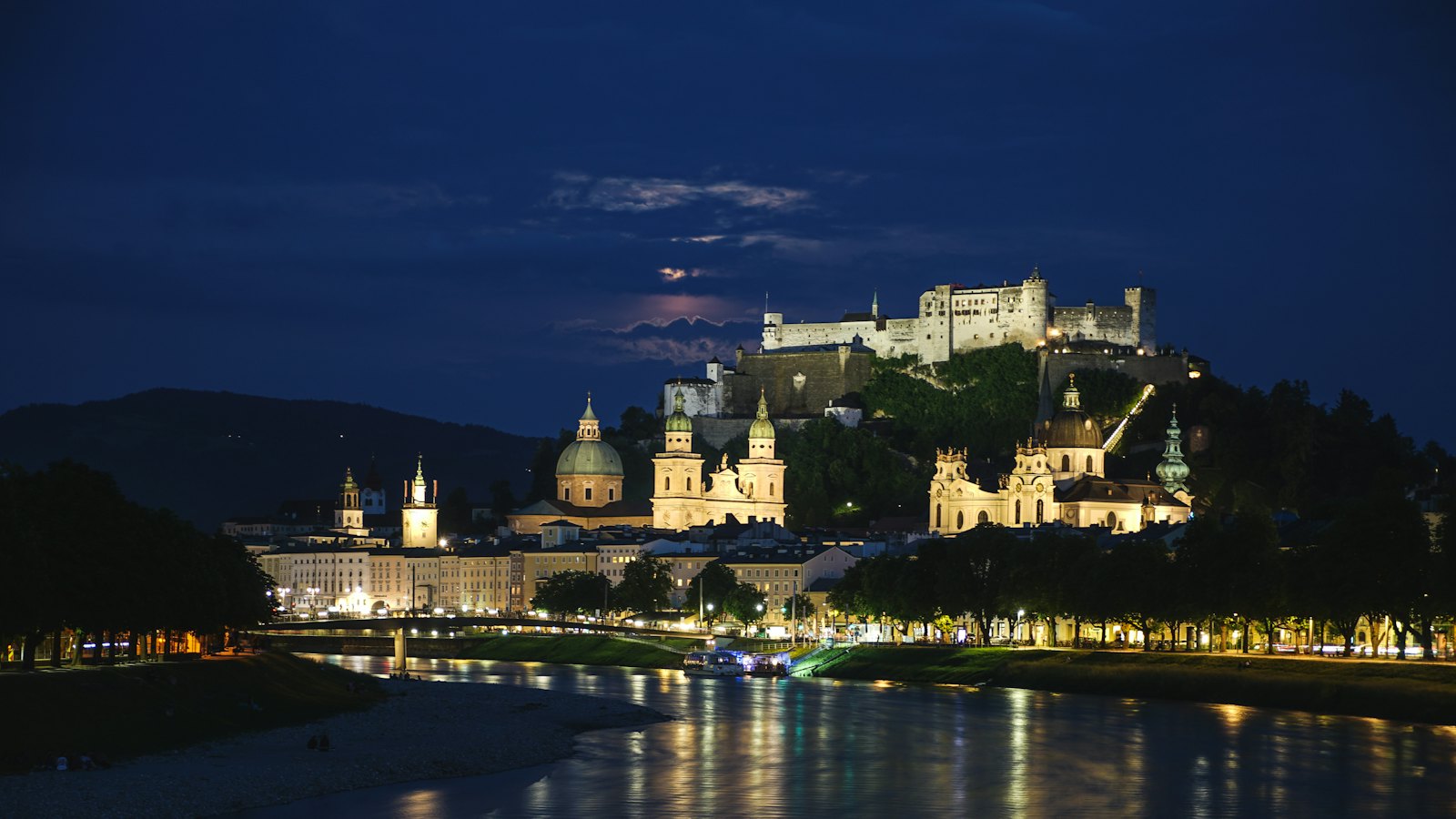
Salzburg rewards unhurried exploration with a fortress above the rooftops, baroque churches, Alpine scenery, Mozart landmarks and locations from The Sound of Music. For Malaysians, the city also fits naturally into a broader Austria or Bavaria holiday. Since KLIA has no direct Salzburg service, most visitors fly through another hub and complete the journey by rail. This guide explains the main routes, airport connections, neighbourhoods, halal dining realities, transport expenses and a practical four-day itinerary. Salzburg is polished and straightforward to explore, although rooms and major attractions become costly during the summer festival calendar and the Christmas market period.
Getting There from Kuala Lumpur
Most Malaysian visitors reach Salzburg by flying from Kuala Lumpur to Munich or Vienna and continuing by train. Salzburg Airport is much smaller, and itineraries terminating there often involve extra connections or higher fares. No airline currently lists a nonstop KLIA to Munich route, so every practical option includes at least one intermediate airport. Including the flight connection and rail segment, the complete journey commonly lasts 17 to 24 hours.
Amaboxly's fare scan at the time of writing found Munich one-way tickets from approximately RM 1,327 with Etihad, connecting in Abu Dhabi. The observed one-way median was about RM 1,355. Other routings may pass through Muscat, Doha, Istanbul, Dubai, Bangkok, Singapore or Frankfurt. The cheapest scanned departure was 10 November 2026, although availability and prices can move without notice.
Confirm the departure terminal printed on your booking rather than assuming one, since it can vary by airline combination. When flights are booked on separate tickets, choose a substantial connection window. If the incoming service is late, the second carrier may not protect your onward booking.
Airport Transfers to Salzburg
Travellers landing at Munich Airport first take an S-Bahn or regional connection towards München Ost or München Hauptbahnhof. From central Munich, direct trains reach Salzburg in roughly 1.5 to 2 hours. Starting at the airport increases the overall rail time to about 2.5 to 3 hours and normally involves one change. Depending on departure and booking time, budget approximately EUR 25 to EUR 60 (RM 125 to RM 300). Certain regional passes can benefit couples or families, but eligible trains and travel periods are restricted.
Vienna Airport offers some rail services towards Salzburg without a transfer in central Vienna. Expect a journey of around 3 hours and indicative tickets between EUR 30 and EUR 70 (RM 150 to RM 350). Fast services from central Vienna take about 2.5 hours.
If your flight arrives at Salzburg Airport, public buses generally need 20 to 30 minutes to reach central stops and charge only a few euros. Taxis commonly cost EUR 20 to EUR 30 (RM 100 to RM 150), depending on traffic and destination. Salzburg Hauptbahnhof stands near the northern side of the centre, within walking distance of Neustadt and linked to Altstadt by frequent buses.
Where to Stay in Salzburg
Altstadt is the most atmospheric base for a first visit. Salzburg Cathedral, Getreidegasse, Mozartplatz and the fortress funicular are within walking distance, and the lanes grow calmer after day visitors depart. In return for that convenience, expect expensive rooms, restricted vehicle access and occasional street noise.
Neustadt, across the Salzach River, provides a central location without placing you among the busiest old-town lanes. Mirabell Gardens, cafes and the railway station are nearby, while Altstadt remains an enjoyable walk away.
Elisabeth-Vorstadt surrounds Salzburg Hauptbahnhof and suits early departures, short visits and frequent day trips. The neighbourhood is functional rather than picturesque, but it contains more lower-priced accommodation. Review recent guest feedback and select a well-lit walking route for late returns.
Nonntal and residential areas farther south offer quieter streets, larger rooms and useful bus connections. These districts work well for families and returning visitors who do not need every landmark outside their door. Compare the complete accommodation charge before booking because breakfast, local tax and parking are sometimes added separately.
Things to Do in Salzburg
- Hohensalzburg Fortress: Walk uphill or use the funicular to explore medieval chambers and extensive views across the rooftops and Alps.
- Getreidegasse: Follow the narrow historic street through decorative shop signs, passages and hidden courtyards.
- Mozart's Birthplace: Discover the composer's childhood and family story inside the house where he was born.
- Salzburg Cathedral: Enter the monumental baroque church, then explore the neighbouring DomQuartier squares.
- Mirabell Palace and Gardens: See formal flower beds, fortress vistas and settings recognised from The Sound of Music.
- Mönchsberg: Reach the ridge by lift or footpath for a quieter viewpoint above the centre.
- Hellbrunn Palace: Tour the grounds and entertaining trick fountains, which are especially enjoyable during warmer weather.
- St Peter's district: Visit the abbey surroundings and historic cemetery beneath the Mönchsberg rock face.
- Salzach River: Walk beside the water and cross the pedestrian bridges near sunset.
- Salzkammergut lakes: Use an additional clear day for St Gilgen, Wolfgangsee or another scenic lakeside destination.
What to Eat in Salzburg
The city's signature dessert is Salzburger Nockerl, a baked soufflé formed into mountain-like peaks and usually generous enough for sharing. Mozartkugel chocolates are an easy souvenir, with competing versions available throughout the centre. Cafe menus also feature apple strudel, curd-filled topfenstrudel and rich Austrian cakes served with coffee.
Common savoury dishes include schnitzel, dumplings, roasted meats, sausages and gröstl, which combines fried potatoes with meat. Kasnocken, small cheese-covered dumplings topped with onions, may suit vegetarians. However, diners should ask whether the recipe contains animal rennet, meat stock or alcohol. Restaurants sometimes serve freshwater fish sourced from the surrounding lake region.
Traditional dining is concentrated in Altstadt, where prices tend to exceed those near the station and residential neighbourhoods. Bakeries and supermarkets make inexpensive breakfasts and picnic lunches possible. Muslim visitors should not treat a meat-free appearance as proof that a sauce, soup or dessert is suitable. Ask specifically about pork, lard, gelatine, meat-based stock and wine before ordering.
Halal Food and Prayer Spaces
Muslim travellers can visit Salzburg comfortably, although the halal restaurant range is far smaller than in Vienna, London or large German cities. Turkish, Arabic and South Asian businesses near the railway station and in outer districts are the strongest possibilities. Seek a clear halal declaration, then confirm whether every meat product follows halal requirements and whether the kitchen also prepares pork or alcohol. A claim of serving no pork does not establish that the food is halal.
Seafood, vegan dishes and uncomplicated vegetarian meals are helpful alternatives. Ask whether soups, gravies or sauces use animal stock, lard or cooking wine. Supermarkets make self-catering convenient with bread, cheese, salads, fruit and packaged items, but ingredient labels still require attention for gelatine and alcohol.
Public prayer rooms are unusual within the sightseeing centre. Muslim community facilities operate outside the central tourist area, so verify their latest locations, opening arrangements and visitor access before travelling. Munich and Vienna airports have facilities for prayer or quiet reflection; consult terminal signs or information staff after arrival. HalalTrip and Zabihah may provide leads, but recent reviews and confirmation from the venue are more dependable.
Getting Around Salzburg
Salzburg's centre is compact enough to explore mainly on foot. The principal Altstadt landmarks, Mirabell Gardens and river bridges are close together, although cobbled surfaces and steep approaches may be awkward with luggage or a stroller.
Buses and trolleybuses connect the railway station, airport, Hellbrunn and residential neighbourhoods. One ride usually costs around EUR 2 to EUR 4 (RM 10 to RM 20). A 24-hour pass often becomes economical after several journeys, and advance purchases may cost less than tickets bought from a driver. If a paper ticket requires validation, stamp it correctly and retain it throughout the ride.
The Salzburg Card packages city transport with admission to many attractions for a chosen validity period. It offers worthwhile savings during an intensive sightseeing day, but only if its included places match your plans. Grab is unavailable in Salzburg. Licensed taxis are dependable but costly, while the selection of booking apps can change. A short journey within the urban area may cost EUR 12 to EUR 25 (RM 60 to RM 125). Cycling is widespread, so walkers should distinguish cycle lanes from pedestrian paths and cyclists should observe restrictions in car-free streets.
A Four-Day Salzburg Itinerary
- Day 1: After arriving by train and storing your luggage, begin with a gentle walk through Mirabell Gardens. Cross the Salzach, explore Getreidegasse and visit the cathedral squares when the afternoon groups begin to disappear.
- Day 2: Spend the morning at Hohensalzburg Fortress, including its interior rooms and lookout points. Continue to Salzburg Cathedral, DomQuartier and St Peter's district. End beside the river or on the elevated Mönchsberg paths.
- Day 3: Tour Mozart's Birthplace before selecting a concert, another museum or a guided Sound of Music trip. The film locations extend beyond central Salzburg, so an organised excursion can occupy most of the day.
- Day 4: During the warmer season, ride a bus to Hellbrunn Palace. Alternatively, devote the day to the Salzkammergut. St Gilgen and Wolfgangsee provide attractive lake scenery, while Hallstatt needs an earlier departure and more time in transit. When weather is poor, stay in Salzburg for museums, cafes and shopping before catching an evening train.
Money, Connectivity and Practical Tips
Austria's currency is the euro. An easy planning conversion is EUR 1 to approximately RM 5, although travellers should check the current exchange rate before leaving Malaysia. Hotels, major sights and numerous restaurants accept cards, but cash remains helpful at small cafes, market stalls and public toilets. DuitNow QR is not a routine Austrian payment method, so carry a physical bank card together with a modest euro supply. When a payment terminal offers ringgit conversion, decline it and select the euro amount instead.
A European travel eSIM is generally the easiest mobile-data solution and can also cover a connection in Germany. Before purchase, confirm that Austria is included along with tethering permission and sufficient validity. Free Wi-Fi can supplement your connection, but mobile data is safer for navigation and digital tickets.
Austrian sockets use Type C and Type F plugs at 230V, requiring an adaptor for Malaysian three-pin devices. Restaurant service is normally included; rounding the bill or adding about 5 to 10 percent recognises good table service. The city is generally comfortable for visitors, but crowded vehicles and tourist lanes still attract pickpockets. Purchase tickets only through recognised channels and check excursion details before payment.
Before you go
- Best time to go
- May, June and September usually provide the most comfortable combination of weather, daylight and visitor levels. July and August are warmer, crowded and costly, particularly while the Salzburg Festival is running. Malaysian school breaks can also increase demand for airfares and family rooms. Spring conditions shift rapidly, making a light waterproof jacket useful. Autumn offers cooler evenings and colourful scenery. Christmas markets bring a festive character from late November through December, but weekend rooms can disappear early. January and February have short days, low temperatures and possible snow, which can appeal to visitors pairing Salzburg with an Alpine winter holiday. Pack layers regardless of the month because rain and temperature changes influenced by the mountains are possible throughout the year.
- Visa for Malaysians
- Malaysians currently qualify for short visa-free visits to Austria. As of September 2026, an ordinary Malaysian passport permits stays totalling no more than 90 days during a rolling 180-day window covering all Schengen countries together. The document must be less than 10 years old on arrival and valid for a minimum of three months beyond the planned Schengen departure. At the traveller's initial Schengen border, the Entry/Exit System records a facial photograph and fingerprints in place of manual passport stamping, so processing may take longer. ETIAS has not begun and lacks a confirmed launch date. After implementation, authorisation will cost EUR 20 and can remain effective for as long as three years. Use only official sources, and recheck bmeia.gv.at plus travel-europe.europa.eu before booking.
- Honest budget guide
- Plan on approximately RM 450 to RM 850 per traveller for each day in Salzburg, before international airfare and assuming two people share accommodation. The latest Amaboxly scan located one-way Kuala Lumpur to Munich tickets from RM 1,327, while its median was close to RM 1,355. Basic double rooms may fall between RM 300 and RM 500 nightly. Comfortable mid-range properties commonly charge RM 500 to RM 850 or more. A reasonable daily allowance is RM 120 to RM 250 for meals and RM 30 to RM 80 for city transport, with museum tickets and excursions added separately. For four days, a typical individual total including return flights, a shared room and sightseeing is around RM 4,000 to RM 6,500. Festivals, summer demand and Christmas market weekends can raise every estimate.
Frequently asked questions
Do Malaysians need a visa for Salzburg?
Malaysian citizens do not currently need a visa for a short Austrian holiday. As of September 2026, the permitted stay is a combined maximum of 90 days within a moving 180-day window throughout Schengen. Passport validity conditions still apply, and the Entry/Exit System may collect biometrics at the first border. ETIAS is not yet active. Reconfirm the rules through Austrian and European Union government websites before travelling.
Is there a direct flight from Kuala Lumpur to Salzburg?
There is no practical nonstop service between KLIA and Salzburg. Munich, the usual alternative gateway, also has no listed direct flight from Kuala Lumpur, so at least one air connection is required. Travellers commonly land in Munich or Vienna and finish by train. When this guide was prepared, the lowest scanned one-way Munich fare was about RM 1,327 on an itinerary connecting in Abu Dhabi.
How do I travel from Munich to Salzburg?
A direct train from central Munich reaches Salzburg in approximately 1.5 to 2 hours. Passengers beginning at Munich Airport usually change at München Ost or München Hauptbahnhof and should allow about 2.5 to 3 hours altogether. Tickets may cost EUR 25 to EUR 60. A regional pass can reduce costs for some couples and families, provided their selected services satisfy its conditions.
How many days are enough for Salzburg?
Three days allow time for Altstadt, Hohensalzburg Fortress, Mirabell Gardens, Mozart attractions and either Hellbrunn or one focused excursion. Four days provide a gentler pace and make a lake-region outing easier to include. Travellers moving between Munich and Vienna can still enjoy a worthwhile introduction in two full days if their arrival and departure schedules leave enough usable time.
Is Salzburg Muslim-friendly?
Salzburg is comfortable for Muslim visitors, but halal restaurants and convenient central prayer rooms are relatively scarce. Turkish, Arabic and South Asian establishments outside the main tourist lanes are the likeliest dining options. Ask each business directly about its meat source and shared kitchen practices. Seafood, vegan dishes and supermarket food provide practical alternatives. Verify access arrangements before travelling to a community prayer facility.
What is the best month to visit Salzburg?
September is especially appealing because temperatures are mild, walking is pleasant and the peak summer crowds have eased. May and June are also good choices, though showers can occur. Cultural festivals draw more visitors and lift hotel prices in July and August. December attracts Christmas market visitors, while the colder months suit travellers interested in snowy Alpine scenery and prepared for limited daylight.
How much money do I need for four days in Salzburg?
A realistic four-day allowance is about RM 4,000 to RM 6,500 per person, covering return travel from Kuala Lumpur, a shared room, meals, local journeys and several attractions. Lower-cost travellers can reduce the amount with station-area lodging, supermarket meals and free walking routes. Private rooms during festival periods, restaurant dining and organised excursions can move the final cost well above this range.
Can I use Grab in Salzburg?
Grab does not operate in Salzburg. Walking is convenient across the historic centre, and the bus and trolleybus network serves the airport, railway station and outlying attractions. Licensed taxis are available at a much higher cost than public transport. Frequent riders should compare a 24-hour ticket, while visitors entering several paid sights may find that the transport-inclusive Salzburg Card offers better overall value.
Jom pergi
Ready to go Salzburg? Compare available flights and hotels for your dates. Check baggage, cancellation terms and the final total on the booking provider before paying.






