




On this page12 sections
- Overview
- Flights from Kuala Lumpur to Brussels
- Getting from Brussels Airport to the city
- Where to stay in Brussels
- Top sights and memorable experiences
- What to eat: Belgian dishes, waffles and chocolate
- Halal dining and prayer facilities
- Public transport and getting around
- A relaxed four-day Brussels itinerary
- Money, connectivity and practical tips
- Before you go
- FAQ
Brussels rewards travellers who look beyond its European institutions. Around the ornate Grand Place are covered galleries, comic murals, Art Nouveau homes, historic cafes and museums devoted to subjects ranging from Magritte to musical instruments. Belgium's rail system also makes Bruges, Ghent and Antwerp practical day trips. Malaysian visitors should expect at least one flight connection from KLIA, frequent changes in the weather, relatively costly accommodation and halal standards that require confirmation. This guide covers flights, airport transfers, neighbourhoods, transport, food, prayer facilities, estimated spending in ringgit and a comfortable four-day plan.
Flights from Kuala Lumpur to Brussels
No airline flies nonstop from Kuala Lumpur to Brussels as of September 2026, so a journey from KLIA to Brussels Airport requires at least one transfer. Depending on the date, connections may be available through Doha, Dubai, Abu Dhabi, Istanbul, Bangkok, Singapore, Hong Kong or Chongqing. Airlines flying these routes include Qatar Airways, Emirates, Etihad, Turkish Airlines, THAI and Hainan, but routes and operating days vary.
Good one-stop combinations generally take 15 to 20 hours. A long transit can push the journey beyond 24 hours. Most full-service international flights leave from KLIA Terminal 1. Always check the terminal printed on the booking because Terminal 2 mainly handles low-cost airlines, and transferring between terminals takes additional time.
The cheapest one-way fare for this route is RM 1,388 with Qatar Airways, for departure on 10 October 2026, with one stop. RM 1,388 is also the median one-way fare. Other options cost about RM 1,726 through Abu Dhabi and RM 2,418 through Singapore. Fares change constantly, so treat these as a guide rather than fixed prices. Compare baggage, meals, seating and total travel time before purchasing.
Getting from Brussels Airport to the city
Brussels Airport uses the code BRU and stands in Zaventem, northeast of the central districts. The ringgit estimates here assume €1 equals about RM 4.65, although fares and currency values may move.
- Train: The station sits below the passenger terminal. SNCB trains serve Brussels-North, Brussels-Central and Brussels-Midi. Reaching Central normally takes 17 to 25 minutes, and a ticket with the airport supplement is commonly €11 to €14, about RM 51 to RM 65.
- Airport Line bus: STIB route 12 links the terminal with Schuman and the Luxembourg station area in the European Quarter. Traffic affects the journey, which usually requires 25 to 40 minutes. Expect roughly €8 to €10, or RM 37 to RM 47.
- De Lijn bus: Regional buses run towards Brussels-North and nearby communities. Fares can be around €3 to €5, or RM 14 to RM 23. Travel may last 40 to 60 minutes and is less convenient with large bags.
- Taxi: Metered official taxis depart outside arrivals. A central trip generally takes 25 to 45 minutes and costs €45 to €60, approximately RM 209 to RM 279.
For a late arrival, check the final scheduled train or bus before leaving the baggage hall.
Where to stay in Brussels
Central Brussels is reasonably compact, yet its neighbourhoods offer different experiences. Staying near a railway station is helpful if Bruges, Ghent or Antwerp appears in the itinerary.
- Grand Place and the historic centre: First-time visitors can walk to many leading attractions from here. Rooms tend to cost more, and lanes near nightlife venues may remain loud well after midnight.
- Sablon and Marolles: Choose these neighbouring areas for antiques, established chocolatiers, museums and calmer evenings. Several streets are steep or cobbled, so comfortable shoes are important. Trams connect them with the wider centre.
- European Quarter: Apartments, broad streets and easy access to Parc du Cinquantenaire suit business travellers and visitors seeking more space. It becomes much quieter after offices close, particularly at weekends.
- Saint-Gilles or Ixelles: These residential districts are attractive for longer stays. Both have cafes, Art Nouveau architecture, useful tram connections and diverse restaurants, including several possible halal choices.
Accommodation near Brussels-Midi can offer lower prices and excellent rail access. However, some surrounding streets feel uncomfortable late at night. Travellers arriving after dark may prefer Brussels-Central or lodging beside a busy, illuminated tram corridor.
Top sights and memorable experiences
- Grand Place: Visit early for an unobstructed look at the elaborate guild houses, then return after nightfall to see the facades illuminated.
- Galeries Royales Saint-Hubert: Walk through these graceful covered arcades for architecture, chocolate counters and shelter from an unexpected shower.
- Manneken Pis: See the famous miniature statue, then locate Jeanneke Pis and the canine Zinneke elsewhere in the centre.
- Mont des Arts: Enjoy a classic city view from the landscaped slope before continuing towards the museum quarter.
- Royal Museums of Fine Arts: Focus on the collections that interest you rather than trying to complete every gallery at once.
- Belgian Comic Strip Center: Learn about Belgium's comic tradition and later follow the colourful character murals scattered across nearby streets.
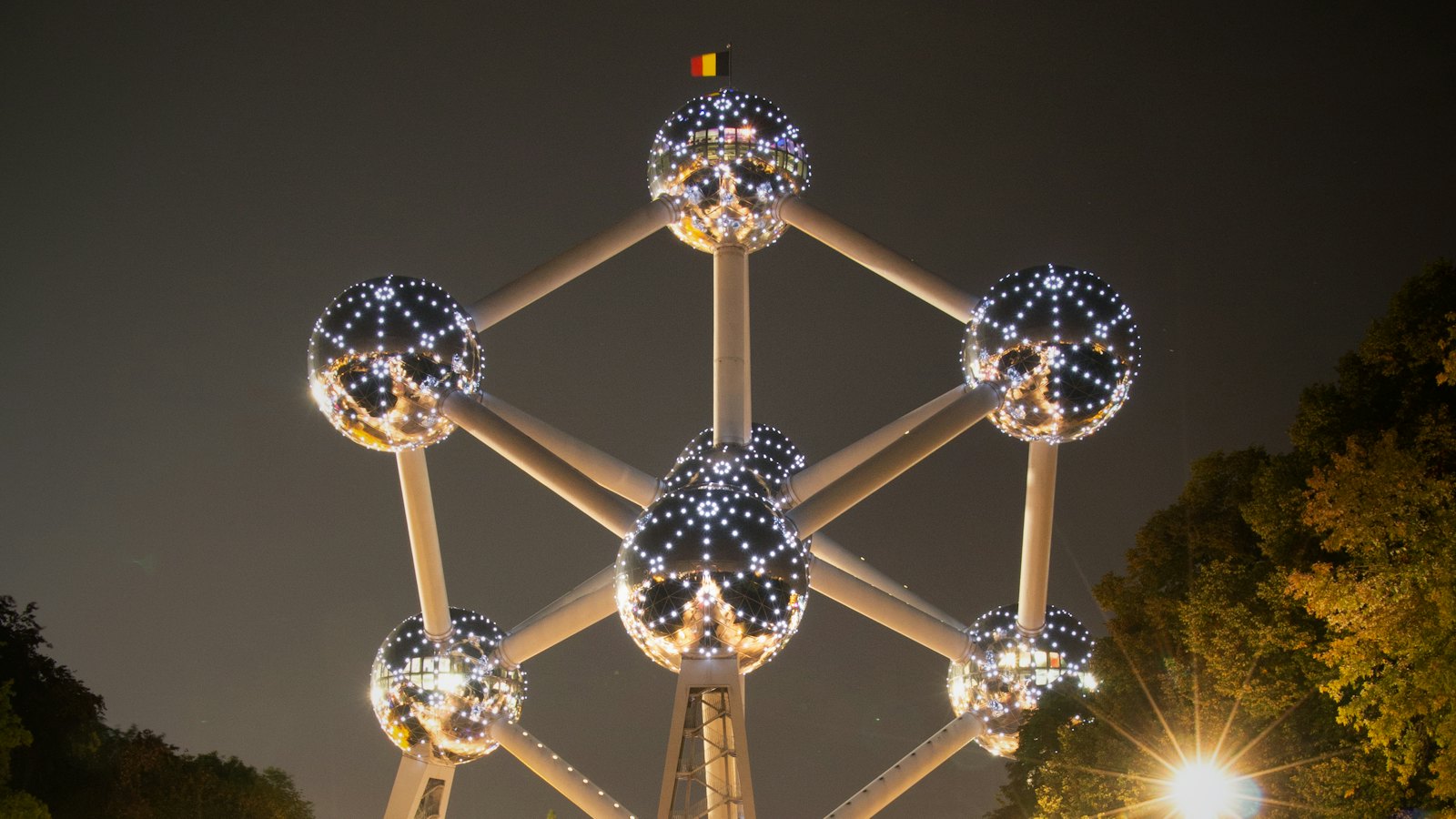
- Atomium: Travel north by metro to enter the connected spheres and admire elevated views. Allow several hours if combining it with neighbouring attractions.
- Parc du Cinquantenaire: Walk beneath the monumental arch and consider visiting one of the museums surrounding the lawns.
- Art Nouveau districts: Explore Saint-Gilles and Ixelles for decorative ironwork, curved balconies and buildings associated with Victor Horta's era.
Advance museum reservations are wise during weekends and European school holidays.
What to eat: Belgian dishes, waffles and chocolate
The two famous Belgian waffle styles are quite different. Brussels waffles are rectangular, light and crisp. Liège waffles are denser, rounded and caramelised by pearl sugar. A freshly prepared waffle with few toppings often tastes better than one buried beneath sauces and cream. Belgian fries are another essential snack, typically fried twice and presented in a paper cone with a choice of sauces.
Classic menus can include moules-frites, which combines mussels with fries; waterzooi, a creamy stew made with chicken or fish; stoemp, mashed potato mixed with vegetables; and carbonnade flamande, beef cooked using Belgian beer. Muslim diners should question staff about alcohol, stock, bacon and animal fat. Extended cooking does not make a beer-based dish halal.
Sainte-Catherine is known for seafood, while the Grand Place area contains many waffle stalls, fry shops and brasseries. Sablon is particularly convenient for comparing historic chocolate houses. Marolles and Saint-Gilles offer bakeries and restaurants beyond the most crowded tourist streets. Speculoos biscuits and pralines travel well as gifts. Inspect ingredients because praline fillings may contain liqueur, while confectionery can use gelatine without halal approval.
Halal dining and prayer facilities
Brussels has many restaurants offering food described as halal, but certification and kitchen practices are not consistent. Turkish, Moroccan, Lebanese, Syrian and South Asian establishments are especially common around Anneessens, Brussels-Midi, Schaerbeek and parts of Molenbeek. Look for a current certificate or ask directly whether every meat product and the entire kitchen comply with halal requirements. Pork-free does not necessarily mean halal, particularly where grills or frying oil are shared.
Seafood and vegetarian choices are useful alternatives, although sauces, cheese, broth, wine and beer still require questions. Apps such as Zabihah and HalalTrip can suggest restaurants, but confirm each listing because menus, owners and certification may change. Supermarkets in multicultural districts often carry packaged halal meat with recognised labels.
The Great Mosque of Brussels stands near Parc du Cinquantenaire and is the city's best-known mosque. Smaller community mosques are found in residential areas, though opening times and facilities for women differ. Brussels Airport provides areas for prayer or quiet reflection inside the terminal complex. Consult the latest airport map because their positions can change. Dedicated prayer rooms are uncommon in central shopping districts, so plan prayers around a mosque or your accommodation. Carrying a compact prayer mat can be helpful.
Public transport and getting around
STIB manages the city's metro, pre-metro, tram and bus services as one urban network. A standard journey costs approximately €2.30 to €2.70, around RM 11 to RM 13. A daily ticket is normally close to €8 or €9, equivalent to RM 37 to RM 42. Contactless bank cards work at supported readers and gates. Visitors staying longer can consider a reusable MOBIB card for loaded fares or passes. Observe the validation requirements whenever beginning or transferring during a trip.
Walking is suitable for much of the historic centre, although cobbles, gradients and wet paving can inconvenience travellers with strollers. Use the metro for the Atomium and European Quarter. Trams provide convenient access to Saint-Gilles, Ixelles and districts beyond the old city. SNCB operates Belgium's intercity railway services, for which separate tickets are needed. These trains are usually the fastest way to make a day trip elsewhere in Belgium.
Grab does not operate in Brussels. Uber and Bolt are common alternatives, alongside licensed taxis and local booking services. A brief central ride may cost €12 to €25, or roughly RM 56 to RM 116, depending on traffic and demand. A rental car is rarely useful because parking is expensive and some streets have access restrictions. Watch for cyclists and approaching trams before crossing tracks.
A relaxed four-day Brussels itinerary
- Day 1: Arrive at Grand Place before the busiest tour groups. Continue through Galeries Royales Saint-Hubert, visit Manneken Pis and walk towards Mont des Arts and Sablon. Pause for a waffle or pralines. Choose seafood near Sainte-Catherine or eat at a restaurant whose halal status you have verified.
- Day 2: Spend the morning at the Royal Museums of Fine Arts or concentrate on works by Magritte. Follow several comic murals towards the Belgian Comic Strip Center. Finish in Marolles, where sloping lanes, antique sellers and small cafes show a less formal side of Brussels.
- Day 3: Take the metro to the Atomium and allow several hours for the site. Return through the European Quarter to explore Parc du Cinquantenaire, its arch and a museum that suits your interests. The nearby Great Mosque offers a practical prayer stop.
- Day 4: Make one railway excursion. Bruges provides canals and medieval scenery, Ghent blends historic landmarks with a lively university character, and Antwerp is known for art, fashion and diamonds. Selecting only one city leaves time to explore beyond its station.
Three full days are adequate for Brussels itself. A fourth permits an enjoyable Belgian day trip without rushing the capital's main attractions.
Money, connectivity and practical tips
Belgium uses the euro. At an illustrative rate of €1 to RM 4.65, €10 is approximately RM 47, but the real exchange rate will vary. Cards and contactless payments are accepted widely. Still, €20 to €40 in cash can help at small shops, markets or when a terminal fails. DuitNow QR is not commonly supported. Tell your bank about the journey if its policy requires notice. When a payment terminal offers ringgit conversion, decline it and pay in euros instead.
A European regional eSIM is convenient for a short stay. Mobile operators also sell physical prepaid SIM cards, subject to their registration procedures and package terms. Download offline maps before departure. Belgium supplies electricity at 230V through Type C and Type E sockets, so Malaysian three-pin plugs need an adaptor.
Service is already included in restaurant prices. Rounding up or leaving a few euros for good service is appreciated but voluntary. Use normal urban precautions, especially around Grand Place, crowded vehicles and the Brussels-Midi and Brussels-North stations. Keep phones secured away from train doors, avoid fake-petition distractions and use official taxis. Pack a small umbrella and shoes with dependable grip because dry weather can change quickly.
Before you go
- Best time to go
- Late spring and early autumn are particularly comfortable for exploring Brussels. From April to June, and again from September into early October, temperatures are generally mild, daylight is useful and visitor numbers are often manageable. Cool mornings and sudden rain remain possible, so bring a light waterproof layer. July and August are warmer and busier, while some independent businesses reduce their hours during the summer holiday period. Seasonal lights and Christmas markets make late November and December atmospheric, but expect cold, damp weather and early sunsets. January and February are usually the coldest and least crowded months. Flights can become more expensive during Malaysian school breaks, notably in June, around year-end and near major celebrations. Booking early can help. Whatever the season, include a compact umbrella and footwear suitable for slippery paving.
- Visa for Malaysians
- As of September 2026, Malaysian passport holders do not need a visa to enter Belgium and can stay up to 90 days within any 180-day period across the Schengen Area. Visits to all other Schengen members use the same allocation. The Entry/Exit System records border movements electronically and collects a facial image and fingerprints during a traveller's first registration, since passport stamps ended when the system went fully live on 10 April 2026. ETIAS is expected in the last quarter of 2026, but applications were not open when this guide was prepared. Current plans set the charge at €20, about RM 93, with authorisation lasting three years and a transition phase of at least six months. Your passport must be less than a decade old on entry and must not expire until at least three months after you intend to leave Schengen. Verify the position through the EU Travel Europe website and official Belgian authorities before departure.
- Honest budget guide
- Allow roughly RM 450 to RM 800 per person each day, excluding flights to Europe. One-way fares from Kuala Lumpur start from around RM 1,388 with Qatar Airways, typically involving one stop, though return tickets and baggage allowances can differ considerably. A hostel bed or basic room may cost RM 170 to RM 350 nightly. Mid-range double rooms are often RM 500 to RM 850. For each day, budget approximately RM 120 to RM 250 for food and RM 40 to RM 80 for travel within Brussels, plus museum tickets and any intercity train fares. With return flights, shared accommodation, meals and several attractions, four days and three nights may come to about RM 4,500 to RM 7,500 for one traveller. Summer dates, Christmas-market weekends and Malaysian school holidays commonly carry higher prices.
Frequently asked questions
Do Malaysians need a visa for Brussels?
Malaysian citizens do not need a visa for a short holiday in Belgium as of September 2026. The permitted stay is up to 90 days within a moving 180-day period across Schengen, not 90 days in each country. Check that your passport meets the age and expiry conditions, and review current EU and Belgian government guidance before flying.
Is there a direct flight from Kuala Lumpur to Brussels?
No airline flies nonstop from Kuala Lumpur to Brussels as of September 2026. Travellers must transfer at a hub such as Doha, Dubai, Abu Dhabi, Istanbul, Bangkok or Singapore. Efficient one-stop journeys commonly last around 15 to 20 hours. Connections with long waits can take much longer, so examine both the full duration and fare.
How many days are enough for Brussels?
Three full days allow time for Grand Place, selected museums, comic art, the Atomium and the European Quarter without an exhausting pace. Choose four days if you also want to travel by train to Bruges, Ghent or Antwerp. A focused two-day visit is possible, but it leaves little time for museums or residential districts.
Is Brussels Muslim-friendly?
The city has many mosques and Turkish, Moroccan, Middle Eastern and South Asian restaurants. Anneessens, Brussels-Midi, Schaerbeek and Molenbeek are useful areas for food searches. Halal practices vary, so ask about certification, meat suppliers and shared cooking equipment. A pork-free menu alone is not proof of compliance. The Great Mosque stands beside Parc du Cinquantenaire.
What is the best month to visit Brussels?
May, June and September are excellent options for walking and sightseeing, with long daylight hours and usually moderate temperatures. Rain remains possible throughout the year. July and August are warmer but attract more European holiday visitors. December brings decorations and seasonal markets, together with colder weather, short daylight hours and strong hotel demand on popular weekends.
How much money should I prepare for four days in Brussels?
An overall estimate of RM 4,500 to RM 7,500 per person can cover return airfare, a shared room, meals, city transport and several admissions. Hostel accommodation, supermarket meals and walking can lower the total. Central hotels, taxis and multiple rail excursions increase it. Keep most funds on secure cards rather than carrying the entire amount in cash.
Can I use Grab in Brussels?
Grab does not offer rides in Brussels. The metro, trams and buses handle most journeys, while Uber, Bolt and licensed taxis are available when a car is preferable. Walking is efficient within the historic core. Public transport saves considerable time when travelling to the Atomium, European Quarter, Saint-Gilles or Ixelles.
Can I take a day trip from Brussels to Bruges or Ghent?
Yes. Frequent intercity trains make both cities straightforward day trips without a rental car. Bruges is popular for canals and preserved medieval streets, while Ghent combines major historic buildings with an energetic university atmosphere. Antwerp is another feasible choice for museums, fashion and shopping. Visit one destination per day to avoid spending the outing repeatedly changing trains.
Jom pergi
Ready to go Brussels? Compare available flights and hotels for your dates. Check baggage, cancellation terms and the final total on the booking provider before paying.






