




On this page12 sections
Reykjavik combines the ease of a small coastal city with quick access to Iceland's volcanic landscapes. Brightly painted buildings face the North Atlantic, residents socialise in geothermal pools, and major natural attractions are reachable on day trips. For Malaysians, the main planning challenges are the long flight from KLIA, high local prices and unpredictable weather. Once those are managed, the capital is remarkably simple to explore. This guide covers air routes, airport transfers, suitable neighbourhoods, halal food, prayer facilities, transport and a four-day itinerary featuring the Golden Circle. It also summarises Schengen rules, biometric border registration and the forthcoming ETIAS system.
Flying from Kuala Lumpur to Reykjavik
Schedules available in September 2026 show no direct flight from Kuala Lumpur International Airport to Keflavik International Airport, identified by the code KEF. Every journey requires a connection, and many practical itineraries make two stops. Common routes cross the Gulf before another transfer in Europe. Overall travel time is often between 18 and 26 hours, but a long layover may extend the journey beyond 24 hours.
In Amaboxly's Kuala Lumpur fare check, the cheapest one-way journey departed on 24 January 2027 and cost RM 2,041. It combined Etihad with Icelandair and involved two transfers. Across the same results, the median one-way fare was RM 2,409. Other displayed combinations used Icelandair alongside Emirates, Lufthansa, Discover Airlines, Malaysia Airlines, Qatar Airways or Scandinavian Airlines.
Sample one-way alternatives travelled through Frankfurt from RM 2,568, London from RM 3,445 and Amsterdam from RM 4,153. If separate reservations are involved, determine whether baggage is checked through and whether missed connections are protected. Most relevant international departures use KLIA Terminal 1, although the terminal printed on the booking remains the final authority.
Keflavik Airport to Reykjavik
Keflavik International Airport is roughly 50 km from downtown Reykjavik. It is different from Reykjavik Airport, the smaller facility used mainly for domestic services near the centre. For rough budgeting, ISK 1,000 is about RM 32, but travellers should expect fares and currency values to move.
- Airport coach: Flybus and Airport Direct coordinate departures with arriving international flights. The ride to their central terminals normally lasts 45 to 60 minutes. A one-way ticket is commonly around ISK 4,000 to ISK 5,000, or RM 130 to RM 160. Door-to-door or neighbourhood service costs extra and may involve changing to a smaller vehicle.
- Public bus: Straeto route 55 generally costs about ISK 2,400 to ISK 2,800, approximately RM 77 to RM 90. Travel can take 75 to 100 minutes, with limited frequency and varying stops.
- Taxi: Expect approximately ISK 20,000 to ISK 30,000, equal to RM 640 to RM 960, for a central destination. Dividing the fare among a group improves its value.
- Rental car: A vehicle makes sense for immediate travel beyond the capital. For a city-only stay, parking and unfamiliar winter conditions usually outweigh the benefit.
Where to stay in Reykjavik
Reykjavik covers a manageable area, yet location still influences nightlife noise, parking access and how far luggage must be carried during rain, snow or strong wind.
- Miðborg and Laugavegur: This is the most convenient base for a first visit. Shops, dining, nightlife, landmarks and numerous tour pickup points are close by. Accommodation is often expensive, and rooms near bars may be noisy on weekends. Confirm how far the property is from an authorised airport coach stop.
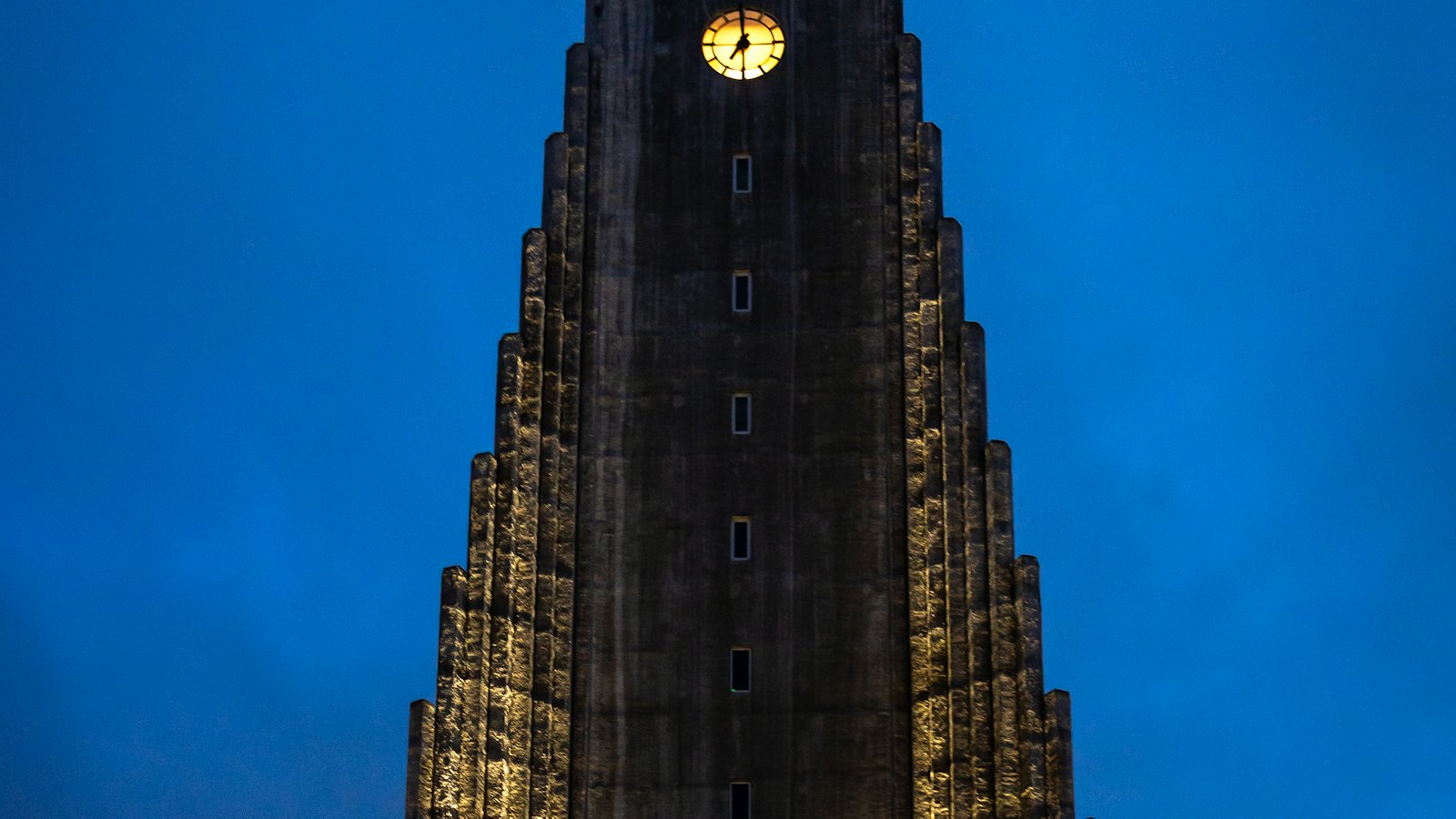
- Hallgrímskirkja and Skólavörðustígur: Colourful streets, independent shops and cafes create a central setting with plenty of character. Couples and photographers gain excellent walkability without necessarily sleeping above the main nightlife strip.
- Vesturbær: West of downtown, this residential quarter offers quieter streets, harbour access and local swimming facilities. It suits families and longer visits, though some organised tours require a walk to their collection point.
- Hlíðar and Laugardalur: Rates can be lower outside the old centre. Hlíðar has useful bus links, while Laugardalur provides a major swimming complex and family recreation.
Budget rooms often have shared bathrooms. Check whether breakfast, cooking equipment and luggage storage are included, since these amenities can reduce food expenses and simplify arrival or departure day.
Things to do in and around Reykjavik
- Hallgrímskirkja: See Reykjavik's best-known church and take the tower lift when it is operating for broad views of the city, sea and surrounding mountains.
- Harpa: Enter the waterfront concert venue to appreciate its geometric glass walls and the changing light reflected from the harbour.
- Sun Voyager: Walk along the shore to this steel ship sculpture, especially during sunrise or the long summer evening.
- Old Harbour: Observe fishing and excursion vessels, browse the waterfront and join a whale-watching trip if conditions are suitable.
- National Museum of Iceland: Trace Icelandic life from the settlement period through medieval society and modern independence.
- Settlement Exhibition: View excavated remains beneath the city and learn how Reykjavik's earliest inhabitants lived.
- Perlan: Explore approachable exhibits about glaciers, volcanoes and Icelandic geology before visiting the observation deck.
- Geothermal swimming pools: Join an ordinary local ritual at municipal pools and hot tubs that cost far less than luxury lagoons. Showering without swimwear is required before entry.
- Golden Circle: Allow a full day for Þingvellir, the Geysir geothermal area and Gullfoss.
- Geothermal lagoon: Consider a facility near Reykjavik or the Blue Lagoon by Keflavik. Check current access because volcanic activity can affect roads and opening arrangements.
Icelandic food worth trying
Icelandic cooking reflects cold seas, sheep farming and preservation traditions developed for a harsh climate. Seafood is an easy introduction. Look for grilled cod, haddock or Arctic char, or order plokkfiskur, a comforting dish of fish, potatoes and onion. Kjötsúpa combines lamb with vegetables and is particularly welcome after time outdoors. Muslim diners should confirm the meat source and other ingredients before ordering either soup or lamb.
Rúgbrauð is a mildly sweet, dense rye bread associated with geothermal baking. It may accompany butter, smoked fish or soup. For a convenient and fairly affordable breakfast, supermarkets stock skyr, a thick cultured dairy product rich in protein. Standard Icelandic hot dogs contain meat that is not halal and should generally be avoided.
Restaurant spending can be reduced by eating lunch at a bakery, food hall or casual fish counter, then preparing another meal from groceries. Central Reykjavik and the Old Harbour offer the widest selection. Falafel, vegetarian soup, pizza and South Asian dishes broaden the choices. Anyone observing strict halal requirements should ask whether stocks or sauces contain alcohol and whether cooking surfaces or utensils are shared.
Halal food and prayer spaces
Reykjavik has a modest Muslim population, and suitable meals are available when researched beforehand. Choices are more limited than in major European cities. Locally raised lamb is not automatically halal, and labels such as pork-free do not address slaughter methods, alcoholic ingredients or shared kitchen equipment.
Restaurants serving Middle Eastern, Turkish and South Asian food are the likeliest options in and around the centre. Ask whether halal status covers the complete menu or only selected meats, and whether the business can provide certification or other reliable confirmation. When meat cannot be verified, simply cooked seafood and vegetarian meals are practical substitutes. Sauces and desserts may contain alcohol, so they also deserve checking. Listings on Zabihah or HappyCow can provide leads, but direct confirmation is important because operators and menus change.
Reykjavik Mosque, managed by the Muslim Association of Iceland, is the main established prayer site. The Islamic Cultural Centre of Iceland provides another community location. Confirm visitor access and current opening times before travelling there. Keflavik Airport may not consistently provide a dedicated prayer room. Airport staff can help identify a quiet place, while a compact prayer mat and offline qibla tool are useful backups.
Getting around Reykjavik
Central Reykjavik is sufficiently compact for most sightseeing on foot. Even so, freezing surfaces, rain and sudden gusts can make a short distance difficult. Shoes with waterproofing and dependable grip are a better choice than fashionable footwear with smooth soles.
Straeto operates the capital area's yellow public buses. Reykjavik has no metro or passenger rail system, nor does it use a single visitor payment card comparable to London's Oyster. A city ride costs approximately ISK 650 to ISK 700, around RM 21 to RM 23. The Klapp application is widely used for route planning and ticket purchases. Check its payment requirements before arrival, since drivers may be unable to provide change. The Reykjavik City Card combines bus travel with entry to selected museums and pools, although it is worthwhile only if those attractions match your plans.
Grab is not present, and Iceland does not have ordinary Uber operations. Use recognised taxi ranks, ask accommodation staff to arrange a vehicle or contact an established taxi company. Request an approximate price for longer trips. Bicycles and scooters are practical only in calm, safe conditions. Reaching the Golden Circle or South Coast is better handled with a tour or hired car than with regular urban buses.
A practical four-day itinerary
- Day 1: Take an airport coach from Keflavik and leave luggage at your accommodation. Start with Hallgrímskirkja, follow Skólavörðustígur and Laugavegur downhill, then walk beside the water to the Sun Voyager and Harpa. Purchase breakfast items at a supermarket and allow an early night after the long trip.
- Day 2: Visit the National Museum and explore the Old Harbour. Choose the Settlement Exhibition or a whale-watching cruise according to weather and interest. Eat fish nearby, then spend the evening in a municipal geothermal pool for an affordable taste of local life.
- Day 3: Dedicate the day to an organised Golden Circle trip covering Þingvellir, Geysir and Gullfoss. Pack food, a charged power bank and waterproof outerwear. Winter brings short daylight hours, while summer outings benefit from exceptionally late sunsets.
- Day 4: Tour Perlan and return to any central sights missed earlier. Add a lagoon if the budget allows, or take a slower walk around Vesturbær. Visiting a lagoon near Keflavik before a late flight works only when transport, luggage and airport timing have been carefully coordinated.
Add another day if the South Coast is a priority. Compressing that long excursion into this schedule would leave too little flexibility.
Money, SIM and practical tips
The national currency is the Icelandic króna, shown as ISK. ISK 1,000 can be treated as roughly RM 32 for initial estimates, but check the live exchange rate close to departure. Cards and contactless payments are accepted for almost everything, including inexpensive purchases, so carrying cash is rarely necessary. DuitNow QR does not function as Iceland's local payment network.
An eSIM is usually the easiest mobile option for a compatible handset. Prepaid physical SIMs are also sold, and travellers driving into rural areas should compare coverage rather than price alone. Wi-Fi is routinely available in hotels, cafes and coaches. Electricity is supplied at 230V through Type C and Type F outlets, so Malaysian plugs need an adapter.
Tips are not normally expected because service is included. Personal crime is relatively uncommon, but natural conditions demand attention. Wind, icy ground, cold water and road closures can create serious hazards. Review official weather and highway information before leaving the city, follow closures and remain behind safety barriers. Keep away from unpredictable waves on exposed beaches. Rural drivers should refuel early and respect restrictions applying to highland roads.
Wear several insulating layers under a waterproof outer shell instead of relying on one heavy coat. Tap water is safe to drink, while heated geothermal water can carry a noticeable sulphur smell.
Before you go
- Best time to go
- Choose the season according to the Iceland experience that matters most. From June to August, Reykjavik has its mildest weather, almost continuous daylight and the widest choice of excursions. These advantages also bring the year's highest room rates. Even summer feels cool to Malaysians, so waterproof clothing and adjustable layers remain necessary. Northern lights become possible on dark, clear nights from September into early April, but cloud cover and weak solar activity can prevent a display. December has only a few hours of daylight, while ice and disrupted roads sometimes complicate January or February travel. May and September can balance moderate visitor numbers, lower accommodation costs and enough daylight for sightseeing. Flights may become busier during Malaysian school holidays in June and December, making early reservations advisable for fixed dates.
- Visa for Malaysians
- Malaysian passport holders do not need a visa to visit Iceland, as of September 2026. Malaysians can visit the Schengen Area for no more than 90 days within any moving 180-day period. Time spent in other Schengen members, including France, Germany and the Netherlands, counts toward the same limit. Following full activation of the Entry/Exit System on 10 April 2026, physical passport stamps were discontinued, and initial border enrolment now captures a facial image and fingerprints. ETIAS, an online authorisation, is expected during the last quarter of 2026, with a suggested charge of about €20 (around RM 93) and validity for three years, though applications have not opened. A preparatory period of at least six months is expected before it becomes compulsory. Your passport must have been issued within the previous decade and remain valid for three months after the intended Schengen exit. Confirm the latest rules through the official EU Travel Europe website before flying.
- Honest budget guide
- Reykjavik is expensive, so allow plenty of room in the budget. A reasonable daily estimate is RM 650 to RM 1,100 per traveller, excluding long-distance flights and major guided outings. The fare check used for this guide showed a cheapest one-way ticket of RM 2,041 and a median of RM 2,409 from Kuala Lumpur. Hostel beds and simple rooms may cost RM 250 to RM 450 a night. A private mid-range room commonly reaches RM 650 to RM 1,100. Budget RM 150 to RM 280 each day for food and RM 30 to RM 80 for city travel, with airport transfers and countryside tours added separately. For five days, an indicative total of RM 7,000 to RM 11,000 per person can cover return airfare, lodging, meals, transfers and one or two excursions. Sharing rooms and buying supermarket food produce the greatest savings. All figures are estimates.
Frequently asked questions
Do Malaysians need a visa for Iceland?
As of September 2026, Malaysian citizens can make short Iceland visits without obtaining a visa. The permitted stay is calculated across every Schengen country and cannot exceed 90 days within 180 days. The passport must meet age and remaining-validity rules. Biometric movements are recorded through the Entry/Exit System. ETIAS is expected later but applications are not open, so check the official EU Travel Europe website before departure.
Is there a direct flight from Kuala Lumpur to Reykjavik?
September 2026 schedules contain no nonstop service between Kuala Lumpur and Keflavik. Journeys therefore connect at least once, often through both a Gulf hub and a European airport. Amaboxly identified a RM 2,041 one-way itinerary using Etihad and Icelandair with two transfers. For bookings assembled from separate tickets, confirm through-checking of luggage and determine who bears the cost if a delayed flight causes a missed connection.
How many days are enough for Reykjavik?
Four days comfortably allows two days for the capital, one Golden Circle outing and a final day for Perlan, a lagoon or slower neighbourhood exploration. Travellers who also want the South Coast should plan five or six days. Extra time is especially valuable during winter because short daylight, dangerous wind or poor road conditions can force tours and outdoor activities to move.
What is the best month to visit Reykjavik?
June suits visitors seeking long daylight and relatively gentle temperatures, though rooms and tours are expensive. September offers a useful mix of daylight, smaller crowds and darker nights. For aurora trips, October through March provides longer periods of darkness, but clear skies and solar activity are never assured. Anyone visiting in winter should leave room for weather-related changes.
Is Reykjavik Muslim-friendly?
The city has an established Muslim community, prayer facilities and a limited selection of restaurants offering halal possibilities. More checking is required than in London or Copenhagen. Do not assume that Icelandic lamb or a pork-free dish is halal. Ask the restaurant directly about meat, alcohol and shared equipment. Vegetarian meals and plainly prepared seafood are useful alternatives, and carrying a prayer mat adds flexibility.
How much money should I budget for five days in Iceland?
Allow approximately RM 7,000 to RM 11,000 per traveller for an indicative five-day visit. That range can include return flights, accommodation, meals, airport transfers and one or two tours. Private lodging, regular restaurant meals, lagoon entry and several guided outings push the cost upward. Shared rooms, grocery shopping and Reykjavik's municipal pools can reduce the total substantially.
Can I use Grab or Uber in Reykjavik?
Neither Grab nor a conventional Uber service is available in Reykjavik. Walking is practical throughout the centre, while Straeto buses serve districts farther away. When a taxi is needed, use an official rank, contact a reputable local operator or ask your hotel to make the booking. Fares are high, so obtain an estimate before agreeing to a longer journey.
Can I see the northern lights from Reykjavik?
Northern lights can appear above Reykjavik between roughly September and early April when darkness, clear skies and sufficient solar activity coincide. City lighting can obscure weaker auroras, which is why an excursion beyond the built-up area often provides better visibility. A sighting is never promised. Keep more than one evening free and follow current cloud and aurora forecasts.
Jom pergi
Ready to go Reykjavik? Compare available flights and hotels for your dates. Check baggage, cancellation terms and the final total on the booking provider before paying.






