




On this page12 sections
Porto rewards travellers who enjoy exploring on foot, stopping for tiled churches, river views and strong coffee. Portugal's compact second city still offers enough sloping historic lanes, port lodges and Atlantic neighbourhoods to fill several days. Visitors from Malaysia should prepare for a connecting flight from KLIA, changeable weather, limited halal dining and frequent uphill walking. This guide covers flight choices, airport transfers, accommodation areas, food, prayer facilities, local transport, expected costs and a four-day itinerary. Ringgit estimates use an indicative exchange rate of €1 to RM 4.65.
Getting There from Kuala Lumpur
No airline operates a nonstop service between Kuala Lumpur International Airport and Porto as of September 2026. Every available journey requires at least one connection, commonly through a major Middle Eastern or European airport. Lower-priced combinations may include two transfers. Efficient itineraries take approximately 17 to 24 hours, while long layovers can extend the journey beyond a full day.
The lowest one-way fare identified was RM 2,004 for travel on 24 October 2026. It combined Etihad and TAP Air Portugal with two stops. The median observed one-way price was RM 2,067. Other available combinations included Etihad with Air Europa and Qatar Airways with TAP Air Portugal. All schedules and fares can change before booking.
Most long-distance international flights leave from KLIA Terminal 1, but travellers should check every segment. Separate tickets or airline changes can require baggage collection, another check-in and movement between terminals. Build in a generous connection when reservations are not linked. Paying slightly more for one through-ticket may be worthwhile if checked luggage is transferred directly to Porto.
From Porto Airport to the Centre
Francisco Sá Carneiro Airport is approximately 11 kilometres northwest of central Porto. The Metro is usually the least expensive transfer, while a taxi or app-based car provides greater convenience for groups, late arrivals and passengers carrying several bags. The ringgit figures below use an approximate rate of €1 to RM 4.65.
- Metro: Follow the violet signs for Line E to Trindade, where connections are available to other Metro lines. The trip takes about 30 minutes. Including the reusable Andante card, expect a fare of roughly €2.50 to €3.50, or RM 12 to RM 16. Buy the correct zones and validate the ticket.
- Public bus: Urban services reach several Porto districts for around €2.50 to €3, or RM 12 to RM 14. Buses are slower and awkward with large luggage.
- Taxi: A metered journey to central districts generally costs €25 to €35, equivalent to RM 116 to RM 163. Traffic, baggage and timing can change the total. Use the authorised rank outside arrivals.
- Uber or Bolt: Airport quotes commonly fall between €15 and €30, about RM 70 to RM 140, although busy periods can raise prices.
Late-arriving passengers should verify the final Metro departure before relying on rail transport.
Choosing Where to Stay
Porto looks compact on a map, but sharp gradients and uneven paving make the choice of accommodation unusually important. Staying near a Metro station is especially useful for families, older travellers and anyone carrying a stroller, luggage or heavy shopping.
- Baixa and Bolhão: These central areas suit a first visit. São Bento station, tiled churches, shopping streets and many restaurants are nearby. Read recent reviews if nighttime street noise is a concern.
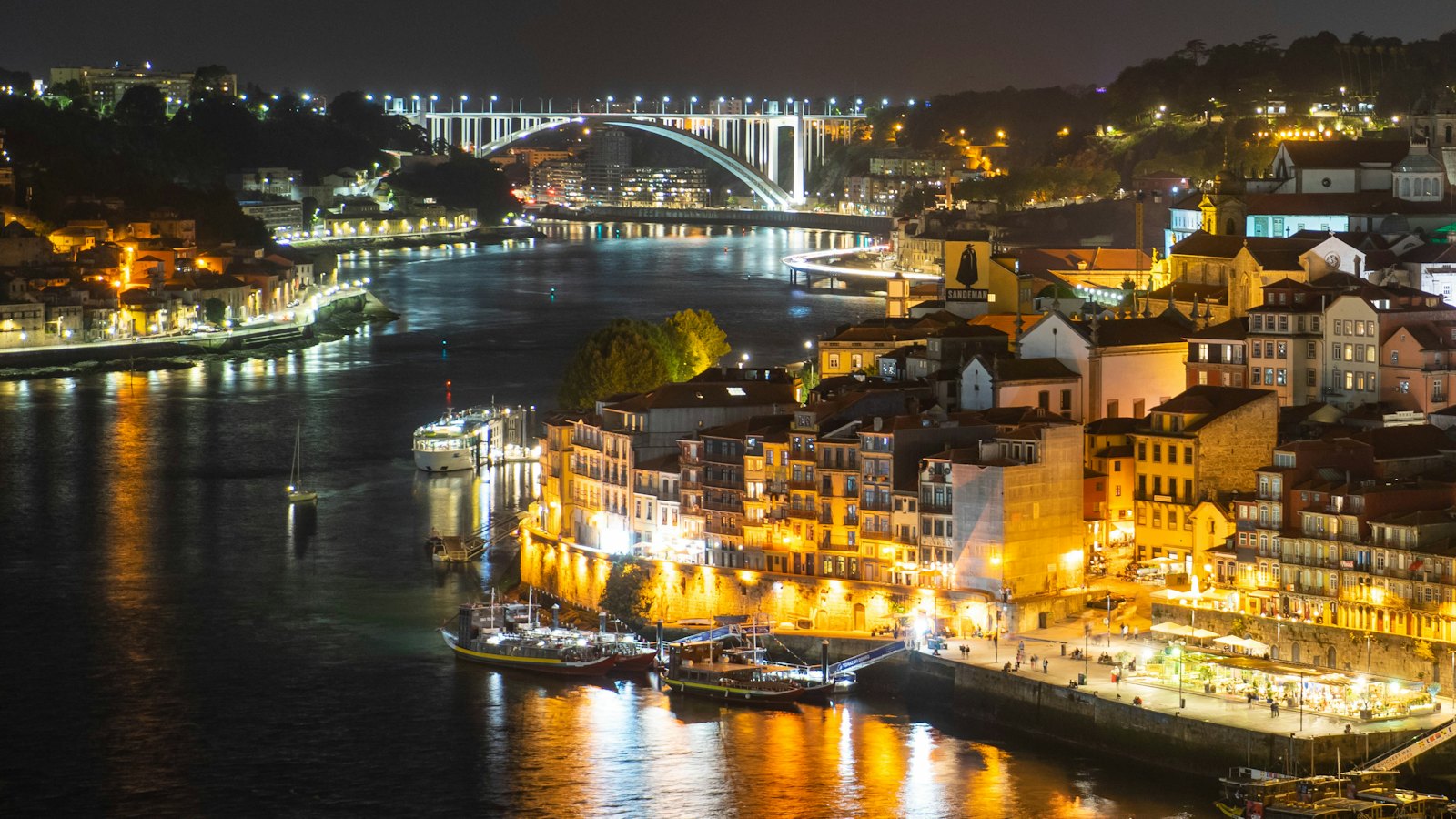
- Ribeira: The waterfront quarter offers familiar Douro views and easy access to the Dom Luís I Bridge. Rooms can be expensive, lanes rise steeply and vehicles cannot reach every entrance.
- Cedofeita: Couples and repeat visitors may enjoy its galleries, independent shops and more residential character. The historic centre remains walkable.
- Bonfim: Prices are often lower than in the oldest districts. Metro links make sightseeing straightforward, and several Muslim services are closer to this side of Porto.
- Vila Nova de Gaia: Gaia is convenient for port lodges and views across the river. Check the exact position of a property because many homes stand well above the waterfront.
Things to Do in Porto
Most leading sights are concentrated around the historic centre and the Douro waterfront. Three days cover the principal landmarks, while a fourth creates space for the Atlantic coast or a trip beyond the city.
- Cross the Dom Luís I Bridge: The upper level reveals broad views of the river and rooftops. The lower level offers another perspective close to the water.
- Explore Ribeira: Visit early to experience its old lanes and quays before large tour groups and lunch crowds arrive.
- Enter São Bento station: Blue and white azulejo panels fill the entrance hall with scenes from Portuguese history.
- Visit Porto Cathedral: Its elevated position provides a useful view over the medieval quarter.
- See Igreja do Carmo and Capela das Almas: Both are known for elaborate tiled façades.
- Browse Mercado do Bolhão: The restored market displays produce, snacks and everyday Portuguese ingredients.
- Book Livraria Lello: Controlled admission reflects the decorative bookshop's intense popularity.
- Discover Gaia's port lodges: Guided visits explain how fortified Douro wine is aged and blended. Travellers avoiding alcohol can choose the viewpoints and riverside promenade instead.
- Continue to Foz do Douro: Finish an Atlantic seafront walk with coffee or seafood.
Local Food and Safer Choices
Traditional Porto cooking frequently combines meat, fish, bread and potatoes in substantial portions. Travellers who avoid pork should ask about broths, sausages, cooking wine and preparation methods because unsuitable ingredients may not be obvious in the completed dish.
Francesinha is the city's best-known speciality. This layered meat sandwich is covered with cheese and a rich sauce, then commonly served with chips. Standard versions often contain pork, and the sauce may include beer. Order it only from a trusted halal restaurant or select a confirmed vegetarian version. Tripas à moda do Porto, another regional dish, combines tripe and beans and commonly contains pork.
More suitable possibilities include grilled sardines, sea bass, octopus, cod and vegetable soup. Ask whether the kitchen uses shared grills, animal stock or common frying oil. Caldo verde may appear vegetarian but usually includes sliced chouriço. Desserts include pastel de nata, pão de ló and pastries based on almonds or egg yolks. Check for lard and alcoholic flavourings when necessary.
Mercado do Bolhão is convenient for sampling small items. Matosinhos is well known for fish cooked over charcoal. Ribeira's waterfront restaurants generally charge tourist-focused prices, while streets farther uphill often offer better value.
Halal Meals and Prayer Arrangements
Muslim visitors can travel comfortably in Porto with some preparation, but the halal restaurant selection is far smaller than in Kuala Lumpur, London or Lisbon. Establishments that explicitly advertise halal meat are more likely to serve South Asian, Turkish or Middle Eastern food than Portuguese dishes. Search central Porto, Bonfim and the route toward Campanhã. Contact a restaurant shortly before visiting to confirm whether all meat is halal, whether alcohol is served and whether cooking equipment is shared.
Labels such as vegan, vegetarian, seafood and sem porco address only certain ingredients and do not prove halal compliance. Sauces may contain wine, soups can use meat stock, and some pastries include lard or spirits. Fish restaurants and fully vegan kitchens are practical alternatives, subject to each traveller's position on shared preparation. Halal directories and current customer reviews can help identify possibilities, but an old listing is not reliable confirmation.
Porto's established Muslim community supports mosque and Islamic cultural facilities in the central and eastern parts of the city. Confirm prayer times and visitor access before going. Porto Airport has offered a quiet religious area, although passengers should ask airport staff about its current location and availability. Shopping centres should not be assumed to provide a surau. Carrying a compact prayer mat and qibla application makes prayer planning easier.
Transport Within Porto
Walking is often the easiest way to experience central Porto, but stairs, cobblestones and steep inclines can make short distances tiring. Supportive shoes with dependable grip are more useful here than a tightly packed hourly schedule.
The Andante system covers the Metro, city buses and many urban rail journeys. Buy a reusable card, load the appropriate zone-based ticket or pass and validate it whenever required, including at applicable interchanges. A typical central journey costs €1.50 to €2.50, approximately RM 7 to RM 12. An Andante Tour pass can reduce costs during a transport-heavy visit, but compare its coverage with the routes in your itinerary.
Heritage trams offer an atmospheric experience, although they are slow and can become crowded. The funicular near Ribeira saves travellers from a demanding climb and may require a separate fare. Trains leaving São Bento or Campanhã are useful for outings to Braga, Guimarães and Aveiro.
Grab does not operate in Porto. Uber and Bolt are available, alongside conventional metered taxis. A short journey between central neighbourhoods usually costs €6 to €12, or RM 28 to RM 56, before any demand increase. Renting a car is unnecessary for a city stay because parking is limited and the older streets are difficult to negotiate.
Four Days in Porto
- Day 1: Begin inside São Bento station, climb to Porto Cathedral and follow the historic streets downhill to Ribeira. Cross the lower level of the Dom Luís I Bridge and explore Gaia beside the Douro. Return around sunset for illuminated waterfront views.
- Day 2: Visit Mercado do Bolhão, Capela das Almas, Avenida dos Aliados and the Clérigos area. Reserve Livraria Lello in advance if it matters to you. Continue through Cedofeita's shops and cafés, leaving comfortable time for prayer and dinner.
- Day 3: Take a Gaia lodge tour if the production of port interests you. Otherwise, visit the district's viewpoints and riverside paths. Later, use public transport to reach Foz do Douro for an Atlantic walk. Coastal winds can be strong even when central Porto feels warm.
- Day 4: Travel by train to Braga, Guimarães or Aveiro. A Douro Valley excursion is another choice for vineyard scenery and river landscapes. Muslim travellers who will skip wine tasting should confirm suitable meals and alcohol-free arrangements before reserving a tour.
Money, Connectivity and Practical Tips
Portugal uses the euro. For basic planning, an exchange rate of €1 to RM 4.65 is convenient, but card surcharges and bank conversion rates vary. Visa and Mastercard are accepted by most Porto businesses. Some market sellers, traditional establishments and small cafés take only cash or set a minimum card purchase, so carry a few low-value notes and coins. Malaysian DuitNow QR is not routinely accepted in Portugal. MB Way, Portugal's domestic mobile payment service, is generally impractical for a short-term Malaysian visitor.
A European travel eSIM can be arranged before departure. Local network operators also sell prepaid physical SIM cards and may request a passport. Wi-Fi is common in hotels and cafés, but avoid sensitive banking activity on unsecured public connections.
Porto uses Type C and Type F electrical sockets at 230V, so Malaysian travellers need a suitable plug adapter. Tipping is voluntary. Rounding up or leaving 5 to 10 percent for attentive table service is appreciated but not required.
The city is generally manageable for tourists. Watch for pickpockets near crowded attractions and on busy transport. Keep phones away from exposed table edges, refuse unsolicited help at ticket machines and walk carefully on wet stone paving after rain.
Before you go
- Best time to go
- Late spring and early autumn offer Porto's most balanced travel conditions. May, June, September and early October usually provide comfortable temperatures, manageable visitor numbers and generous daylight. July and August are warmer, busier and more expensive, particularly near the river. Porto's Atlantic position means showers remain possible throughout the year. November through February brings cooler temperatures, more frequent rain and shorter days. The São João celebrations make late June particularly lively, but accommodation can fill quickly. Malaysian school holidays may raise flight prices even when demand within Porto is moderate. Pack sun protection, shoes with reliable traction and a lightweight waterproof jacket. A weekday stay in May or September often means shorter queues and better accommodation value.
- Visa for Malaysians
- Malaysian citizens do not require a visa for a short visit to Portugal as of September 2026. A Malaysian passport permits stays totalling up to 90 days within any rolling 180-day period across the Schengen Area. Time spent in every participating Schengen country counts toward the same limit. The Entry/Exit System is operating in place of routine passport stamps, so a traveller's first arrival includes fingerprinting and a facial photograph at the border. ETIAS is not yet accepting applications and is expected to begin in the final quarter of 2026. The planned fee is approximately €20, or RM 93, with a transition period of at least six months before it becomes mandatory. A passport must be under 10 years old when entering and remain valid for three months after the planned Schengen departure. Check travel-europe.europa.eu again before flying.
- Honest budget guide
- Allow about RM 350 to RM 650 per person each day in Porto before international flights. One-way fares from Kuala Lumpur were found from RM 2,004, while the observed median was RM 2,067. Return prices vary substantially with dates and connections. A basic private room may cost RM 250 to RM 400 per night, while comfortable mid-range lodging can reach RM 450 to RM 750. Budget approximately RM 100 to RM 200 a day for meals and RM 30 to RM 70 for local transport unless using ride-hailing frequently. For four nights, RM 5,000 to RM 8,000 per person can reasonably cover return flights, accommodation, meals, urban transport and several admission fees. These figures are planning estimates, not guaranteed prices.
Frequently asked questions
Are there direct flights from Kuala Lumpur to Porto?
No nonstop service operates between Kuala Lumpur International Airport and Porto as of September 2026. Travellers need at least one connection, usually in the Middle East or Europe. The quickest practical itineraries take about 17 to 24 hours, while cheaper two-stop journeys or long layovers can take more than one day.
How many days should Malaysians spend in Porto?
Three days are enough for the historic centre, Ribeira, Gaia and several major landmarks. Four days provide a more comfortable pace and allow time for Foz do Douro or a rail excursion to Braga, Guimarães or Aveiro. Add another day if a Douro Valley outing is important.
Is halal food easy to find in Porto?
Porto has halal choices, but the range is limited compared with Kuala Lumpur or Lisbon. Most clearly advertised options serve South Asian, Turkish or Middle Eastern dishes. Contact restaurants before visiting to verify the meat, alcohol policy and shared equipment. Seafood and fully vegan kitchens can provide additional choices.
Where can Muslim visitors pray in Porto?
Mosque and Islamic cultural facilities operate in the central and eastern parts of Porto. Visitors should confirm current prayer times and access arrangements before travelling to them. The airport has provided a quiet religious area, but its availability and location should be checked with airport staff. Carrying a small prayer mat is useful.
Can visitors use Grab in Porto?
Grab is not available in Porto. Uber and Bolt provide app-based rides, and ordinary metered taxis are widely available. A short central trip generally costs €6 to €12 before higher demand pricing. Metro services and buses are usually less expensive for routine journeys around the city.
Is Porto difficult to explore on foot?
Central Porto is compact, but its steep streets, stairways and uneven cobbles make walking more demanding than distances suggest. Comfortable shoes with strong grip are important, particularly after rain. Travellers with limited mobility should stay near a Metro station and use the funicular, taxis or ride-hailing for major climbs.
Do Malaysians need a visa for Portugal?
Malaysian citizens can make short visa-free visits to Portugal, subject to the Schengen limit of 90 days in any rolling 180-day period. Passport age and validity rules also apply. Entry systems and ETIAS arrangements are changing, so travellers should verify the latest official requirements before departure.
What plug adapter is needed in Porto?
Portugal uses Type C and Type F sockets with a 230V supply. Malaysian plugs do not fit these sockets directly, so travellers need a suitable European adapter. Check that each appliance supports 230V before connecting it. Most modern phone and laptop chargers accept this voltage, but the label should still be inspected.
Jom pergi
Ready to go Porto? Compare available flights and hotels for your dates. Check baggage, cancellation terms and the final total on the booking provider before paying.






