




On this page12 sections
- Overview
- Flights from Kuala Lumpur to Stockholm
- Getting from Arlanda Airport to central Stockholm
- Where to stay in Stockholm
- Things to Do in Stockholm
- What to Eat in Stockholm
- Halal food and prayer facilities
- Getting around on public transport
- A four-day Stockholm itinerary
- Money and Practical Travel Tips
- Before you go
- FAQ
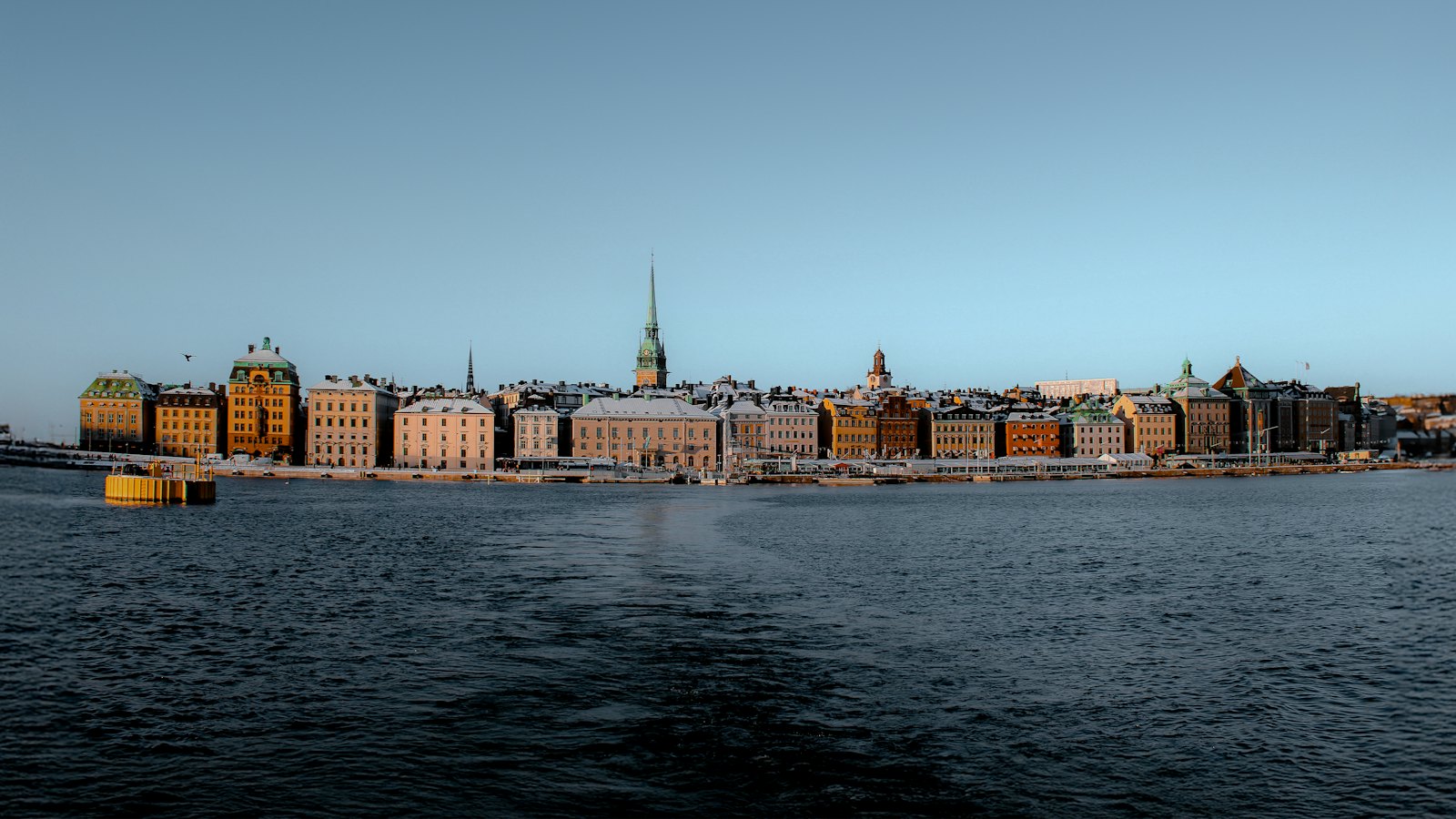
Stockholm spreads across a chain of islands connected by bridges, ferries and an efficient public transport network. Malaysian visitors can explore the Swedish capital independently, although accommodation, food and airport transfers cost considerably more than their Kuala Lumpur equivalents. This guide explains flight connections from KLIA, transport from Arlanda Airport, suitable neighbourhoods, halal dining and prayer facilities. It also covers seasonal daylight, electronic payments, local travel and realistic spending in ringgit, helping you enjoy Gamla Stan, Djurgården and the archipelago while avoiding expensive surprises.
Flights from Kuala Lumpur to Stockholm
No airline currently operates a nonstop Kuala Lumpur International Airport to Stockholm Arlanda Airport service, based on the route list current as of September 2026. Reaching Stockholm therefore involves at least one connection. Compare the entire itinerary carefully, since some attractive fares include two stops, separate airlines or a lengthy overnight transit.
Available connecting choices included Qatar Airways through Doha, Emirates through Dubai and THAI through Bangkok. Bookable combinations also involved Etihad, Austrian, Condor, Lufthansa and Oman Air. Most international full-service departures use KLIA Terminal 1, but confirm the terminal on your reservation and boarding pass. A well-timed journey with one connection generally lasts about 15 to 20 hours. Two-stop options and long layovers can extend the trip considerably.
A fare search shows a one-way ticket costing RM 1,887 for 10 March 2027 on Oman Air and Lufthansa with two connections. The median one-way fare is RM 2,115. Indicative starting prices are about RM 1,967 through Doha, RM 2,090 through Bangkok and RM 2,181 through Dubai. These figures are temporary snapshots. Check baggage allowances, connection protection and any airport transfer before choosing the lowest price.
Getting from Arlanda Airport to central Stockholm
Arlanda Airport is roughly 40 kilometres north of central Stockholm. The ringgit estimates below use an approximate conversion of SEK 1 to RM 0.45. Prices can change according to ticket type, purchase date and promotional availability.
- Arlanda Express: The dedicated train reaches Stockholm Central in about 18 minutes. A regular adult ticket usually costs SEK 300 to SEK 350, approximately RM 135 to RM 158. Advance promotions and discounts for groups or younger travellers may lower the fare.
- Commuter train: Travel to Stockholm City takes close to 38 minutes. After including the airport station charge, budget about SEK 180 to SEK 200, or RM 81 to RM 90.
- Airport coach: Buses normally arrive at Cityterminalen in 40 to 55 minutes, depending on traffic. Tickets commonly cost SEK 120 to SEK 150, around RM 54 to RM 68.
- Bus 583 plus commuter rail: Take the bus to Märsta and change to a train, avoiding the Arlanda station supplement. Allow 60 to 80 minutes and approximately SEK 45, or RM 20.
- Taxi: Use a recognised company and confirm the fixed price first. A central journey generally costs SEK 600 to SEK 800, or RM 270 to RM 360.
Where to stay in Stockholm
Central Stockholm is relatively compact, but waterways, bridges and transport changes can make a short map distance take longer than expected. Check the actual walking route between a property and its nearest station before booking, especially if you carry large bags or expect icy conditions.
- Norrmalm: A convenient base for first visits, short stays and early train departures. Stockholm Central, major shops and several metro lines are nearby. The atmosphere is commercial, but the transport links are excellent.
- Gamla Stan: A strong choice for medieval lanes, historic buildings and peaceful evening walks after many day visitors leave. Some older hotels have small rooms or narrow stairs, and wheeled luggage is awkward on cobbles.
- Södermalm: Suitable for travellers interested in independent cafes, vintage shops, viewpoints and neighbourhood nightlife. Slussen and Mariatorget provide easy connections to ferries, metro lines and the old town.
- Vasastan: A calmer option for couples and families who want parks and local bakeries without staying far from central attractions.
Hostel beds often cost RM 180 to RM 350 per person. Simple private rooms can range from RM 450 to RM 750, while comfortable mid-range accommodation frequently costs RM 650 to RM 1,000. Summer weekends are usually the most expensive.
Things to Do in Stockholm
- Explore Gamla Stan: Walk through narrow passages, visit Stortorget and inspect the courtyards outside the Royal Palace. The streets are quietest early in the morning.
- See the Vasa Museum: Stockholm's remarkably preserved 17th-century warship deserves at least two hours.
- Discover Skansen: This large Djurgården open-air museum combines traditional buildings, craft demonstrations and Nordic wildlife.
- Tour City Hall: A guided visit reveals important ceremonial rooms inside the waterfront landmark. Opening times for tours and the tower change with the season.
- Cross the harbour by ferry: Several boat routes form part of the public transport network and offer inexpensive views from the water.
- View metro art: T-Centralen, Stadion and Kungsträdgården are especially notable. Travel outside rush hour for easier photography.
- Walk Monteliusvägen: This short Södermalm path overlooks Gamla Stan and City Hall and looks particularly appealing around sunset.
- Visit Fotografiska: Review the current photography programme before paying for admission, then enjoy the harbour outlook.
- Experience the archipelago: In warmer months, choose a nearby island for a manageable day trip. Winter departures are much less frequent.
What to Eat in Stockholm
Fika is an intentional pause for coffee, conversation and usually a baked treat. Try a kanelbulle, a cinnamon bun commonly scented with cardamom, at a local cafe or established bakery. Swedish buns tend to have less icing than American versions, which may appeal to Malaysians who prefer moderately sweet desserts.
Popular savoury dishes include köttbullar, commonly served with potatoes, cream gravy and lingonberries. Toast Skagen carries prawns in a rich dressing, while gravlax is cured salmon. Traditional menus may also feature fried or pickled herring. A weekday dagens lunch set often delivers better value than an evening meal. A well known food hall in Östermalm provides a broad introduction to Swedish ingredients, although prices there are relatively high.
Never assume Swedish meatballs are halal. A recipe can include pork, pork-derived stock or alcohol, so ask about both ingredients and preparation. Seafood and plant-based dishes are practical substitutes, but their sauces may still contain wine. Coffee and a bun generally cost SEK 60 to SEK 100, about RM 27 to RM 45. A casual restaurant main usually costs SEK 140 to SEK 250, approximately RM 63 to RM 113.
Halal food and prayer facilities
Muslim visitors can travel around Stockholm comfortably with some preparation. Halal choices are easiest to locate in central districts, Södermalm and suburbs with Middle Eastern, Turkish, South Asian or East African communities. Ask whether meat comes from a halal supplier and whether the kitchen uses separate preparation areas. Labels such as vegetarian, seafood and "no pork" do not answer questions about alcohol, shared grills or meat origins.
Stockholm Mosque near Medborgarplatsen is the most prominent mosque within easy reach of the main sightseeing districts. Additional mosques and prayer spaces operate across the wider city, though access outside scheduled prayer periods can vary. At Arlanda Airport, follow the latest signs for a multi-faith or quiet room. Airport staff can provide directions if terminal facilities have moved.
HalalTrip and Zabihah can provide restaurant leads, while recent Google Maps reviews and photographs may clarify current opening hours. Treat community listings as useful leads rather than certification. Contact a restaurant when firm assurance is important. Carrying a compact prayer mat and identifying fish or vegan backup meals will simplify long sightseeing days.
Getting around on public transport
SL manages Stockholm's metro, suburban trains, buses, trams and selected passenger ferries. For an ordinary adult journey, visitors can usually tap a contactless bank card. The SL application and reloadable travel cards are useful for buying passes. A single journey costs about SEK 40 to SEK 45, or RM 18 to RM 20, with transfers allowed while the ticket remains valid. Multi-day passes can save money when you travel frequently, but airport supplements and private airport services are normally excluded.
The metro handles many visitor journeys, while buses connect districts between stations and trams serve Djurgården. Walking works well in the centre, although snow, ice and cobbled lanes can slow you down. Before boarding a ferry, verify that the particular route accepts SL tickets.
Grab does not serve Stockholm. Uber and Bolt are available, together with licensed taxi operators. Taxi prices vary, so examine the vehicle's comparison rate or accept the quoted app fare before leaving. Cycling is pleasant in mild conditions, but winter is unsuitable for inexperienced riders. For a three-day visit, walking combined with an SL pass is generally easier than hiring a car because central parking is limited and expensive.
A four-day Stockholm itinerary
- Day 1: After checking in, explore Gamla Stan, Stortorget and the lanes around the Royal Palace. Follow the waterfront towards City Hall, then visit Monteliusvägen for evening views.
- Day 2: Take a tram or ferry to Djurgården and start at the Vasa Museum. Continue to Skansen for an introduction to Swedish cultural history, or choose another nearby museum. Finish with an early halal, vegetarian or seafood dinner after crossing the harbour.
- Day 3: Devote the morning to Södermalm's streets and viewpoints. Continue north for fika and a Norrmalm walk, using the metro to see several decorated stations. Include Fotografiska if the current exhibitions appeal to you.
- Day 4: From late spring through summer, take a short archipelago cruise or visit an island with straightforward connections. During colder months, replace the boat trip with City Hall, a market hall and an indoor museum. Leave ample time for the airport, particularly if travelling by bus 583 and commuter train.
Three complete days cover the main central sights. A fourth gives you more time for Djurgården or an island excursion without making each day feel rushed.
Money and Practical Travel Tips
Sweden uses the krona, shown as SEK. For quick estimates, SEK 10 is approximately RM 4.50, but check the live exchange rate before departure. Stockholm is strongly cashless, and some businesses do not accept banknotes. Visa and Mastercard work in most places, whereas DuitNow QR is not a standard Swedish payment method. Carry a physical chip-and-PIN card and keep a second card separately for emergencies.
An eSIM is often the easiest mobile data option for an unlocked phone. Availability and registration rules for physical prepaid SIM cards can vary, so compare current packages at Arlanda or central mobile shops. Swedish power sockets are Type C and Type F at 230V, meaning Malaysian plugs require an adaptor.
Tipping is optional. Rounding up or leaving a small amount for attentive table service is acceptable, but a large percentage is unnecessary. Stockholm is generally comfortable for independent travel, although pickpocketing can occur in busy stations, attractions and vehicles. Keep bags closed and reject unsolicited help at ticket machines. Shoes with good grip are important in winter, together with warm layered clothing. Tap water is safe to drink, so carrying a refillable bottle is an easy way to reduce daily costs.
Before you go
- Best time to go
- May to September provides the easiest conditions for most visitors. These months offer long daylight hours, generally mild temperatures and the most useful archipelago schedules. June, July and August bring warmer conditions, Midsummer celebrations, high room prices and strong demand. Swedish summer holidays may also reduce the opening hours of some neighbourhood businesses. Malaysian school breaks can overlap with this busy period, so book accommodation and flights early. April and October are cooler and wetter but may offer lower hotel prices. From November through March, expect cold weather, occasional snow and limited daylight. December has attractive festive lighting, while January and February require care on icy surfaces. Pack a waterproof outer layer in every season because wind beside the water can make Stockholm feel colder.
- Visa for Malaysians
- As of September 2026, Malaysian passport holders do not need a visa to enter Sweden for a short visit. Travellers can stay up to 90 days within any rolling 180-day period across the entire Schengen Area. Days used in countries such as France, Germany or Italy count towards the same allowance. The Entry/Exit System collects a facial image and fingerprints during initial border registration. ETIAS, expected to begin in the final quarter of 2026 with a fee of about €20 (roughly RM 93), is not yet open for applications, and a transition period of at least six months is planned before it becomes compulsory. Your passport must be less than ten years old on entry and valid for three months after the intended Schengen departure. Confirm the latest requirements at travel-europe.europa.eu before flying.
- Honest budget guide
- Stockholm calls for a fairly generous travel budget. Without international flights, allow approximately RM 550 to RM 900 per person each day for budget to moderate comfort. The one-way fares from Kuala Lumpur to Stockholm start at RM 1,887, with a median of RM 2,115, though return prices vary greatly by date and route. A hostel bed may cost RM 180 to RM 350, while simple private and mid-range rooms generally fall between RM 450 and RM 1,000. Set aside RM 120 to RM 250 daily for food and another RM 50 to RM 100 for city transport before attraction fees. One person sharing accommodation can spend roughly RM 6,000 to RM 9,000 on a five-day trip including return flights. Private rooms, nightlife, taxis and island excursions will raise the total.
Frequently asked questions
Can Malaysians visit Stockholm without obtaining a visa?
Yes, as of September 2026 Malaysian passport holders can enter Sweden visa-free for short tourism visits. The shared Schengen allowance is 90 days within a rolling 180-day period, so time spent elsewhere in the zone also counts. Your passport must meet the age and remaining-validity conditions. Check the official EU travel portal shortly before departure because entry procedures can change.
Can I fly nonstop between Kuala Lumpur and Stockholm?
No nonstop KUL to Stockholm service is available, based on the September 2026 route list. At least one transfer is required, with Doha, Dubai and Bangkok among the practical connecting airports. Efficient one-stop schedules commonly take about 15 to 20 hours. Lower fares involving two connections, separate bookings or lengthy waits can require substantially more time.
How long should I spend in Stockholm?
Three full days allow enough time for Gamla Stan, Djurgården, the Vasa Museum, Södermalm and several central landmarks. Choose four days if you prefer a slower pace or want an archipelago excursion. An additional day is particularly useful during winter because early darkness, snow and slippery streets can reduce the amount of sightseeing completed.
How suitable is Stockholm for Muslim travellers?
The city has mosques and a useful selection of Turkish, Middle Eastern, South Asian and East African restaurants, but halal availability is more limited than in Kuala Lumpur. Stockholm Mosque near Medborgarplatsen is convenient for central visitors. Ask individual restaurants about meat suppliers, alcohol and shared equipment. Seafood and plant-based dishes are practical alternatives when verified halal meat is unavailable.
Which month is most suitable for visiting Stockholm?
June offers mild weather and exceptionally long days, although hotels are expensive and popular attractions are busier. May and September often provide a better balance of daylight, manageable weather and smaller crowds. December appeals to visitors interested in festive illumination and seasonal markets, provided they are comfortable with low temperatures and a short sightseeing window.
What budget should I set for five days in Stockholm?
Allow roughly RM 6,000 to RM 9,000 per person for five days, including return flights from Kuala Lumpur, shared mid-range accommodation, meals, public transport and several admission fees. A hostel and supermarket meals can reduce the cost. Solo travellers booking private rooms, using taxis regularly or adding multiple excursions may spend more than RM 10,000.
Which ride-hailing apps work in Stockholm?
Grab does not operate in Stockholm, but Uber and Bolt provide app-based rides. Conventional licensed taxi companies also serve the city. Since fares can differ significantly, accept the displayed app quotation or inspect the taxi's comparison price before departure. For ordinary sightseeing, SL metro trains, buses, trams and ferries are usually cheaper and easier to plan.
Will cash and Malaysian bank cards work in Stockholm?
International Visa and Mastercard products are accepted by most businesses, while some establishments refuse cash completely. DuitNow QR is not commonly used for Swedish retail payments. Ask your bank whether overseas use must be enabled, carry a physical card with a working PIN and store a second payment card separately in case of loss or rejection.
Jom pergi
Ready to go Stockholm? Compare available flights and hotels for your dates. Check baggage, cancellation terms and the final total on the booking provider before paying.






