




On this page12 sections
Copenhagen combines handsome harbourfront buildings and royal history with clean design, efficient public transport and food that goes far beyond pastries. This European capital is easy to explore on foot, by metro or, once you understand the local etiquette, by bicycle. Malaysian visitors should prepare for a one-stop journey from KLIA, costly accommodation and dining, changeable Nordic weather and halal choices that require some planning. This guide covers sensible flight routes, airport transfers, neighbourhoods, prayer facilities and realistic ringgit budgets, plus a compact itinerary linking the canals, palaces, gardens and colourful waterfront that shape the Danish capital.
Flying from Kuala Lumpur to Copenhagen
As of September 2026, travellers cannot book a nonstop scheduled service between Kuala Lumpur International Airport and Copenhagen. Routes therefore involve one or more connections, often through Abu Dhabi, Doha, Istanbul, Dubai, Bangkok, Frankfurt or Amsterdam. Most practical itineraries take approximately 16 to 22 hours, although a long layover can extend the trip considerably. If your first European landing is within the Schengen Area, leave enough transfer time because border formalities may occur at that airport.
Amaboxly's latest fare check found an Etihad one-way ticket from RM 1,390, connecting in Abu Dhabi on 10 November 2026. Across the results examined, the middle one-way price was RM 1,697. Other displayed options combined Qatar Airways, Malaysia Airlines, Oman Air, Lufthansa, SWISS, Condor and Etihad. Search prices can disappear quickly, so inspect baggage allowances, layover duration and any terminal or airport change before purchasing.
Most full-service international flights leave from KLIA Terminal 1. Confirm the terminal shown on every boarding document, particularly when airlines are combined on one itinerary. KLIA Terminal 2 mainly handles low-cost carriers. Reaching the correct terminal at least three hours before departure gives useful time for check-in, security and immigration.
Copenhagen Airport to the city
Copenhagen Airport lies approximately 8 km from the city centre. Its rail, metro and bus services use the regional zone system, with a journey into central Copenhagen generally requiring three zones. Expect to pay about DKK 30 to DKK 36, or roughly RM 19 to RM 23. Ringgit estimates throughout this guide use an indicative rate of DKK 1 to RM 0.63.
- Train: Services reach Copenhagen Central Station in about 13 to 15 minutes. Choose the train for Tivoli Gardens, Vesterbro or accommodation near the main station.
- Metro: Line M2 takes about 15 minutes to Kongens Nytorv and continues across Copenhagen. It is convenient for Nyhavn, the historic centre and transfers to other metro lines.
- Bus: Route 5C usually needs 30 to 40 minutes for the centre, depending on traffic. It serves useful intermediate stops but can be awkward with large luggage.
- Taxi: A metered ride into central Copenhagen normally costs approximately DKK 250 to DKK 350, equivalent to RM 158 to RM 221. Congestion and timing can increase the fare.
Purchase and activate the correct ticket before entering a train or metro service. Inspectors check passengers regularly, and an accidental mistake with zones will not usually prevent a penalty.
Where to stay in Copenhagen
Copenhagen accommodation is costly, making location an important part of the budget. A central room may reduce daily transport spending and save considerable time. Bedrooms can be compact, while air-conditioning is not guaranteed because Denmark has a relatively mild climate for much of the year.
- Indre By: This historic central district places Strøget, Nyhavn, Rosenborg Castle and major museums within an easy walk. It works especially well for a first or short visit, although rates are high and nightlife streets can be noisy.
- Vesterbro: Located west of Central Station, the former working district now offers restaurants, bars and quick access to Tivoli Gardens. It suits visitors seeking active evenings and a simple airport-train connection.
- Nørrebro: Independent shops, casual restaurants and established Muslim communities give this multicultural area a less formal atmosphere. Prices can be better than in the centre, but some attractions require a metro or bus trip.
- Østerbro: This quieter residential quarter has parks, waterfront paths and convenient access to the Little Mermaid area. It is a good fit for families and travellers who value calm evenings.
Before booking, verify whether the quoted price includes taxes, breakfast and a private bathroom. Summer events and school holidays tighten availability, so an early reservation is often more valuable than waiting for a late discount.
Things to do in Copenhagen
Copenhagen is best enjoyed at a measured pace. Many leading attractions fit into a long central walk, and the metro makes outlying neighbourhoods straightforward to reach.
- Nyhavn: Photograph the brightly painted waterfront houses, then follow the harbour promenade to avoid relying on the area's expensive restaurants for entertainment.
- Rosenborg Castle: Tour an intimate royal residence, view the Danish crown treasures and stroll through the surrounding King's Garden.
- Christiansborg Palace: Discover the political and royal complex on Slotsholmen. Its visitor areas have separate access arrangements, opening schedules and, in some cases, tickets.
- Amalienborg: Walk around the royal palace square and time the visit for ceremonial guard activity if that interests you.
- Tivoli Gardens: Experience a historic amusement park with landscaped grounds, performances and a lively evening setting. Entry and ride charges may be separate.
- The Little Mermaid: Combine this modest harbour statue with Kastellet and the waterfront route instead of treating it as an isolated excursion.
- National Museum of Denmark: Use its collections, including Viking-period objects, as an introduction to the country's past.
- Torvehallerne: Browse the covered market halls for produce, pastries and convenient lunches.
- Freetown Christiania: Respect posted photography restrictions and remember that Danish law still applies inside the community.
Take a canal cruise near the beginning of the visit. Seeing Copenhagen from the water explains its maritime development and links landmarks that appear disconnected on a street map.
Danish food worth trying
Traditional Danish meals make frequent use of pork, seafood, rye bread and dairy. Muslim visitors should therefore confirm ingredients instead of judging suitability from a dish's appearance. Smørrebrød are open rye sandwiches topped with ingredients such as herring, egg, potato or meat. Fish and vegetarian choices may work, but ask whether the sauce includes alcohol and whether shared preparation surfaces meet your needs.
Sample wienerbrød, the laminated pastry called a Danish in many other countries, along with kanelsnegle cinnamon rolls and buns flavoured with cardamom. A bakery breakfast usually costs less than a hotel buffet. Frikadeller are commonly made with pork, while local hot dogs may contain pork or mixed meats unless specifically identified as halal.
Pickled herring, smoked salmon and fried fish with potatoes are useful introductions to Danish seafood. Markets and food halls suit groups because everyone can order independently, though formal halal certification remains unusual. Supermarkets provide the easiest route to inexpensive bread, cheese, fruit, yoghurt and labelled vegetarian products for a picnic. On packaging, svinekød means pork and alkohol means alcohol. Some restaurants charge for tap water, so check before requesting it.
Halal food and prayer spaces
Muslim travellers can manage Copenhagen comfortably with advance planning, although halal restaurants cluster outside some major tourist streets. Nørrebro, especially the area around Nørrebrogade, contains Turkish, Middle Eastern and South Asian establishments. Standards differ between businesses, so ask whether every meat product is halal, whether sauces contain alcohol and whether pork shares the grill. A no-pork claim alone does not establish that other meat is halal.
The Hamad Bin Khalifa Civilisation Center, widely called Copenhagen Grand Mosque, is a prominent purpose-built mosque. Smaller prayer facilities serve communities in Nørrebro and northwestern parts of the city. Check current entry arrangements locally, especially for women and for Friday congregational prayer. Copenhagen Airport also provides a multi-faith or quiet room in its passenger facilities. Since the room's location and access conditions can change, ask airport staff after arriving.
HalalTrip, Zabihah and recent Google Maps reviews are helpful starting points, but an updated review or direct conversation with the restaurant is more dependable than an old directory entry. Bring a small prayer mat and a qibla application. Vegetarian and seafood dishes offer practical alternatives, subject to individual concerns about alcohol, animal rennet and shared cookware.
Getting around without a car
The metro, S-trains, regional trains and city buses operate within one zoned fare network. Metro services are frequent and connect the airport, central attractions and several residential areas. A short central ride usually costs DKK 24 to DKK 30, around RM 15 to RM 19, while airport travel crosses additional zones. City Pass products covering one or several days can save money for frequent riders, but compare their price with the number of trips you realistically expect to make.
Purchase tickets from authorised machines or recognised transport applications, and activate a mobile fare before boarding. Do not assume that touching a bank card to a reader completes every visitor journey, even if that method worked in another country.
Copenhagen's protected cycling network is excellent, but riders follow clear local conventions. Stay to the right, indicate before turning or stopping and keep photography sessions out of bicycle lanes. Beginners should practise in a quieter neighbourhood before joining busy commuter traffic.
Grab is not a regular ride-hailing option in Copenhagen. Licensed taxis can be found at ranks or ordered through Danish taxi applications, although fares are high. Within the compact centre, walking is often faster and more enjoyable. On a three-day stay, combining walks with occasional paid rides will commonly cost less than purchasing unlimited transport.
A practical four-day itinerary
- Day 1: After checking in, walk from City Hall Square through the old centre and along Strøget. Continue through Kongens Nytorv to Nyhavn, then join an afternoon canal cruise for an introduction to the harbour. Have dinner in central Copenhagen or travel to Nørrebro for broader halal choices.
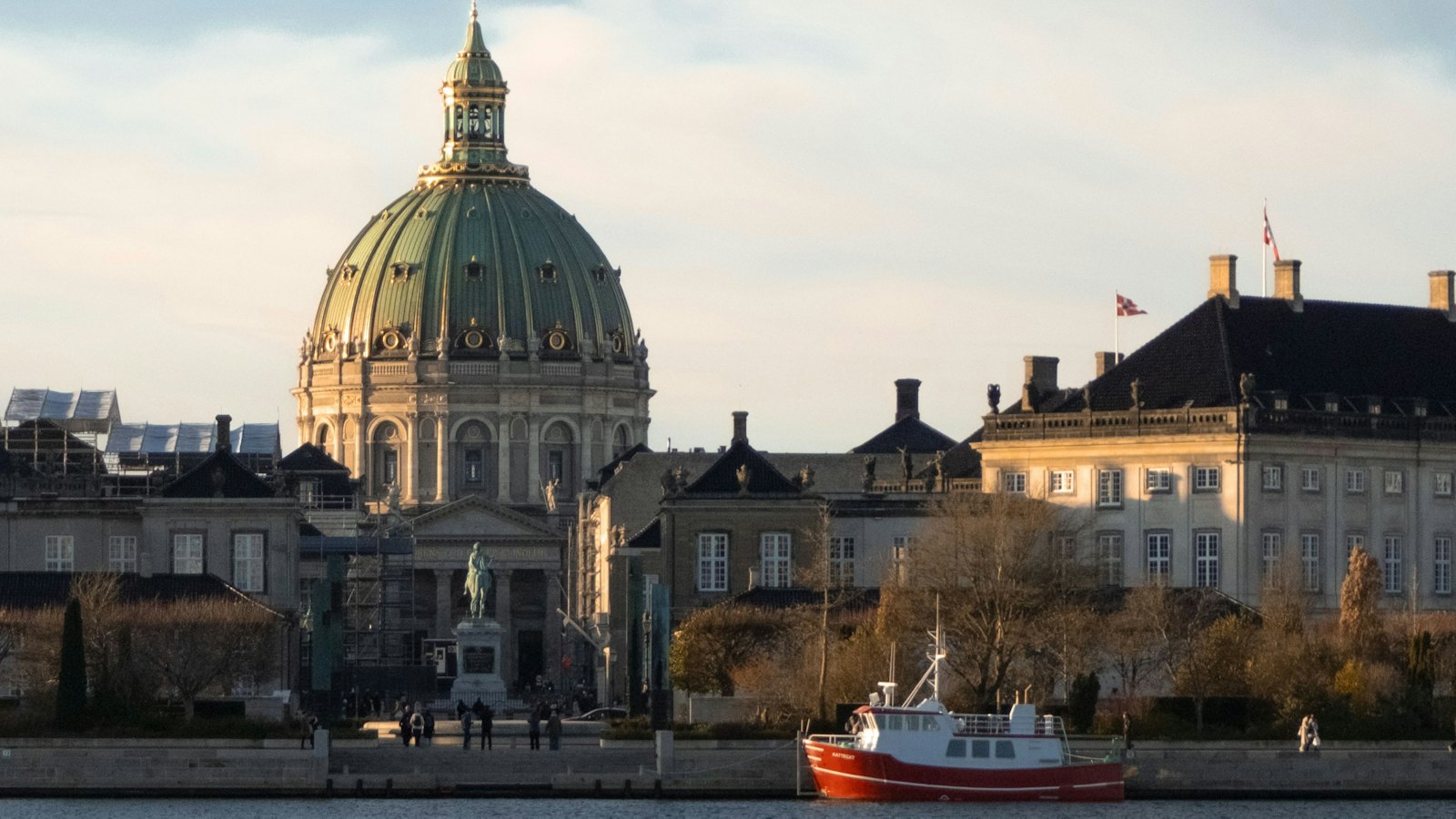
- Day 2: Begin at Rosenborg Castle and the King's Garden. Proceed to Amalienborg, Frederik's Church, the harbourfront and Kastellet before finishing at the Little Mermaid. Walk back in pleasant weather or use public transport if conditions deteriorate.
- Day 3: Spend the morning at Christiansborg Palace and the National Museum. Cross towards Christianshavn for canal views and a respectful visit to Christiania. Reserve the evening for Tivoli Gardens, after confirming that the park is operating on your dates.
- Day 4: Visit Torvehallerne, circle part of the lakes and explore Nørrebro's cafés, shops and halal lunch possibilities. For an international day trip, board a train to Malmö in Sweden. Carry your passport, allow for possible identity checks and remember that a Swedish visit uses the same Schengen time allowance.
Three complete sightseeing days cover Copenhagen's principal attractions. A fourth allows a calmer rhythm and provides flexibility for wet weather, longer museum visits or the Malmö excursion.
Money, connectivity and practical tips
Denmark's currency is the Danish krone, shown as DKK, rather than the euro. For quick estimates, DKK 10 is approximately RM 6.30, although card charges and exchange rates differ. Copenhagen relies heavily on electronic payment, and contactless Visa or Mastercard is accepted by most businesses serving visitors. Keep limited cash for emergencies, but do not expect Malaysia's DuitNow QR system to function. When a payment terminal offers a currency choice, select kroner because conversion into ringgit by the merchant often carries an unfavourable rate.
An eSIM provides convenient immediate access to maps and transport tools. Conditions for buying and registering physical prepaid SIM cards can vary, so arranging mobile data before leaving Malaysia may be simpler. Danish electricity is 230V, using Type C and Type K sockets. A Malaysian Type G plug requires an adaptor.
Service is normally included in displayed restaurant prices, making tips optional. Rounding up is enough when the service deserves recognition. Copenhagen is generally easy to visit, but pickpocketing can occur around Central Station, packed attractions and crowded vehicles. Keep wallets and phones secure, and reject pressured transactions or unsolicited assistance at ticket machines.
Rapid weather changes are normal. Bring comfortable footwear, light layers and a waterproof outer shell even during summer. In winter, schedule outdoor landmarks near midday and use museums for the hours after early darkness.
Before you go
- Best time to go
- Late spring through early autumn provides Copenhagen's easiest sightseeing conditions. From May until September, temperatures are generally comfortable and daylight lasts long enough for extended walks. June, July and August remain mild by Malaysian standards, and a jacket can still be useful after sunset. These months also bring the largest crowds and highest room rates. Malaysian school breaks may coincide with peak demand, making early flight and hotel bookings sensible. April, May and September are cooler and often wetter, but offer quieter museums and streets. November and December feature festive decorations and Christmas markets, while winter overall is cold, windy and dark. Snow can fall, though it is never assured. Waterproof clothing belongs in the luggage during every season because sunshine, showers and wind may all arrive within a single day.
- Visa for Malaysians
- Malaysians do not need a visa to enter Denmark for a short stay, as of September 2026. Using an ordinary Malaysian passport, a visitor may spend no more than 90 days within a rolling 180-day window across all Schengen countries. Visiting another member state does not restart that count. The EU Entry/Exit System reached full operation on 10 April 2026, replacing manual stamps and collecting a face image plus fingerprints during a traveller's first border registration. ETIAS, a planned online travel authorisation, is not yet open for applications and is expected in the final quarter of 2026, followed by a transition period of at least six months before it becomes compulsory. Its planned fee is around €20, about RM 93, with a usual validity of three years. Travel documents need an issue date less than a decade before entry and expiry at least three months beyond the intended Schengen exit. Recheck travel-europe.europa.eu before departure.
- Honest budget guide
- A daily allowance of RM 500 to RM 900 per traveller is realistic before international airfare. A hostel bed or basic room often runs from RM 250 to RM 450 nightly, while a comfortable mid-range room may reach RM 600 to RM 1,000. Plan approximately RM 120 to RM 250 each day for meals and RM 30 to RM 70 for local travel, then add admission costs for palaces, museums and Tivoli Gardens. The latest Amaboxly check found Kuala Lumpur departures from RM 1,390 one way through Abu Dhabi, with RM 1,697 as the middle value among scanned fares. For four nights, a shared-room trip including return flights, meals, transport and several ticketed sights may come to approximately RM 4,500 to RM 7,500 per person. These estimates are not fixed quotations and can climb significantly during summer or major events.
Frequently asked questions
Do Malaysians need a visa for Copenhagen?
For an ordinary short holiday, as of September 2026, Malaysian passport holders are exempt from obtaining a Danish visa in advance. The permitted stay is capped at 90 days within any rolling 180 days throughout Schengen, not Denmark alone. Ensure the document was issued less than a decade before arrival and expires at least three months after the intended Schengen exit. Review the official EU travel portal again before departure.
Is there a direct flight from Kuala Lumpur to Copenhagen?
No scheduled nonstop KUL to CPH route appeared in the September 2026 check. Travellers generally change aircraft in Abu Dhabi, Doha, Istanbul, Dubai or a large European hub. Amaboxly found a one-way Etihad itinerary through Abu Dhabi from RM 1,390, while the midpoint across scanned results was RM 1,697. Prices and schedules can change after a search.
Is Copenhagen Muslim-friendly?
Yes, with some preparation. Mosques and halal restaurants are available, especially around Nørrebro, but the main sightseeing streets offer fewer choices. Ask restaurants about halal sourcing, alcohol in sauces and equipment shared with pork. Fish and vegetarian food can serve as alternatives after checking ingredients. A small prayer mat also gives greater flexibility between scheduled mosque visits.
How many days are enough for Copenhagen?
Three complete days can cover Nyhavn, central museums, the main royal sites, the harbour and Tivoli Gardens. Choose four days for a gentler schedule, more time in Nørrebro, protection against poor weather or an excursion to Malmö. Although distances in central Copenhagen are short, proper visits inside castles and museums take substantially longer than exterior photo stops.
What is the best month to visit Copenhagen?
May and September are particularly appealing because daylight remains useful, walking temperatures are usually pleasant and crowds can be lighter than at midsummer. June through August brings more activity and warmth but also elevated hotel prices. December is attractive for festive displays. January and February are colder, darker and often windy, while rainfall remains possible during every month.
How much money should I budget for five days in Copenhagen?
For five days, consider RM 5,000 to RM 8,500 per person. That estimate includes return airfare, four nights in shared accommodation, meals, city transport and admission to several attractions. Hostel beds, bakery breakfasts and supermarket food can lower spending. Private hotel rooms, regular restaurant meals and multiple Tivoli rides push the figure upward, particularly on popular summer dates.
Can I use Grab in Copenhagen?
Grab does not provide its usual ride-hailing service in Copenhagen. Alternatives include public transport, bicycles, licensed street taxis and Danish taxi-booking applications. A metered airport journey into the centre is commonly DKK 250 to DKK 350, approximately RM 158 to RM 221. Rail and metro connections are much less expensive and are usually faster when roads are congested.
Can I pay with a Malaysian bank card in Copenhagen?
Most shops, hotels and restaurants accept international Visa and Mastercard payments, including contactless transactions. Activate overseas usage beforehand and examine your bank's conversion and foreign transaction charges. If the terminal asks which currency to use, select Danish kroner instead of ringgit. DuitNow QR is generally unavailable, so keeping a modest cash reserve is still prudent.
Jom pergi
Ready to go Copenhagen? Compare available flights and hotels for your dates. Check baggage, cancellation terms and the final total on the booking provider before paying.






