




On this page12 sections
- Overview
- Flights from Kuala Lumpur to Oslo
- Getting from Oslo Airport to the city
- Where to stay in Oslo
- Top sights and Oslo experiences
- Norwegian dishes and affordable meals
- Halal food and prayer facilities
- Public transport and getting around
- A four-day Oslo itinerary
- Money, tipping and practical travel tips
- Before you go
- FAQ
Oslo combines bold waterfront architecture, island ferries, forested hills and renowned art in a compact Nordic capital. Malaysian travellers will find the city orderly and straightforward to navigate, though its prices reward advance planning. Free harbour routes, sculpture gardens and ferries covered by public transport tickets can offset museum and dining costs. This guide explains flight options from KLIA, airport transfers, suitable neighbourhoods, halal food, prayer facilities, local transport, seasonal weather and likely spending in ringgit. Pack adaptable layers, rain protection and shoes with dependable grip, then divide your time between the waterfront, museums and Oslo's accessible natural surroundings.
Flights from Kuala Lumpur to Oslo
As of September 2026, there is no nonstop flight linking Kuala Lumpur International Airport with Oslo, so most trips need at least one stop. Typical combinations include Qatar Airways, sometimes paired with Malaysia Airlines, via Doha; THAI via Bangkok; Turkish Airlines via Istanbul; and Emirates via Dubai. Other itineraries connect through European hubs such as Frankfurt, London or Amsterdam. Total travel time is commonly 16 to 22 hours, depending on the connection.
Long-haul services usually leave from KLIA Terminal 1. Because codeshare arrangements can affect check-in, follow the terminal stated on the final booking rather than relying on the operating airline alone.
The lowest one-way fare available is about RM 1,852, for travel on 24 October 2026, using Malaysia Airlines and Qatar Airways with one stop. The typical fare is closer to RM 2,324. Other examples cost RM 1,968 through Bangkok, RM 2,044 through Istanbul and RM 2,403 through Dubai. When comparing fares, examine connection length, baggage limits and whether checked luggage continues automatically to Oslo. A slightly dearer itinerary can be worthwhile if it avoids a long overnight wait or a complicated bag collection.
Getting from Oslo Airport to the city
Oslo Airport Gardermoen, whose airport code is OSL, stands approximately 50 kilometres north of central Oslo. Rail is usually the easiest way into town. For the conversions below, NOK 10 is treated as roughly RM 4. Your bank's rate and overseas card fees may produce a different total.
- Vy regional train: Services reach Oslo Central Station in about 20 to 25 minutes. An adult ticket is generally NOK 120 to NOK 140, or roughly RM 48 to RM 56. Buy it from Vy, Ruter or a station machine before entering the train.
- Flytoget Airport Express: The quickest journeys take around 19 to 22 minutes. Adult fares are normally NOK 250 to NOK 270, approximately RM 100 to RM 108. It is frequent and luggage-friendly, but costs considerably more than Vy.
- Airport coach: The ride takes roughly 40 to 70 minutes, depending on road conditions and your stop. Allow NOK 220 to NOK 280, equal to about RM 88 to RM 112.
- Taxi: Driving downtown normally requires 40 to 50 minutes. A fare may reach NOK 800 to NOK 1,200, or RM 320 to RM 480. Agree on a fixed airport price before departure.
For accommodation around the centre, the Vy train is usually the best-value choice.
Where to stay in Oslo
Accommodation will probably take the largest portion of your Oslo spending. Choosing a district served by trains, trams or the metro reduces both travel time and reliance on costly taxis.
- Sentrum: First-time visitors and travellers on short stays benefit from this central base. Oslo Central Station, Karl Johans gate, the Opera House and much of the waterfront are walkable. Convenience is excellent, although station-area prices rise on busy dates.
- Grünerløkka: This neighbourhood has independent stores, bakeries, cafes and an energetic evening atmosphere. Regular trams provide easy access to the centre. It suits couples and repeat visitors who prefer a residential setting.
- Grønland and Tøyen: These neighbouring eastern areas combine metro access, multicultural restaurants and occasional savings on rooms. They also place visitors near a wider selection of halal food. Use ordinary urban caution around transport stops late at night.
- Aker Brygge and Tjuvholmen: Contemporary architecture, galleries, restaurants and Oslofjord scenery shape this upmarket waterfront area. It is pleasant for walking, but its hotels are often among Oslo's most expensive.
Basic rooms commonly begin around RM 350 to RM 550 nightly. Expect approximately RM 600 to RM 950 for a comfortable mid-range option.
Top sights and Oslo experiences
A satisfying Oslo visit mixes indoor culture with waterfront walks and time outdoors. Several major open-air attractions cost nothing, making them useful additions to a carefully managed itinerary.
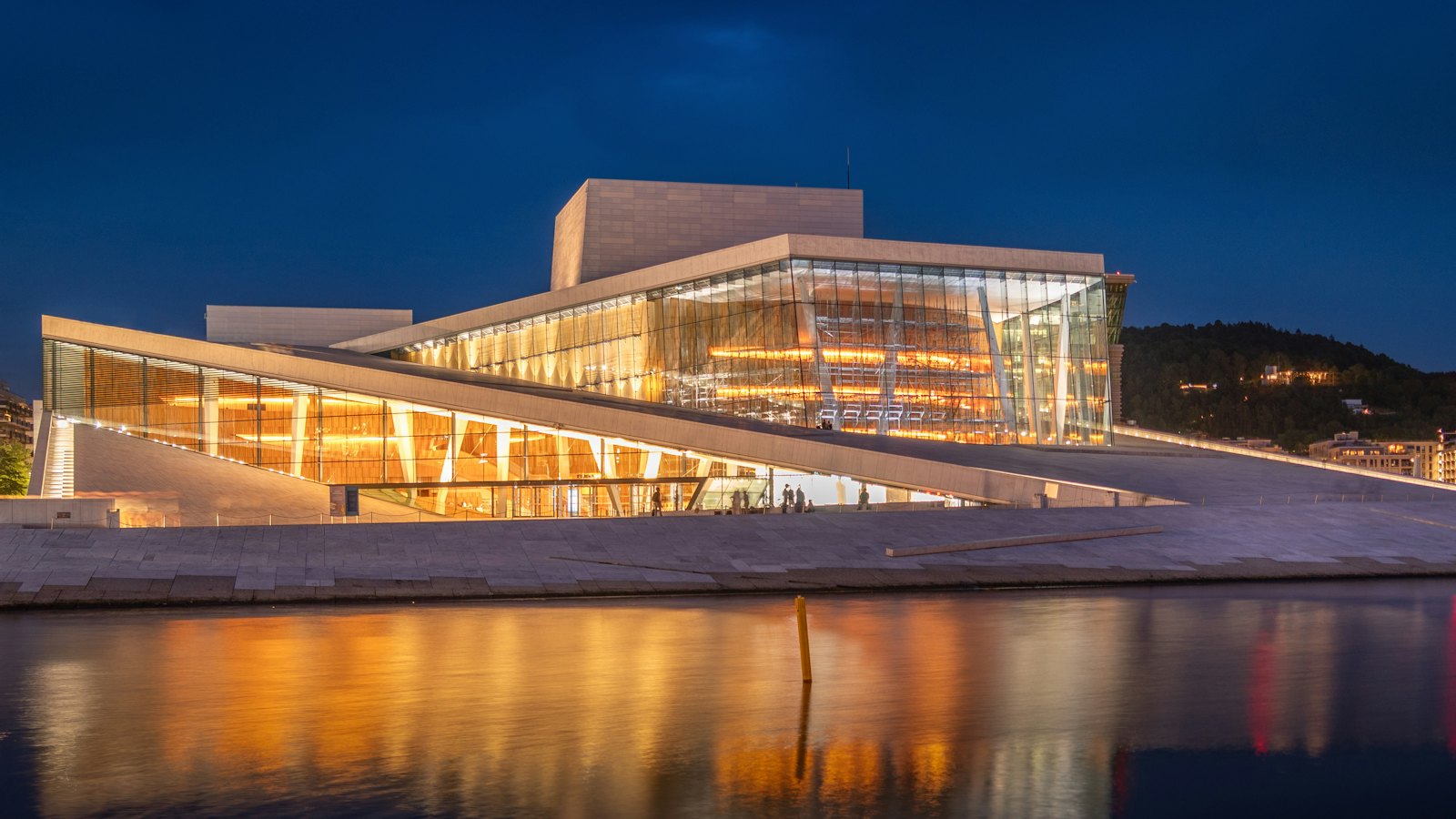
- Walk across the Oslo Opera House roof: Its sloping public surface gives broad views of Bjørvika, the harbour and nearby buildings without an admission fee.
- See MUNCH: This modern waterfront museum displays works by Edvard Munch alongside changing exhibitions.
- Explore the National Museum: Allow several hours for Norwegian paintings, design, decorative objects and nationally important art.
- Visit Vigeland Sculpture Park: Numerous sculptures line the central avenue of Frogner Park, and access to the outdoor collection is free.
- Enter Akershus Fortress: The historic grounds offer harbour views towards Aker Brygge and the passing boat traffic.
- Spend time on Bygdøy: Museums across the peninsula cover polar exploration, seafaring and Norwegian cultural history. Seasonal opening dates vary.
- Take the metro to Holmenkollen: The ski-jump area combines woodland with extensive city views. Check visibility before paying for an elevated viewpoint.
- Board a Ruter ferry: With the appropriate ticket, selected island services provide an inexpensive Oslofjord outing.
- Follow the Harbour Promenade: The route links Bjørvika, Akershus, City Hall, Aker Brygge and Tjuvholmen.
Norwegian dishes and affordable meals
Traditional food in Oslo draws heavily on seafood, bread, dairy and produce suited to northern seasons. Salmon is widely available, while cod, prawns, fish soup and open sandwiches offer further local flavours. Muslim travellers should check whether soups, sauces or dressings contain wine, meat stock or animal fat.
Brunost is a brown whey cheese with a sweet, salty and lightly caramelised taste. Norwegians often serve thin slices with bread or waffles. Bakeries are convenient places to try cinnamon buns, cardamom buns and soft heart-shaped waffles. Do not assume that beef, poultry, sausages, cured meats or meatballs are halal unless the business confirms their source.
Food halls in the city house Norwegian ingredients and international food stalls, though every vendor follows its own preparation practices. Aker Brygge is popular for waterfront seafood, while Grünerløkka provides many casual cafes and bakeries. Supermarkets are valuable for controlling costs. Bread, fruit, yoghurt, cheese and prepared salads can form an inexpensive breakfast or picnic. Tap water in Oslo is drinkable, so carry a refillable bottle instead of repeatedly buying water.
Halal food and prayer facilities
Grønland, Tøyen and surrounding eastern neighbourhoods contain Oslo's broadest selection of Muslim-oriented services. Turkish, Pakistani, Middle Eastern and Somali restaurants offer kebabs, curries, grilled meat and rice dishes. Halal standards and kitchen arrangements vary, however. Ask whether all meat is halal and whether it shares equipment with non-halal ingredients. Descriptions such as vegetarian, seafood or pork-free are not proof of halal preparation.
Established places of worship include the Islamic Cultural Centre Norway and Central Jamaat-e Ahl-e Sunnat. Confirm current access before going, especially if you need a women's section, Friday prayers or an evening service. At OSL, information staff can identify the airport's present quiet room or prayer space. Allow extra time because the facility could be far from your gate or located on the other side of security.
Zabihah and HalalTrip can help begin a restaurant search, but recent customer reports and direct questions remain important. If a kitchen cannot provide clear answers, consider simply cooked fish, vegetarian food or sealed supermarket products with readable ingredients. Pay particular attention to broth, sauces, gelatine and shared fryers.
Public transport and getting around
Ruter manages the integrated network of metro trains, trams, buses, local rail and public ferries. Almost every attraction commonly visited in central Oslo is within Zone 1. A ticket permits transfers among covered services until its validity period ends. Adult single fares are about NOK 40 to NOK 45, approximately RM 16 to RM 18. A Zone 1 pass lasting 24 hours costs roughly NOK 125 to NOK 135, or RM 50 to RM 54. These amounts are planning estimates because Ruter may revise its prices.
Use the Ruter application for journey searches and digital tickets. Purchase and activate the correct fare before boarding. Some Malaysian bank cards require approval through the bank's application for overseas payments, so ensure that authentication remains available. Ticket machines and staffed outlets are useful backups. Inspections are routine, and the penalty for travelling without a valid fare is substantial.
Grab does not run its standard ride-hailing service in Oslo. Local taxi companies and booking applications are available, but prices differ and are generally high. Ask for a firm quote or credible estimate before the trip starts. Central Oslo is compact enough for walking, while bicycles work well in favourable weather. Watch for tram tracks, icy surfaces and reduced winter visibility. Late-night public transport remains useful, although intervals between departures become longer.
A four-day Oslo itinerary
Four days provide enough room for Oslo's principal museums, contrasting neighbourhoods and outdoor scenery without forcing every activity into a tight schedule.
- Day 1: Begin at Oslo Central Station, cross Bjørvika and ascend the Opera House roof. Visit MUNCH, then continue along the waterfront past Akershus Fortress. Finish near City Hall, Aker Brygge and Tjuvholmen as evening reaches the fjord.
- Day 2: Give the morning to the National Museum. Later, travel to Frogner Park for the Vigeland sculptures. Continue towards Majorstuen or Grünerløkka for coffee and an early dinner.
- Day 3: Concentrate on Bygdøy's maritime and cultural collections. In warmer months, combine the peninsula with a public ferry ride or an Oslofjord island stop. Confirm museum hours and boat departures that morning because seasonal changes are common.
- Day 4: Take the metro to Holmenkollen for its ski-jump setting, woodland and views over the city. On the journey back, pause in Grønland or Tøyen for halal food. Reserve the final hours for shopping downtown or revisiting the harbour.
Three full days are sufficient for the leading highlights. A fourth allows a calmer pace and more flexibility. In winter, account for early darkness, ice and slower movement on foot.
Money, tipping and practical travel tips
Norway uses the Norwegian krone, shown as NOK. For simple estimates, NOK 10 is approximately RM 4, although your card provider's exchange rate and foreign transaction charge determine the amount paid. Oslo is highly cashless, with contactless cards accepted at most businesses. An ordinary city break rarely requires cash, and Malaysian DuitNow QR payments are generally unavailable.
Check roaming prices before leaving Malaysia because they can be costly. A Norwegian or Europe-wide eSIM may offer better value, but prepaid physical SIM availability and registration requirements are not always identical. Download offline maps, Ruter and Vy before departure. Keep access to the banking application that authorises card purchases. Norway uses Type C and Type F electrical sockets with a 230-volt supply, so Malaysian Type G plugs need an adaptor.
Tipping is optional because service is already included. For notably good table service, rounding the bill or adding 5 to 10 percent is sufficient. Oslo is considered generally safe, but pickpocketing can occur on crowded transport, around stations and at visitor sites. Keep bags closed and do not leave phones unattended in cafes. Ask for a taxi price before riding. Weather changes quickly, so carry a waterproof outer layer, warm layers and footwear with reliable traction. Winter visitors should expect short daylight hours and possible pavement ice.
Before you go
- Best time to go
- For most visitors, late spring to early autumn brings the easiest sightseeing weather. From May through September, Oslo generally has comfortable conditions, long daylight and stronger options for fjord trips. June, July and August are the warmest months, with daytime temperatures frequently reaching the high teens or low twenties Celsius. They also bring higher hotel prices and busier museums. May and September are cooler, often calmer choices for walking, although rain remains possible. Between November and March, daylight is scarce and snow or ice can affect movement. Visit then for a winter atmosphere or nearby skiing. Christmas events may increase December demand, while Malaysian school holidays can raise flight prices in June and December. Layers and rain protection are useful in every season because conditions can change within hours.
- Visa for Malaysians
- As of September 2026, Malaysians do not need a visa for short visits to Norway and can stay up to 90 days within any 180-day period across the entire Schengen Area. Days spent in another Schengen country count towards the same limit. The Entry/Exit System is fully operational and records a facial image and fingerprints from travellers using it for the first time, replacing passport stamps. ETIAS is not yet accepting applications. Its launch is anticipated during the final quarter of 2026, followed by a transition of at least six months before it becomes compulsory. Its expected price is around €20, roughly RM 90, with approval lasting three years. Your passport must have been issued within the previous decade, and its expiry must be at least three months after your intended departure from Schengen. Confirm the latest rules at travel-europe.europa.eu before travelling.
- Honest budget guide
- Allow roughly RM 450 to RM 750 per traveller for each Oslo day, excluding international flights. One-way flights from Kuala Lumpur start from about RM 1,852, with a typical fare closer to RM 2,324. Basic accommodation usually costs RM 350 to RM 550 a night, while a comfortable mid-range room often reaches RM 600 to RM 950. Budget RM 120 to RM 220 daily for meals if you mix supermarket food with casual restaurants. Transport and attraction tickets may require another RM 50 to RM 100 per day. A four-night trip for one person commonly totals about RM 5,000 to RM 7,500 when return flights, modest or shared accommodation, food, local travel and several museums are included. Private rooms, taxis, alcohol and fine dining can raise the total considerably.
Frequently asked questions
Do Malaysians need a visa for Oslo?
As of September 2026, Malaysians can enter Norway without a visa and stay within the Schengen Area for up to 90 days in a moving 180-day period. Norway shares that allowance with every other Schengen country. The passport must be under 10 years from its issue date and expire at least three months after departure. Confirm the latest requirements at travel-europe.europa.eu.
Is there a direct flight from Kuala Lumpur to Oslo?
As of September 2026, there is no nonstop KUL to OSL route, so most trips need one stop. Typical connections are in Doha, Bangkok, Istanbul, Dubai or a European hub, and the journey takes approximately 16 to 22 hours overall. The cheapest one-way fare is about RM 1,852, combining Malaysia Airlines with Qatar Airways.
Is Oslo Muslim-friendly?
Oslo has established mosques and numerous Muslim-friendly restaurants, especially around Grønland and Tøyen. Turkish, Pakistani, Middle Eastern and Somali cooking is readily available there. Halal practices are not consistent across every business, so ask about meat sourcing and shared equipment. Plain seafood or vegetarian food can be practical alternatives, but check broth, sauces, gelatine and cooking methods.
How many days are enough for Oslo?
Three complete days can cover the central waterfront, major art museums, Vigeland Sculpture Park and either Bygdøy or Holmenkollen. Four days are preferable if you want several museums, an island ferry journey and unhurried time beside the fjord or in the forest. Winter itineraries need more flexibility because early darkness, snow and slippery ground may slow sightseeing.
What is the best month to visit Oslo?
June is an excellent choice for extremely long days, fjord outings and outdoor dining, though accommodation is more expensive and attractions are busier. May and September offer cooler walking conditions and fewer visitors. For snow and nearby skiing, consider December through March while preparing for cold weather, limited daylight and occasional disruption from ice.
How much money do I need for five days in Oslo?
For five days with four overnight stays, estimate RM 5,000 to RM 7,500 for each traveller. This includes return airfare from Kuala Lumpur, modest accommodation, meals, public transport and several paid attractions. Sharing a room and buying some supermarket meals can reduce the amount. A private hotel room, frequent taxi journeys and regular restaurant dinners may push costs above RM 8,000.
Can I use Grab in Oslo?
Grab's usual ride-hailing service is not available in Oslo. Local taxi firms accept bookings by telephone or application, but their fares are much higher than public transport and differ between operators. Request a fixed price or dependable quote before entering the vehicle. Ruter trains, metro lines, trams, buses and ferries serve nearly every district needed on a normal sightseeing trip.
Is Oslo expensive for Malaysian travellers?
Yes. Accommodation, restaurant meals and taxis place the greatest pressure on a Malaysian budget. Casual dining may cost RM 70 to RM 130, while a mid-range room can be RM 600 to RM 950 per night. Stay near public transport, use suitable travel passes, shop at supermarkets and prioritise free parks, waterfront walks and ferries covered by your ticket.
Jom pergi
Ready to go Oslo? Compare available flights and hotels for your dates. Check baggage, cancellation terms and the final total on the booking provider before paying.






