




On this page12 sections
- Overview
- Getting There: Kuala Lumpur to Geneva
- Reaching Central Geneva from the Airport
- Choosing an Area to Stay
- Essential Sights and Experiences
- Swiss Food and Affordable Meals
- Halal Dining and Places to Pray
- Public Transport and Walking
- Three Days in Geneva
- Money, Connectivity and Everyday Advice
- Before you go
- FAQ
Geneva places an elegant waterfront, Alpine views and major international institutions within a compact, walkable city. Travellers from Malaysia can admire the Jet d'Eau, wander through the historic centre and use the city as a base for exploring western Switzerland. Although local prices are steep, thoughtful choices about rooms, food and transport can keep a short stay within reach. This guide covers flight routes from KLIA, Geneva Airport transfers, estimated costs in ringgit, halal food, prayer options and an easy three-day itinerary featuring the city's leading attractions.
Getting There: Kuala Lumpur to Geneva
There is no direct passenger service linking Kuala Lumpur International Airport with Geneva in September 2026. Travellers therefore have to change aircraft along the way. Common routings include Emirates via Dubai, Etihad via Abu Dhabi, Qatar Airways via Doha and Turkish Airlines via Istanbul. Search results may also combine Malaysia Airlines with Lufthansa or another European carrier. Airline schedules change regularly, so check who operates each segment before completing payment.
Long-haul services usually leave from KLIA Terminal 1. Nevertheless, rely on the terminal shown in the final booking confirmation, particularly when separate tickets or multiple airlines are involved.
A convenient itinerary with one transfer generally takes about 15 to 20 hours from departure to arrival. Long layovers can push the complete journey past 24 hours.
During an Amaboxly fare check on 21 September 2026, the cheapest one-way ticket found for 10 November 2026 was RM1,417. The median one-way fare was RM1,641. Lower-priced options included connections through Abu Dhabi, Istanbul, Doha and Dubai. Before selecting the lowest headline price, compare the total travel time, layover length and checked-luggage allowance.
Reaching Central Geneva from the Airport
Geneva Airport is exceptionally close to the centre, with its railway station directly connected to the terminal. Ringgit figures below are planning estimates based on CHF1 equalling approximately RM5.30. Your bank or card provider may apply a different rate.
- Train: Frequent departures reach Genève-Cornavin, the main city station, in around seven minutes. The normal Zone 10 ticket costs approximately CHF3 to CHF4, or RM16 to RM21. It can generally be used for a connecting local bus, tram or boat while the ticket remains valid.
- Bus: Several routes leave from outside the terminal and serve different parts of Geneva. Allow about 15 to 30 minutes, depending on congestion and your destination. Fares are normally near CHF3 to CHF4, equivalent to RM16 to RM21.
- Taxi: Reaching a central address commonly takes 15 to 25 minutes. Expect roughly CHF35 to CHF50, or RM185 to RM265. Traffic, luggage and late-hour travel may alter the charge.
- Ride-hailing: Uber operates in Geneva, though busy-period pricing may approach ordinary taxi fares. Grab does not operate there.
Visitors staying at qualifying registered accommodation may receive a Geneva Transport Card. Confirm its activation procedure with the property before relying on it for the airport journey.
Choosing an Area to Stay
Geneva is small enough for straightforward sightseeing, but your chosen district will shape the atmosphere, convenience and amount of transport needed.
- Old Town and Rive Gauche: Choose this side of the centre for easy access to St Pierre Cathedral, museums, historic lanes and the waterfront. The appealing location commonly results in some of Geneva's most expensive accommodation.
- Cornavin and Saint-Gervais: Rooms around the main railway station work well for airport connections, short stopovers and early departures. The surroundings are energetic rather than scenic, but public transport is excellent and casual restaurants are plentiful.
- Pâquis: This animated neighbourhood offers quick access to the lake plus numerous international and halal dining choices. Parts near the station can appear less polished at night, so use normal city precautions while exploring.
- Eaux-Vives: Its parks, cafés and position near the eastern lakeshore appeal to couples and travellers wanting a more residential setting. Rail, tram and bus services make central attractions easy to reach.
Truly cheap rooms are scarce throughout Geneva. Book early for summer, Malaysian school holidays and dates affected by major international conferences.
Essential Sights and Experiences
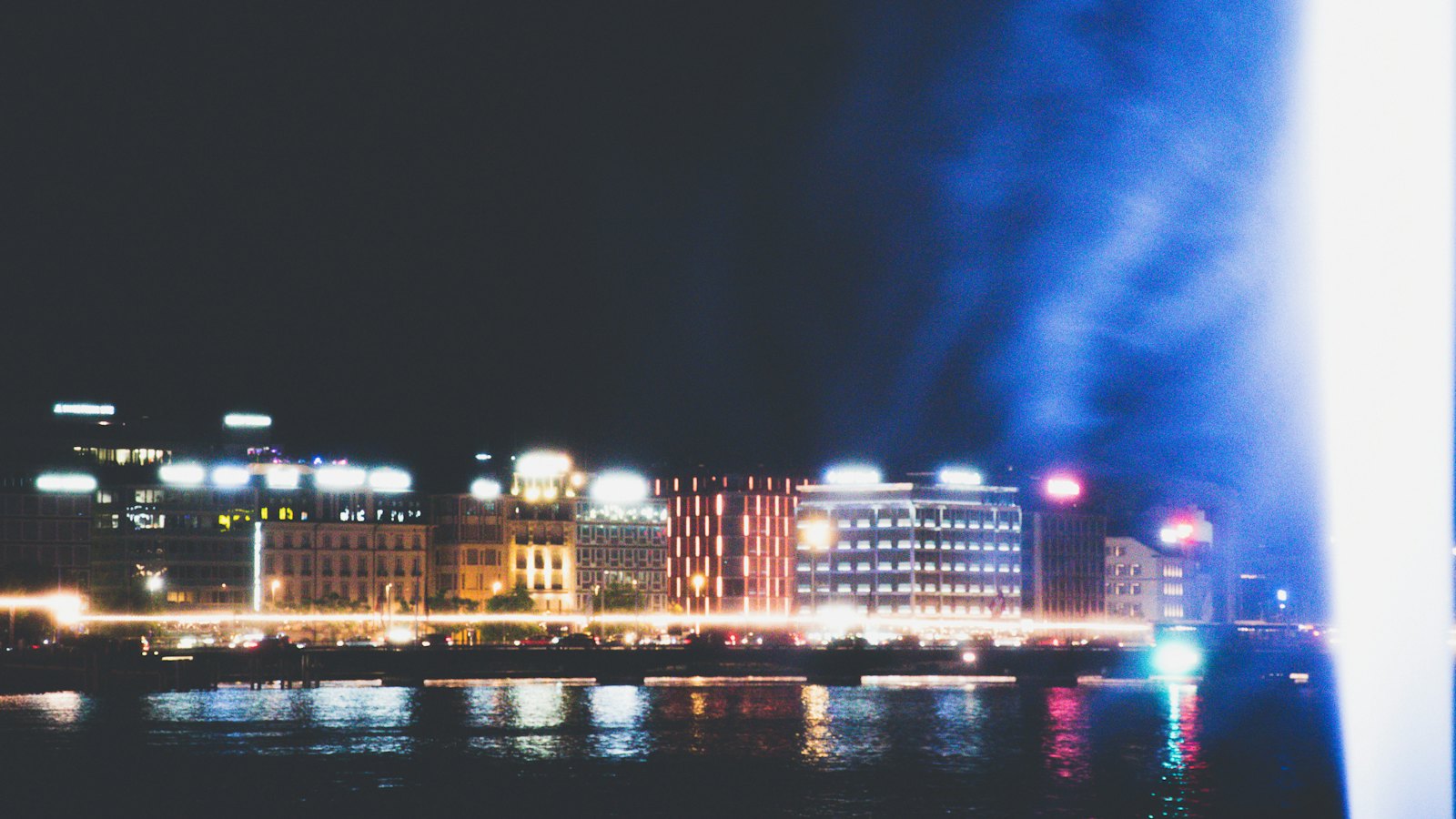
- Jet d'Eau: Admire Geneva's towering fountain from the lakeside promenades. Wind can carry heavy spray across the access pier, making protection for phones and cameras worthwhile.
- Geneva Old Town: Wander through rising lanes, historic façades and small squares near Bourg-de-Four. Supportive footwear helps on steep stretches and uneven cobblestones.
- St Pierre Cathedral: Visit the prominent church at the heart of the old quarter. When skies are clear, its tower reveals wide views over the roofs, lake and surrounding city.
- Parc des Bastions: Pass beneath mature trees and study the Reformation Wall, which depicts central figures from Geneva's Protestant history.
- United Nations district: View the flag-lined approach and Broken Chair outside the Palais des Nations. Entry tours depend on current security rules, operating schedules and advance booking.
- International Red Cross and Red Crescent Museum: Learn about humanitarian work and the consequences of conflict and forced displacement.
- Lake Geneva waterfront: Trace the shoreline from the centre toward parks, swimming areas and calmer residential sections.
- Pâquis Baths: Swim in appropriate weather or enjoy relatively affordable food at this popular public lakeside facility.
- Carouge: Discover independent shops and secluded courtyards in a low-rise neighbourhood with an architectural character unlike central Geneva.
Swiss Food and Affordable Meals
Geneva's food reflects both French-speaking Swiss and Alpine traditions, alongside flavours brought by its international population. Fondue is especially comforting in cool weather, with bread dipped into melted cheese that usually contains wine. Raclette combines warmed cheese with potatoes, pickled onions and other accompaniments. Rösti consists of grated potato cooked until crisp, either served alone or paired with meat and eggs. Travellers avoiding alcohol should question staff about recipes, since wine appears in many traditional dishes.
For economical meals, bakeries and supermarkets provide bread, pastries, chocolate, sandwiches and picnic supplies. Lakeside restaurants frequently offer perch fillets and similar fish dishes, although the catch may come from somewhere other than Lake Geneva. Pâquis and the roads surrounding Cornavin generally provide better value than tourist-oriented Old Town locations, with Turkish, Middle Eastern, North African and South Asian restaurants among the options.
An uncomplicated lunch often costs CHF18 to CHF30, approximately RM95 to RM160 at this guide's planning rate. Supermarket salads and prepared sandwiches can cut daily food expenses considerably. Tap water is safe to drink, while public fountains marked as potable make refilling a bottle convenient.
Halal Dining and Places to Pray
Geneva is manageable for Muslim travellers, particularly around the culturally diverse Cornavin and Pâquis districts. Pakistani, Turkish, Indian, Lebanese and Moroccan restaurants are useful starting points. Cuisine alone is not proof of halal preparation, however. Look for an explicit declaration, ask employees about the source of every meat and do not assume that a pork-free menu makes other dishes halal. Wine is also commonly included in classic cheese fondue.
Located in Petit-Saconnex, the Geneva Mosque is the city's most prominent Islamic place of worship and a reliable option for congregational prayers. Smaller community prayer spaces are also present, but access policies and opening times can vary. Geneva Airport offers a quiet space intended for prayer and reflection. Consult the latest terminal directory or ask airport personnel for its current location.
When a prayer facility is unavailable, politely ask a hotel, museum or shopping centre whether a private room can be provided. HalalTrip, Zabihah and recently updated Google Maps listings can assist with restaurant searches. Contacting a venue directly is wise because community information sometimes becomes obsolete. Seafood, vegetarian meals and clearly labelled supermarket goods provide practical alternatives.
Public Transport and Walking
Geneva's integrated network includes trams, buses, suburban rail services and small yellow passenger boats. Nearly all central journeys fall within Zone 10. A time-limited ticket is approximately CHF3 to CHF4, which converts to around RM16 to RM21 at the rate used in this guide. Buy or validate the correct fare before boarding whenever required. Inspections are routine, and passengers without valid tickets face substantial penalties.
Eligible guests at participating hotels, hostels and registered holiday rentals may be issued a Geneva Transport Card for their stay. Ask the accommodation about participation and activation. Other travellers can obtain tickets through vending machines or the official local transport app. Contactless payment works at certain machines, but carrying a chip-and-PIN card provides a useful alternative.
The waterfront and central retail streets are well suited to walking. Exploring the old quarter takes more effort because its lanes rise sharply and contain uneven stones. The Mouettes water buses are part of the regular transport system and offer attractive lake views for the price of a public fare.
Taxis are reliable but expensive, and Uber fares fluctuate with demand. Grab is not available anywhere in Switzerland. Lakeside cycling can be enjoyable, though unfamiliar road markings, tram tracks and slippery winter surfaces require care.
Three Days in Geneva
- Day 1: Begin at the Jet d'Eau and walk along the shore before climbing into the Old Town. Visit St Pierre Cathedral and Bourg-de-Four, then continue through Parc des Bastions for the Reformation Wall. Search around Pâquis or Cornavin for dinner, where reasonably priced halal choices are easier to find.
- Day 2: Take public transport to the international organisations district. See the flags, Broken Chair and Palais des Nations exterior. Include an indoor tour only when it is operating and you hold the necessary reservation. Afterwards, explore the International Red Cross and Red Crescent Museum. Return beside the water and cross a section of the lake using a Mouettes boat.
- Day 3: Spend the morning among Carouge's unusual streets, independent stores and market area. Later, revisit the waterfront at Eaux-Vives or another lakeside neighbourhood. Fine weather suits a picnic or swimming at the Pâquis Baths. During cold conditions, choose an indoor museum and finish with a leisurely fondue meal.
A fourth day creates time for a train excursion to Montreux or Lausanne. Trips into the mountains require additional organisation because changing weather, expensive tickets and last-connection times can influence what is practical.
Money, Connectivity and Everyday Advice
Switzerland uses the Swiss franc, written as CHF. For quick estimates, multiply franc prices by about RM5.30, then check the latest rate before departing Malaysia. Cards are widely accepted, even for many small payments. Still, CHF20 to CHF50 in cash can help with minor purchases and ticket machines. DuitNow QR is not normally supported by Geneva businesses.
An international eSIM is often the easiest data option for a short stay. A physical Swiss SIM is another possibility after arrival, although identification and activation requirements may apply. Review roaming terms closely because Switzerland is outside the European Union and is sometimes omitted from packages labelled for European use. Free Wi-Fi is commonly available at accommodation and important transport hubs.
Swiss outlets primarily use Type J sockets, so Malaysian Type G plugs require an adaptor. A universal travel model is a convenient solution. Restaurant prices include service, making tips optional. Rounding the total is sufficient when service has been good.
Geneva is generally regarded as safe, but protect bags and phones around Cornavin, on busy vehicles and aboard airport trains. Do not accept unsolicited assistance at ticket machines. Check menu prices before ordering and pack a light waterproof layer, since weather near the Alps can change rapidly.
Before you go
- Best time to go
- Late spring and early autumn provide the best balance for most Geneva visits. May, June and September usually deliver pleasant walking temperatures, colourful parks and lighter pressure than peak summer. September can combine mild afternoons with a more peaceful waterfront. July and August offer the highest temperatures and strongest chance of swimming in the lake, although accommodation prices rise and popular transport becomes busier. Winter days are cold and short, with occasional snow, but Geneva itself is an urban destination rather than a ski resort. December brings seasonal markets, while nearby mountain trips can cost considerably more during the skiing period. Malaysian school breaks overlap with heavily booked European summer and year-end dates, so reserve rooms and flights well ahead when travelling then.
- Visa for Malaysians
- Malaysian passport holders may enter Switzerland visa-free for short tourism visits in September 2026. The permitted stay is no more than 90 days during any moving 180-day window, calculated across all Schengen countries rather than Switzerland alone. Days previously spent elsewhere in Schengen reduce the remaining allowance, and visa-free entry does not authorise paid work. A passport must have been issued within the previous 10 years and stay valid for three months after the intended Schengen departure. Travellers are registered through the EU Entry/Exit System as its rollout continues, potentially involving a facial image and fingerprints for people aged 12 or older. The planned EUR20 ETIAS authorisation is not operating yet. Recheck official guidance from Switzerland's State Secretariat for Migration shortly before travelling.
- Honest budget guide
- A trip to Geneva calls for a generous budget compared with typical Malaysian travel costs. Allow approximately RM700 to RM1,200 per person each day, including accommodation but excluding international flights. A hostel bed or simple budget room can cost about RM250 to RM500 per night. Comfortable mid-range rooms often start near RM600 and may exceed RM1,000 nightly. Food could require RM120 to RM250 per day, while local travel may add RM30 to RM80 when no visitor transport card is provided. Set aside additional money for museum tickets and excursions beyond the city. Amaboxly's search on 21 September 2026 found one-way Kuala Lumpur fares from RM1,417, with a median price of RM1,641. Once airfare is included, a typical three-night trip may total roughly RM5,500 to RM8,500 for each traveller. Room sharing and flight cost will have the greatest effect on the final amount.
Frequently asked questions
Do Malaysians need a visa for Geneva?
For tourism, Malaysian citizens may visit Switzerland without obtaining a visa in advance as of September 2026. The limit is 90 days in any moving 180-day window across all Schengen countries. Working is not allowed, and the passport must satisfy age and remaining-validity rules. ETIAS has not started operating. Confirm the latest requirements through Switzerland's State Secretariat for Migration before travelling.
Is there a direct flight from Kuala Lumpur to Geneva?
No airline offers a nonstop passenger route between Kuala Lumpur and Geneva in September 2026. A connection is therefore necessary, commonly in Dubai, Doha, Abu Dhabi or Istanbul. The quickest practical itineraries usually last around 15 to 20 hours. Check the departure terminal at KLIA, luggage allowance, connection length and operating carrier for every flight segment before paying.
How many days are enough for Geneva?
Three complete days provide enough time for Geneva's waterfront, historic quarter, Carouge, major museums and international organisations district at a comfortable pace. With only two days, visitors can still see the principal central attractions, especially when using Geneva as an entry or exit point. Add a fourth day for a train excursion to Lausanne, Montreux or another western Swiss destination.
Is Geneva Muslim-friendly?
Geneva offers mosques and a worthwhile selection of Turkish, South Asian, Middle Eastern and North African restaurants. Cornavin and Pâquis are particularly useful areas for finding food. Halal standards differ between businesses, so confirm meat sourcing and kitchen practices directly with staff. The Geneva Mosque is the main prayer destination. Vegetarian dishes, seafood and labelled supermarket products are helpful alternatives.
What is the best month to visit Geneva?
June and September are strong options for mild walking weather and attractive views across the lake. May brings green parks and sometimes lower visitor demand. July and August provide better swimming conditions but coincide with larger European holiday crowds. December feels festive while offering shorter, colder days. Remember that mountain conditions outside Geneva can be very different from the weather within the city.
How much money should I budget for three days in Geneva?
Set aside about RM2,100 to RM3,600 per person for three days on the ground. This range covers modest or shared mid-range accommodation, meals, urban transport and limited attractions, but excludes flights. In Amaboxly's September 2026 search, one-way fares from Kuala Lumpur started at RM1,417. Using a complimentary visitor transport card and buying some supermarket meals can reduce daily expenses.
Can I use Grab in Geneva?
Grab is unavailable in Geneva and elsewhere in Switzerland. Travellers can use Uber or conventional metered taxis, but both generally cost far more than buses, trams and trains. Geneva's public network serves nearly all major visitor areas efficiently. People staying at participating accommodation may receive a Geneva Transport Card for qualifying local travel during their booked stay.
Is Geneva Airport far from the city centre?
Geneva Airport lies very near the urban centre. A train reaches Genève-Cornavin in approximately seven minutes, while buses generally require 15 to 30 minutes depending on traffic and the chosen stop. Public fares are around CHF3 to CHF4, equivalent to RM16 to RM21. Taxi prices commonly fall between CHF35 and CHF50, or roughly RM185 to RM265.
Jom pergi
Ready to go Geneva? Compare available flights and hotels for your dates. Check baggage, cancellation terms and the final total on the booking provider before paying.






